

Kazakhstan continues to strengthen its diplomatic presence in Southeast Asia.
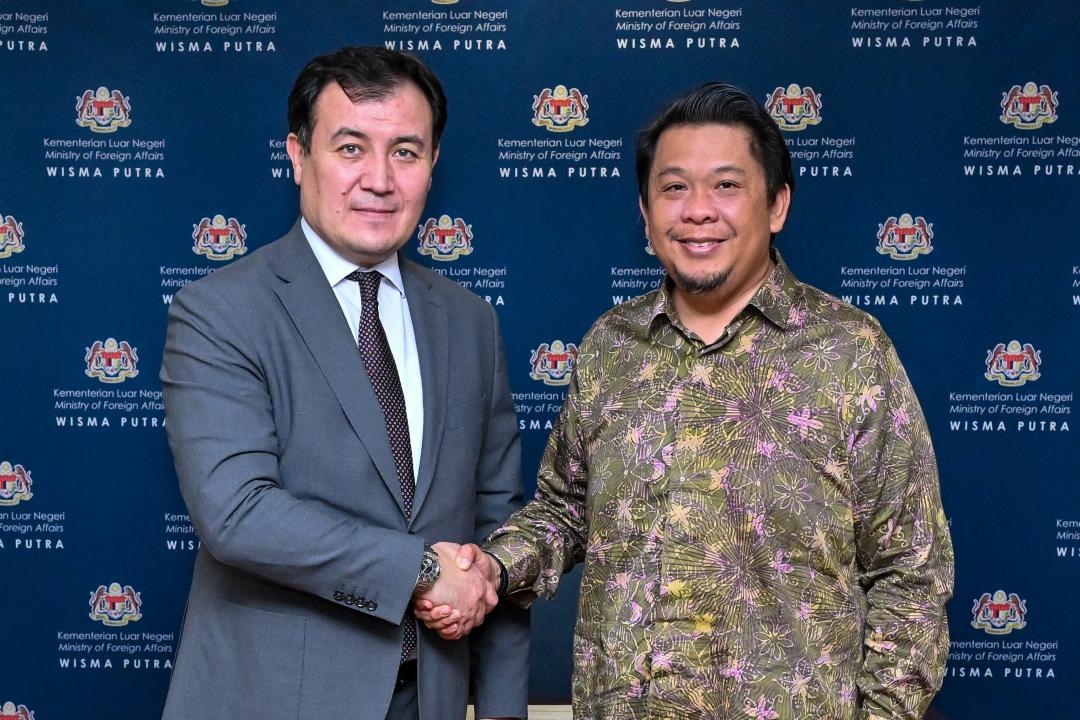
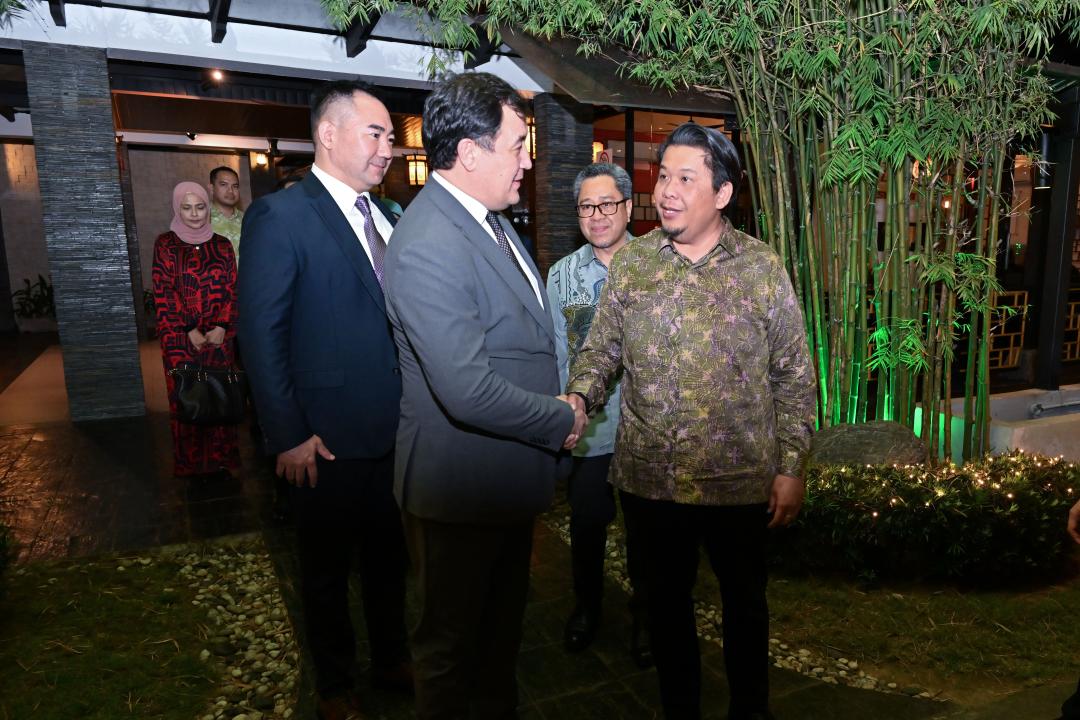
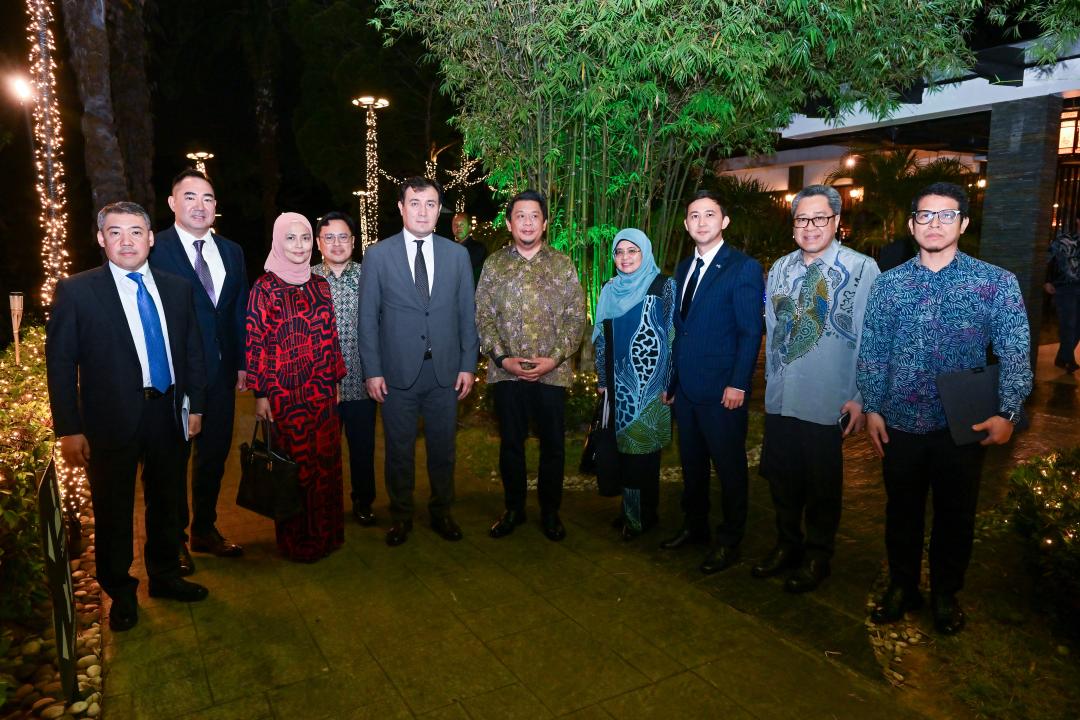
Deputy Minister of Foreign Affairs of the Republic of Kazakhstan Alibek Bakayev held substantive talks with Deputy Minister of Foreign Affairs of Malaysia Lukanisman bin Awang Sauni, reaffirming both countries’ intention to elevate bilateral cooperation to a new level, DKNews.kz reports.
A Partnership Built Over Three Decades
“Kazakhstan views Malaysia as one of its key partners in the region,” Bakayev emphasized during the meeting. And this is not just diplomatic courtesy. Over more than 34 years of diplomatic relations, Astana and Kuala Lumpur have built a steady and constructive political dialogue that has weathered global changes and shifting geopolitical realities.
For Kazakhstan, Malaysia is an important gateway to Southeast Asia — one of the fastest-growing economic regions in the world. For Malaysia, Kazakhstan serves as a strategic partner in Central Asia, offering access to a vast region rich in natural resources and growing transit potential.
Trade, Investment and Technology in Focus
The talks went far beyond formalities. Both sides discussed concrete steps to intensify political interaction and expand interparliamentary ties — an important mechanism for strengthening trust and institutional cooperation.
Special attention was given to trade, economic and investment collaboration. While bilateral trade volumes have room to grow, both governments see untapped potential in sectors such as:
- High technologies and digital innovation
- Education and academic exchange
- Tourism development
- Infrastructure and logistics
- Halal industry and Islamic finance
Malaysia is known as one of Asia’s leaders in Islamic finance and high-tech manufacturing, while Kazakhstan is positioning itself as a regional transport hub connecting Europe and Asia. The synergy is clear.
Strengthening the Legal Framework
Another key issue on the agenda was improving the legal and contractual basis of cooperation. In diplomatic language, this means updating agreements to make business and institutional partnerships easier, more transparent, and more secure.
Such groundwork often determines whether political goodwill can transform into tangible economic results.
Coordinating Positions on Global Platforms
Beyond bilateral matters, Kazakhstan and Malaysia also focused on cooperation within major international organizations, including the United Nations and the Organization of Islamic Cooperation (OIC).
In today’s increasingly fragmented global landscape, coordination on multilateral platforms plays a crucial role. Both countries expressed mutual support for initiatives and shared approaches to international issues.
Kazakhstan also informed Malaysian partners about the activities of the Conference on Interaction and Confidence Building Measures in Asia (CICA) — an initiative launched by Kazakhstan to enhance peace and stability across Asia. Astana expressed interest in expanding participation of regional states, signaling its continued effort to position CICA as a significant pan-Asian dialogue platform.
Why This Matters
At first glance, meetings between deputy ministers may seem routine. But in diplomacy, such engagements often lay the groundwork for future high-level visits, new agreements, and expanded trade.
As global supply chains shift and regional blocs gain importance, middle powers like Kazakhstan and Malaysia are increasingly investing in diversified partnerships. Strengthening ties between Central Asia and Southeast Asia reflects a broader trend toward multi-vector foreign policy and pragmatic cooperation.
Following the talks, both sides reaffirmed their commitment to consistently developing Kazakhstan–Malaysia relations and maintaining regular dialogue on regional and global issues.
In a world defined by uncertainty, steady partnerships — built over decades — are becoming more valuable than ever.