Brokerage company Freedom Finance Global, part of Freedom Holding Corp. founded by Kazakh entrepreneur Timur Turlov, has announced the launch of its first digital asset services for clients. Investors can now fund their trading accounts with cryptocurrency, with funds automatically converted into U.S. dollars.
The service is available on the Freedom Broker web platform and mobile application. The fee for transfers from an external crypto wallet is 3%. At launch, the list of supported assets includes the stablecoins USDC (Ethereum network) and USDT (Tron network), as well as Bitcoin and Ethereum. Before accessing the service, clients must complete a test assessing their investment experience. The system also supports the reverse operation: withdrawing funds from a brokerage account with conversion from fiat currency into cryptocurrency and transferring them to a personal or exchange wallet.
According to Freedom Finance, the monthly limit for retail investors is set at $1,000, while professional participants can transfer up to $10,000. Freedom Broker also announced plans to expand the limits, increase the list of supported cryptocurrencies, and introduce a dedicated account for storing digital assets within the broker’s infrastructure. All transactions are subject to mandatory AML, KYT, and Travel Rule compliance checks designed to prevent money laundering.
Freedom Finance and Binance Partnership: An Infrastructure Play
The launch of the crypto services was preceded by significant infrastructure preparation. In December 2025, Freedom Finance Global and Binance Kazakhstan signed a memorandum of understanding that provides for the integration of Binance Link’s Crypto-as-a-Service solution directly into the Freedom Broker ecosystem.

The infrastructure and liquidity of the world’s largest cryptocurrency exchange will be used to create branded services for the broker. Earlier, in the summer of 2025, Binance also established partnerships with Freedom Bank and Kazpost, allowing their clients to deposit and withdraw funds in tenge directly and without fees while gaining access to more than 400 cryptocurrencies.
Global Context: Governments Enter the Crypto Market
Freedom Finance’s decision did not emerge in a vacuum - it reflects a broader global trend. Over the past two years, cryptocurrencies have rapidly moved from the realm of technological experimentation into the sphere of national financial policy.
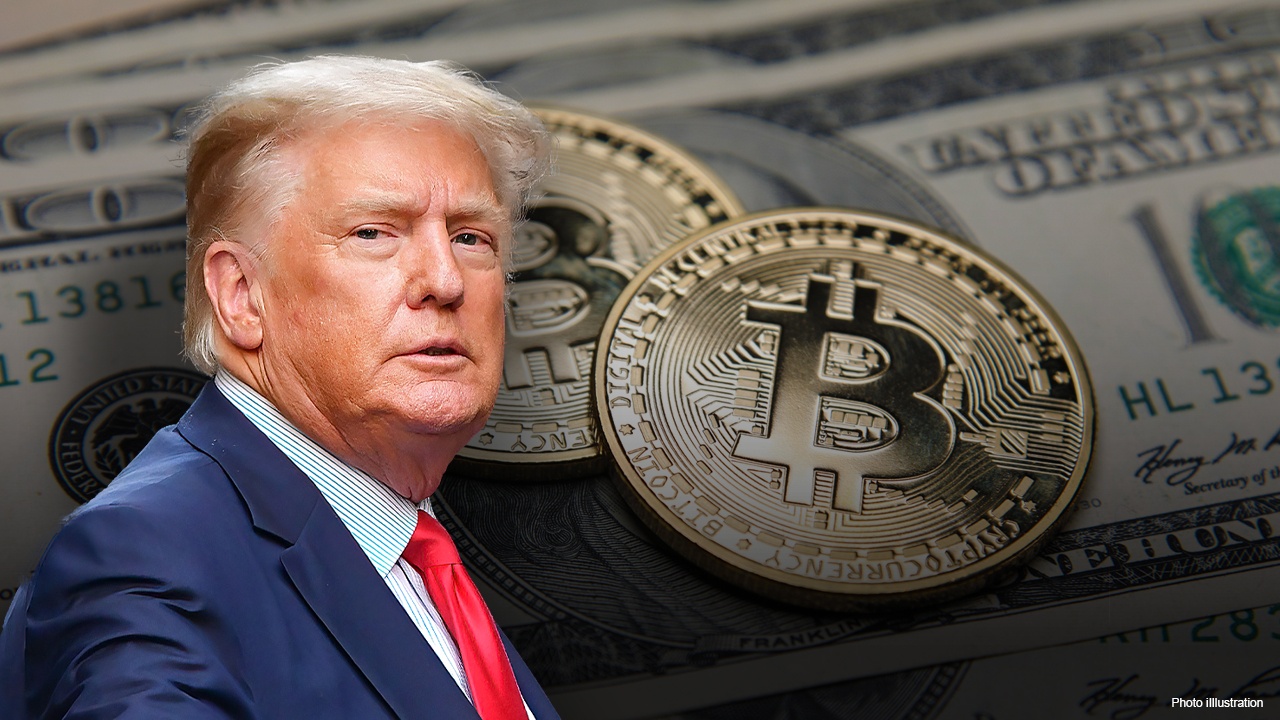
In March 2025, U.S. President Donald Trump signed an executive order creating a Strategic Bitcoin Reserve. According to various estimates, the federal government controls about 328,000 BTC, making it the largest state-held cryptocurrency reserve in the world. For now, the reserve is being formed primarily from confiscated assets, although the administration is exploring “budget-neutral” ways to expand it. Some states have already taken independent steps. Texas, for example, acquired a stake in BlackRock’s Bitcoin ETF, while New Hampshire approved the first municipal bond issuance backed by cryptocurrency.
 foxbusiness.com
El Salvador remains the most prominent symbol of sovereign adoption of Bitcoin. Although the country removed Bitcoin’s status as legal tender in early 2025 under pressure from the International Monetary Fund, the government of President Nayib Bukele continues its strategy of purchasing one BTC per day. By early 2026, the country’s reserves had reached approximately 7,500 BTC, worth more than $635 million. The IMF, which had previously criticized El Salvador’s crypto policy, later acknowledged that the country’s economy grew by around 4%, exceeding earlier forecasts.
Banks: From Skepticism to Crypto Infrastructure
Traditional financial institutions have made a dramatic shift over the past year. Among the market leaders, JPMorgan Chase is preparing to launch cryptocurrency trading services for institutional clients and is developing lending products backed by Bitcoin and Ethereum. Goldman Sachs has relaunched its cryptocurrency trading desk, offering derivatives to hedge funds. Meanwhile, Bank of New York Mellon has introduced custody services for digital assets.

Europe is seeing similar momentum. Deutsche Bank plans to enter the crypto custody market in 2026 using technology from the exchange Bitpanda and Swiss company Taurus. Germany’s Sparkassen savings bank network intends to open Bitcoin and Ethereum trading to its 50 million customers. At the same time, twelve major European banks - including BNP Paribas, ING, and UniCredit - have formed a joint venture called Qivalis to issue a euro-backed stablecoin.
Regulatory Foundations
The institutional entry of banks into the crypto market is supported by a new regulatory framework. In the European Union, the MiCA regulation has come into force - the world’s first comprehensive law governing crypto assets. By July 1, 2026, all crypto service providers operating in the EU must obtain a license. Authorization in one EU country grants access to all 27 member states.

In the United States, the GENIUS Act was signed into law in July 2025, creating the first federal regulatory framework for stablecoins. The legislation establishes requirements for reserves, auditing, and financial transparency. The U.S. Office of the Comptroller of the Currency has also issued conditional banking licenses to major crypto companies including BitGo, Circle, Paxos, Ripple, and Fidelity Digital Assets.
Kazakhstan: A Bet on Digital Financial Sovereignty
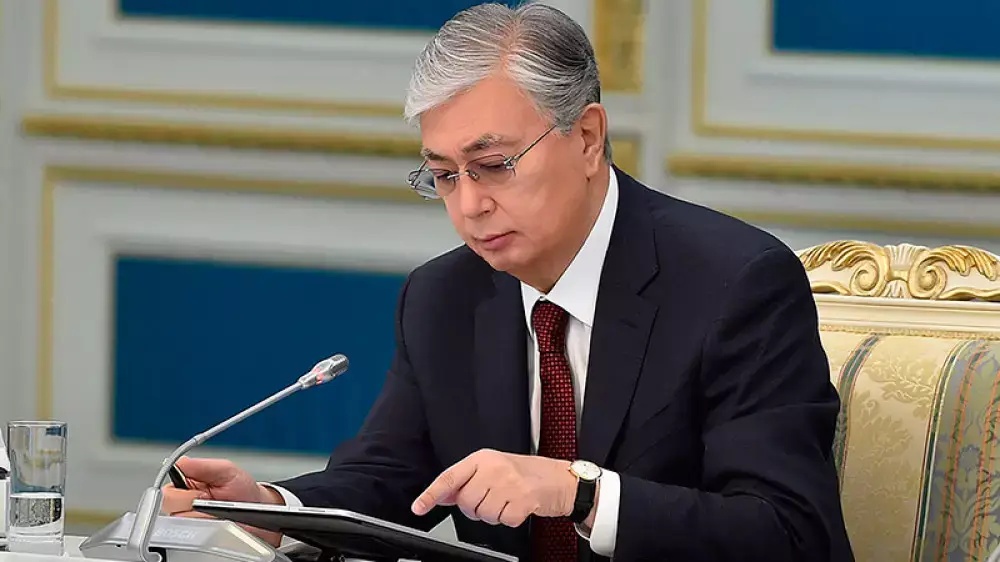
Kazakhstan is developing one of the most ambitious cryptocurrency strategies in Central Asia. In November 2025, President Kassym-Jomart Tokayev signed legislation simplifying mining regulations and, for the first time, legalizing the full circulation of digital assets and the operation of licensed cryptocurrency exchanges. The president also instructed authorities to establish a state digital asset fund under the National Bank’s investment corporation to build a strategic crypto reserve.
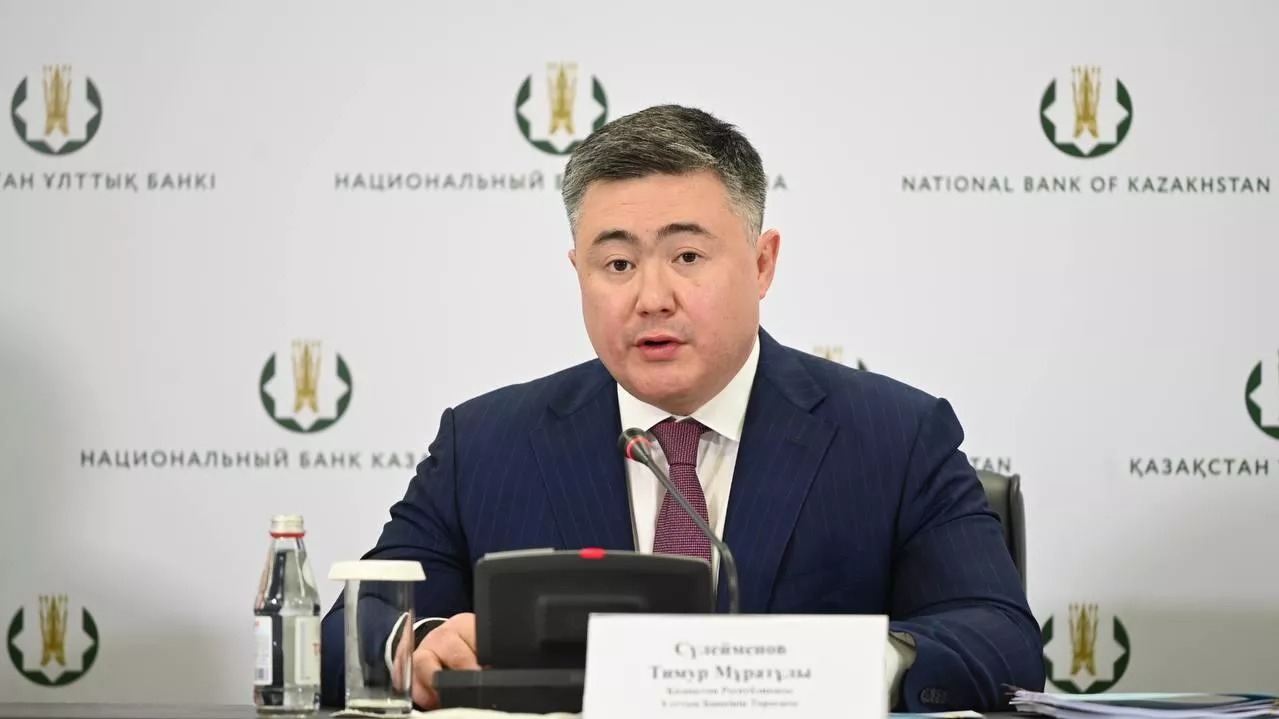
According to National Bank Governor Timur Suleimenov, around $350 million from Kazakhstan’s foreign exchange reserves and another $350 million from the National Fund may be allocated in April-May 2026 to cryptocurrencies and related instruments. These may include shares of high-tech companies, exchange-traded funds, and digital financial assets. Confiscated crypto assets transferred into state ownership may also become a source of funding.
 © Sputnik / Sanat Imangaliev
At the same time, the digital tenge project continues to move forward. The National Payment Corporation launched the CBDC platform in 2023, integrating it with Visa and Mastercard. By early 2026, the total issuance within pilot programs had reached 336.6 billion digital tenge (about $686 million). Starting this year, the government plans to gradually transition state budget payments to the digital tenge.

Against this backdrop, the launch of crypto services by Freedom Finance appears not merely as a commercial initiative by a single broker, but as part of a broader transformation in which fintech, public policy, and global digital finance trends converge at a single point.