
The Akmola Region is quietly turning into one of Kazakhstan’s most dynamic investment hubs — and officials say this is just the beginning, DKNews.kz reports.
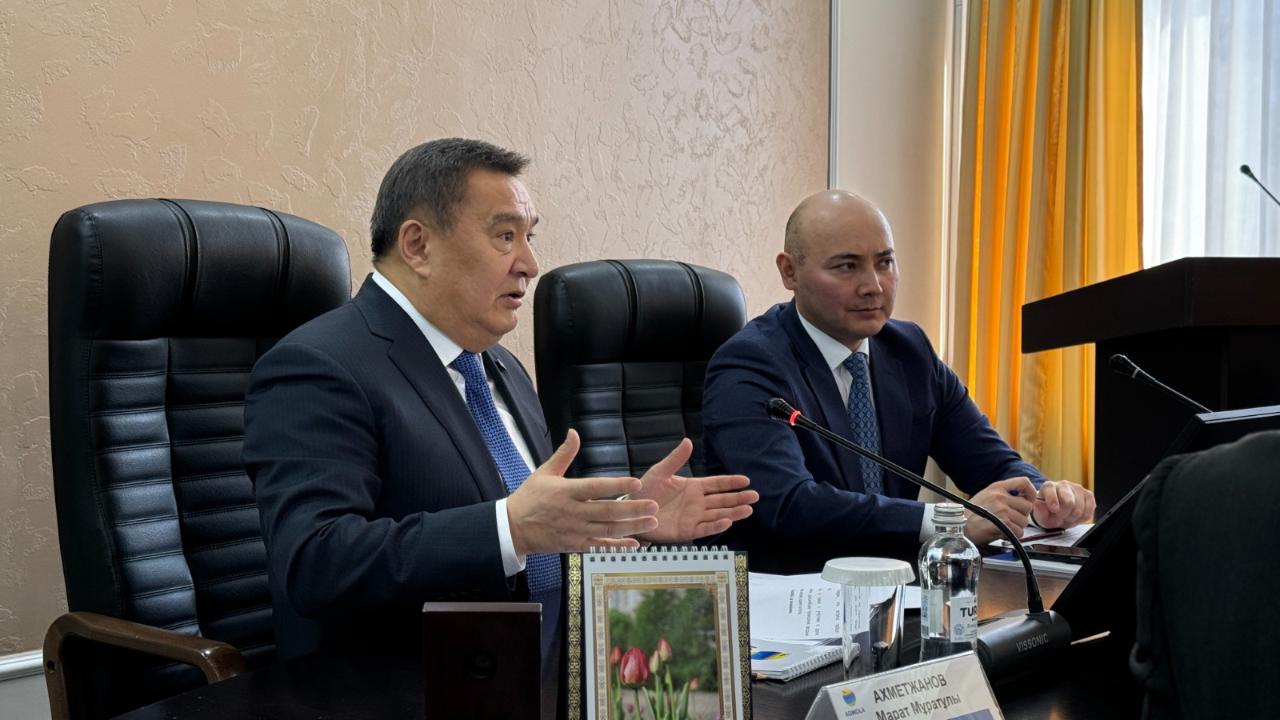
At a recent meeting of the Regional Investment Headquarters, held by the Akimat of Akmola Region, government leaders and business representatives gathered to map out the region’s next economic leap. Among them was Deputy Minister of Foreign Affairs Alibek Kuantyrov, who delivered a clear message: Akmola is gaining momentum — fast.
A Region on the Rise
According to Kuantyrov, investment in fixed capital in the region reached 926.9 billion tenge by the end of 2025 — a 1.5-fold increase year-on-year. That puts Akmola at the top among Kazakhstan’s regions in terms of investment growth.
But beyond the numbers lies something more important: confidence.
The Regional Investment Headquarters is not just another bureaucratic body. It functions as a working platform where businesses can speak directly with the government — cutting through red tape and accelerating project implementation. In a country where investor trust often defines success, that kind of direct dialogue matters.
Where the Money Is Going
The discussion at the meeting wasn’t abstract. Officials outlined specific sectors where Akmola is positioning itself as a magnet for investment:
- Agricultural processing — building value beyond raw exports
- Food production — strengthening domestic supply chains
- Logistics — leveraging the region’s strategic location
- Construction materials — supporting infrastructure growth
- Tourism — an increasingly important, yet underdeveloped asset
Tourism, in particular, stood out. With its lakes, forests, and proximity to Astana, Akmola has long been overlooked. Now, officials want to turn natural beauty into economic opportunity.
From Plans to Real Projects
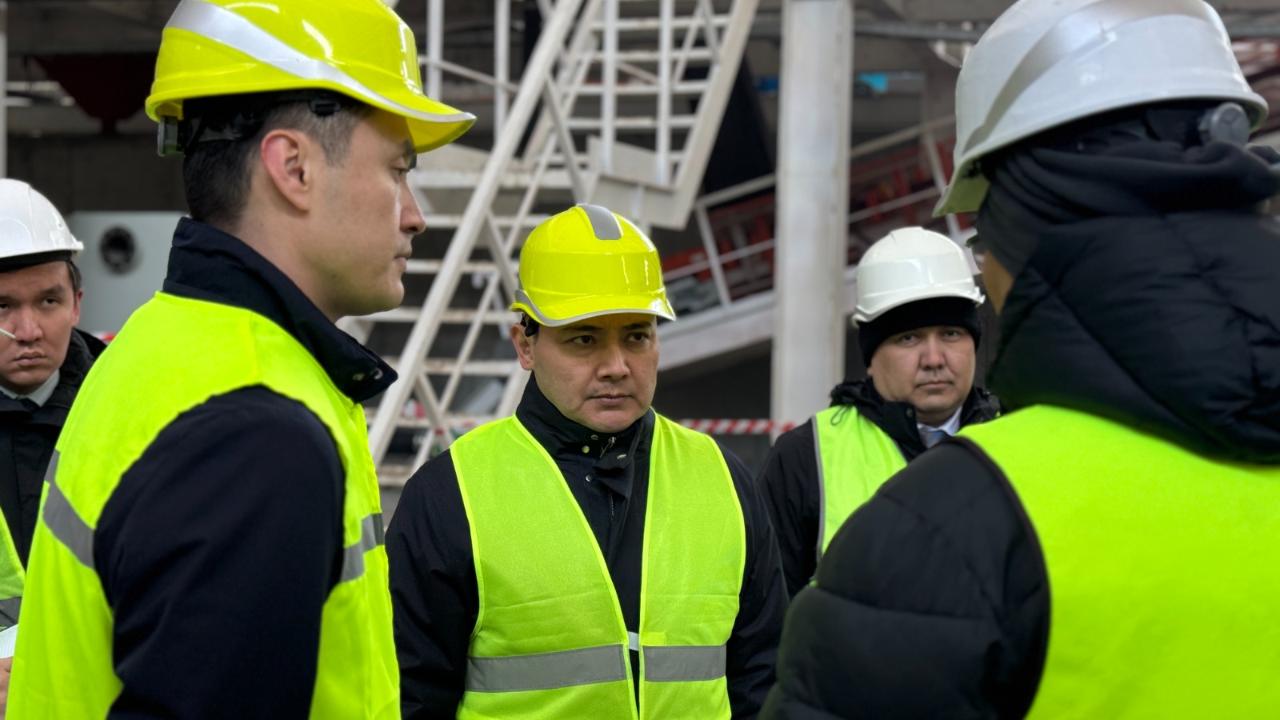
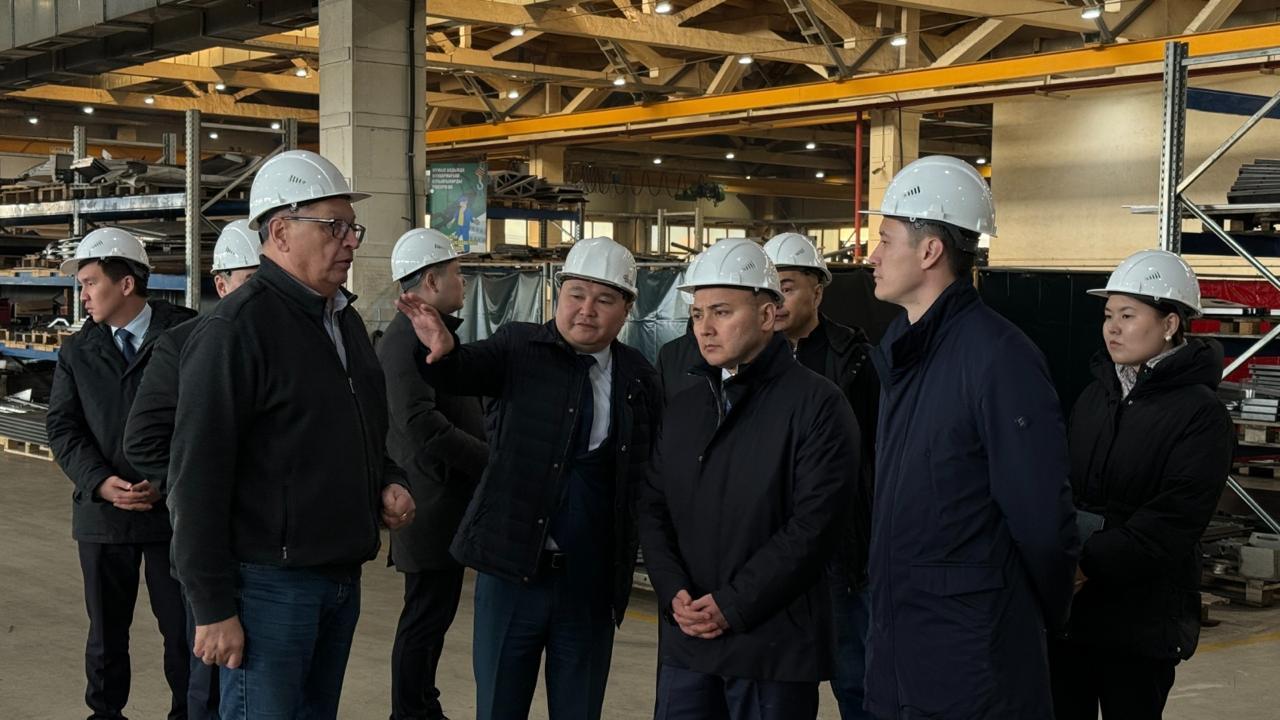
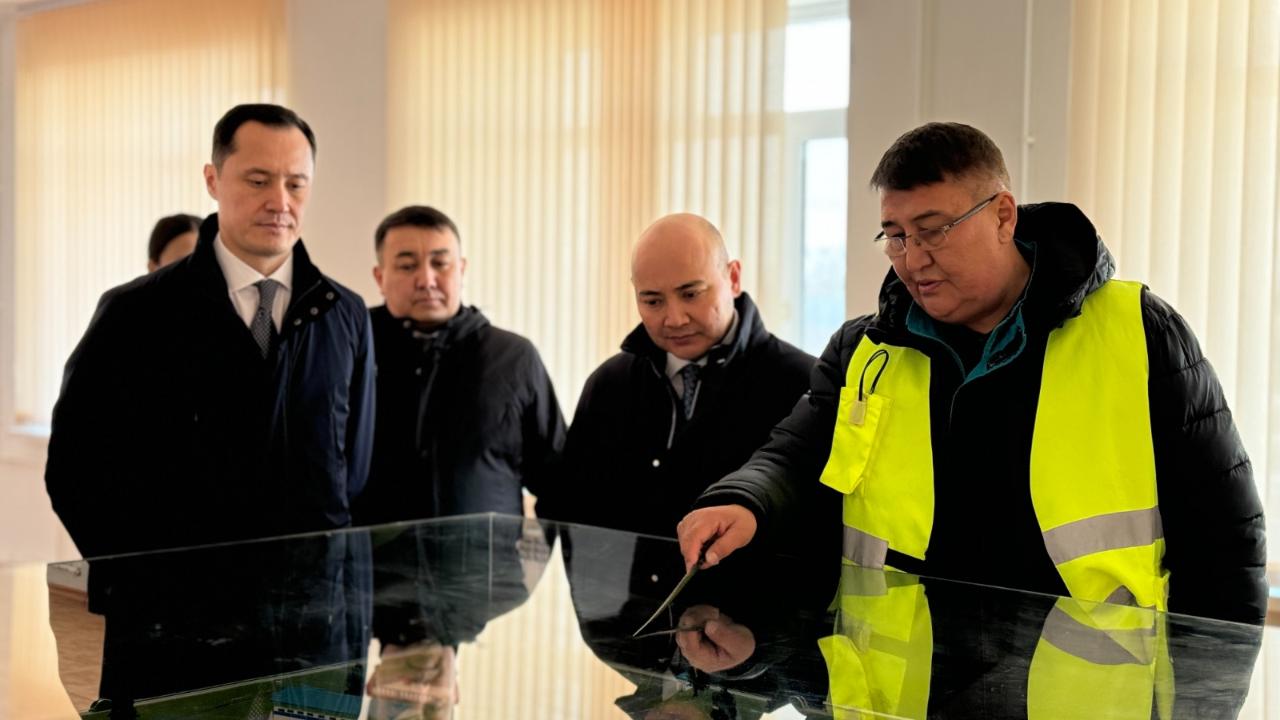
The Deputy Minister didn’t just attend meetings — he visited key industrial projects that show where the region is headed.
Kazrost Engineering, a major agricultural machinery manufacturer, is expanding aggressively. The company plans to invest in new metalworking equipment to produce its own line of reapers (ZhVU-9) and broaden its tractor and combine range. It has also launched a new branch, Mekhanika KZ, focused on spare parts. Expected revenue? Around 1.4 billion tenge.
Then there’s Qazaq Kaolin LLP, which is developing a large-scale mining and processing plant based on the Alekseevsky deposit. With a capacity of 80,000–100,000 tons per year and a project value of 12.5 billion tenge, the plant aims to supply kaolin — a critical material used in paper, ceramics, paints, rubber, and even the oil and gas sector — both domestically and abroad.
Meanwhile, in Kokshetau, KirZavod LLP is preparing to build a major brick factory capable of producing 60 million bricks annually. The investment: 13.7 billion tenge. It’s a signal that construction demand — and urban growth — are expected to accelerate.
More Than Just Numbers
Behind these projects is a broader strategy: diversification.
Kazakhstan’s economy has long relied heavily on raw materials. But regions like Akmola are now trying to move up the value chain — processing resources, building manufacturing capacity, and creating jobs locally.
During his meeting with Akim Marat Akhmetzhanov, Kuantyrov emphasized the importance of supporting investors not just at the entry stage, but throughout the lifecycle of their projects. That includes infrastructure, administrative support, and long-term policy stability.
Why It Matters
For investors, Akmola offers something rare:
- Rapid growth
- Government backing
- Untapped sectors
- Strategic location near the capital
For Kazakhstan, it’s part of a bigger picture — building a more resilient, diversified economy that can compete globally.
And for locals, it could mean something even more tangible: new jobs, new industries, and a region that’s no longer in the shadow of larger economic centers.
Akmola isn’t just growing — it’s redefining its role in Kazakhstan’s economic future.