

Far from the steppes of Central Asia, in the humid and bustling capital of Indonesia, Kazakhstan’s political transformation became the center of attention, DKNews.kz reports.
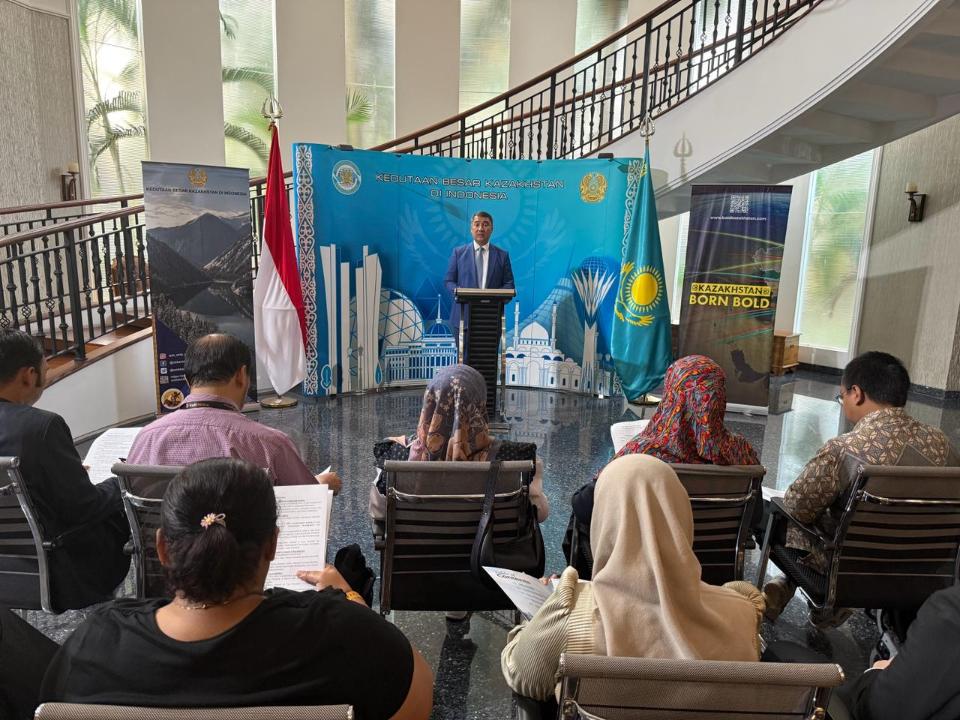
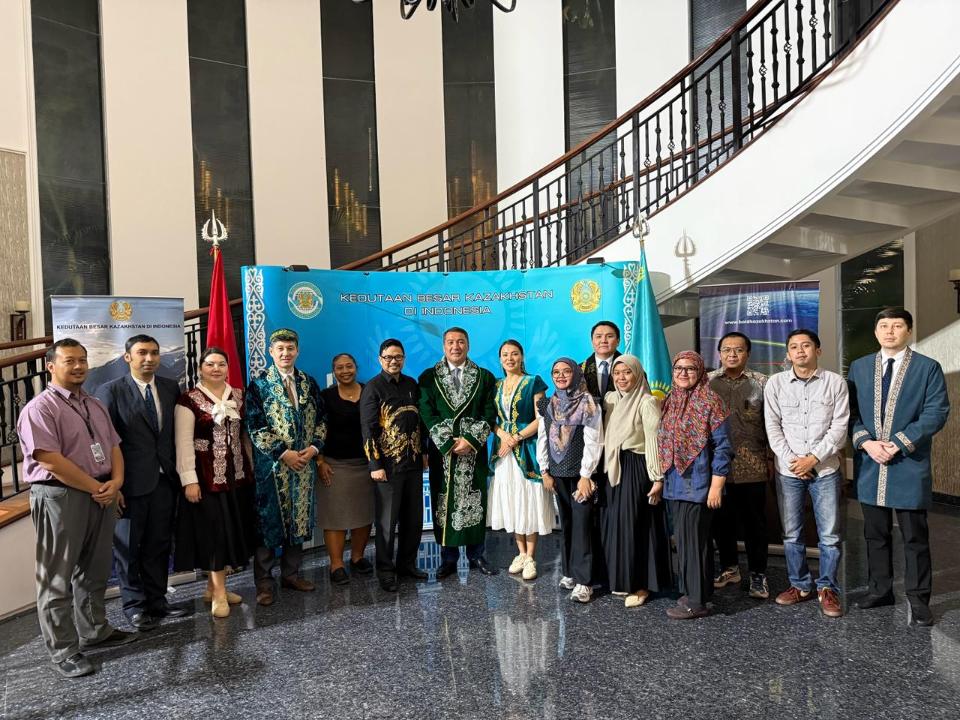
At a press conference hosted by the Embassy of Kazakhstan in Jakarta, diplomats, officials, and journalists gathered to discuss the results of the national referendum on the country’s new Constitution, held on March 15, 2026. But what unfolded was more than a formal briefing — it was a window into a nation redefining itself.
A Constitution as a “Living Social Contract”
Kazakhstan’s Ambassador to Indonesia, Serzhan Abdykarimov, didn’t just present statistics or legal amendments. Instead, he framed the new Constitution as something deeper — a progressive social contract between the state and its people.
According to him, this updated Basic Law is not merely a legal document. It reflects a broader ambition: to shape a renewed national identity while reinforcing unity in a rapidly changing world.
This is a crucial point. In many countries, constitutional reforms are often seen as technical or political exercises. Kazakhstan, however, is positioning its reform as something symbolic — a statement about who the nation is becoming.
What’s Actually Changing?
While the Ambassador highlighted the “positive results” of the referendum, the real story lies in the direction of the reforms.
The new Constitution emphasizes:
- Democratic development — strengthening institutions and public participation
- Human rights protection — aligning with global standards
- Sustainable development — reflecting long-term economic and environmental goals
- Integration into global civilization — a phrase that signals Kazakhstan’s outward-looking vision
In simple terms, Kazakhstan is trying to balance tradition with modernization — not abandoning its identity, but evolving it.
Why Jakarta?
At first glance, discussing Kazakhstan’s Constitution in Indonesia might seem unusual. But it reflects something important: Kazakhstan wants its reforms to be understood globally, not just domestically.
Indonesia, as Southeast Asia’s largest democracy, offers a relevant audience — a country that has itself undergone significant political transformation in recent decades.
By presenting its reforms abroad, Kazakhstan is also shaping its international image: a state that is open, reform-driven, and engaged with the world.
Culture Meets Politics
Interestingly, the event didn’t end with policy discussions.
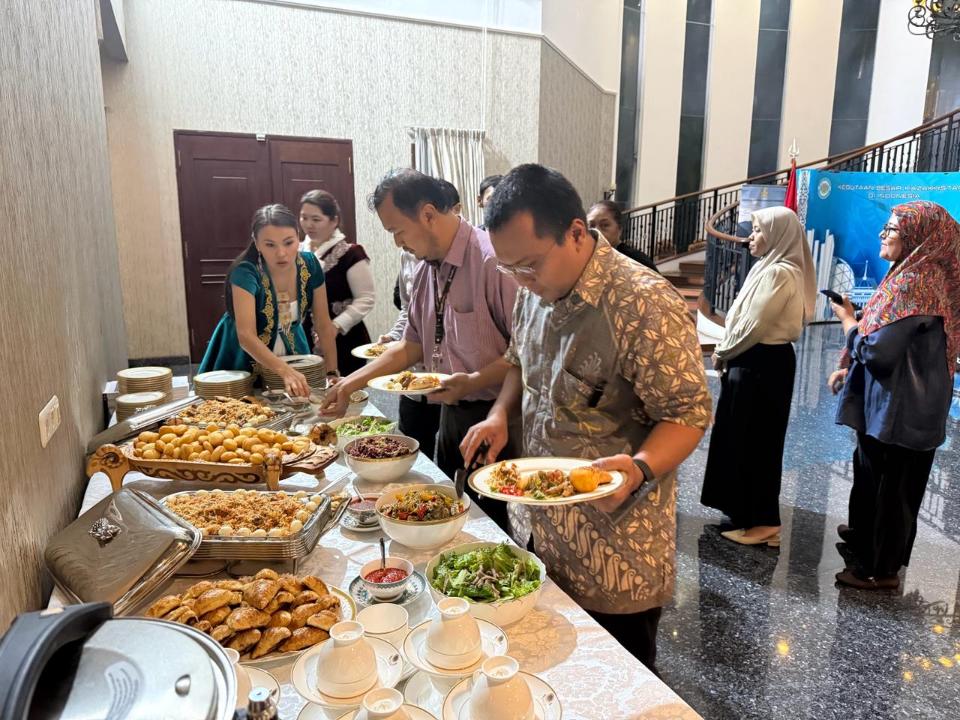
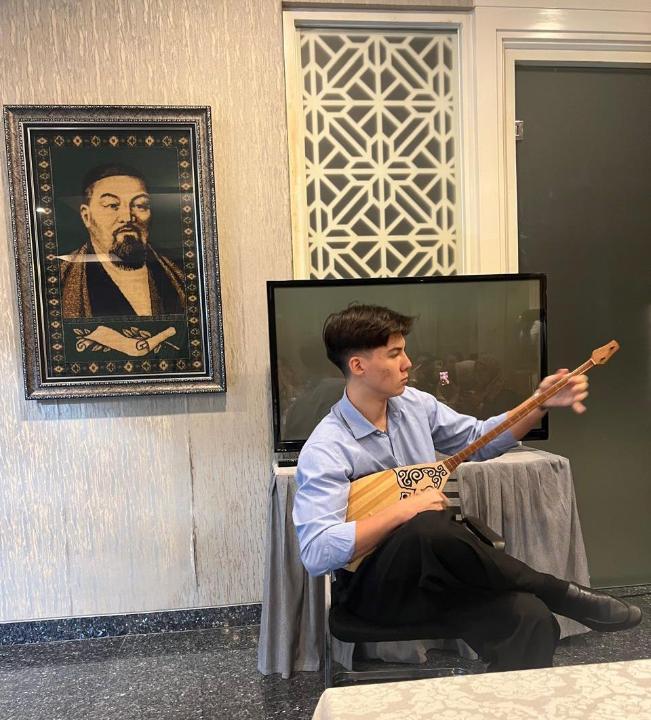
Guests were introduced to Nauryz Meyramy, Kazakhstan’s ancient spring festival marking renewal and the equinox. Through music played on the dombra and a cultural presentation, the Embassy blended politics with tradition.
This wasn’t accidental.
It subtly reinforced the message behind the Constitution itself: modernization doesn’t mean losing cultural roots. In Kazakhstan’s case, reform and heritage are meant to go hand in hand.
More Than a Vote
The Jakarta event showed that the referendum is being framed not just as a political milestone, but as part of a broader narrative.
Kazakhstan is telling a story — about renewal, identity, and its place in the world.
And whether one sees it as ambitious reform or strategic positioning, one thing is clear: the country wants that story to be heard far beyond its borders.