

At one of the world’s most influential energy forums — CERAWeek — Kazakhstan stepped forward not just as a participant, but as a country with a clear message: it intends to remain a stable pillar in an increasingly unpredictable global oil market, DKNews.kz reports.
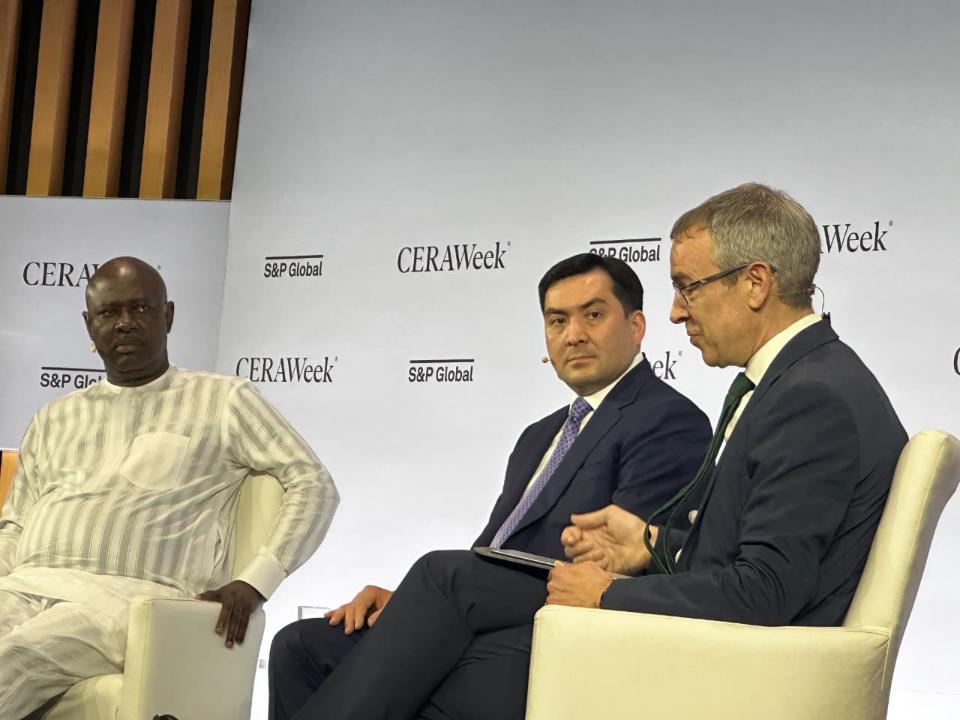
Speaking during the session on global oil dynamics, Energy Minister Yerlan Akkenzhenov outlined how the country is navigating a complex mix of geopolitical tension, shifting demand, and long-term energy transition pressures.
A Reliable Supplier in Uncertain Times
Kazakhstan’s pitch was simple — reliability.
While global energy markets continue to react to conflicts, sanctions, and supply chain disruptions, Kazakhstan is positioning itself as a steady and dependable exporter. The country produces tens of millions of tons of oil annually, much of which flows to international markets.
But behind that stability lies a critical vulnerability: infrastructure.
At the center of it all is the Caspian Pipeline Consortium (CPC) — the main artery through which Kazakhstan exports the bulk of its crude oil. Any disruption here doesn’t just affect shipments; it hits the national economy directly.
Akkenzhenov made it clear: ensuring uninterrupted CPC operations is not just a technical issue — it’s a strategic priority.
The Investment Question: Making Kazakhstan Attractive Again
Kazakhstan knows that maintaining output is only part of the equation. Expanding it requires capital — and competition for investment in the global energy sector is fierce.
To address this, the government is pushing forward with a new approach: the Enhanced Model Contract.
In simple terms, it’s a policy designed to make life easier — and more profitable — for investors. By offering tax incentives and more flexible terms, Kazakhstan hopes to unlock new exploration projects and boost hydrocarbon production.
For international oil companies, this could mean:
- Lower risks in early-stage exploration
- Better returns on large-scale projects
- A clearer regulatory framework
In a world where capital is increasingly selective, these changes could determine whether Kazakhstan remains a major player — or gets overshadowed by emerging producers.

The Big Shift: From Exporting Oil to Selling Value
Perhaps the most ambitious part of Kazakhstan’s plan is not about pumping more oil — but about doing more with it.
The country aims to double its oil refining capacity, a move that signals a shift from raw exports to higher-value petroleum products.
Why does this matter?
Because exporting crude oil is only part of the value chain. Refining it domestically means:
- More jobs inside the country
- Greater energy independence
- Higher margins from finished products
If successful, Kazakhstan could strengthen its position as a regional hub for fuels and petrochemicals across Central Asia — not just a supplier of raw materials.
Diplomacy Meets Energy
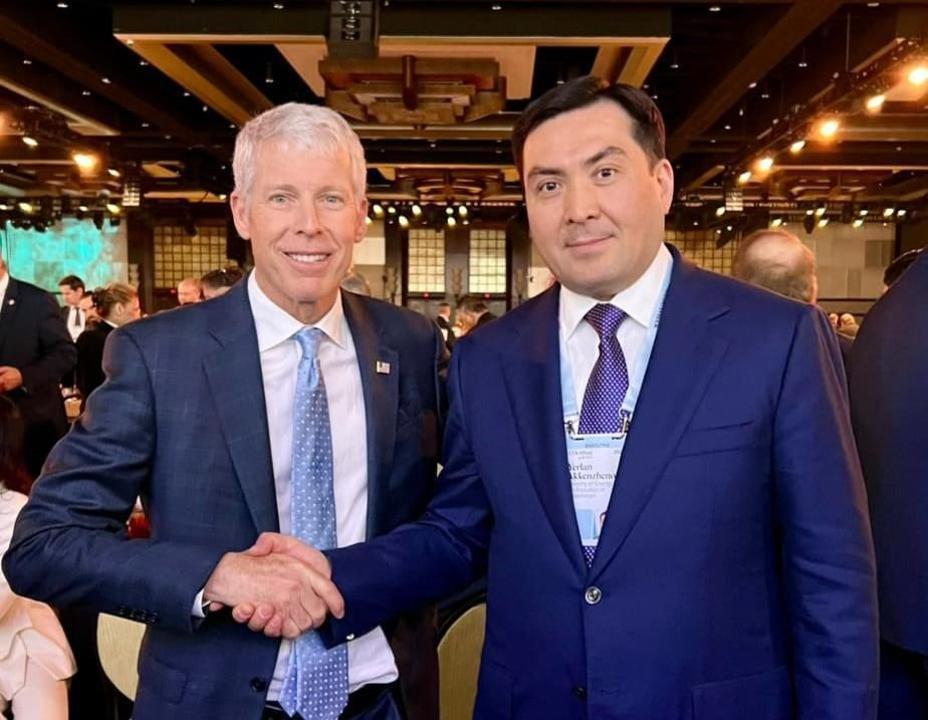
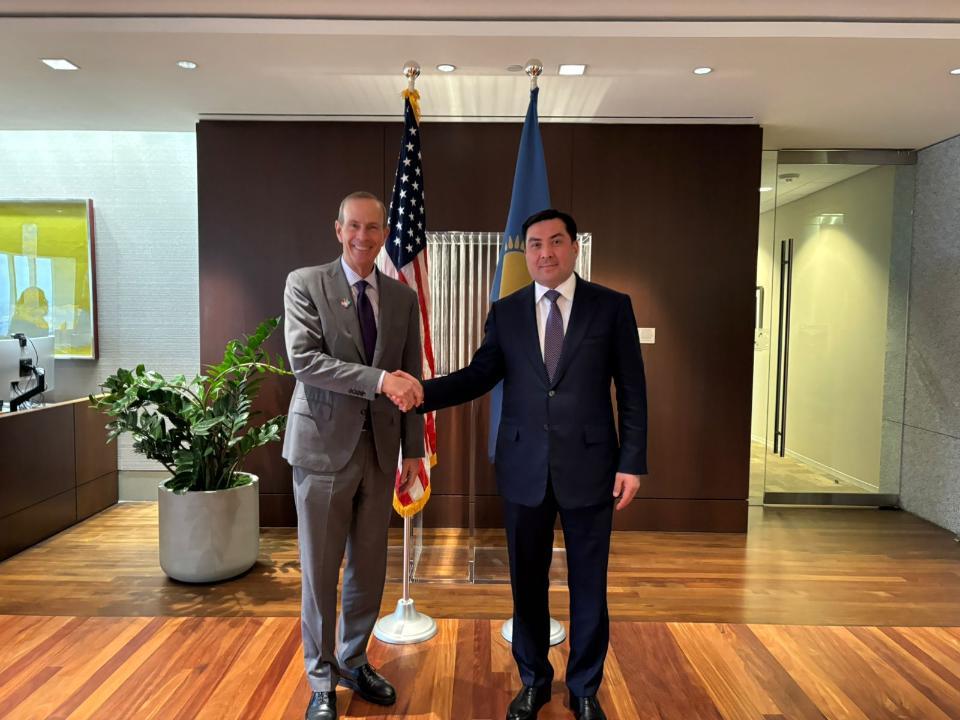
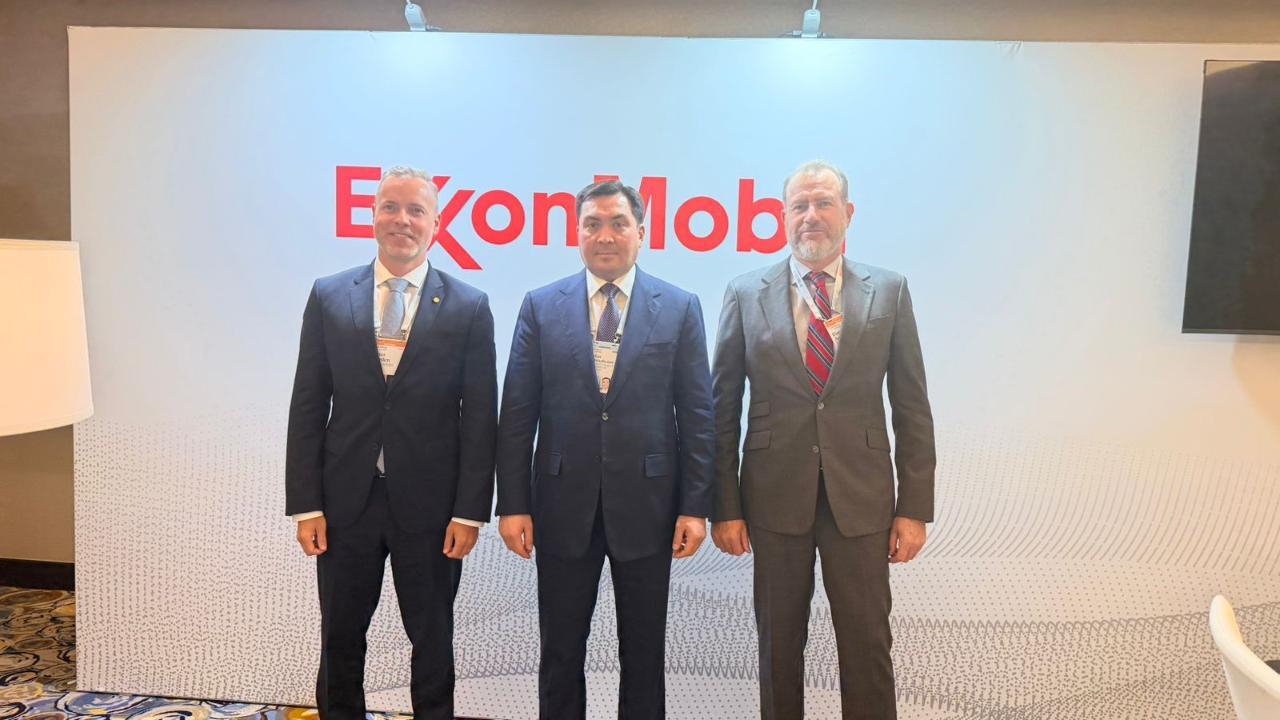
CERAWeek wasn’t just about speeches. On the sidelines, Akkenzhenov held talks with key global figures, including U.S. Energy Secretary Chris Wright and executives from major American oil companies.
These meetings signal something deeper: Kazakhstan is actively reinforcing its ties with global energy leaders, balancing between East and West while safeguarding its own economic interests.
What It All Means
Kazakhstan’s message at CERAWeek reflects a broader reality: the global energy landscape is changing, but oil still matters — and countries that can deliver it reliably, efficiently, and competitively will continue to play a central role.
For Kazakhstan, the strategy is becoming clearer:
- Protect critical export routes
- Attract fresh investment
- Move up the value chain
It’s not just about surviving the turbulence — it’s about turning it into an opportunity.
And if these plans materialize, Kazakhstan may not just remain a key energy supplier — it could redefine its role in the region’s energy future.