

In a world where geopolitical alliances are constantly shifting, Kazakhstan and Jordan are quietly strengthening a partnership that could carry weight far beyond their regions, DKNews.kz reports.
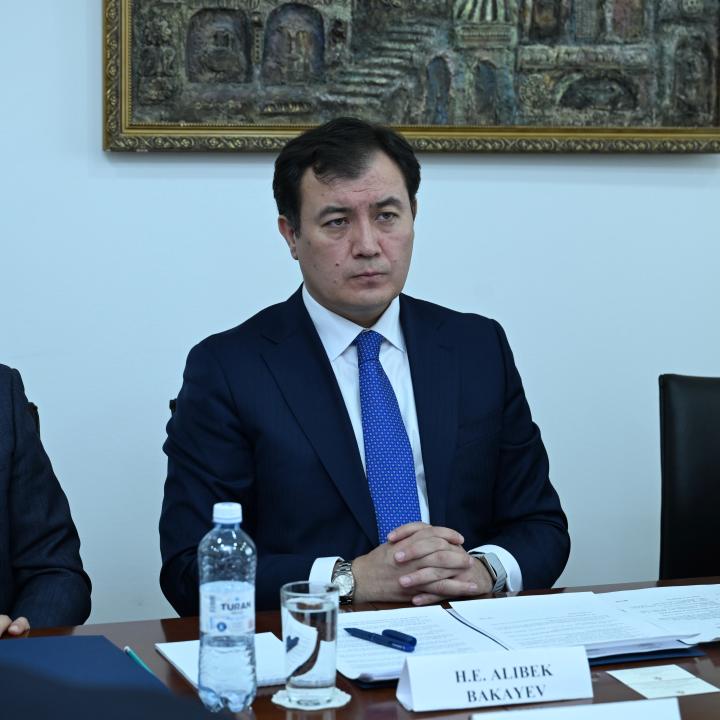
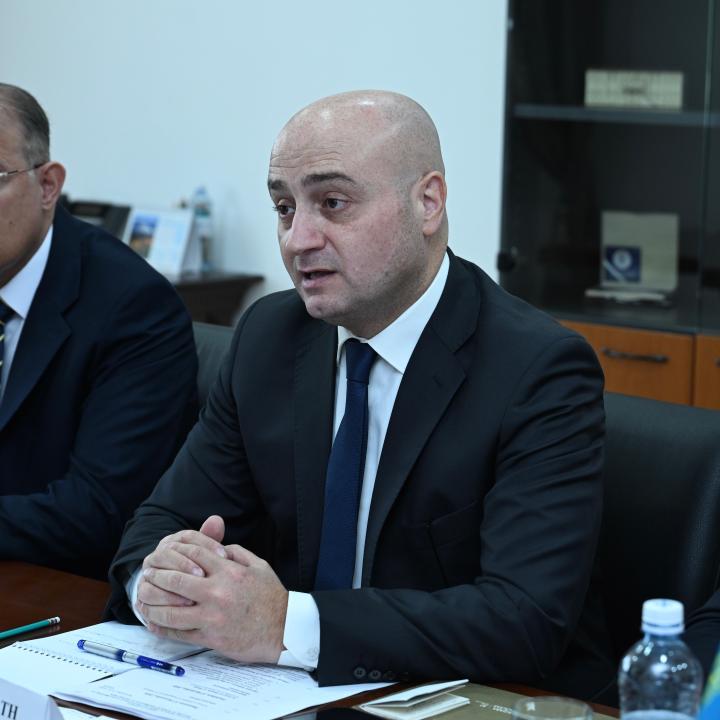
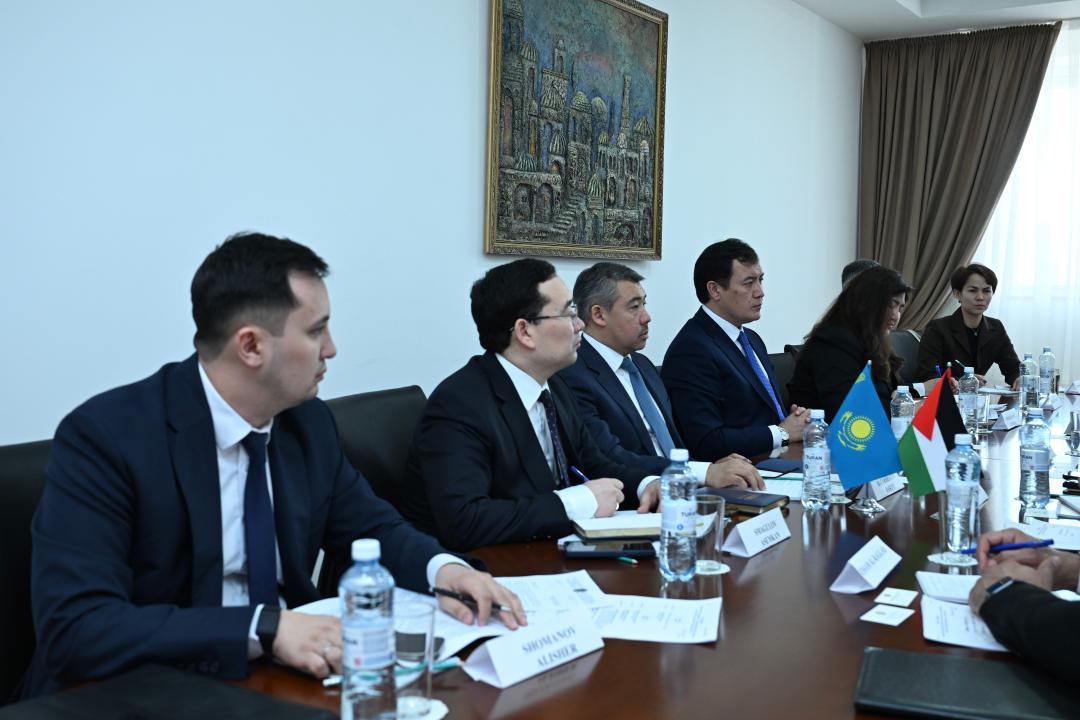
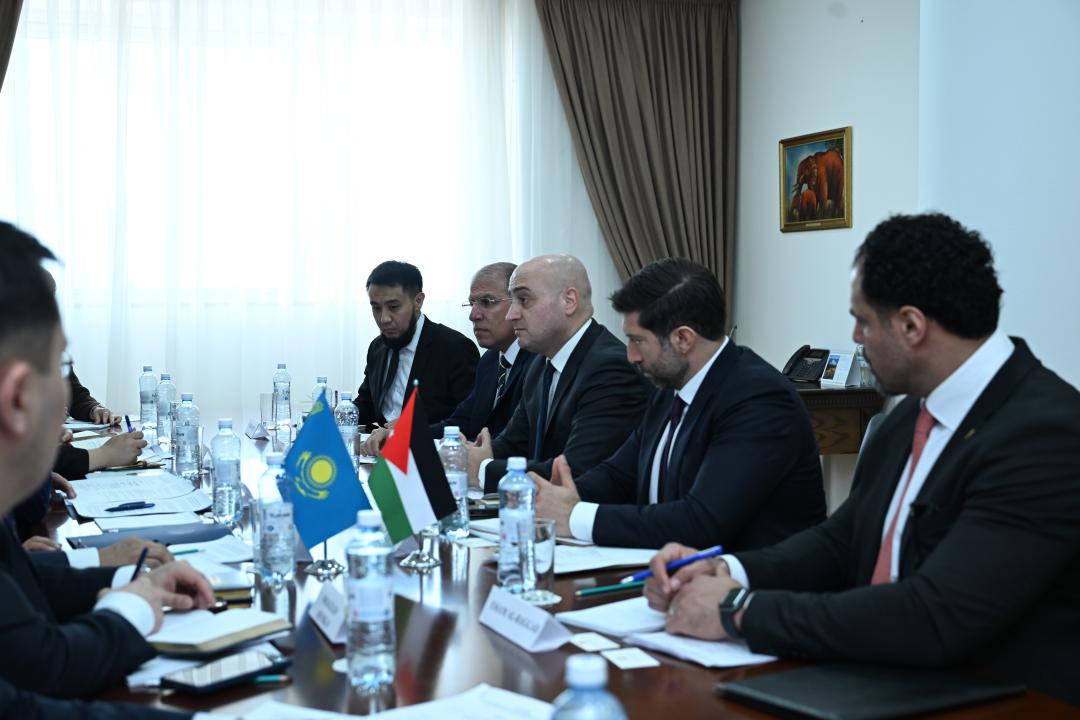
A recent meeting between Alibek Bakayev, Deputy Minister of Foreign Affairs of Kazakhstan, and Moath AlZoubi, Director of the Political Department of the Royal Hashemite Court, signals a renewed push toward deeper, more dynamic cooperation.
A Dialogue Beyond Formalities
At first glance, the meeting may seem like routine diplomacy. But behind the formal language lies a broader ambition: to transform bilateral relations into a multifaceted partnership.
Both sides discussed expanding cooperation across political, economic, and security dimensions. Importantly, they also aligned on upcoming high-level engagements — a sign that this dialogue is not a one-off, but part of a sustained diplomatic strategy.
Kazakhstan, positioned as Central Asia’s largest economy, has been actively diversifying its international partnerships. Jordan, meanwhile, plays a key stabilizing role in the Middle East. Together, they represent a bridge between two strategically important regions.
Why the Aqaba Process Matters
A key highlight of the discussion was Kazakhstan’s participation in the Aqaba Process meeting held in Rome in October 2025.
For those unfamiliar, the Aqaba Process is a global platform focused on counterterrorism and security cooperation. Initiated by Jordan, it brings together countries from different regions to address shared threats.
Kazakhstan’s involvement here is significant.
It shows that Astana is not only interested in economic diplomacy but is also stepping into global security conversations — positioning itself as a responsible and active international player.
Bakayev’s public appreciation for the invitation underscores how valuable such platforms are for Kazakhstan’s foreign policy.
Hospitality, Symbolism, and Soft Power
Moath AlZoubi’s response — thanking Kazakhstan for its hospitality — might sound ceremonial, but in diplomacy, such gestures carry meaning.
Hospitality often reflects trust. And trust is the foundation for deeper cooperation.
Jordan’s willingness to expand collaboration “on current issues” suggests openness to practical, results-driven engagement — whether in trade, security, or regional dialogue.
A Strategic Partnership in the Making?
So what does this all mean in the bigger picture?
Kazakhstan is increasingly positioning itself as a connector between East and West, Central Asia and the Middle East. Strengthening ties with Jordan fits neatly into this strategy.
For Jordan, partnerships with stable, resource-rich countries like Kazakhstan offer economic opportunities and broader geopolitical reach.
While no major agreements were announced, this meeting signals momentum — the kind that often precedes more concrete deals.
Why It Matters Now
In an era marked by global uncertainty, countries are looking beyond traditional alliances.
Kazakhstan and Jordan may not be headline rivals or superpowers, but their growing cooperation reflects a larger trend: mid-sized states building flexible, pragmatic partnerships to navigate a complex world.
And if this trajectory continues, today’s diplomatic meeting could become tomorrow’s strategic alliance.