
Astana has turned its gaze skyward once again.
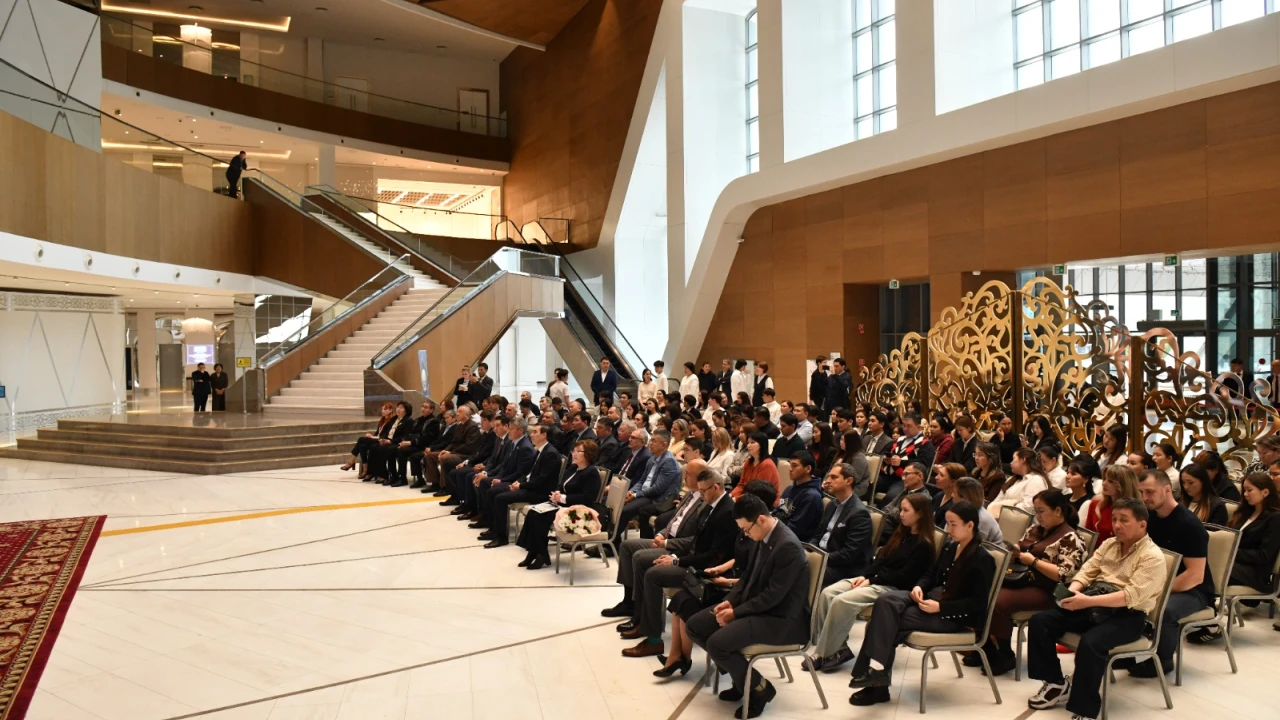
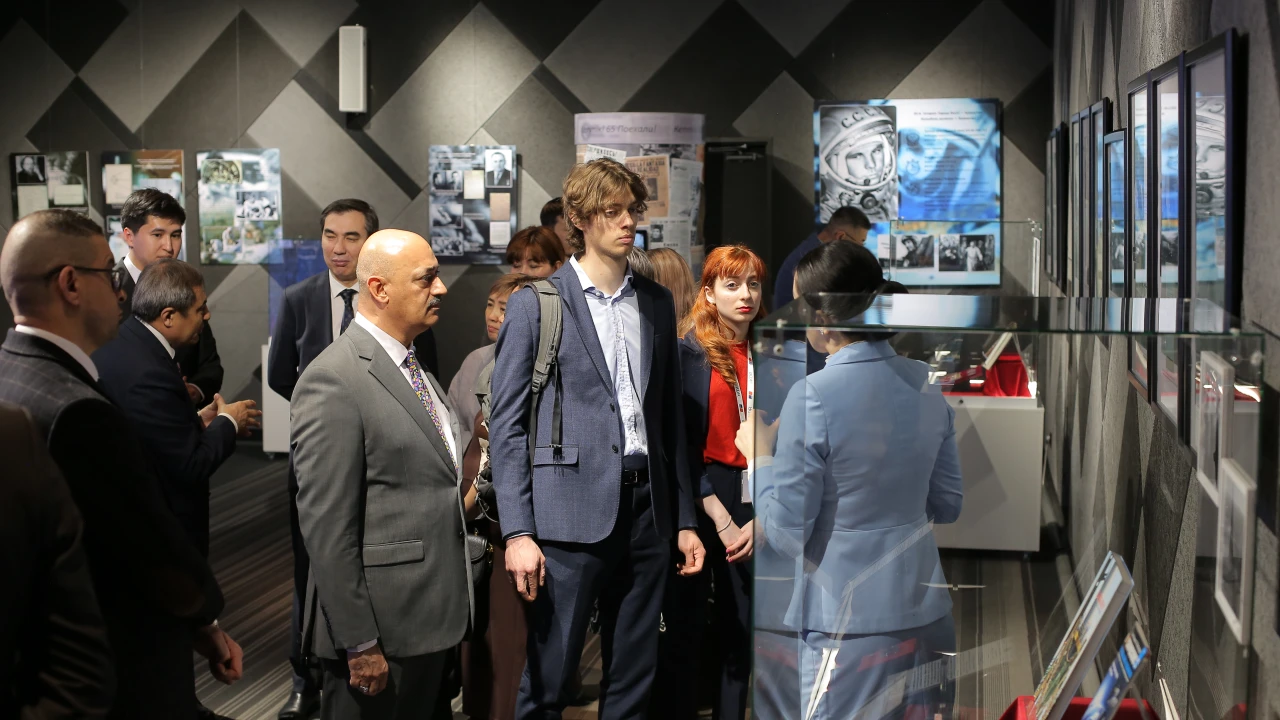
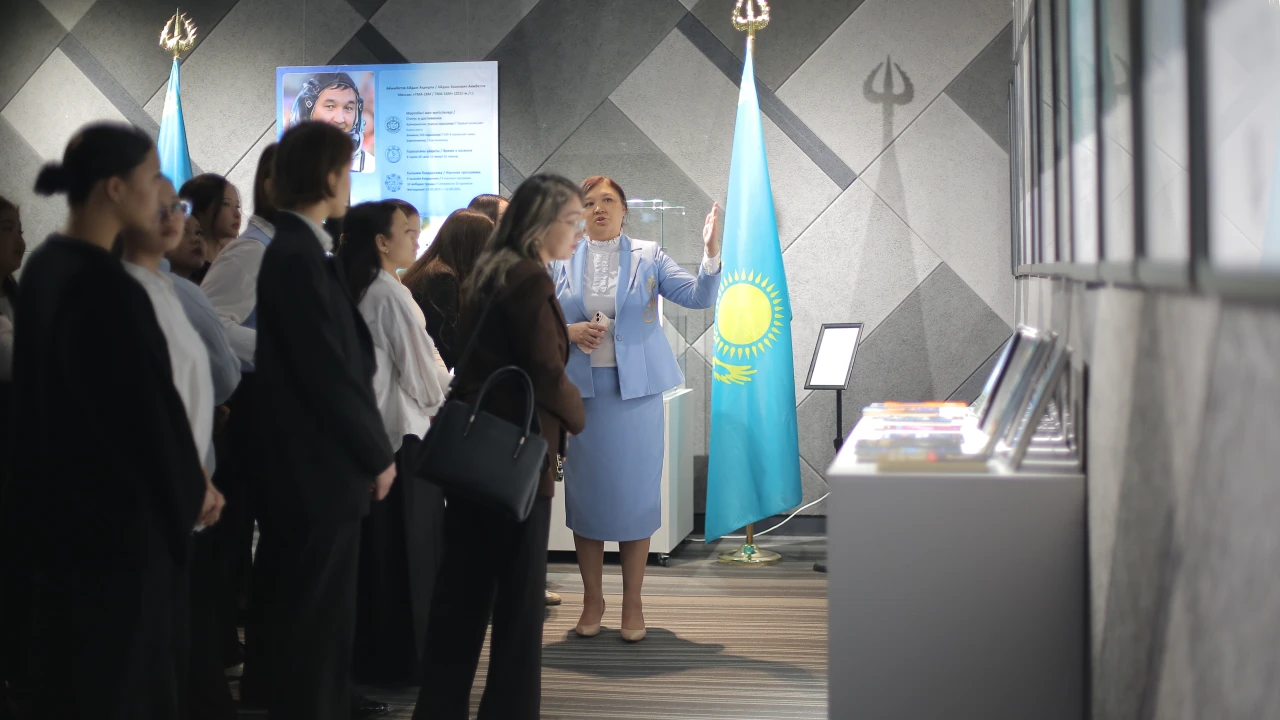
A new exhibition titled “Let’s Go! 65 Years Ago…” has opened at the Presidential Center of Kazakhstan, marking the anniversary of one of humanity’s most defining moments — the first human journey into space, DKNews.kz reports.
But this is not just a story about the past. It’s about Kazakhstan’s place in that history — and its ambitions for the future.

From Baikonur to the Universe
On April 12, 1961, a young Soviet pilot named Yuri Gagarin uttered the now legendary phrase: “Let’s go!” — and changed the world forever. His spacecraft lifted off from Baikonur, a site that lies on Kazakh soil, making the country an inseparable part of the dawn of the space age.
That connection is at the heart of the exhibition.
Visitors are taken on a journey that begins with that first daring leap into orbit and stretches all the way to modern-day Kazakhstan, where satellites orbit Earth and space technology quietly powers everyday life — from communications to agriculture.
More Than Just History
The exhibition is divided into two symbolic sections.
The first, “The First Step into Boundless Space,” revisits the awe and uncertainty of Gagarin’s mission — a moment when humanity crossed an invisible boundary and discovered that space was no longer out of reach.
The second, “Kazakhstan and Space,” brings the story closer to home. It highlights the country’s own косmonauts and milestones — achievements that often remain underappreciated outside the region.
Together, the two parts tell a larger story: how a single flight sparked decades of innovation and how Kazakhstan evolved from a launch site into an active player in the global space industry.
The People Who Followed Gagarin
Kazakhstan’s space story didn’t end in 1961 — in many ways, it began there.
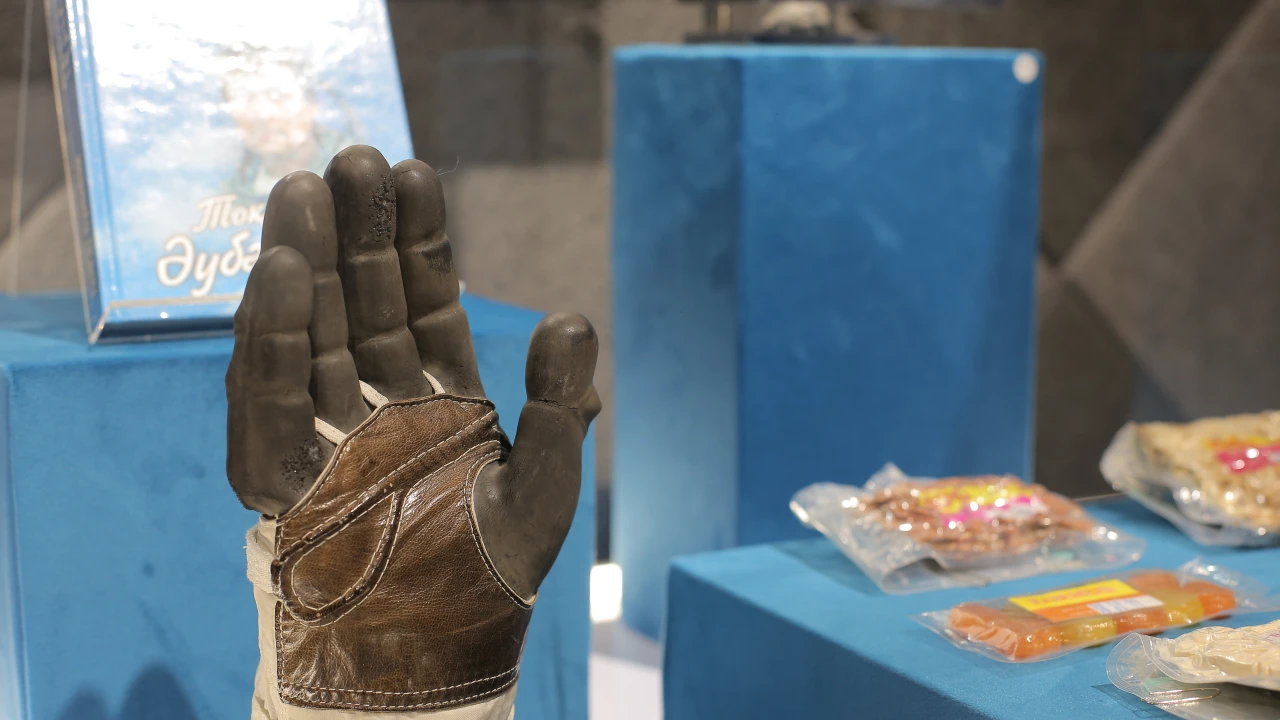
Just months before the collapse of the Soviet Union in 1991, Tokhtar Aubakirov became the first Kazakh cosmonaut to travel into space. His mission symbolized more than scientific achievement — it became a marker of national identity at a time of major political change.
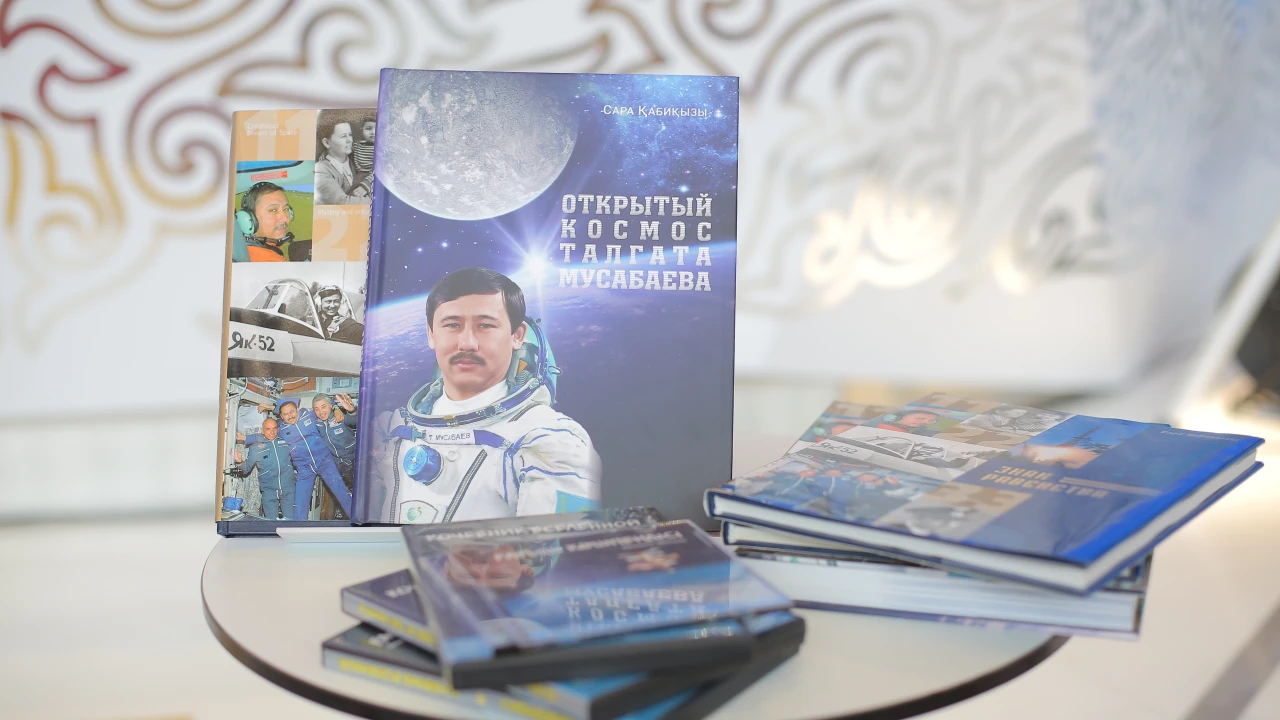
Later came Talgat Musabayev, who completed three space missions and even commanded a flight that carried the world’s first space tourist, American entrepreneur Dennis Tito. That moment — once considered science fiction — marked the beginning of a new era: space as a commercial frontier.
And in 2015, Aidyn Aimbetov continued the legacy, spending nearly ten days aboard the International Space Station.
Space Tourism and the Future
Interestingly, the exhibition also celebrates 25 years of space tourism, a concept that once sounded impossible.
Today, private companies are racing to make space travel accessible beyond professional astronauts. What began with Dennis Tito’s journey has now become a rapidly growing industry — one that Kazakhstan, with its historic Baikonur Cosmodrome, is uniquely positioned to be part of.
Baikonur: A Living Legend
Few places on Earth carry the weight of Baikonur.
Built in the 1950s, it was the launch site not only for Gagarin, but also for the world’s first satellite. Even today, it remains one of the most active косmodромs on the planet.
For many Kazakhs, Baikonur is more than infrastructure — it’s a symbol. A reminder that the vast степь once became the starting point for humanity’s greatest adventure.
As one exhibition participant, journalist Sara Nurgaliyeva, put it:
“These are not just pages of history. They are the voice of the Universe, resounding from the soil of Kazakhstan.”
Why It Still Matters
In a world driven by technology, space is no longer distant or abstract.
Satellites enable internet access, monitor crops, track climate change, and support national security. Kazakhstan’s own satellite network — including KazSat systems — plays a key role in connecting the country.
Today, more than 40 countries independently launch spacecraft, and over 130 benefit from space technologies. What began as a Cold War race has transformed into a global ecosystem.
A Moment to Reflect — and Look Ahead
The exhibition in Astana is not just about celebrating the past. It’s about understanding how one moment — one flight — reshaped the trajectory of humanity.
And for Kazakhstan, it’s a reminder of something deeper:
The space age didn’t just pass through its territory.
It started there.
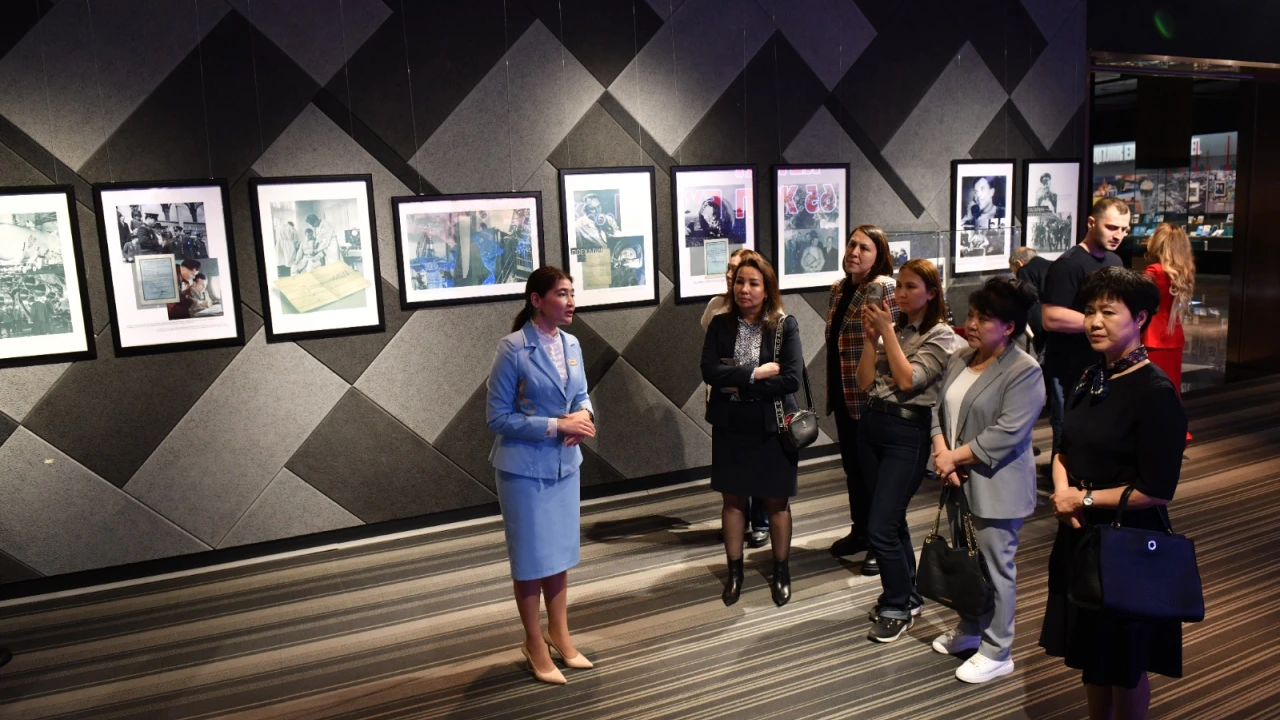
As visitors walk through archival photos, artifacts, and stories, one idea becomes clear — the journey to the stars is far from over.