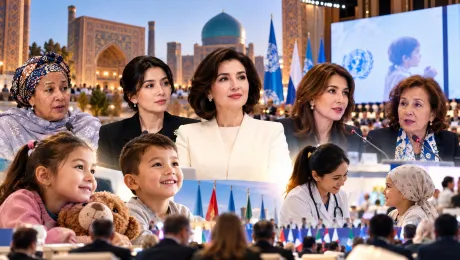

The ARCHICA 2026 congress in Tashkent highlighted a major shift in architectural thinking across Central Asia, DKNews.kz reports.
Where professional discussions once focused mainly on construction volume, square meters and delivery speed, new priorities are now emerging: climate resilience, urban identity, public space and the human side of city development.
The event suggests architecture in the region is moving beyond building fast toward building smarter.
Tashkent hosts first stage of ARCHICA 2026
The first stage of the international congress took place in Tashkent on April 6–7.
It brought together:
- architects
- developers
- researchers
- consultants
- urban planning institutions
Organizers included ARCHICA, NIPI Astanagenplan LLP, the Union of Architects of Uzbekistan, the Center of Urbanism of Astana, Habitat Academy and UN-Habitat.
The agenda focused not only on buildings, but on new rules for shaping cities.
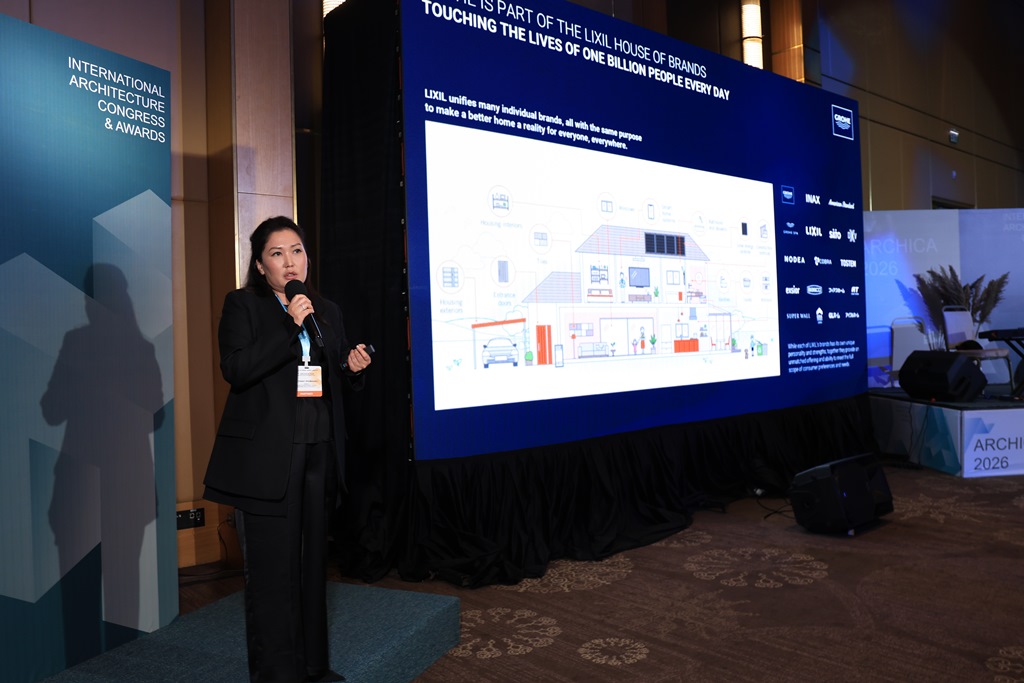
Identity and heritage return to the center of debate
One of the key themes was how Central Asian and Caucasus cities can grow while preserving cultural identity.
Participants discussed:
- integrating heritage into modern planning
- using local cultural codes in architecture
- strengthening international competitiveness
- improving quality of life through design
This reflects a wider global trend where cities increasingly compete not only through infrastructure, but through character and livability.
Climate pressure changes urban priorities
Experts noted that cities in the region face common pressures:
- rising temperatures
- rapid urban growth
- denser construction
- water stress
- pressure on public infrastructure
As a result, comfortable and humane spaces are no longer seen as luxury ideas, but practical necessities.
AI is changing architecture now
Technology became one of the strongest themes of the congress.
Rather than debating whether artificial intelligence will replace architects, speakers focused on how it is already transforming early design stages.
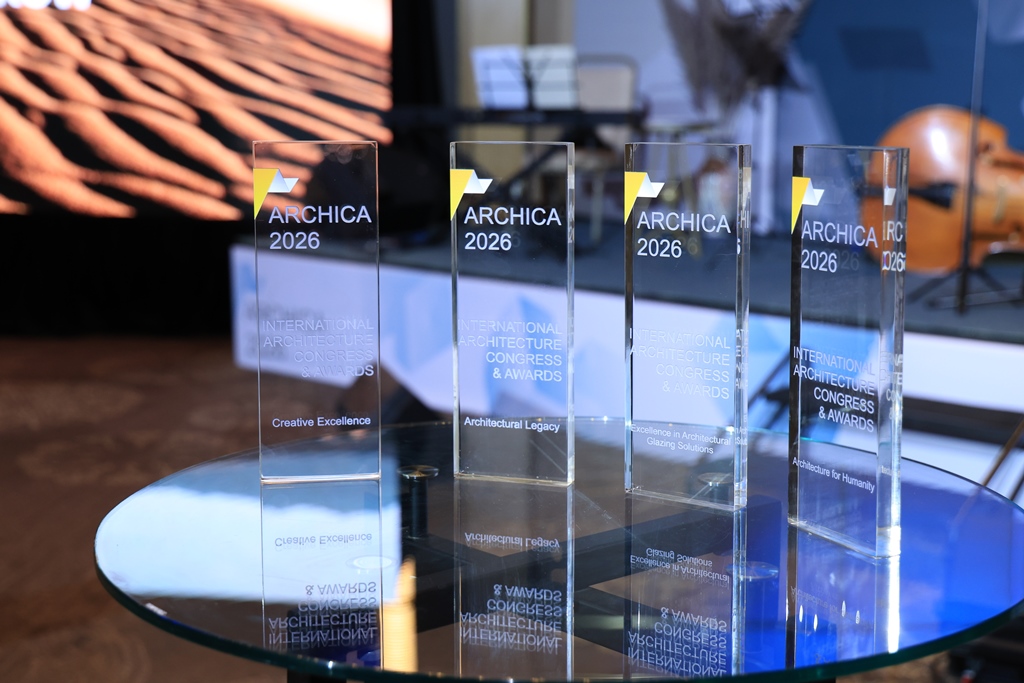
"Artificial intelligence gives us the ability to visualize a variety of layout options, building floorplans, and so on, present them to the client, and help them decide what the space should function as, what type of building is needed, and how many square meters they need," noted Antonio J. Bettencourt Henriques, Partner and Principal for Central Asia Market Entry & Execution at Saraiva + Associados (Portugal). He added that such meetings are also important because they allow architects to step outside their own professional routines and hear from colleagues who view the urban environment differently.
The message was clear: AI is becoming a practical tool, not a theoretical threat.
New generation of architects urged to stay curious
Sagdiyar Abbazov of Killa Design said modern professionals need more than traditional education.
According to him, architects must remain open to experimentation, accept mistakes and maintain constant curiosity in order to grow professionally.
This reflects how the profession is changing globally, where adaptability is becoming as valuable as technical skill.
Public space seen as social equalizer
Landscape architecture was also presented as critical urban infrastructure.
"When we design landscape spaces for the urban environment, we consider them a ‘civic equalizer’. Spaces must be high-quality, thoughtful, capable of facilitating hybrid environments, and, most importantly, enjoyable," emphasized Matthew Franz, co-founder of Frantz Slater Design Collective (UK).
The concept suggests parks, squares and outdoor areas can reduce inequality by giving everyone access to quality shared space.
Culture should begin at planning stage
Dr. Lesley Gray of Barker Langham argued that culture and heritage should be built into masterplans from the start, rather than added later.
Her position reflects growing recognition that successful cities are shaped not only by engineering, but also by memory, story and meaning.
Awards reflect changing values
The ARCHICA Awards ceremony in Tashkent continued the broader message of the congress.
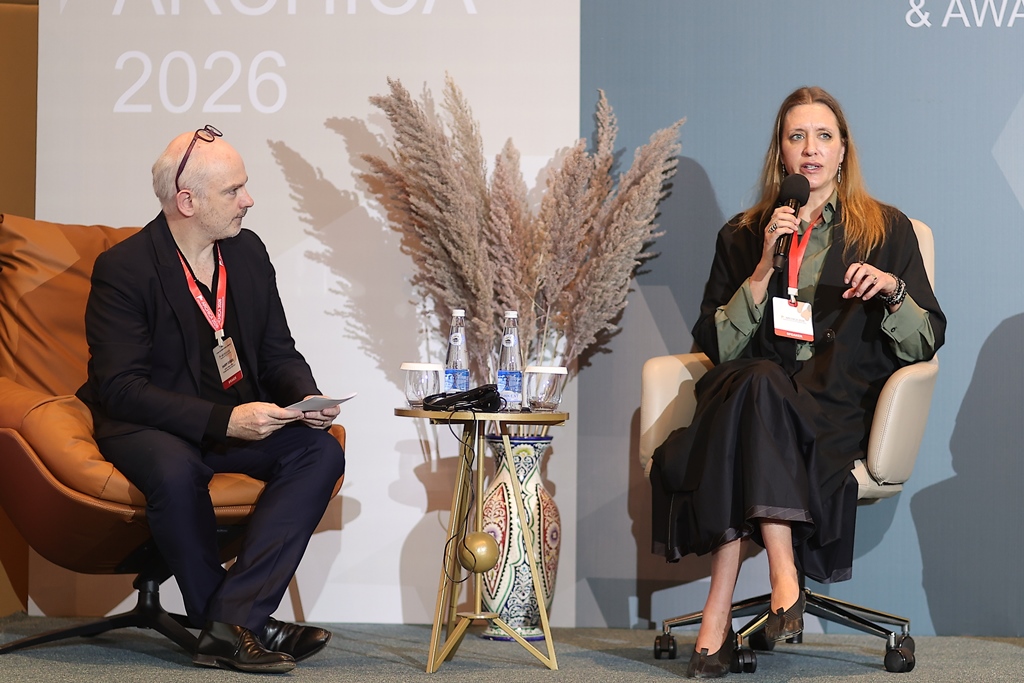
This year’s winners included:
- Farkhod Musakov — Architectural Legacy
- Dilyara Mazhitova and Vladimir Radostovets for Audiotheatre Almaty — Creative Excellence
- Archisad Engineering & Design and Maxim Oltyan — Architecture for Humanity
- Engelberg by AKFA Group — Excellence in Architectural Glazing Solutions
Organizers intentionally focused on timeless categories rather than annual competition projects, highlighting long-term impact and human-centered design.
Next stop: Baku and Astana
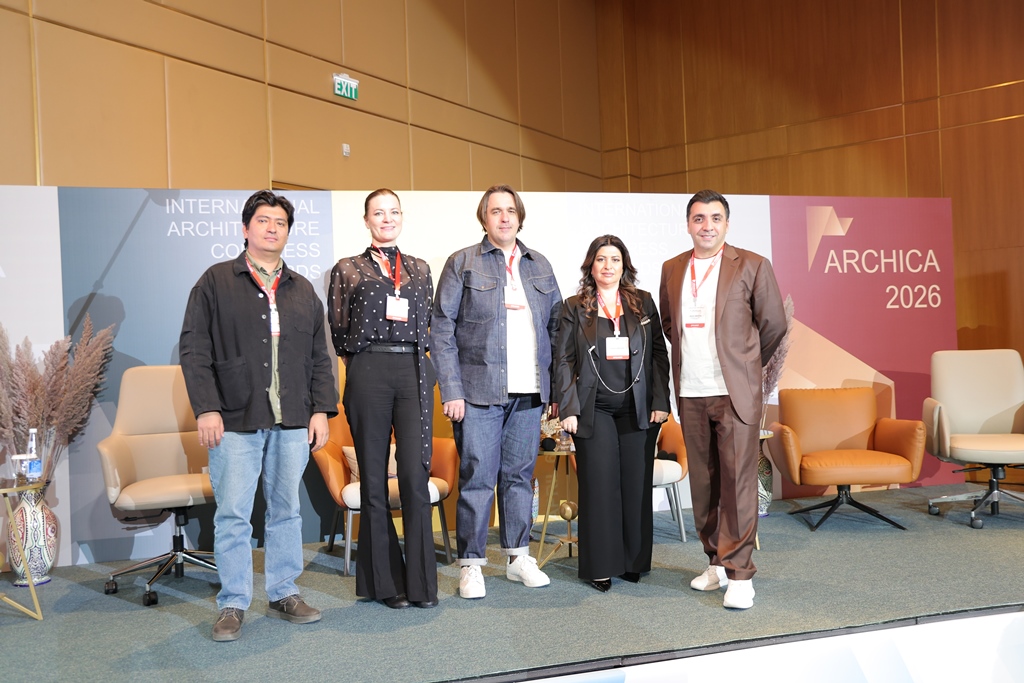
ARCHICA’s discussions will continue internationally.
Upcoming stages include:
- two sessions in Baku during the World Urban Forum
- second stage of ARCHICA 2026 in Astana on October 5–6
Topics will include:
- water-sensitive urban planning
- climate-resilient housing
- future cities in Central Asia
- practical implementation tools
Why this matters
ARCHICA 2026 shows that Central Asia’s architectural market is maturing.
The region is beginning to ask harder questions:
- not just how fast to build, but why
- not just how large a city is, but how it feels
- not just what technology can do, but whom it serves
- not just how modern a project looks, but whether it lasts
For rapidly growing cities like Astana, Tashkent and others, these questions may shape the next generation of urban life.