
While the world’s attention remains fixed on wars, sanctions, and growing geopolitical rivalry, another critical battle is unfolding quietly inside the United Nations headquarters in New York — the fight to preserve the global nuclear non-proliferation system, DKNews.kz reports.
This month, Kazakhstan found itself at the center of that conversation.
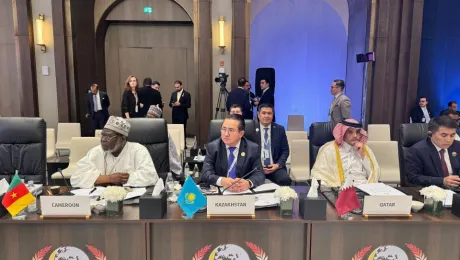
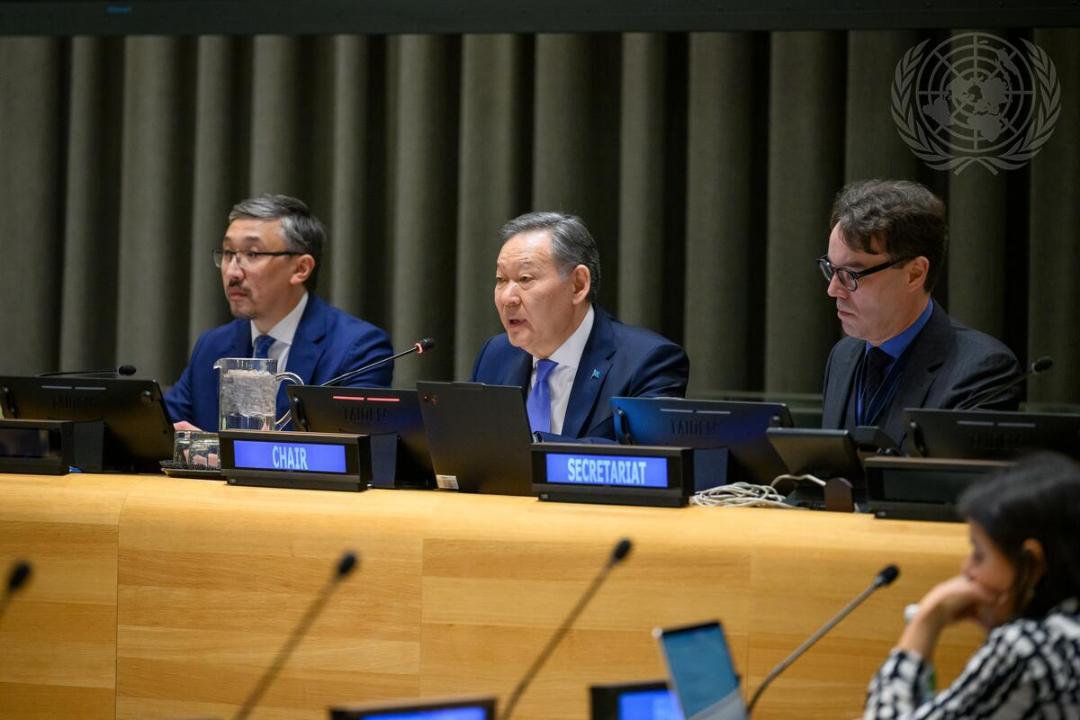
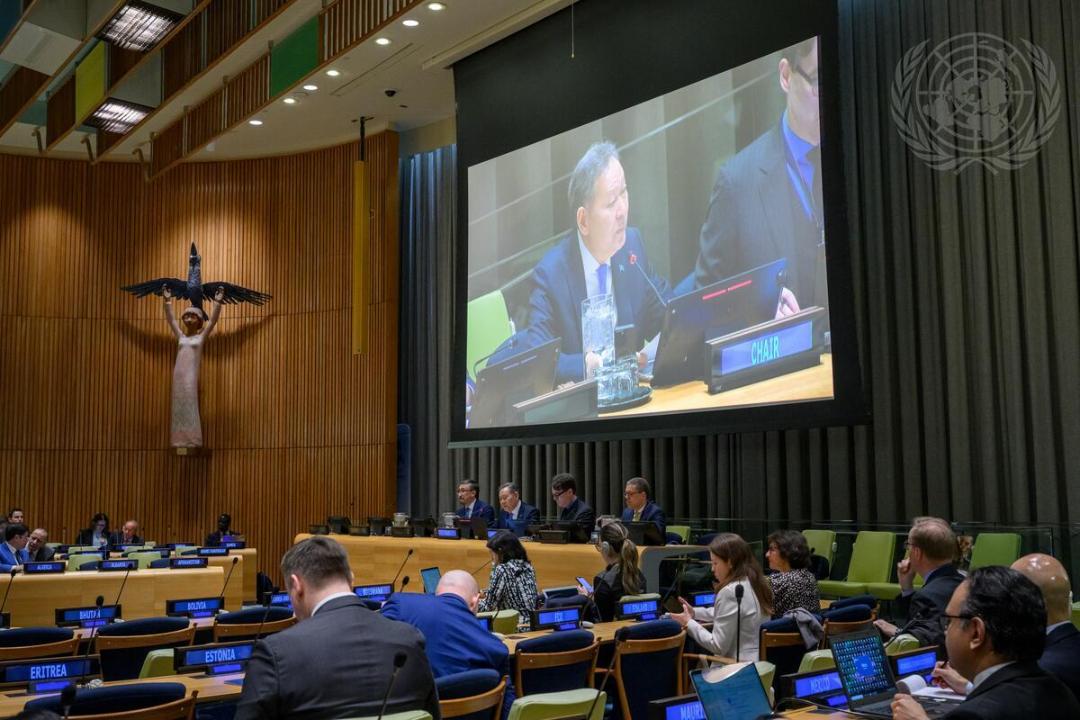
At the 2026 Review Conference of the Treaty on the Non-Proliferation of Nuclear Weapons (NPT), one of the most important international agreements in modern history, Kazakhstan is chairing the work of the Committee responsible for non-proliferation issues — a role that places the country in the middle of some of the most sensitive global security debates.
The committee is headed by Kazakhstan’s Permanent Representative to the UN, Kairat Umarov, and oversees discussions on nuclear safeguards, export controls, nuclear security, and regional stability.
Why This Matters Now
The timing could hardly be more complicated.
The conference is taking place against the backdrop of worsening tensions between major powers, deep disagreements over arms control, and fears that the world is entering a new era of nuclear competition.
Diplomats at the UN openly acknowledge that trust between states has eroded. Consensus is becoming harder to achieve. And yet the NPT — signed more than half a century ago — remains one of the few global agreements still capable of bringing nuclear and non-nuclear states to the same table.
That is why Kazakhstan’s role has drawn particular attention.
The country has long positioned itself as a bridge-builder in nuclear diplomacy. Unlike many states discussing disarmament from the sidelines, Kazakhstan carries unique historical weight: it voluntarily gave up one of the world’s largest nuclear arsenals after the collapse of the Soviet Union and shut down the Semipalatinsk nuclear test site, once one of the most heavily used testing grounds on Earth.
Today, Astana is trying to use that legacy as diplomatic capital.
Kazakhstan Pushes for Dialogue Instead of Confrontation
During negotiations from May 4 to 15, delegates repeatedly stressed the importance of keeping the review process “depoliticized” — diplomatic language that essentially means preventing global rivalries from collapsing the talks entirely.
Kazakhstan’s chairmanship focused on maintaining balance between competing blocs and encouraging negotiations in a pragmatic format, according to participants familiar with the discussions.
The emphasis was clear: fewer political accusations, more practical cooperation.
At the same time, Kazakhstan continued promoting its own initiatives on nuclear security.
One of the key proposals repeatedly highlighted by the Kazakh delegation is President Kassym-Jomart Tokayev’s call to restart dialogue among nuclear-weapon states on strategic stability and nuclear risk reduction — an issue that has become increasingly urgent amid growing military tensions worldwide.
For many observers, the proposal reflects concern that communication channels between major nuclear powers are shrinking at the exact moment they are needed most.
Central Asia’s Nuclear-Free Ambition
Another priority for Kazakhstan remains strengthening the Nuclear-Weapon-Free Zone in Central Asia.
The treaty, which includes all five Central Asian states, prohibits the development or deployment of nuclear weapons in the region. Kazakhstan is now pushing for faster ratification of the protocol that would provide legally binding security guarantees from nuclear powers to Central Asian countries.
In practical terms, Astana wants the world’s nuclear states to formally commit not to use or threaten to use nuclear weapons against the region.
Given the increasingly unstable global security environment, officials argue such guarantees are no longer symbolic — they are becoming strategically important.
The Uranium Bank Few People Know About
One of Kazakhstan’s lesser-known but globally significant contributions to nuclear security is also receiving renewed attention during the conference: the International Atomic Energy Agency’s Low Enriched Uranium Bank located in Kazakhstan.
The facility was created as a kind of international safety mechanism.
Its purpose is simple but important: countries pursuing peaceful nuclear energy programs can access low-enriched uranium supplies without needing to build sensitive uranium enrichment infrastructure themselves — infrastructure that can potentially be diverted toward weapons programs.
Supporters say the uranium bank reduces proliferation risks while still allowing states access to civilian nuclear energy.
In an era where energy security and clean energy are becoming global priorities, Kazakhstan is increasingly presenting itself not only as a diplomatic mediator, but also as a practical guarantor of nuclear trust.
A Different Kind of Foreign Policy
For Kazakhstan, the UN conference is also an opportunity to reinforce its broader foreign policy identity.
Rather than aligning itself aggressively with one geopolitical camp, Astana continues trying to position itself as a platform for dialogue between competing powers — a strategy that has become more difficult, but arguably more valuable, in today’s fragmented world.
Whether the 2026 NPT Review Conference ultimately produces major agreements remains uncertain. Previous conferences have often struggled to reach consensus.
But one thing is already clear: at a moment when the world is once again talking about nuclear risks with growing anxiety, Kazakhstan is working to ensure diplomacy remains part of the conversation.