

For decades, photographer Nurmukhamat Imamov quietly documented a city that was constantly changing.
He captured streets before they disappeared, buildings before they became landmarks, and everyday moments that would later become part of Kazakhstan's history, DKNews.kz reports.
Now, 100 of those photographs are on public display for the first time in a major retrospective exhibition, offering visitors a rare opportunity to see how Astana evolved from Soviet-era Tselinograd into one of Central Asia's fastest-growing capitals.
The Presidential Center of the Department of Presidential Affairs of the Republic of Kazakhstan has opened the retrospective exhibition "N. Imamov: 100 Years. 100 Moments" as part of the "Cultural Code of Independence" project. The exhibition marks the 100th anniversary of the birth of renowned Kazakhstani photojournalist, local historian, and chronicler of the capital, Nurmukhamat Imamov.
Organized with the support of the Center for Urban Tourism Development Association, the Astana Guides Club, and the Kazakhstan Railway Museum, the project preserves an extraordinary visual archive that spans several decades of the city's history.
More than 100 guests attended the opening ceremony, including representatives of government institutions, museums, archives, the creative community, journalists, historians, and members of Imamov's family.
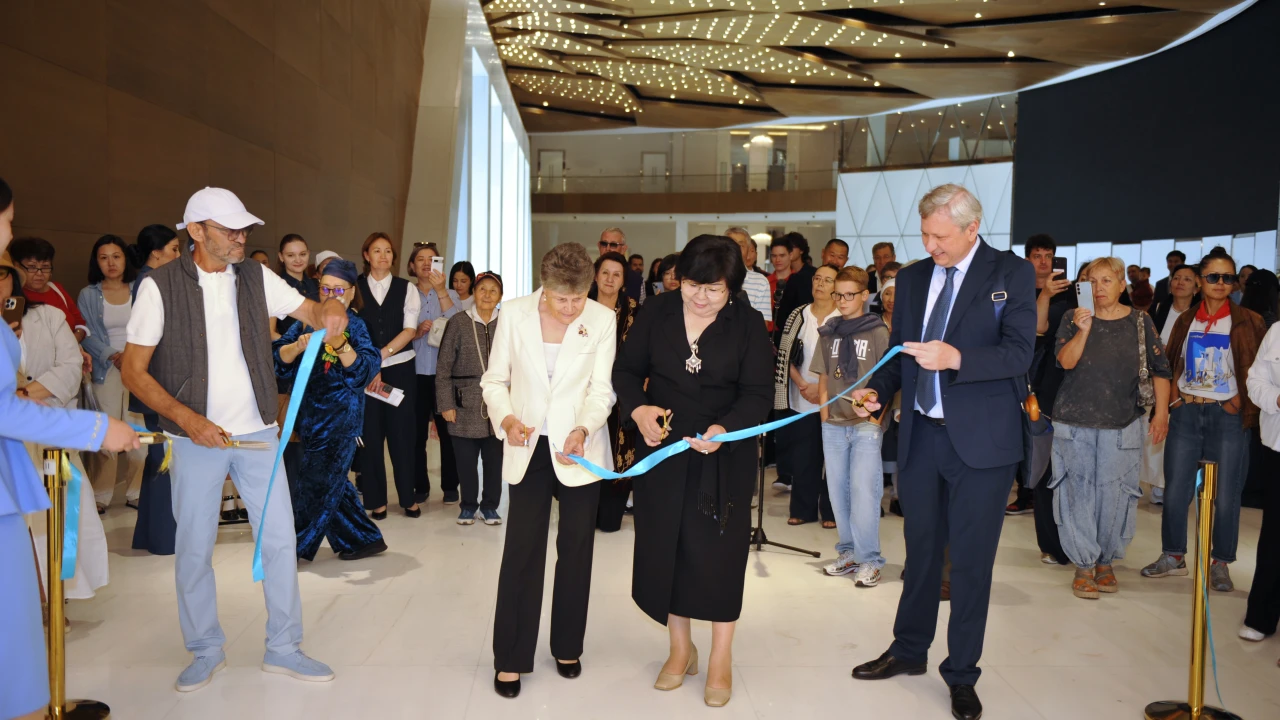
Among the honorary guests were political and public figure and local historian Dmitry Glukhikh, Director of the Astana Chamber of Entrepreneurs Kanat Alin, and the photographer's son, Rinat Imamov.
Opening the exhibition, Botagoz Kaipova, Deputy Director of the Presidential Center, highlighted the importance of preserving the nation's visual memory.
"The title of the exhibition — '100 Moments' — speaks for itself. These carefully preserved moments form a remarkable panorama of the twentieth century. Every photograph presented here is a document of exceptional artistic and historical value. It is a great honor for the Presidential Center to open this exhibition, thereby contributing to the preservation of Kazakhstan's cultural and historical heritage and promoting the names of those who wrote the chronicle of our independence. Through the photographer's lens, visitors can immerse themselves in the atmosphere of the past, see the people and events that shaped the city's identity, and follow its remarkable transformation into one of the world's fastest-growing and most beautiful capitals. Today, Astana has become an international center for diplomacy, culture, and dialogue among civilizations."
A visual journey through Astana's transformation
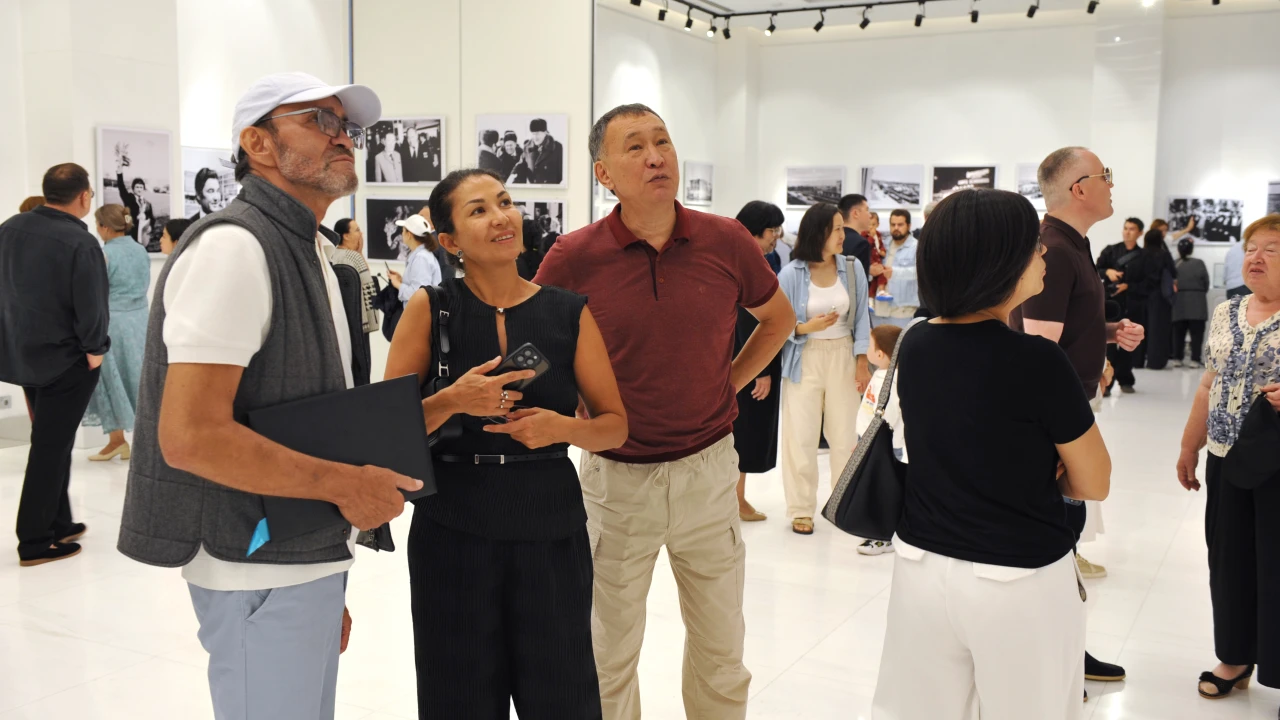
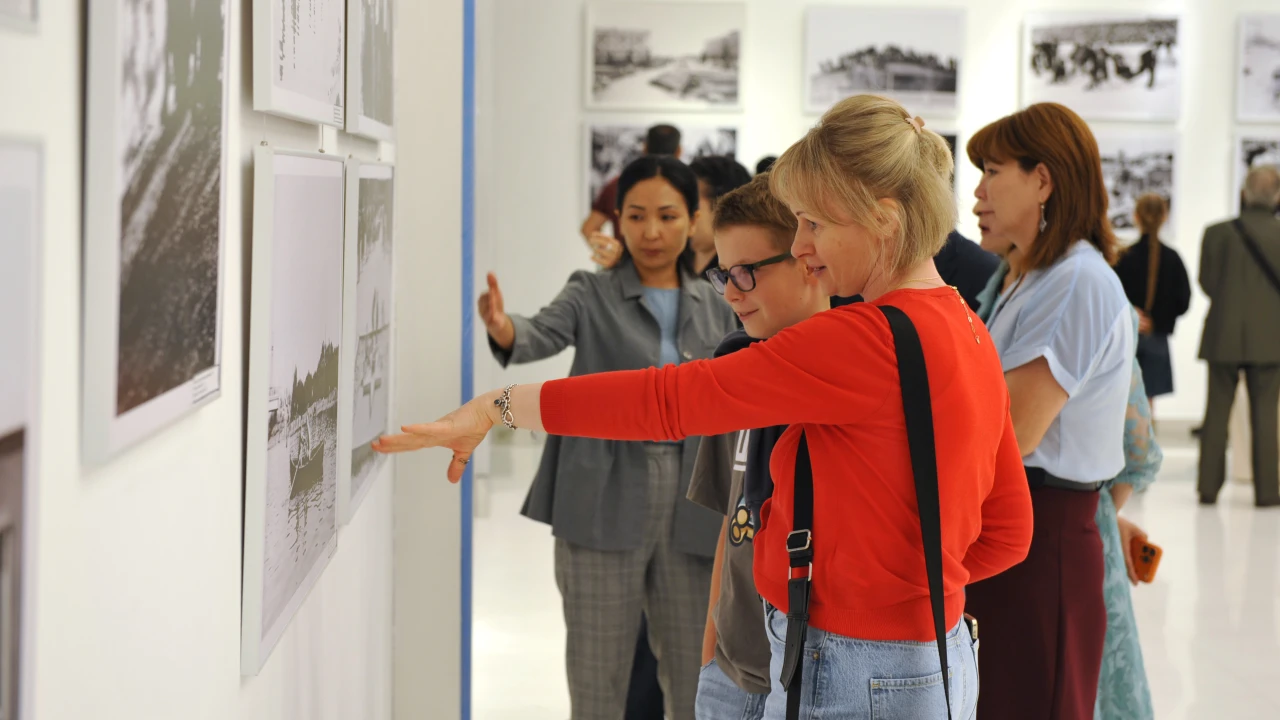
The exhibition features 100 carefully selected archival photographs documenting the history, architecture, and everyday life of Tselinograd, Akmola, and modern-day Astana.
Rather than simply presenting historical images, the exhibition creates a visual dialogue between past and present. Archival photographs are paired with contemporary views of the capital, allowing visitors to compare how familiar streets, neighborhoods, and landmarks have changed over time.
The exhibition is divided into four thematic sections dedicated to Nurmukhamat Imamov's life, old Tselinograd-Akmola, prominent residents of the capital, and modern Astana. The final section focuses on children and young people as symbols of Kazakhstan's future and the continuity of generations.
Speaking during the opening ceremony, Kanat Alin emphasized that the exhibition is about much more than photography.
"First of all, I would like to express my sincere gratitude to the organizers for their noble initiative to preserve the memory of the outstanding photojournalist, local historian, and chronicler of the capital, Nurmukhamat Imamov. The photographs presented here are far more than archival images — they are priceless testimonies of their time, reflecting the lives of people, the most significant historical events, and the development of our city. Astana's residents must know and appreciate this history, as it was people of different generations who shaped the appearance of the capital. Today, continuing the tradition of creation, the capital's entrepreneurs are also making their contribution to the city's development. I am confident that the anniversary exhibition '100 Moments' will become an important event in Kazakhstan's cultural life and help preserve our unique historical heritage for future generations."
The man who documented a city's history
Although Nurmukhamat Imamov was not born in Kazakhstan, he dedicated his life to documenting the region that became his home.
A veteran of the Great Patriotic War, he served as a gunner-radio operator aboard a Pe-2 dive bomber before pursuing several civilian professions. Eventually, photography became his life's work.
For more than 40 years, Imamov worked as a photojournalist for Akmola Pravda and other publications, building one of the country's most significant visual archives of the capital's development.
Dmitry Glukhikh described Imamov's legacy as an invaluable historical record.
"Nurmukhamat Imamov was not born on this land, yet he loved it wholeheartedly and devoted his life to preserving its history. He never sought fame or public recognition. He simply picked up a camera and documented the streets, the people, and the defining events of his time. Thanks to his photographs, we can now see the past of our capital, recognize the people who shaped its history, and feel the connection between generations. History cannot be divided into separate fragments — it is one continuous story. That is why preserving the legacy of people like Nurmukhamat Imamov is so important for future generations. I sincerely thank the Imamov family and the Presidential Center for organizing this remarkable exhibition, which helps preserve our historical memory and fosters respect for our country's past."
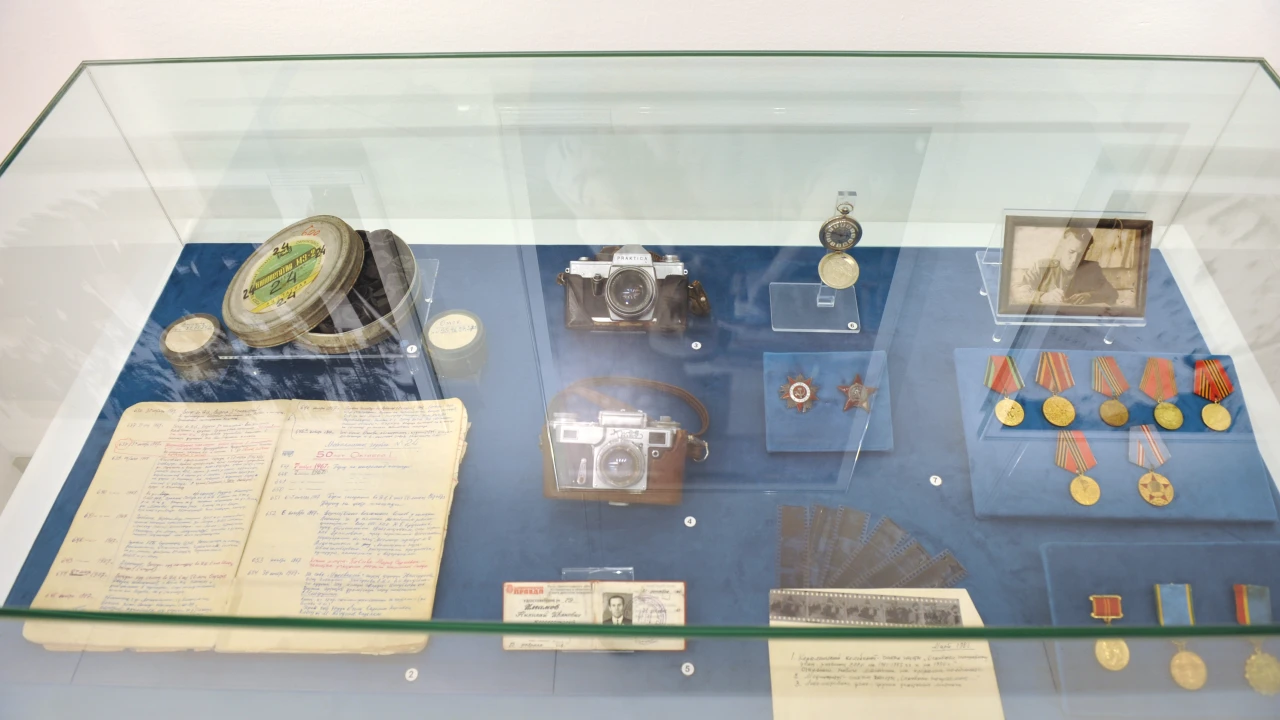
A legacy preserved for future generations
Today, Imamov's son, Rinat Imamov, continues preserving and digitizing his father's archive, which contains thousands of photographs documenting decades of Kazakhstan's history. Part of the collection is available through the project's official website.
More than a retrospective, "100 Years. 100 Moments" serves as a reminder that cities are built not only with concrete and steel, but also through the memories of the people who lived there.
For historians, architects, photographers, researchers, and anyone curious about Astana's remarkable transformation, the exhibition offers a rare chance to experience the capital through the eyes of the man who spent a lifetime documenting its story.
The exhibition will remain open to visitors at the Presidential Center until August 24, 2026.