

There is KZT 5.35 trillion in circulation.
Banknotes account for 98% of that amount by value. The DKNews.kz editorial team visited the restricted-access Banknote Factory in Almaty to learn how the national currency moves from security paper to a finished banknote.
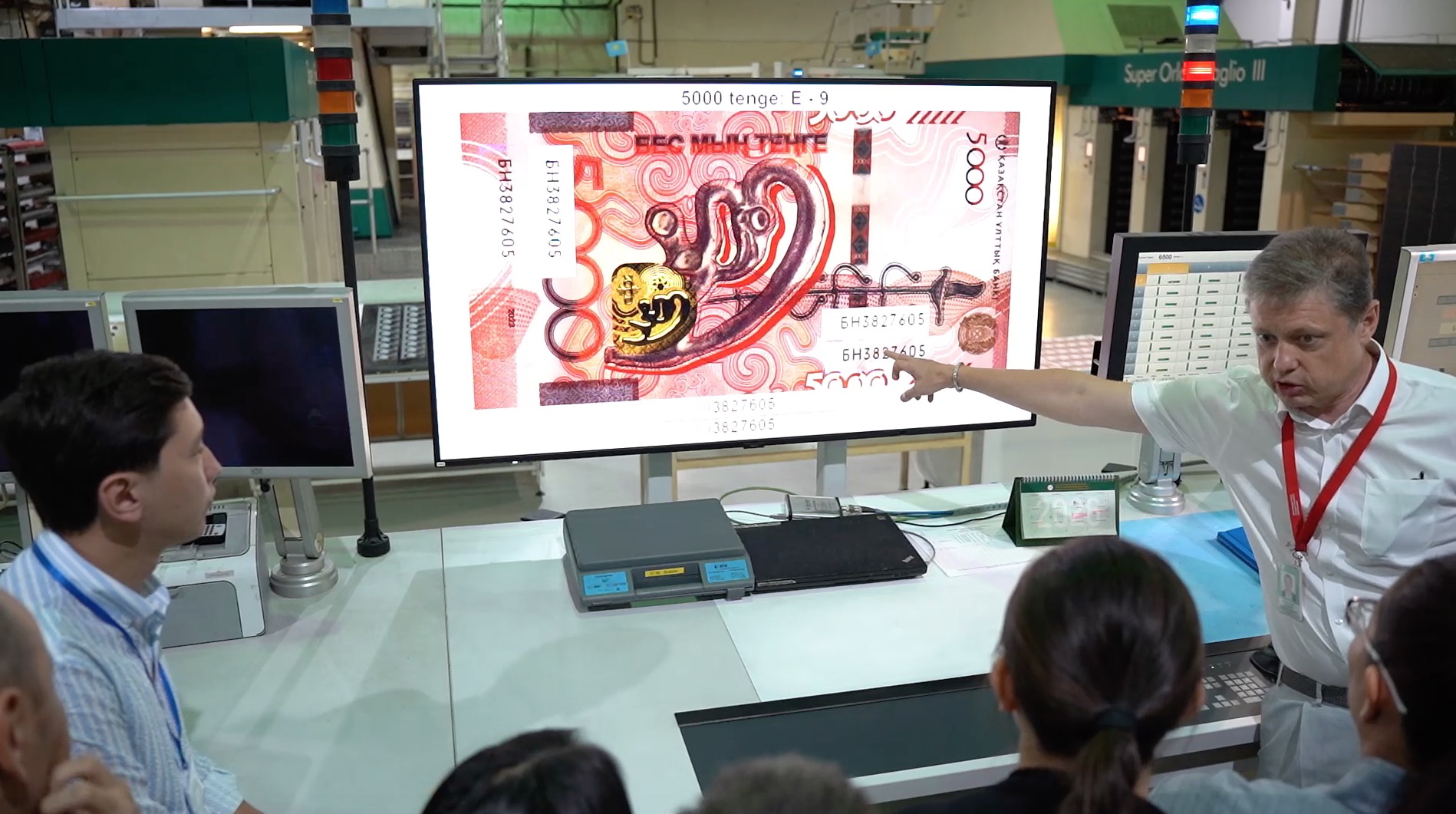 Photo by Alexey Ganashilin
Behind the doors of a high-security facility
The Banknote Factory of the National Bank of Kazakhstan officially opened on May 19, 1995. Kazakhstan decided to establish its own security-printing facility in 1992, while an interim securities workshop began operating one year later.
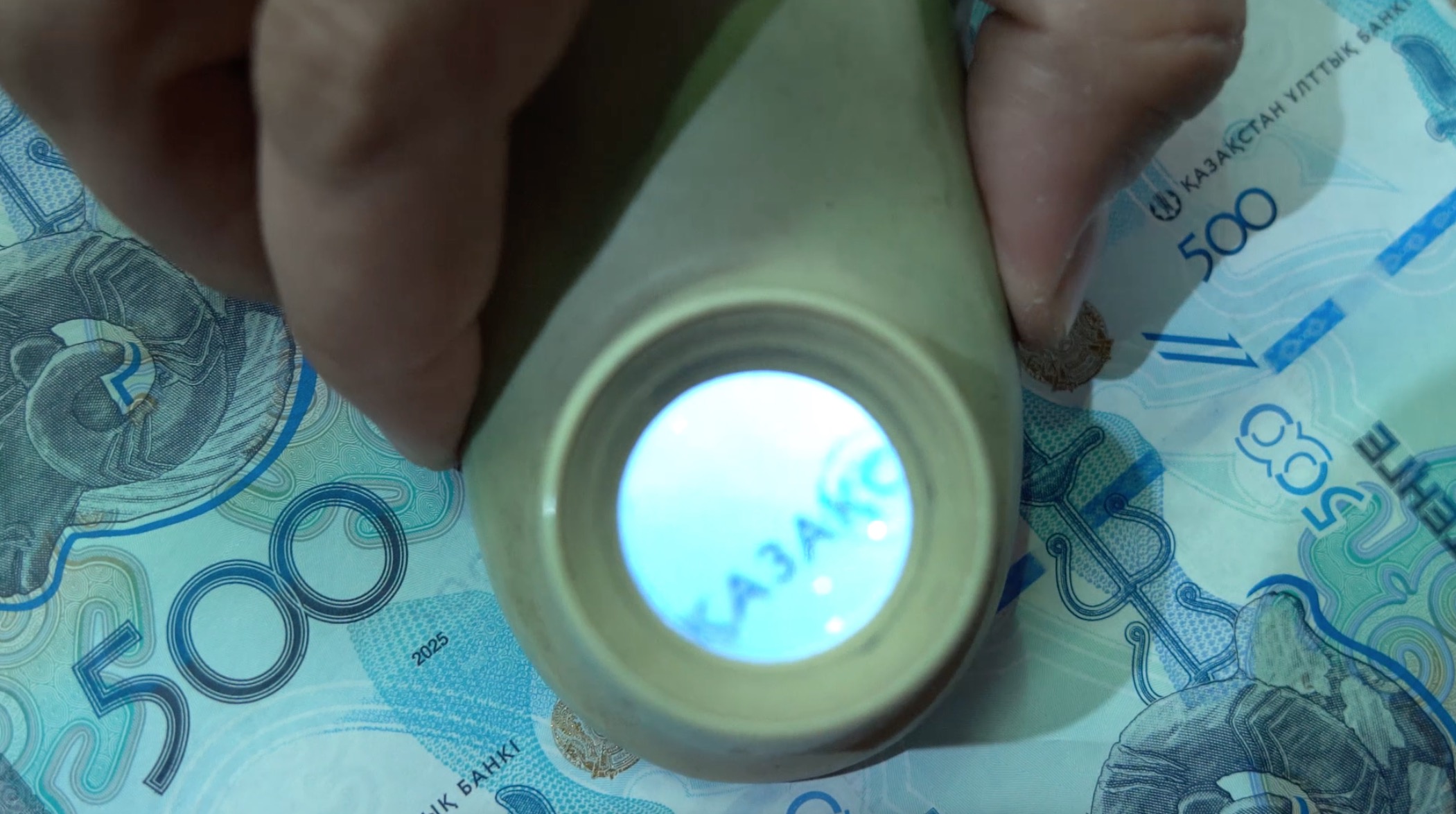 Photo by Alexey Ganashilin
Since 1995, all regular banknotes issued in Kazakhstan have been printed domestically. The country’s first tenge notes were produced by the British company Harrison & Sons.
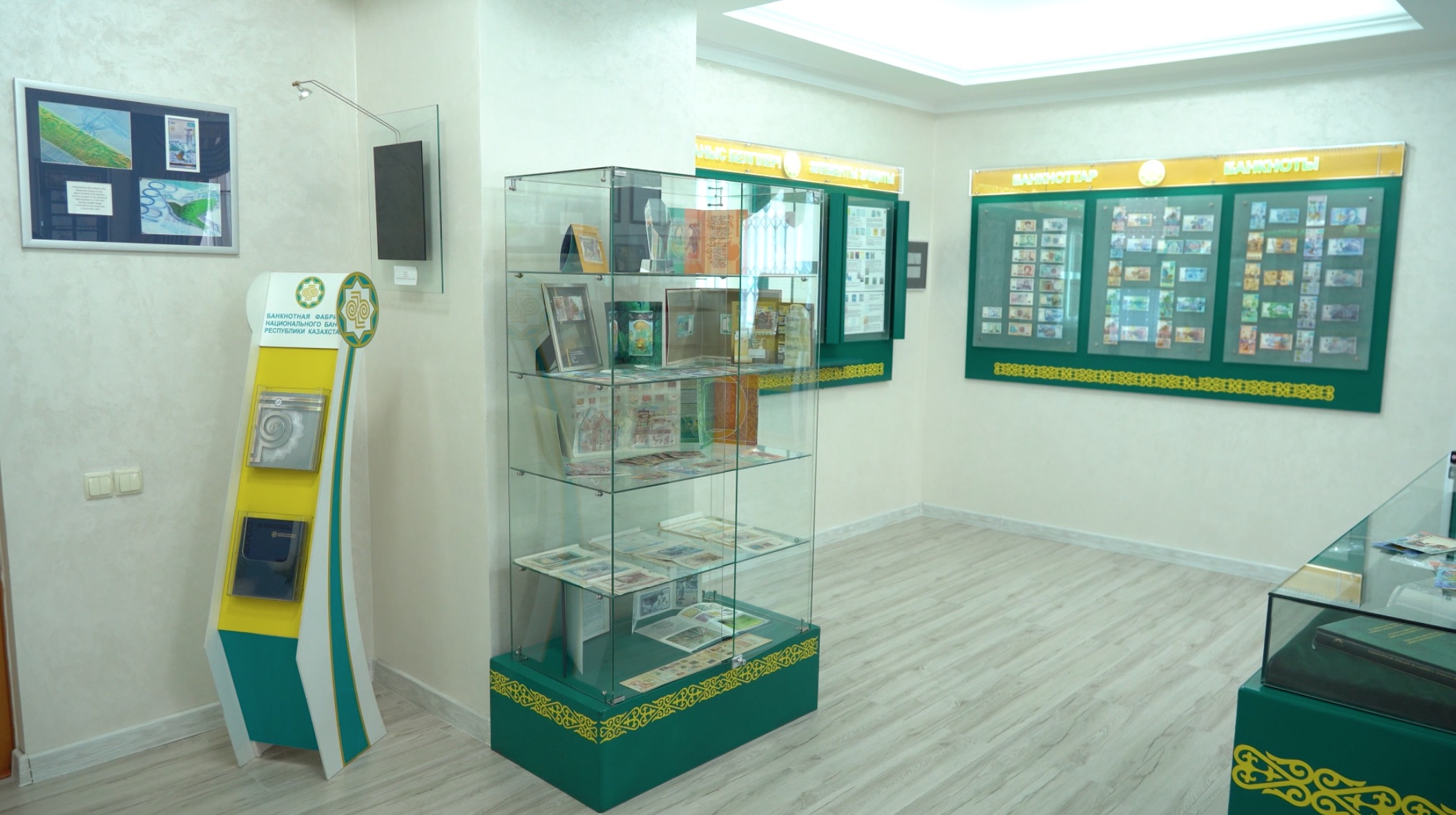 Photo by Alexey Ganashilin
Today, the facility makes far more than the national currency. Its portfolio includes around 130 types of security-printed products.
The factory produces passports, national identity cards, driving licences, vehicle documents, diplomas, civil registration certificates and excise-control stamps for alcoholic beverages.
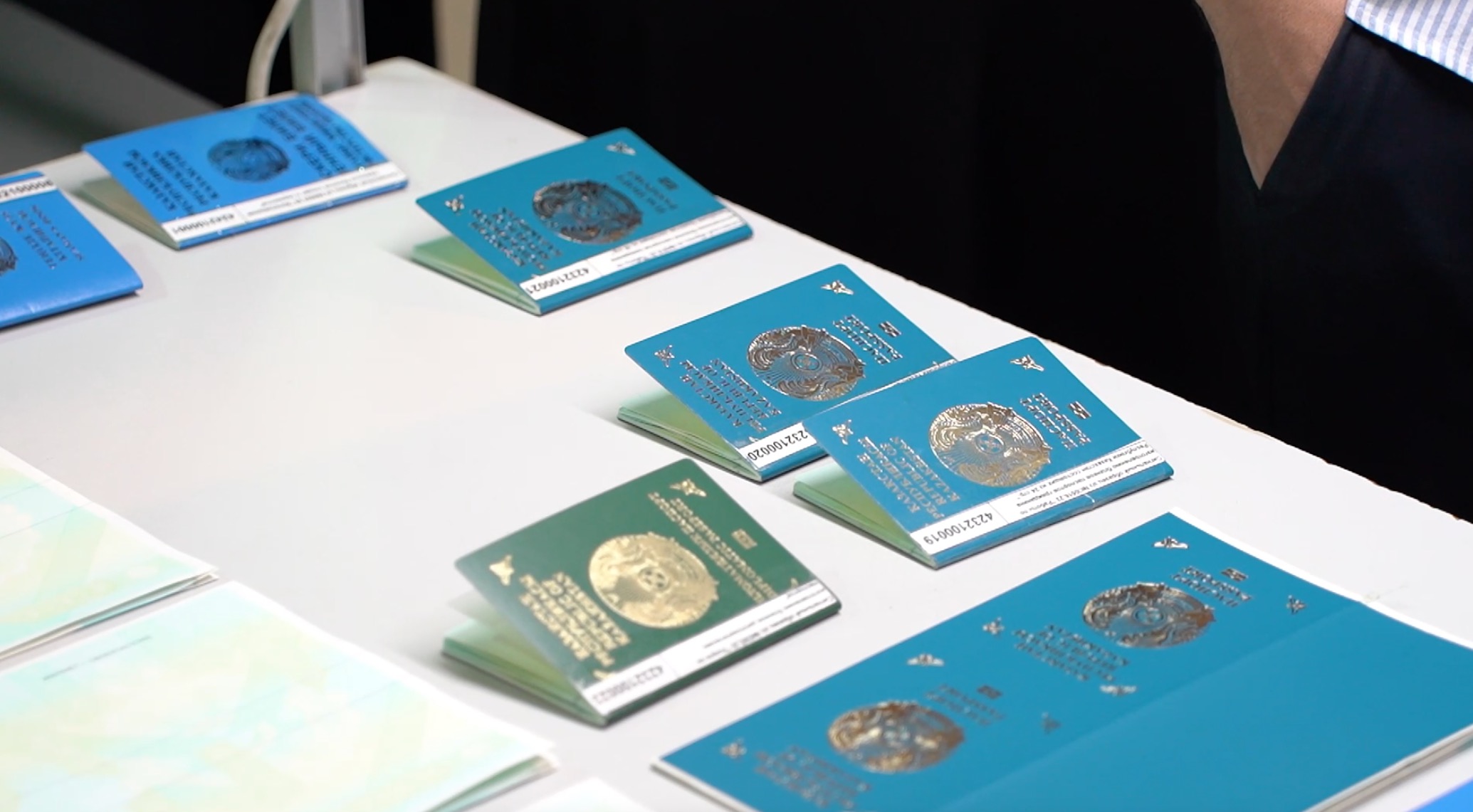 Photo by Alexey Ganashilin
It operates across three main areas: banknote production, security printing and plastic documents. Most of its output meets the domestic needs of the state.
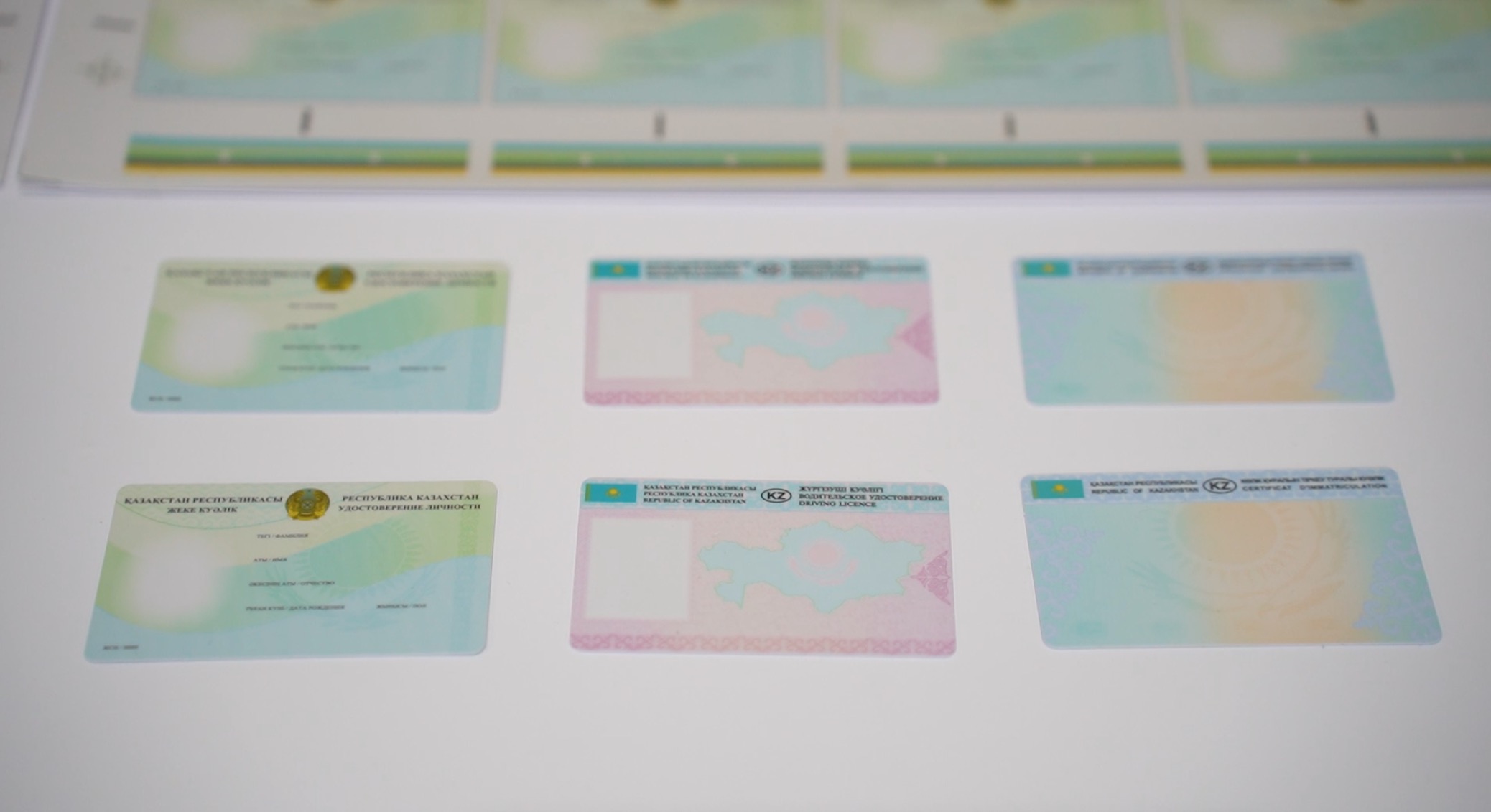 Photo by Alexey Ganashilin
The factory has also handled orders from abroad, according to Zhomart Kazhmuratov, Director General of the Banknote Factory.
“We have experience producing banknotes for other countries. This covers approximately 18 denominations for 12 countries in Southeast Asia, South America and Africa.”
 Photo by Alexey Ganashilin
Kazhmuratov said that having a domestic banknote factory places Kazakhstan among a relatively small group of countries capable of producing their own currency and introducing advanced security technologies.
 Photo by Alexey Ganashilin
From security paper to a banknote in up to two months
Work on a new banknote begins long before the printing presses are started. A concept and theme are selected first, after which artists develop the design and specialists integrate security features.
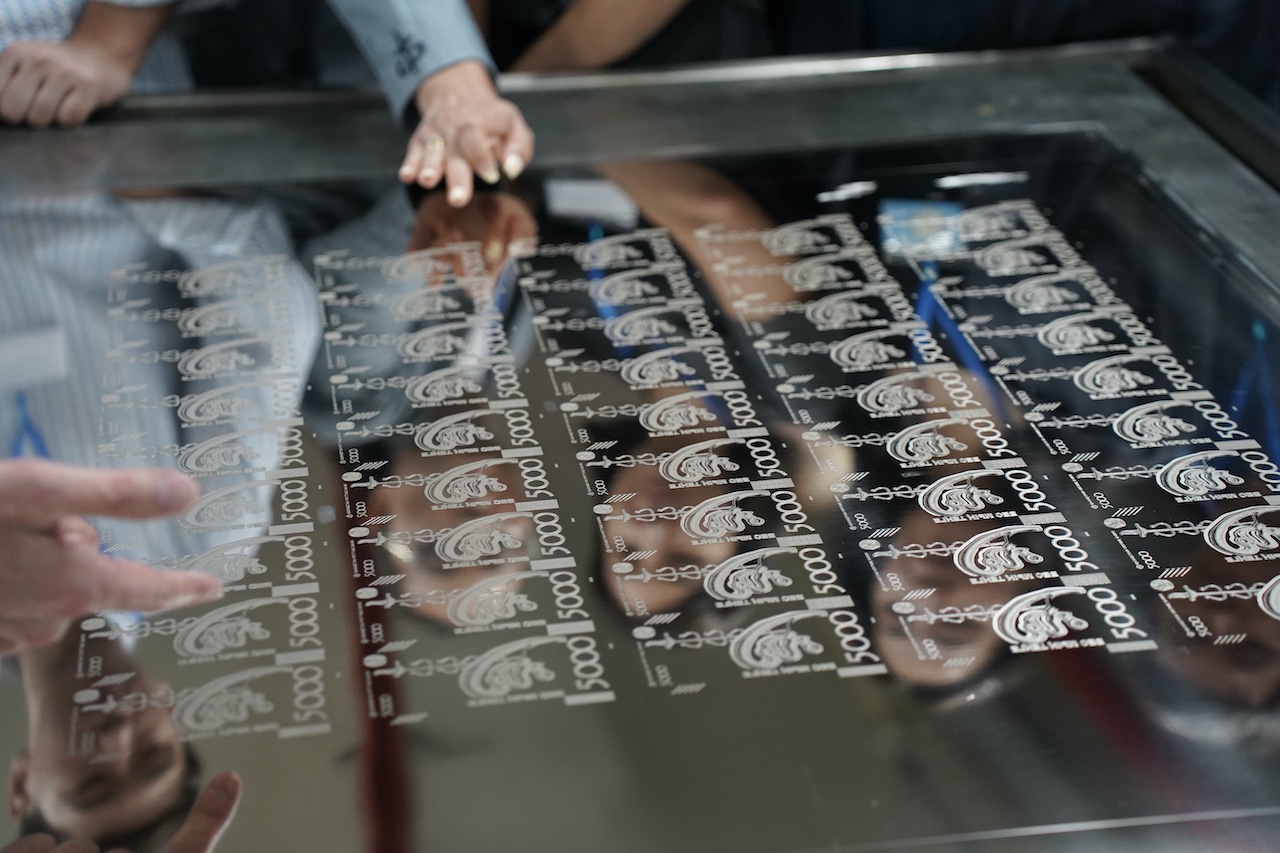 Photo by Alexey Ganashilin
Once approved, the design is transferred to the factory. Printing, application of security features, material testing and multi-stage quality control then begin.
Designers, artists, engineers, technologists, security experts, analysts and banking-sector specialists work on each series. Even after the design is approved, production cannot be completed in a matter of days.
“From the moment we begin using what we call the ‘white’ paper until we receive the finished product in the form of banknotes, at least one and a half to two months pass,” Kazhmuratov said.
 Photo by Alexey Ganashilin
The paper arrives at the factory with some security features already embedded, including watermarks and security threads. Each sheet then undergoes several printing processes, inspection, numbering, cutting and packaging.
Finished banknotes are distributed among the National Bank’s regional branches. Before a new series enters mass circulation, some notes are provided to commercial banks so they can adapt their ATMs, cash machines and sorting equipment.
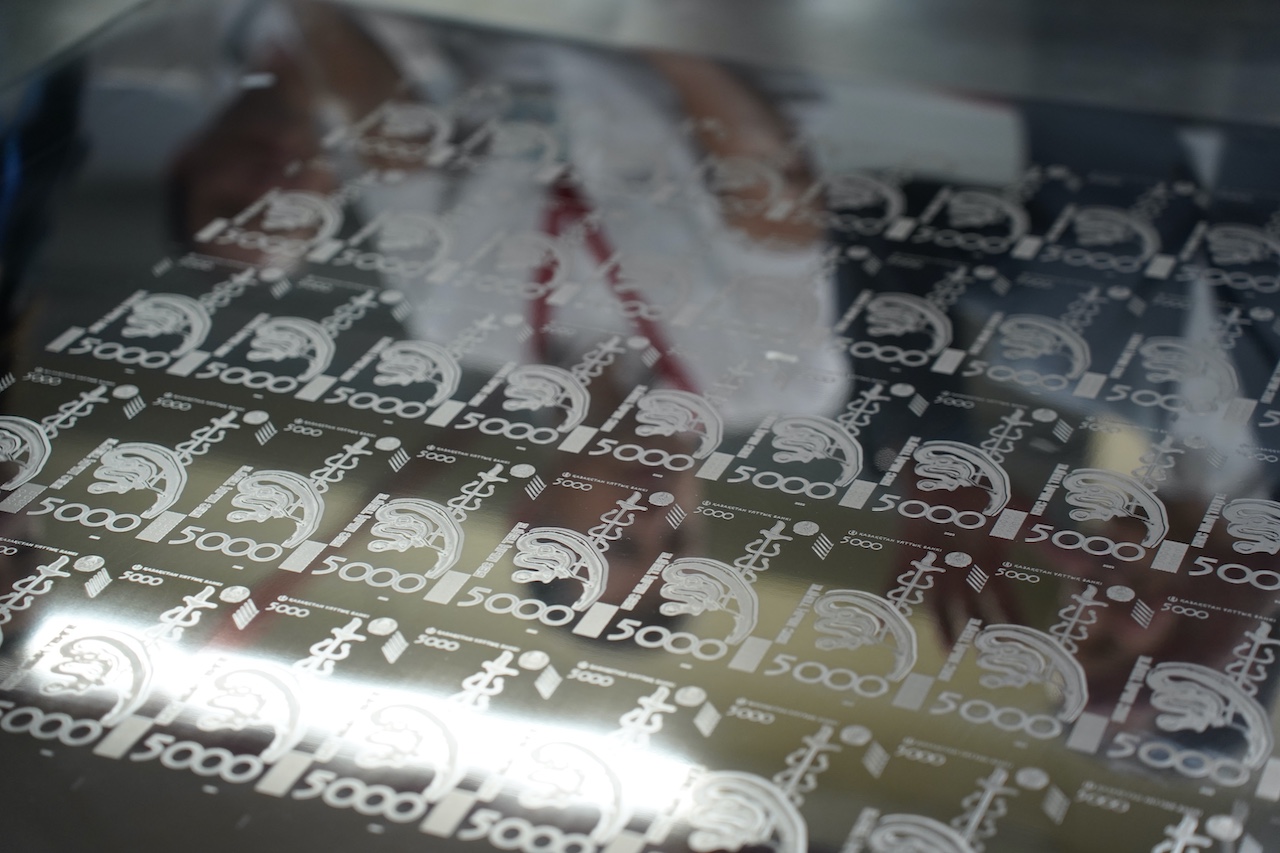 Photo by Alexey Ganashilin
Why the tenge is difficult to counterfeit
A banknote’s security does not depend on a single secret feature. It relies on a combination of technologies, some of which can be checked by the public, while others can only be recognised by specialist equipment.
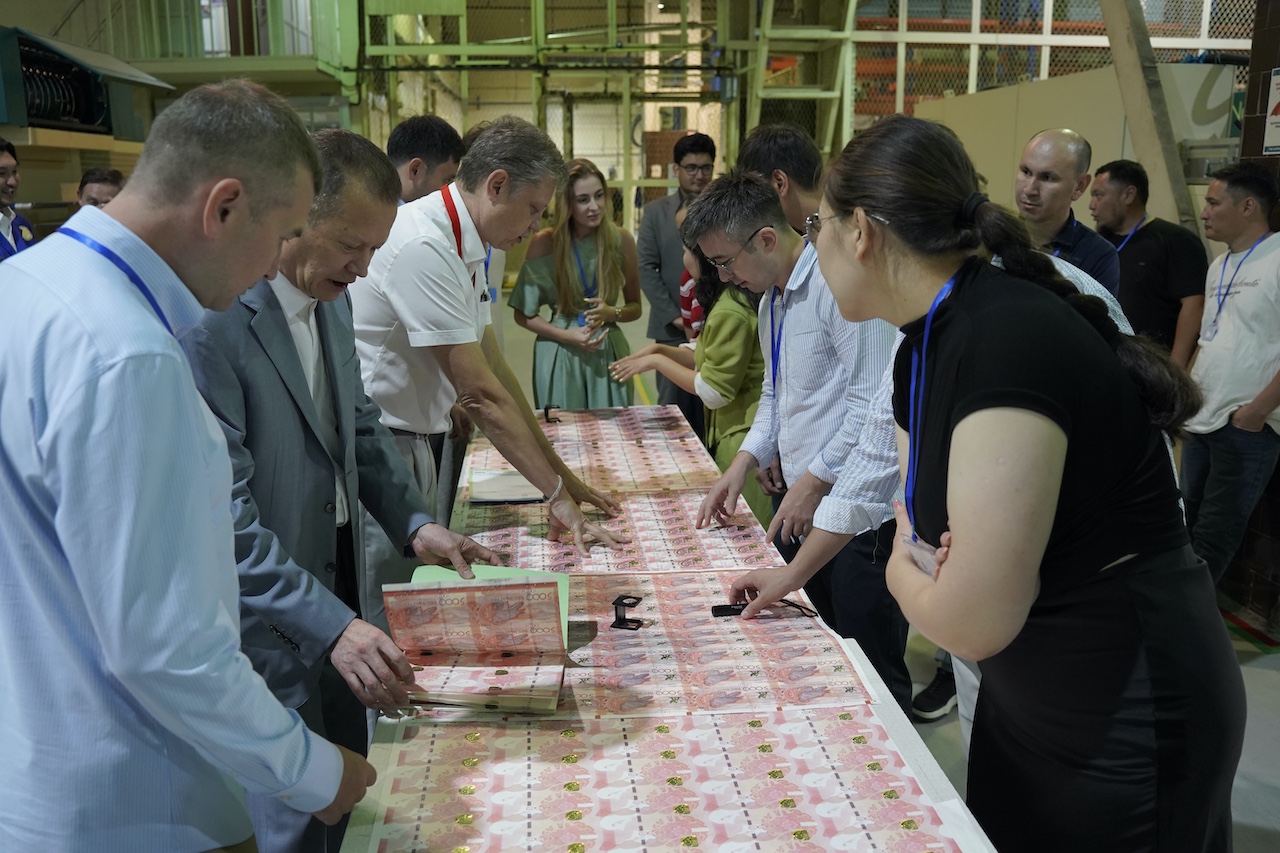 Photo by Alexey Ganashilin
The SPARK feature changes colour and creates an illusion of movement when the note is tilted. Raised intaglio printing can be felt by touch and is used for elements such as the national emblem.
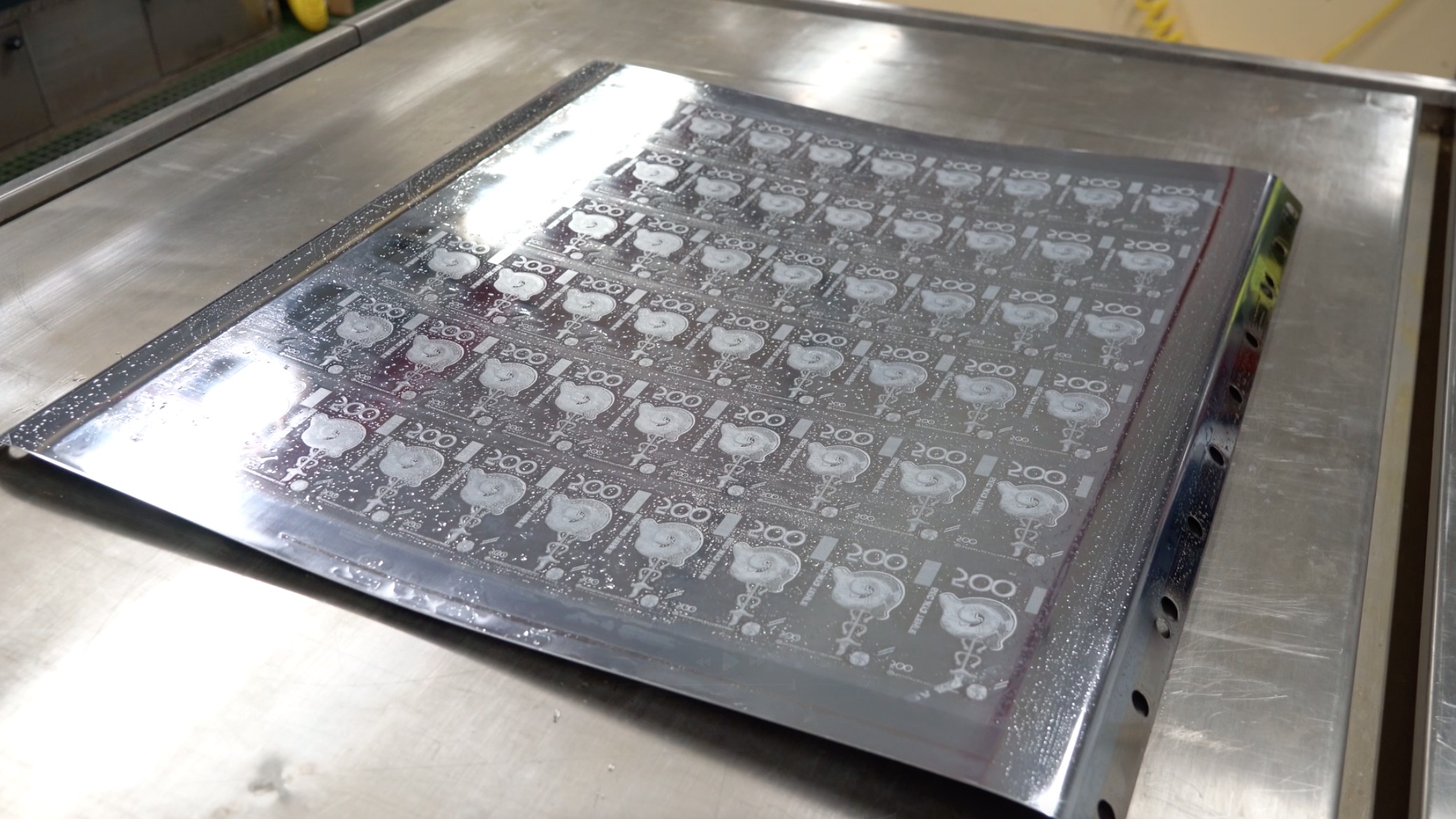 Photo by Alexey Ganashilin
A micro-optical security thread is partially embedded in the paper and produces a dynamic image. SEE-THRU registration combines fragments printed on the front and back of the banknote: when held up to the light, they must align precisely.
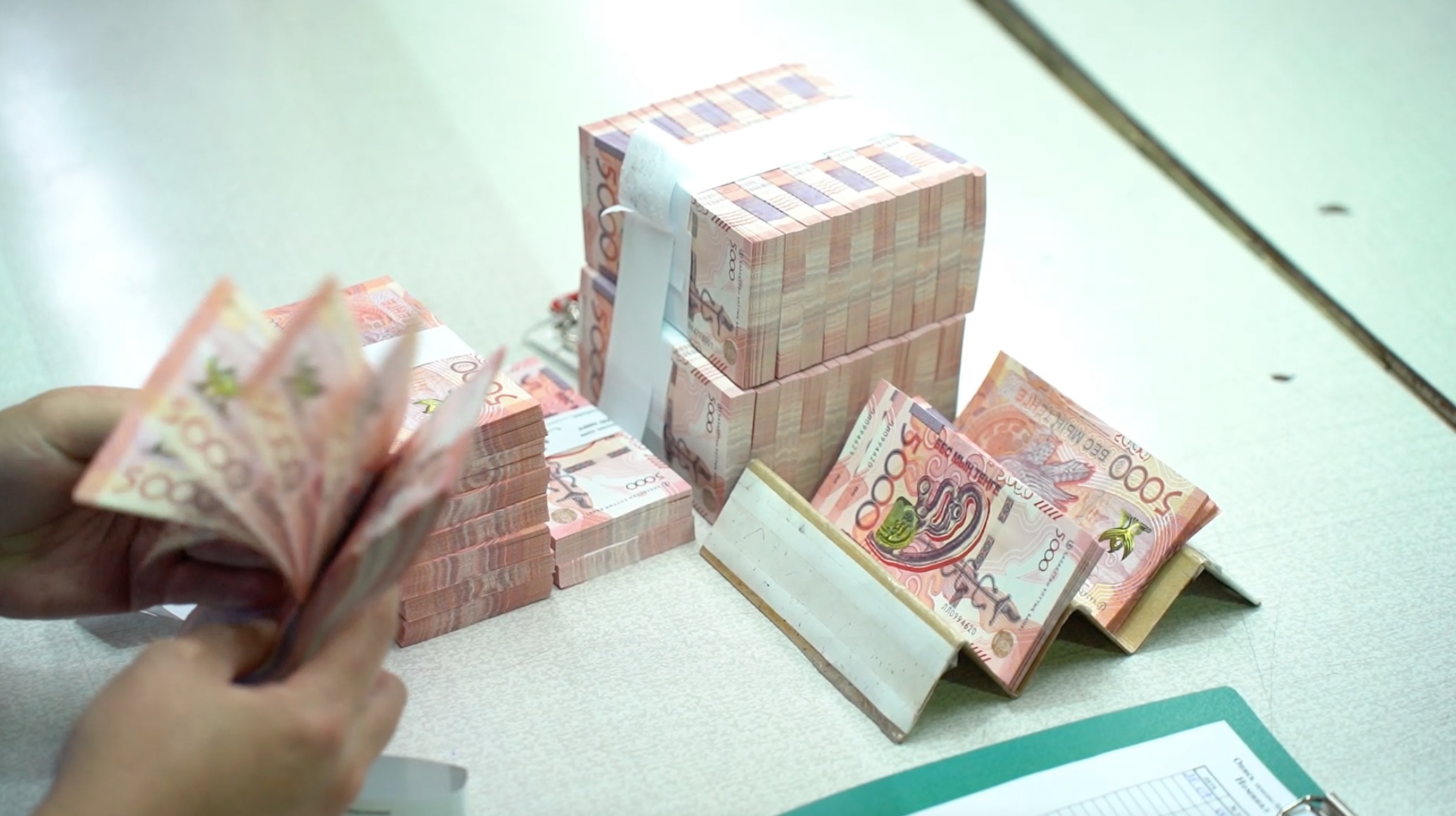 Photo by Alexey Ganashilin
Raised tactile marks help people with visual impairments identify a note’s denomination. The combination of visual, tactile and machine-readable features makes the work of counterfeiters significantly more difficult.
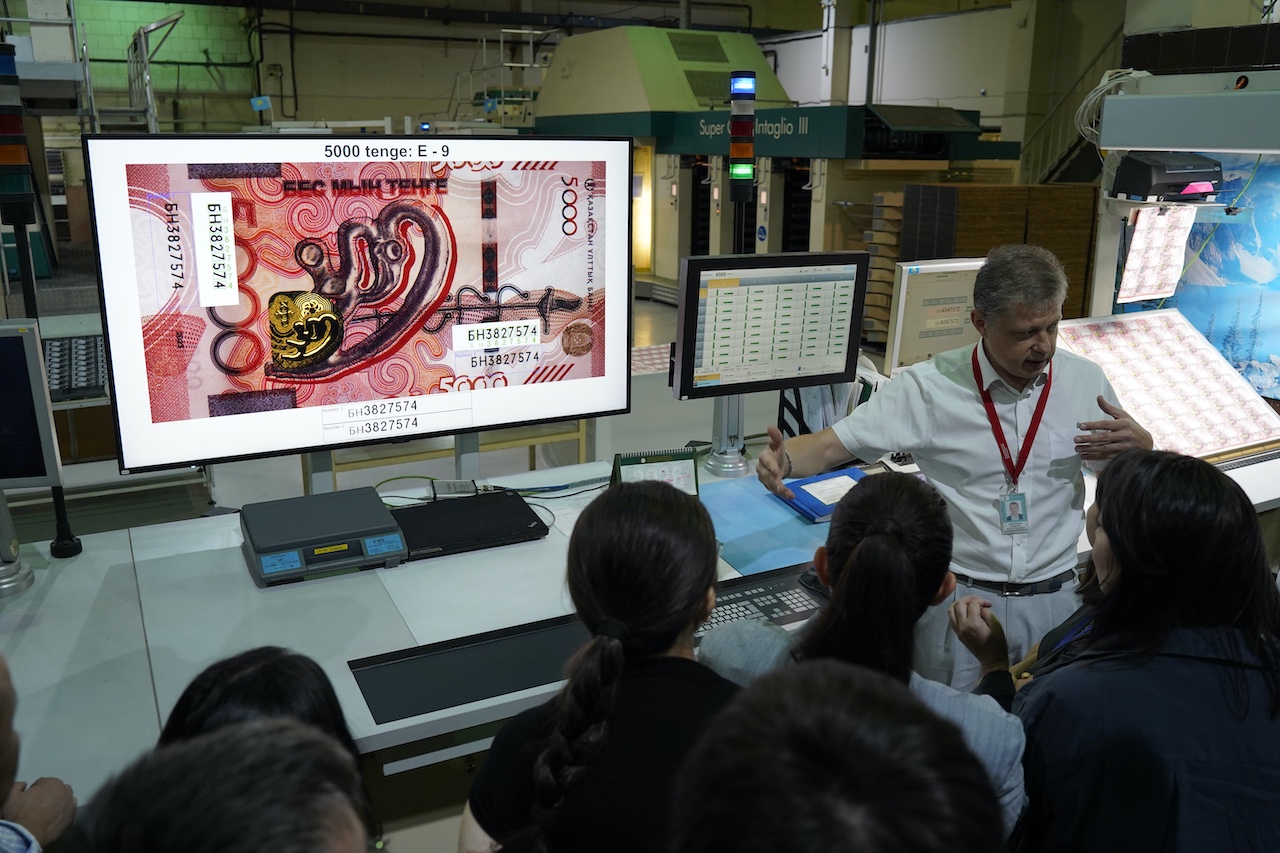 Photo by Alexey Ganashilin
Kazhmuratov said that throughout the history of tenge production, the factory had not encountered counterfeits manufactured on an industrial scale using comparable technologies.
“Most cases involved colour photocopies, followed by attempts to glue parts of banknotes together. In other words, these were not counterfeits produced on an industrial scale.”
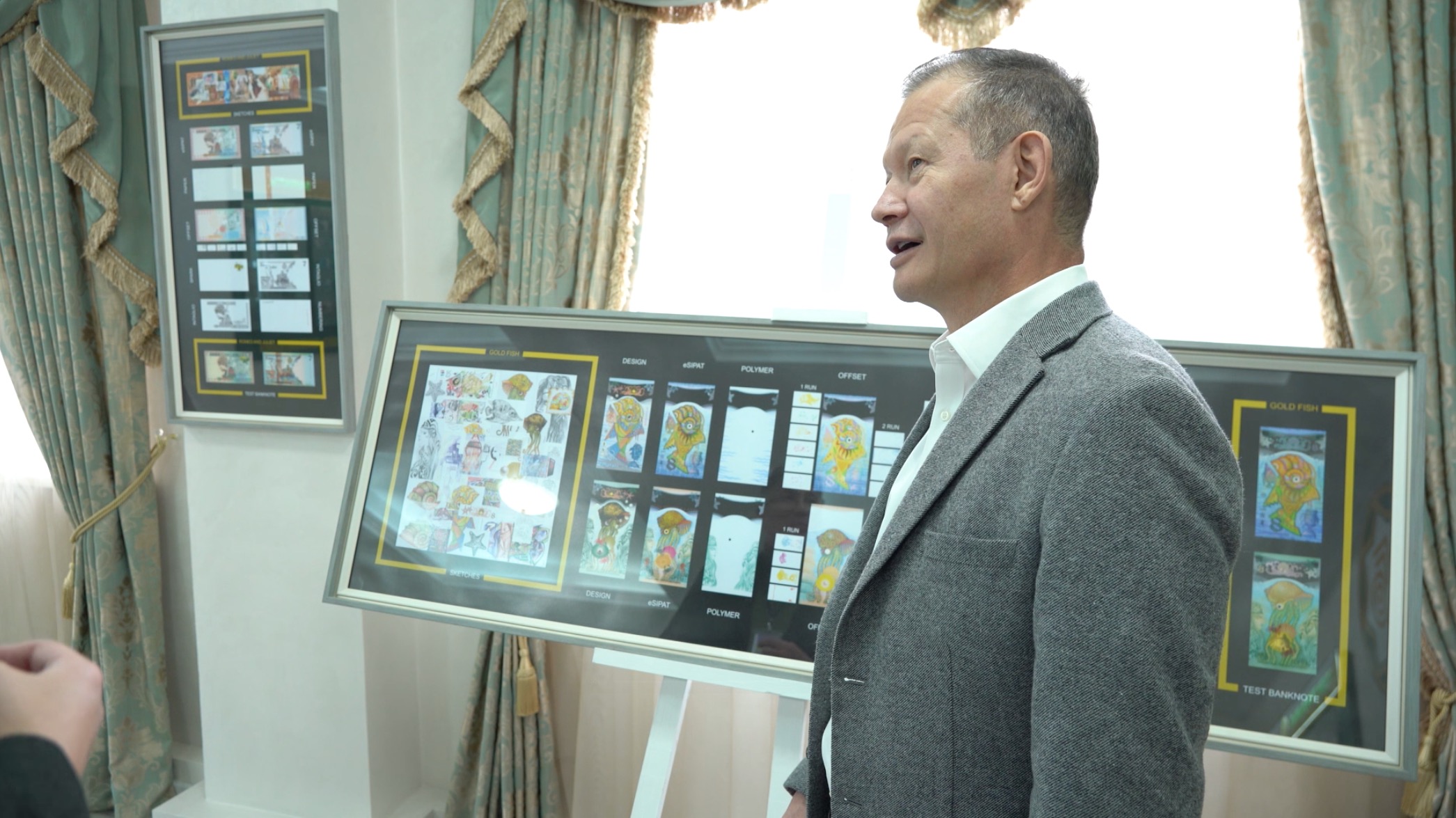 Photo by Alexey Ganashilin
The production lines are fitted with automated inspection systems. They scan every sheet in real time and identify even microscopic defects.
How new security technologies are tested
A new security feature cannot immediately be added to a regular banknote. The factory must first determine how it performs during printing, daily use and prolonged circulation.
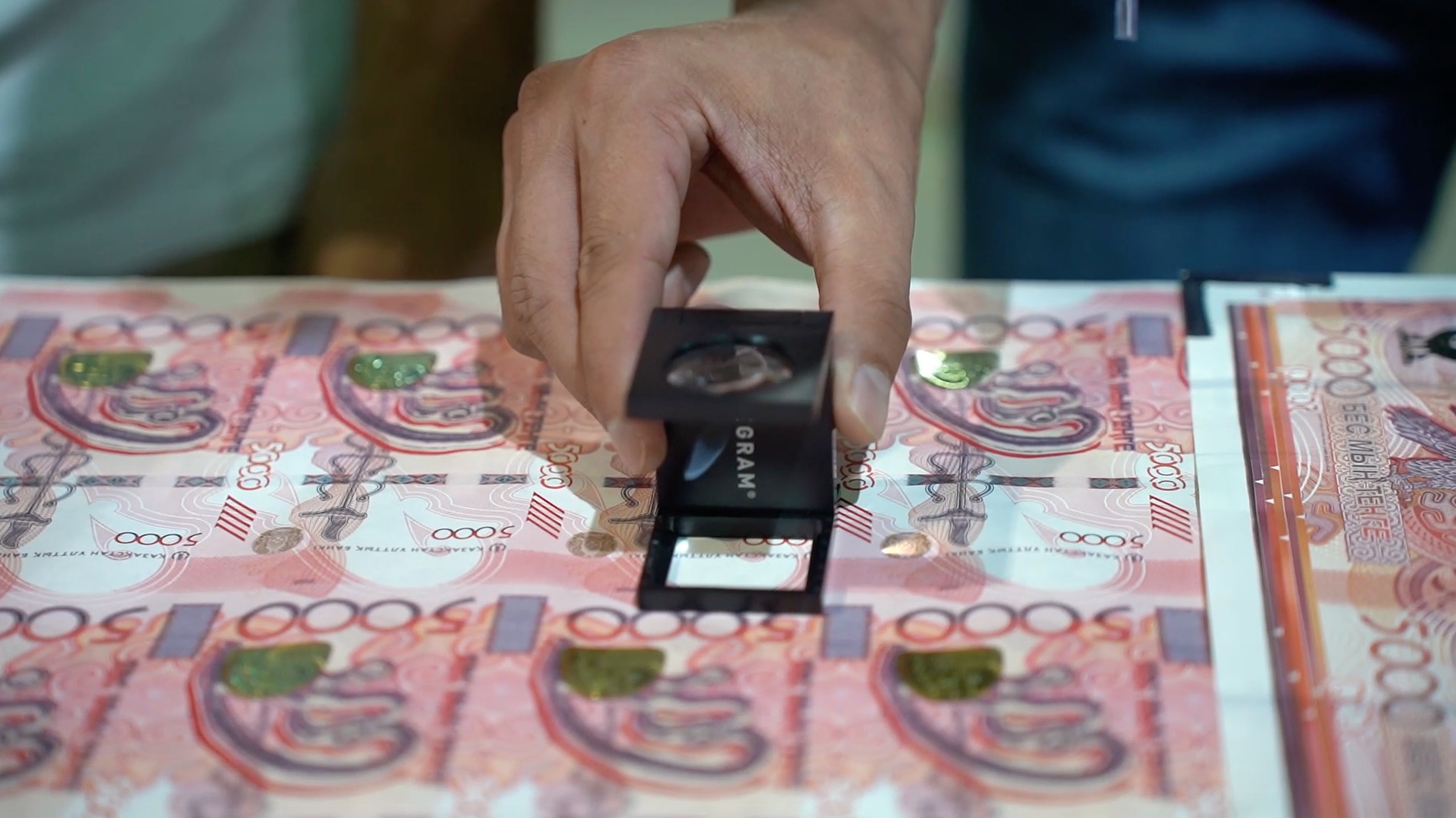 Photo by Alexey Ganashilin
The first stage involves experimental notes, sometimes referred to as “house banknotes.” They are used to test equipment, materials, security threads and the factory’s ability to work with polymer substrates.
Commemorative banknotes form the next stage. They allow the factory to assess how a new feature is received by the public and how reliably it performs in actual cash circulation.
Only after these tests can the technology be transferred to a regular circulation banknote.
 Photo by Alexey Ganashilin
“It is a multi-stage production process,” Kazhmuratov said.
Commemorative banknotes therefore serve more than a collectible purpose. They become testing grounds for technologies that may later appear on the tenge used in everyday transactions.
About 30% more banknotes fit on each printing sheet
When developing the Saka Style series, the National Bank reviewed the size of Kazakhstan’s banknotes. An analysis of international practices showed that a more compact format simplifies the counting, storage and transportation of cash.
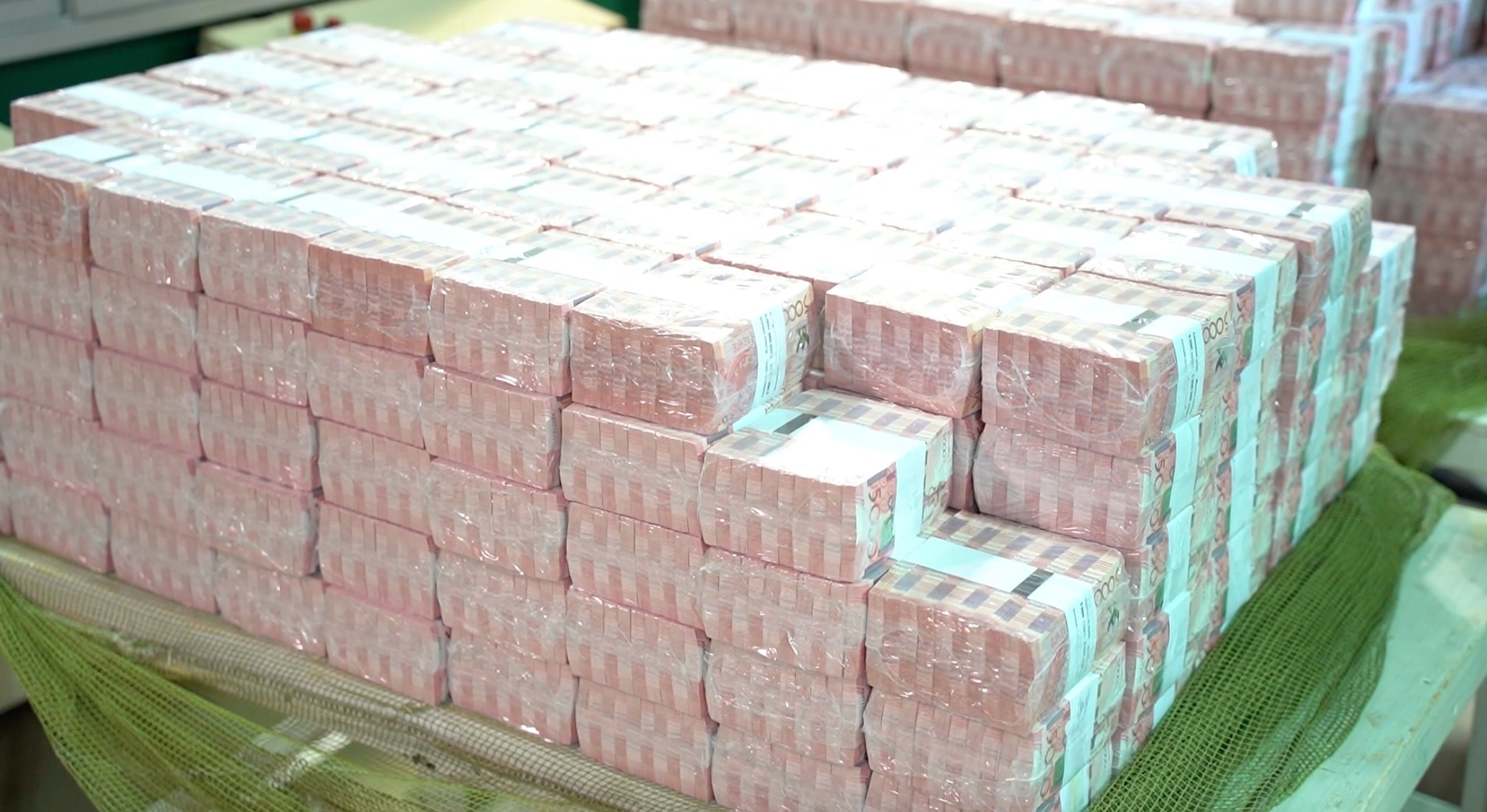 Photo by Alexey Ganashilin
In one example shown during the press tour, the dimensions of a banknote were reduced from 144 by 76 millimetres to 140 by 70 millimetres. The optimisation allowed approximately 30% more notes of the issued denominations to fit on a single printing sheet.
The smaller format speeds up cash processing at banks and reduces the use of paper, ink and other materials. According to the National Bank’s estimates, the changes cut carbon dioxide emissions by around 12%.
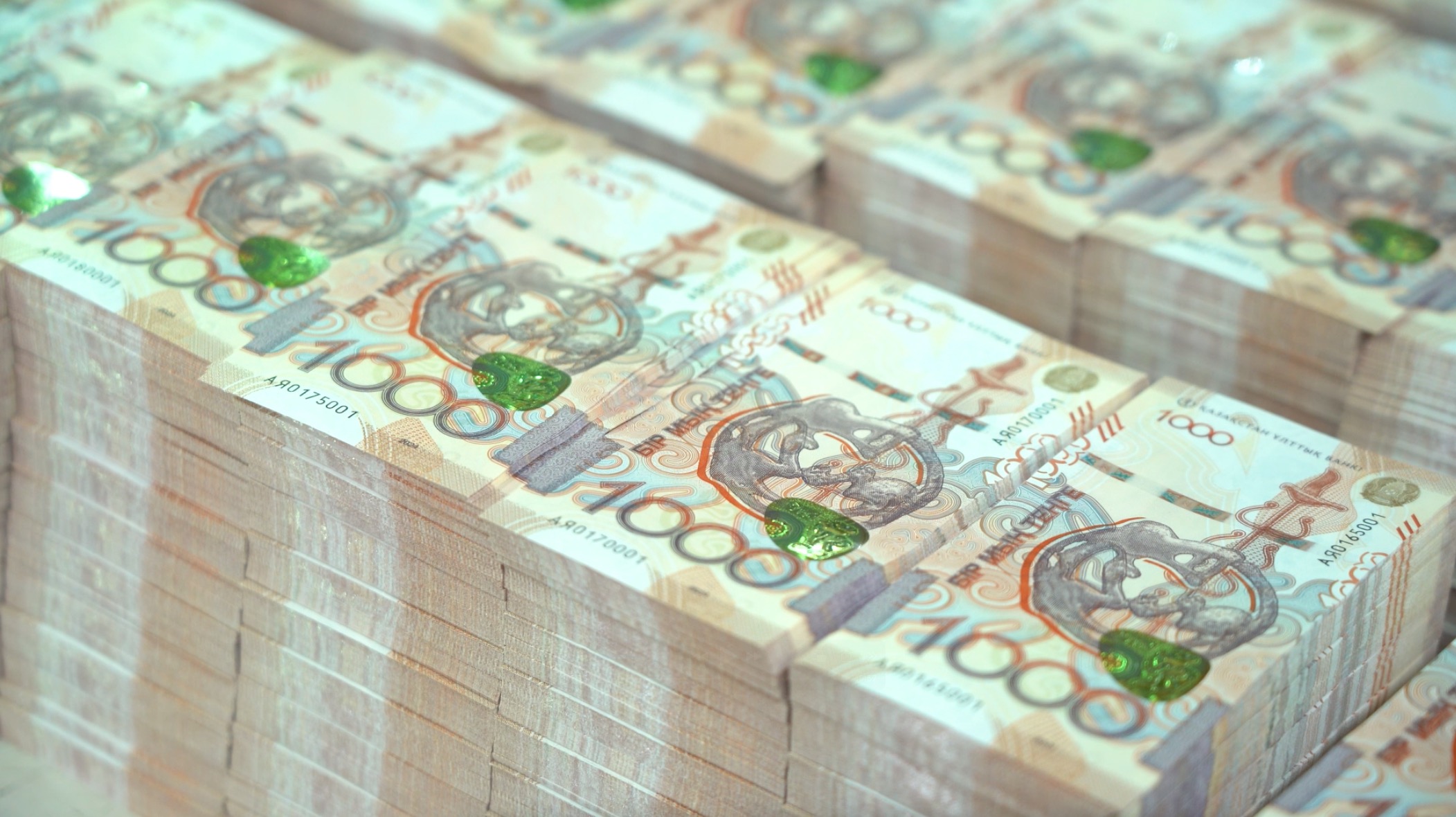 Photo by Alexey Ganashilin
For the factory, this means more efficient use of production capacity. For banks, it means faster sorting, storage and transportation of cash.
Why Saka animals appear on the tenge
The Saka Style series has been issued since 2023. Its design draws on the art of the ancient peoples of the Great Steppe and archaeological discoveries made across Kazakhstan.
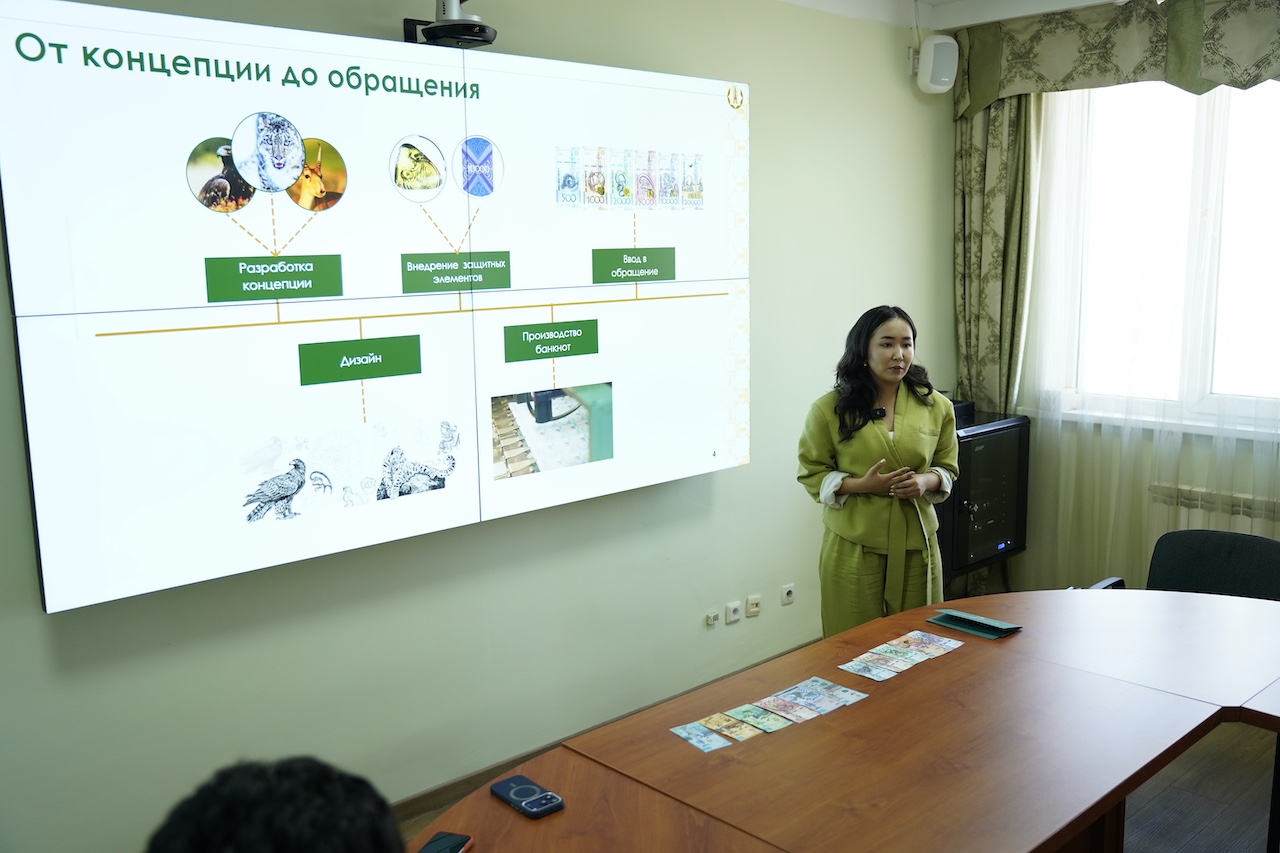 Photo by Alexey Ganashilin
The banknotes feature an argali, a coiled predator, a saiga antelope, a golden eagle, a horse and a snow leopard. The images were inspired by artefacts discovered at the Berel burial mounds, Besoba, Kyzyl-Togan, Taldy II and the Issyk burial mound.
The Golden Man, discovered near Almaty in 1969, became one of the principal sources of the series’ visual language. The ceremonial costume featured more than 4,000 pieces of gold decoration.
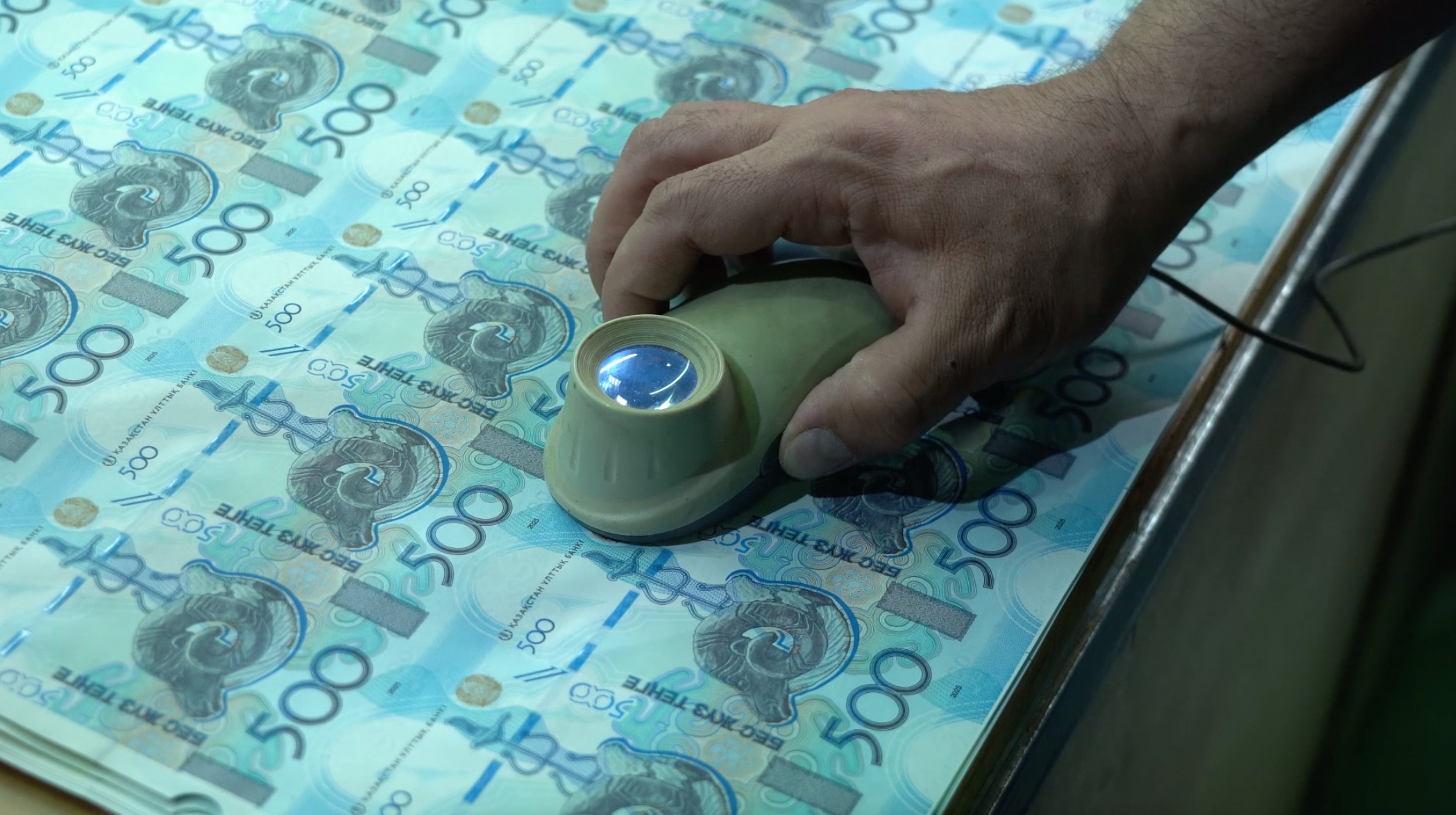 Photo by Alexey Ganashilin
The national imagery serves more than a decorative purpose. Complex illustrations, ornaments and minute details also form part of the banknotes’ overall security system.
Kazhmuratov said banknote designs are generally updated every seven to eight years, in line with international practice. Advances in printing technology and the emergence of new counterfeiting methods make such updates necessary.
What happens to older banknotes
Old notes do not disappear from circulation on the day a new series is issued. The National Bank establishes a parallel-circulation period of at least one year and may extend it if necessary.
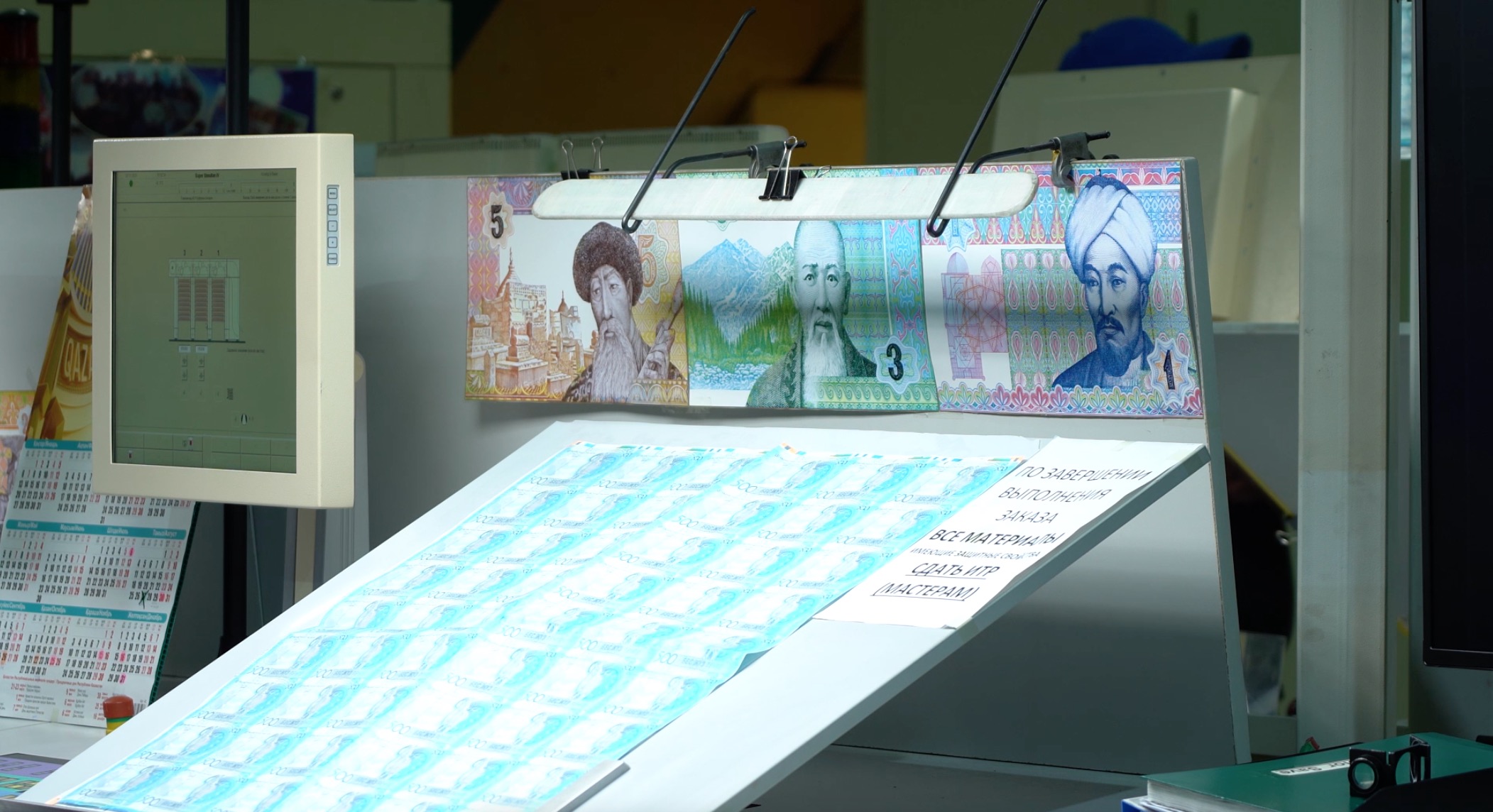 Photo by Alexey Ganashilin
The parallel-circulation periods for the older KZT 2,000 and KZT 5,000 banknotes have already ended. The notes can still be exchanged under the established procedure.
Older KZT 1,000 banknotes remain valid for all payments until March 27, 2027. The deadline is June 27, 2027, for KZT 10,000 notes and December 24, 2027, for KZT 500 notes.
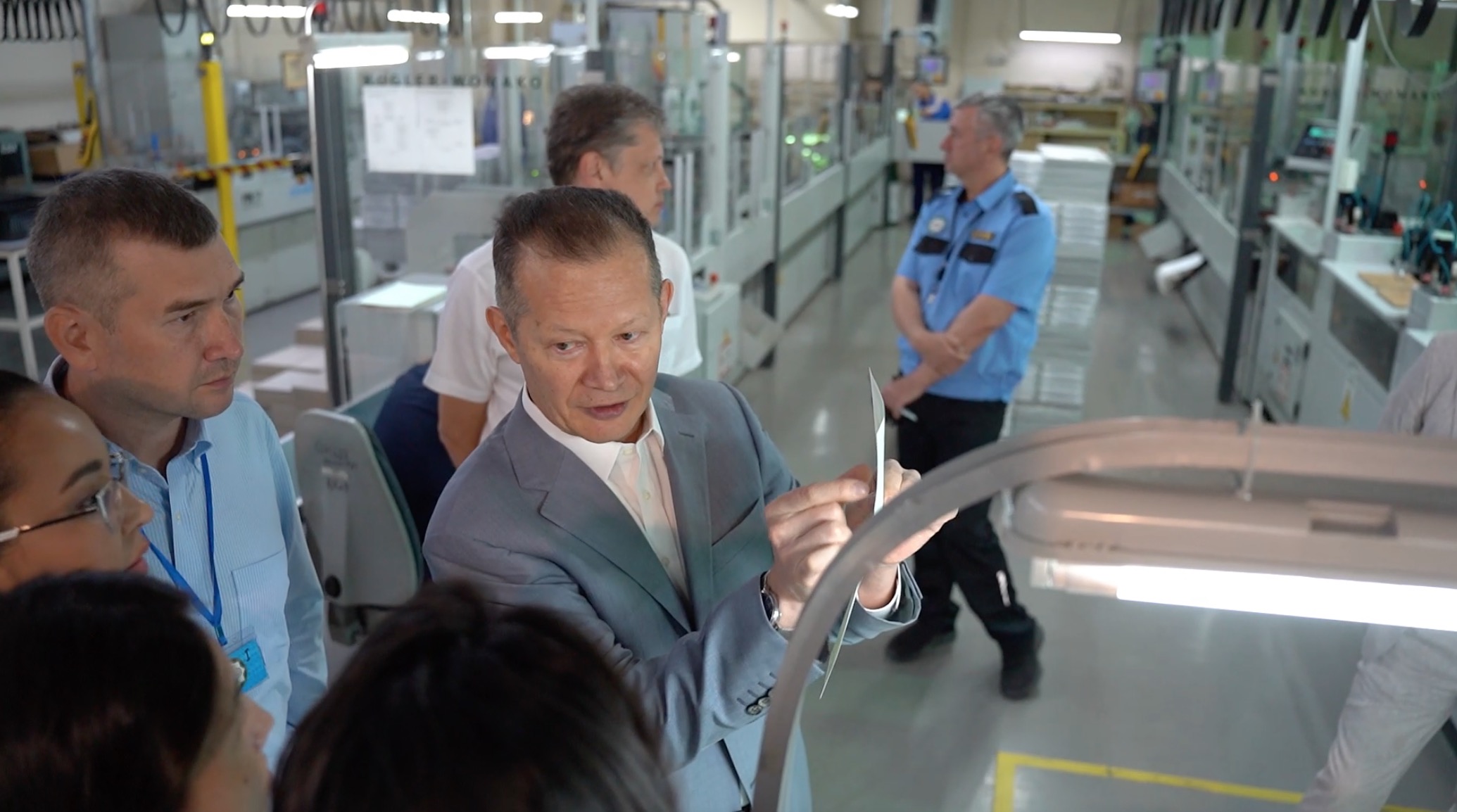 Photo by Alexey Ganashilin
After parallel circulation ends, commercial banks, Kazpost branches and National Bank offices exchange the notes for another three years. The National Bank’s regional branches will then continue exchanging them indefinitely.
There is therefore no need to rush to exchange older banknotes. Their nominal value does not expire when their circulation period ends.
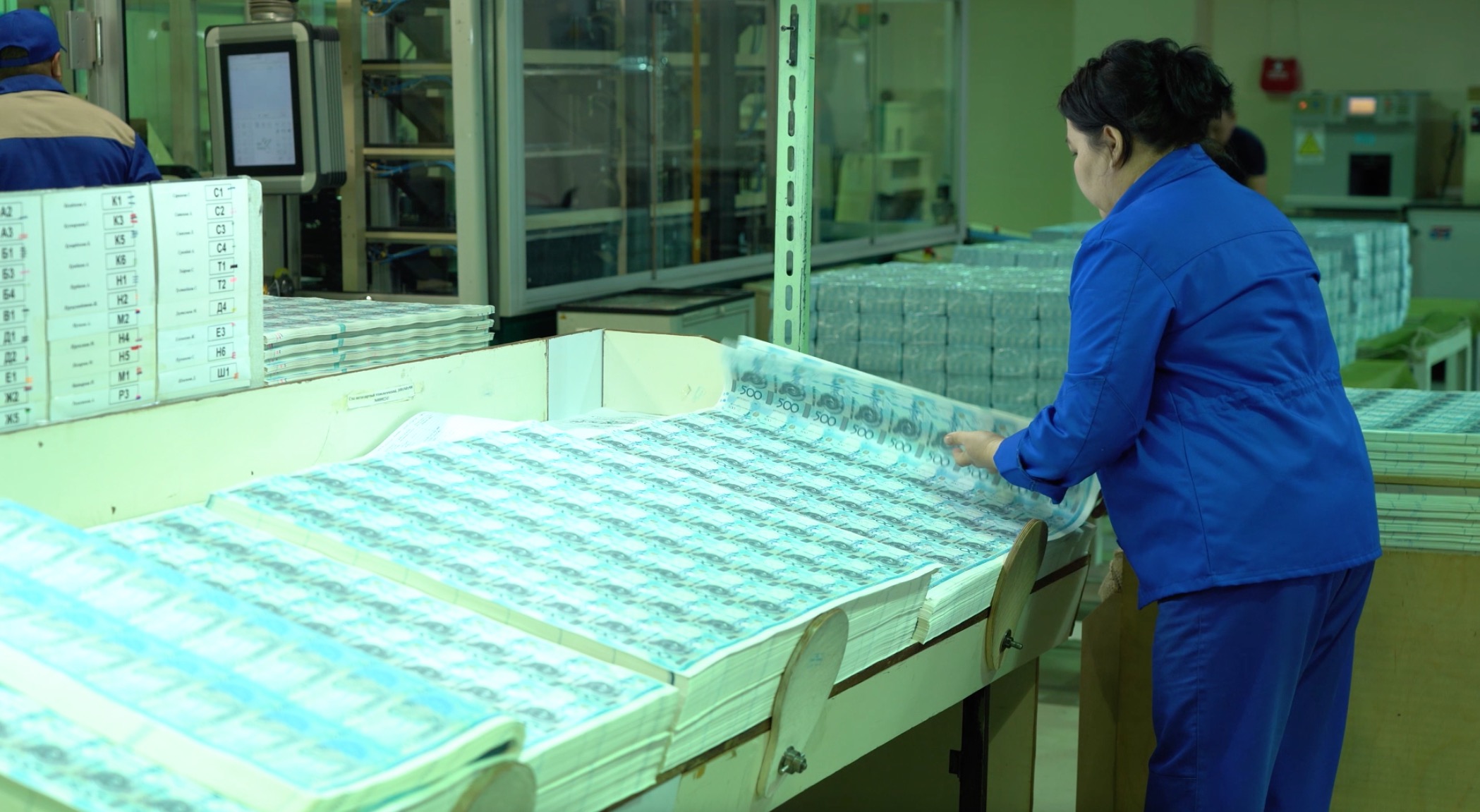 Photo by Alexey Ganashilin
Digitalisation is not eliminating cash
As of August 1, 2026, Kazakhstan had KZT 5.352 trillion in cash circulation. Banknotes accounted for KZT 5.244 trillion, while coins represented KZT 108.5 billion.
The picture is different when measured by the number of individual pieces. Of the 4.97 billion notes and coins in circulation, banknotes accounted for 683 million, or 14%, while coins represented 4.28 billion, or 86%.
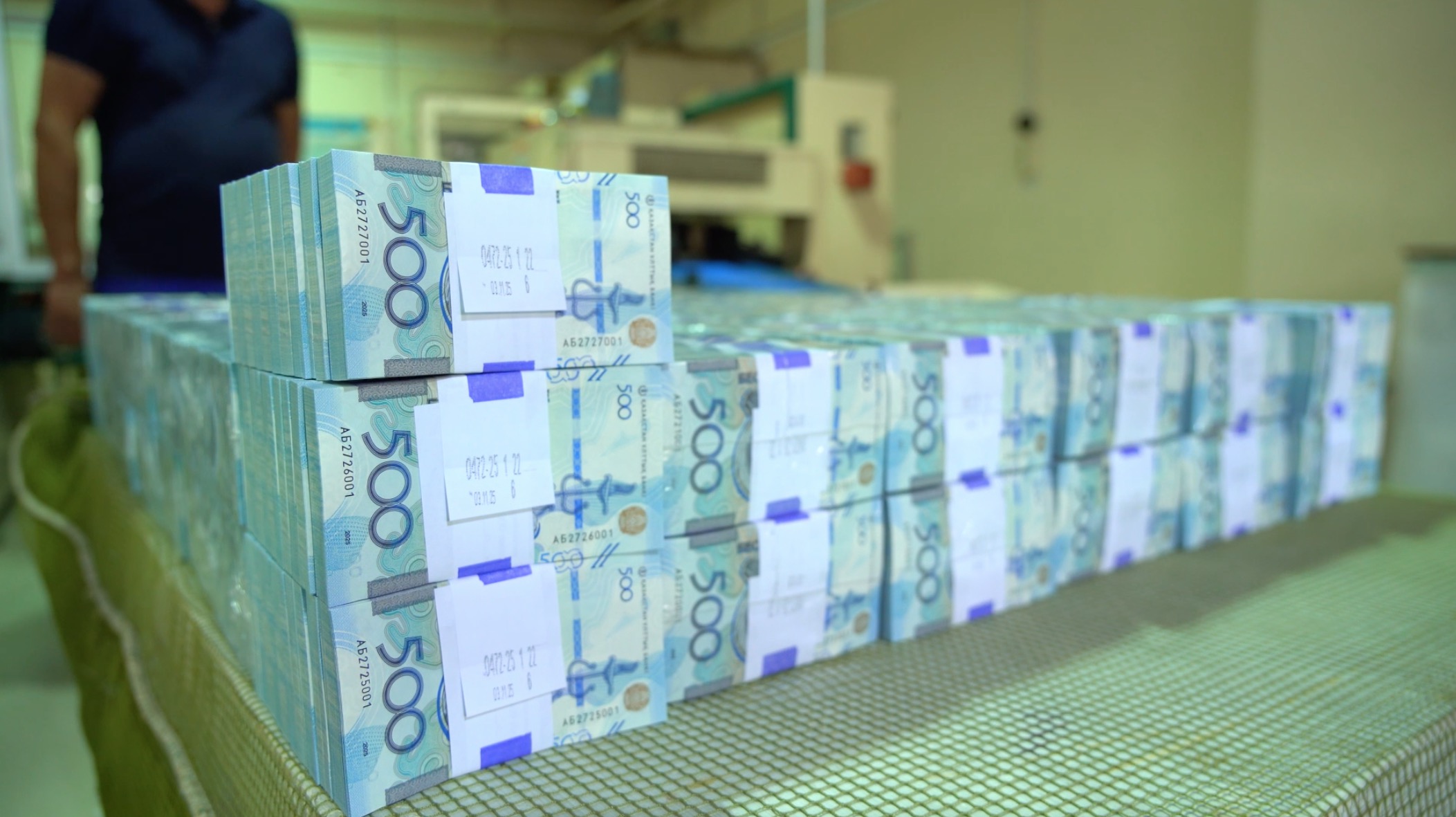 Photo by Alexey Ganashilin
The growth of cashless payments has not yet displaced physical money. Kazhmuratov described this as one of the paradoxes of the modern financial system.
 Photo by Alexey Ganashilin
“As the use of electronic money grows, the use of cash also continues to increase.”
Cash remains a backup means of payment during power cuts, internet outages and failures in banking infrastructure. Even countries with high levels of digital payments therefore continue to maintain banknote production and cash-circulation systems.
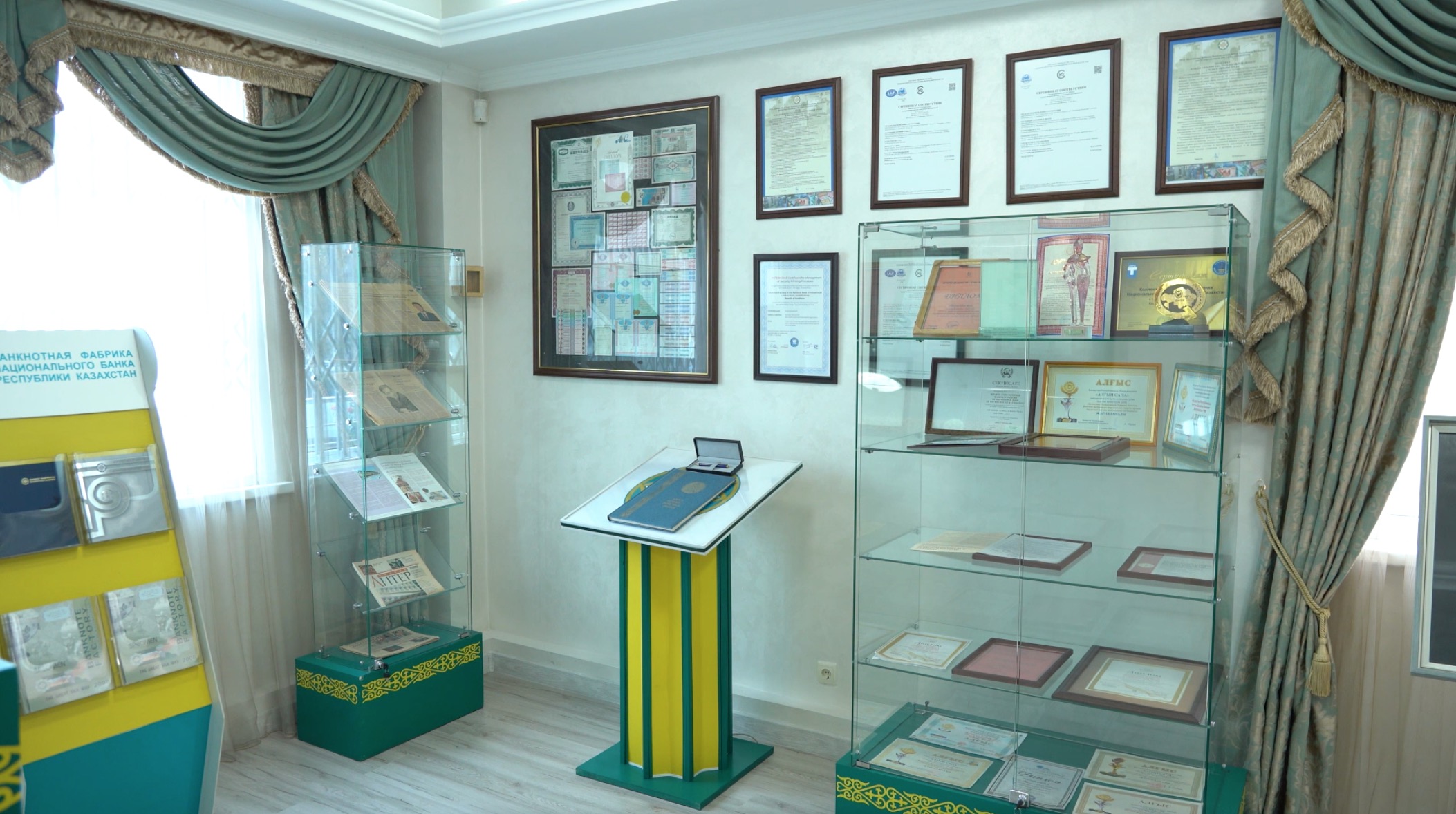 Photo by Alexey Ganashilin
Kazakhstan’s banknotes have repeatedly received awards from the International Bank Note Society, the International Association of Currency Affairs and High Security Printing. From 2011 to 2013, the country’s banknotes were named the world’s best for three consecutive years.
 Photo by Alexey Ganashilin
Behind an ordinary banknote are months of development, expensive materials, dozens of production processes and a quality-control system in which even the smallest defect matters.