
Korea has protected 156,000 hectares of living coastline.
On July 25, 2026, UNESCO’s World Heritage Committee approved the expansion of Getbol, the Korean Tidal Flats. The decision was adopted during the committee’s 48th session in Busan, DKNews.kz reports.
 UNESCO
Four areas changed the World Heritage map
The second phase added tidal flats around Yeosu, Goheung, Muan and Seosan. Together with the areas inscribed in 2021, they now form a serial World Heritage property consisting of six components.
The protected property has expanded to 156,386 hectares. Another 105,303 hectares form its buffer zone.
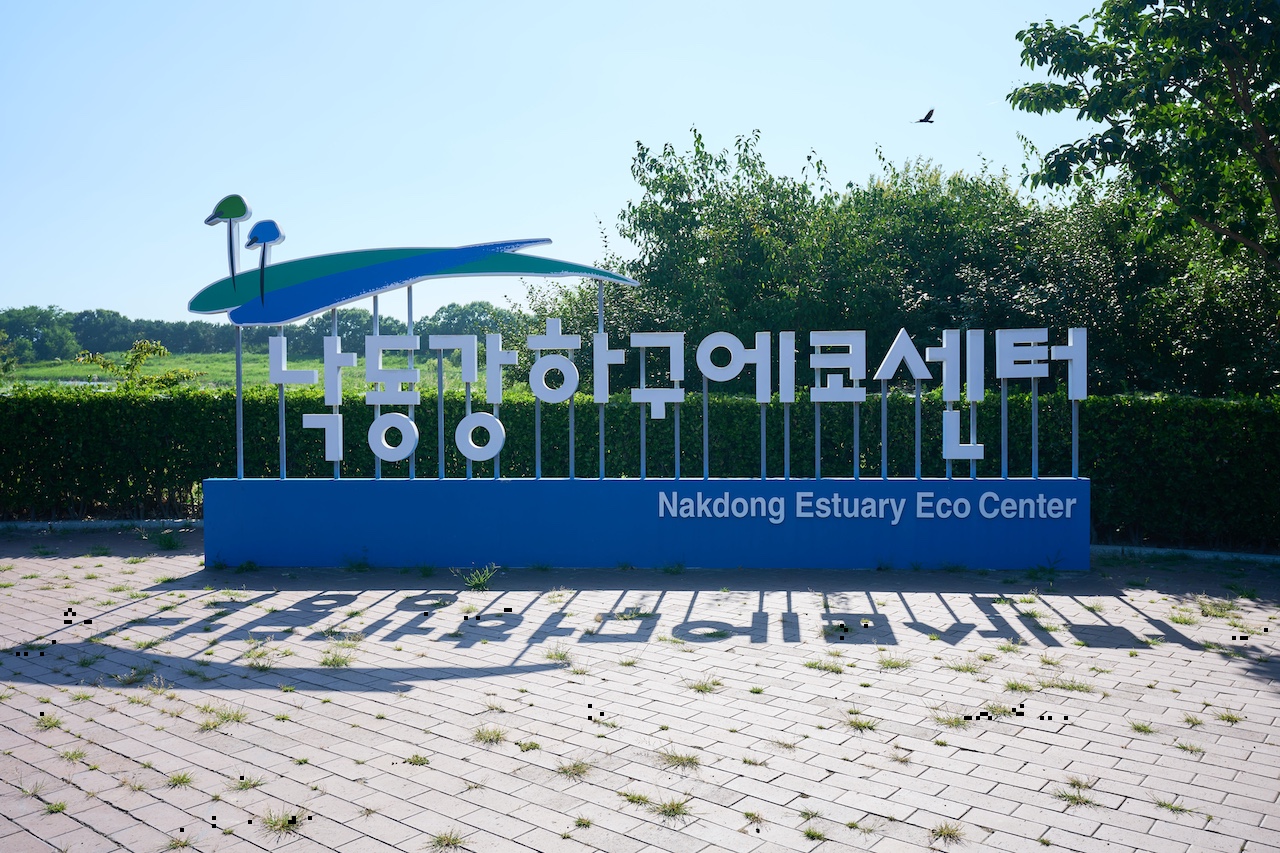
The International Union for Conservation of Nature estimated that the extension increased the property by approximately 22 percent. But the result cannot be measured in hectares alone.
The new areas connect feeding, breeding and resting grounds used by migratory birds. Previously separated stretches of coastline now function as one ecological system.
“[The second phase] adds substantial species diversity and habitat values, enhancing the overall integrity of the serial property,” said Tim Badman, Director of World Heritage at IUCN.
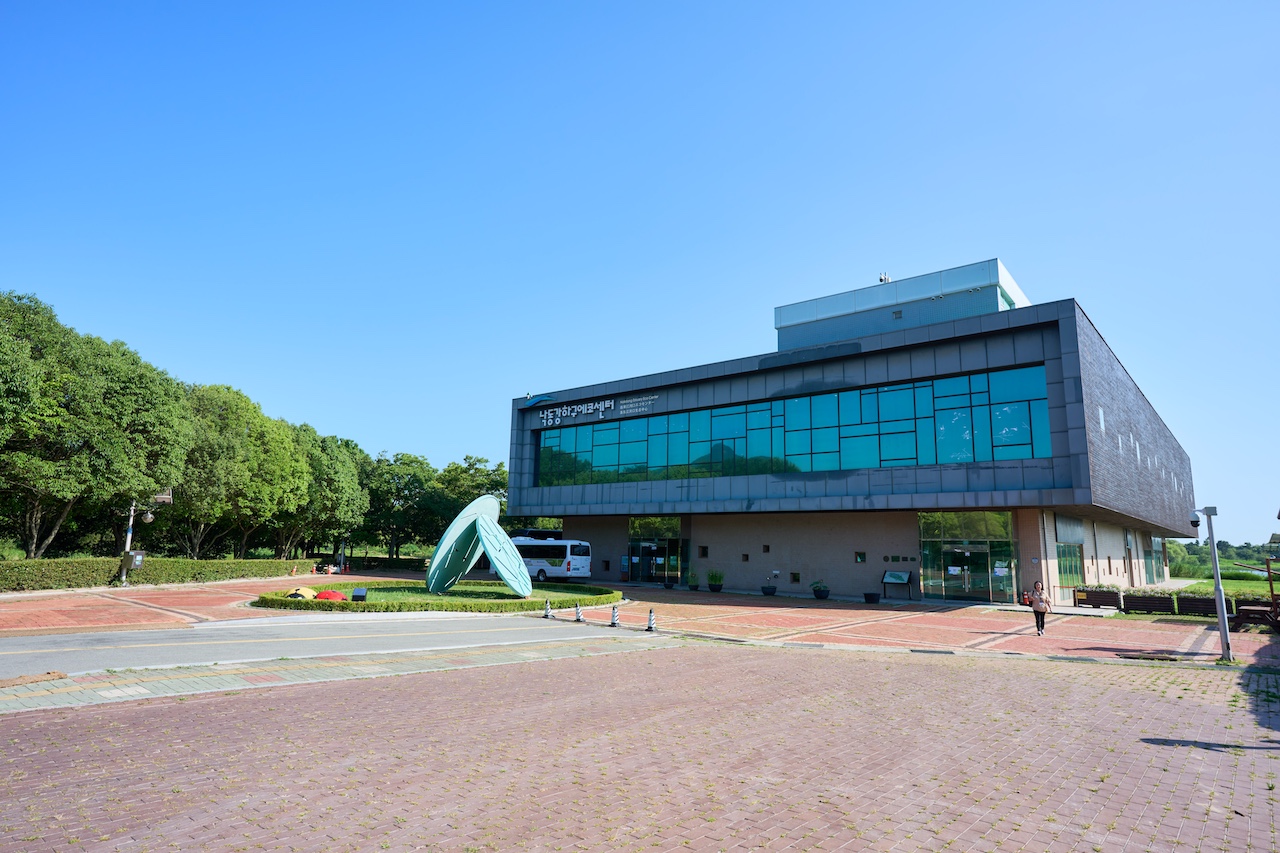
Why UNESCO protects what looks like ordinary mud
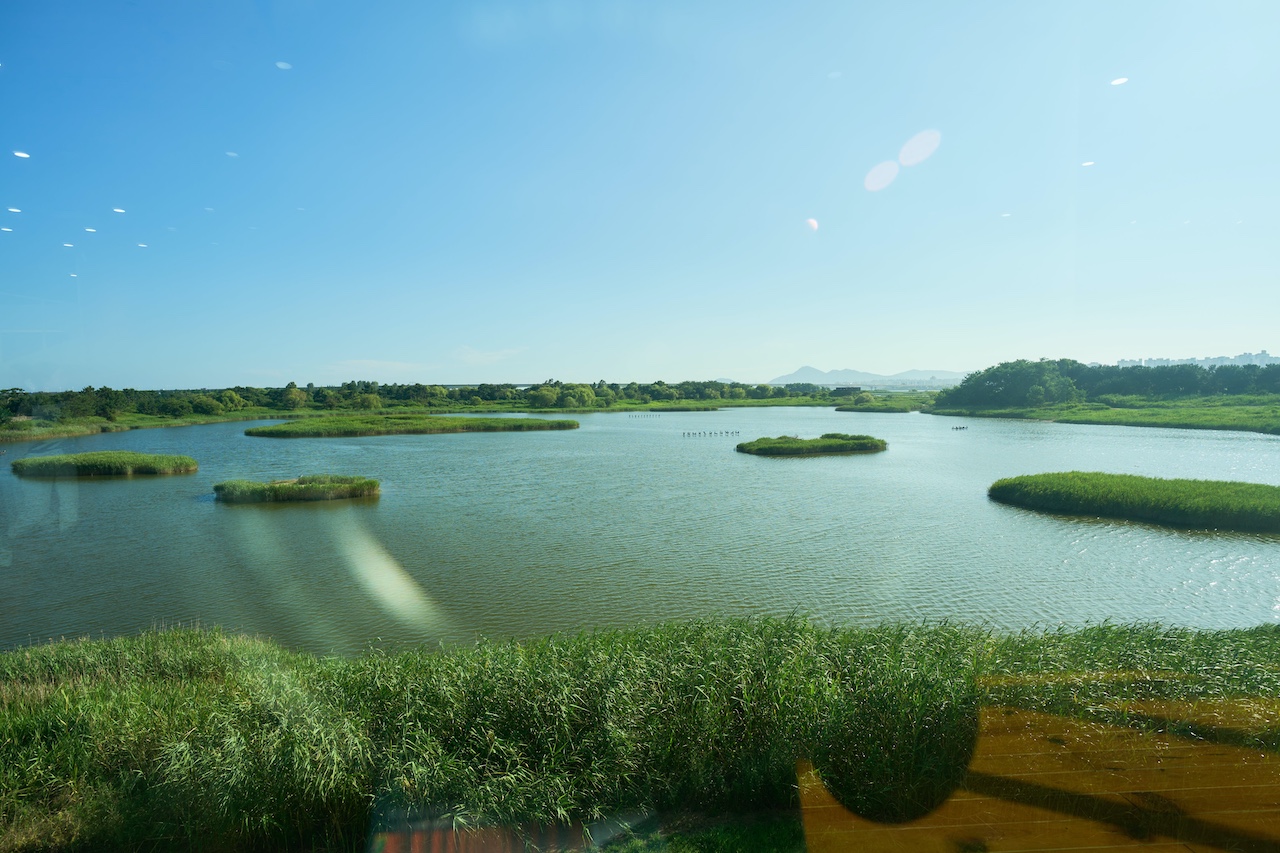
At low tide, the sea retreats and exposes kilometres of sand and sediment. To a casual visitor, it may look empty; to the ecosystem, it is an enormous feeding ground.
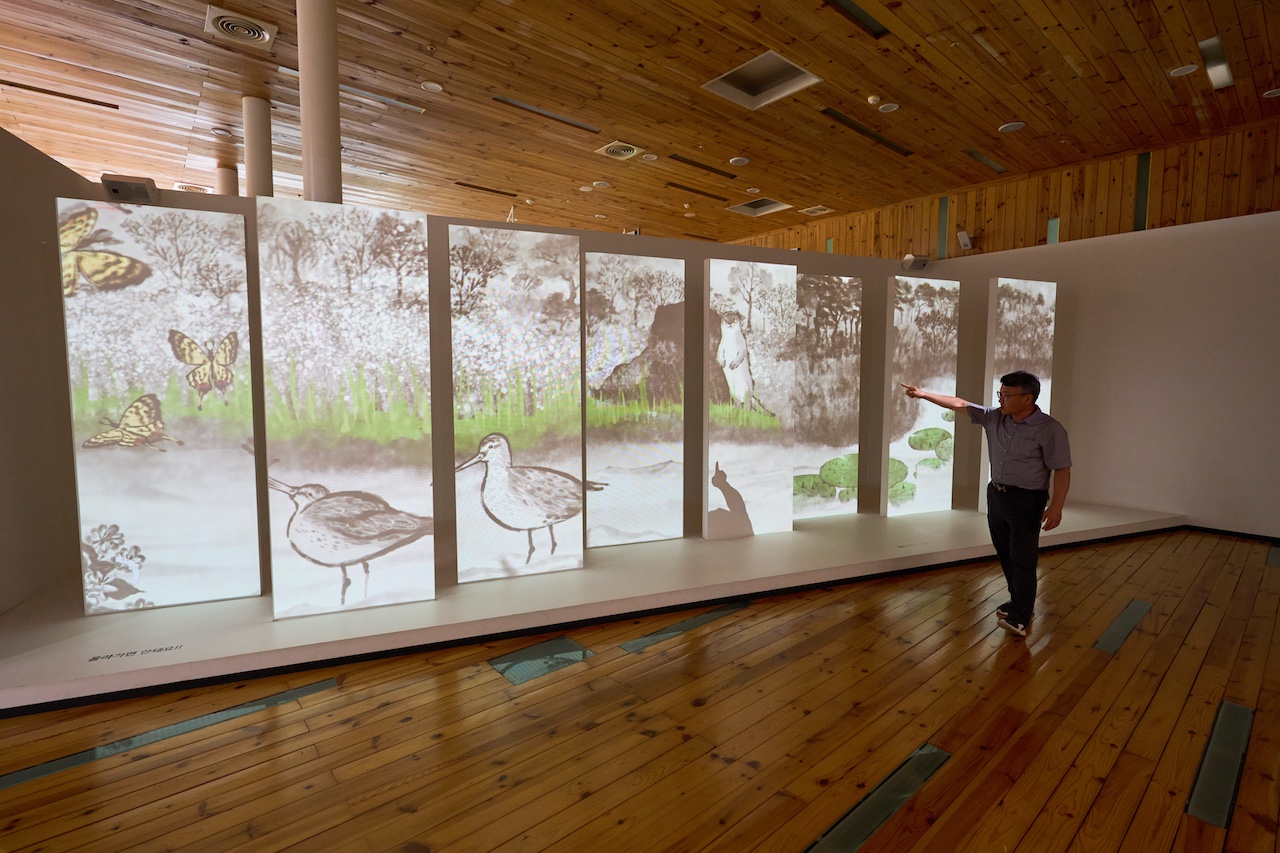
Getbol supports 2,454 recorded plant and animal species. It is home to 216 bird species, including 24 that face a global threat of extinction.
The Yellow Sea lies at the heart of the East Asian–Australasian Flyway. Tens of millions of waterbirds use this route every year while travelling between Siberia, Alaska, East Asia and Australasia.
If one critical stopover disappears, the birds cannot simply choose another beach. They lose the place where they replenish their energy for journeys spanning thousands of kilometres.
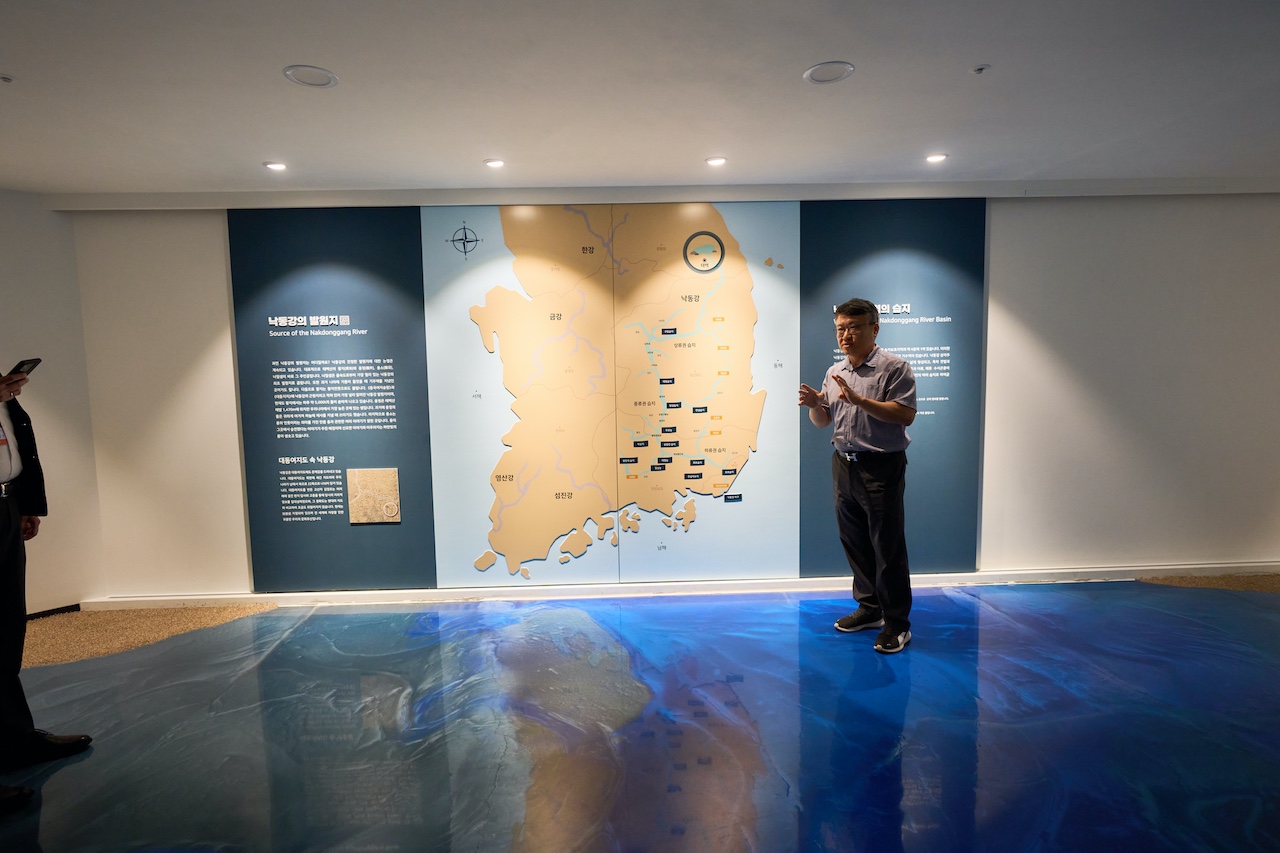
Korea abandoned the old development model
For decades, tidal flats were treated as a reserve of unused land. Coastal areas were reclaimed for industry, roads, housing and agriculture.
In 2019, Korea adopted a dedicated Tidal Flat Act. National policy shifted from reclamation to coastal protection and restoration.
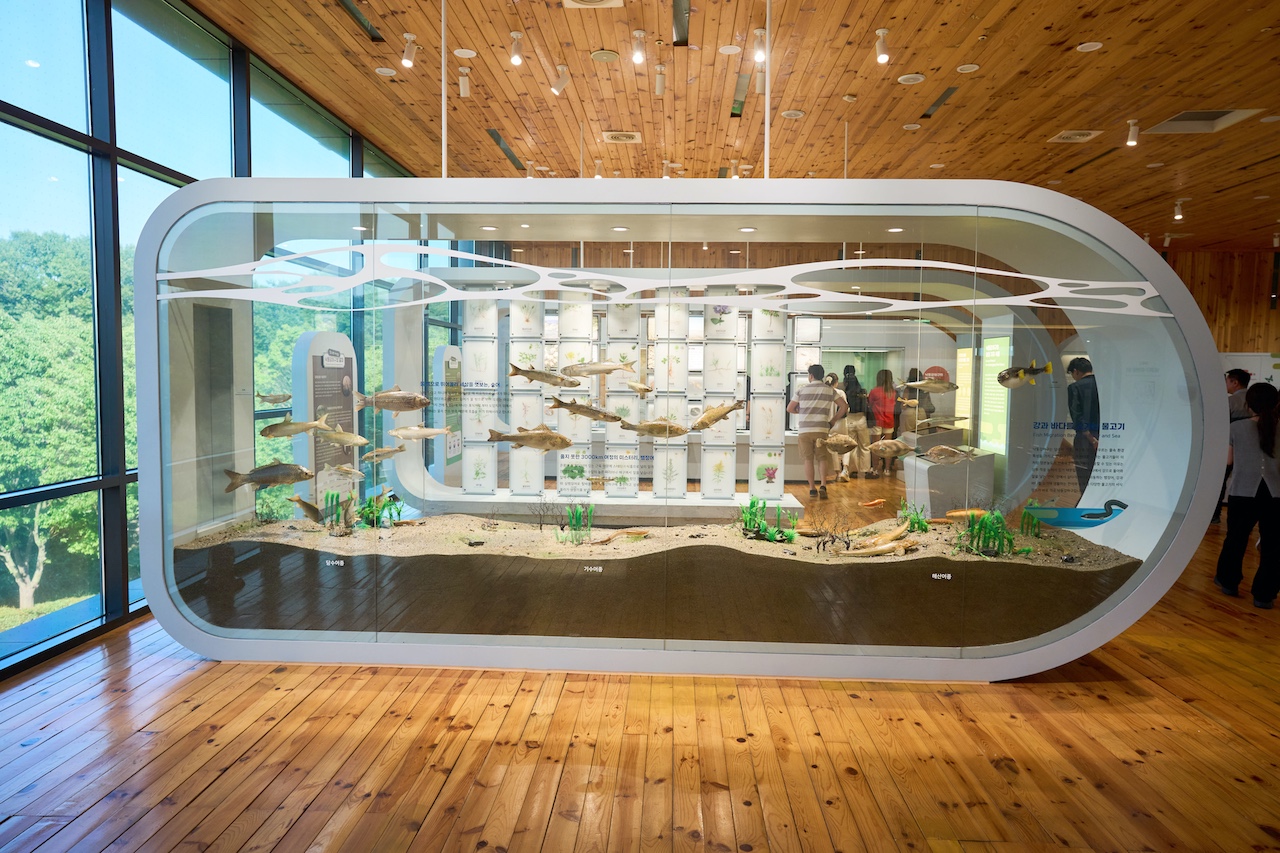
This is not simply a romantic effort to save birds. Tidal flats sustain fish stocks, soften the impact of storms, store carbon and provide income for coastal communities.
Local residents harvest shellfish and octopus using knowledge passed down through generations. Some areas still practise bbeolbae fishing, in which fishers move across deep mud while resting one knee on a wooden board.
UNESCO did not demand the removal of local communities. Korea’s model allows traditional fishing and ecotourism to continue as long as they do not damage the ecosystem.

“We shall remain ever mindful that the Getbol is not Korea’s own, but a shared heritage of all humankind,” said Huh Min, Administrator of the Korea Heritage Service.
UNESCO status does not permit uncontrolled growth
International recognition attracts tourists and investment, but it also raises the cost of every mistake. Unmanaged tourism can drive birds away as quickly as an industrial development.
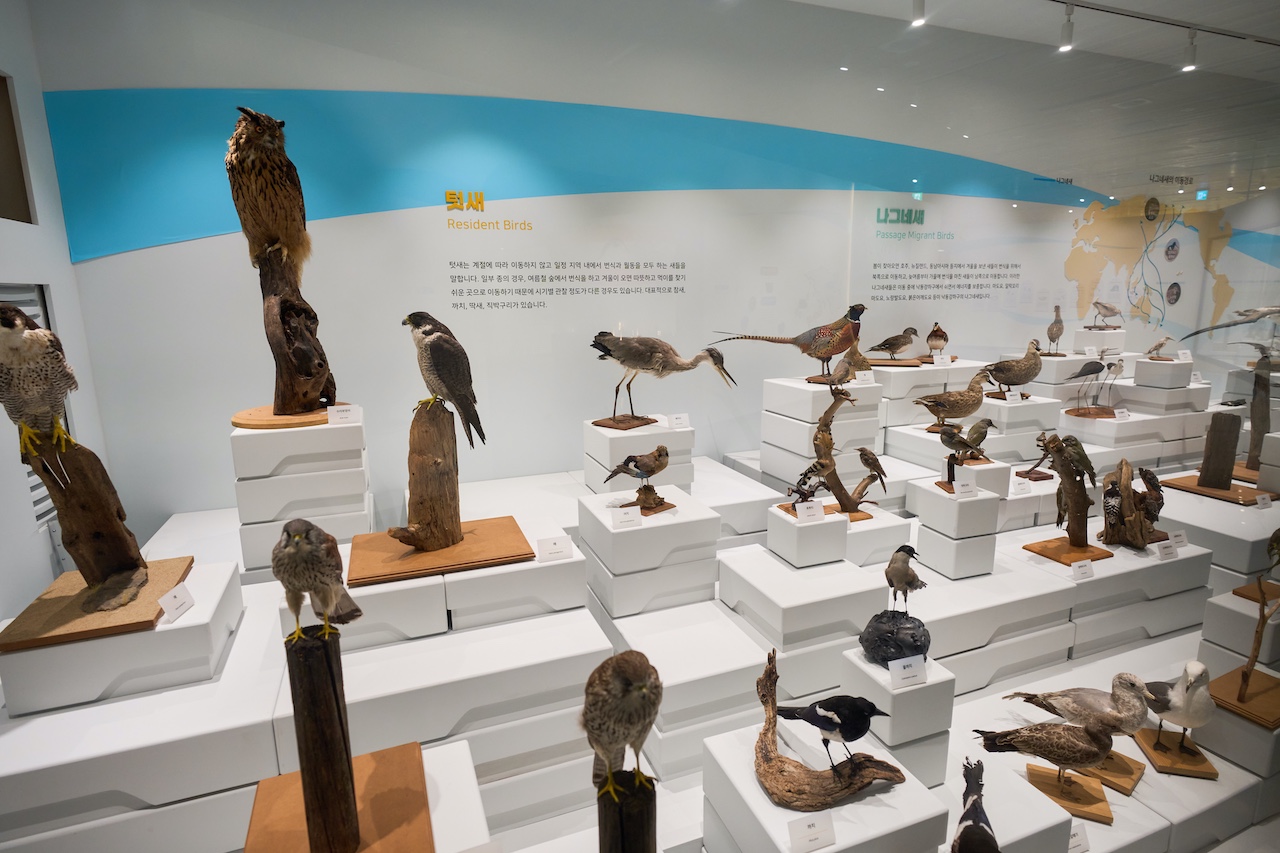
UNESCO identified pollution, offshore wind projects, declining fish stocks and climate change among the major threats. Any large project near Getbol must now be assessed for its potential impact on the property’s ecological value.
Management is shared by the Ministry of Oceans and Fisheries, the Korea Heritage Service, regional authorities, wetland centres and local communities. Management plans are reviewed every five years.
This system is more complex than imposing a blanket ban. It also connects conservation with the real economy of the coastline.
What this means for Kazakhstan
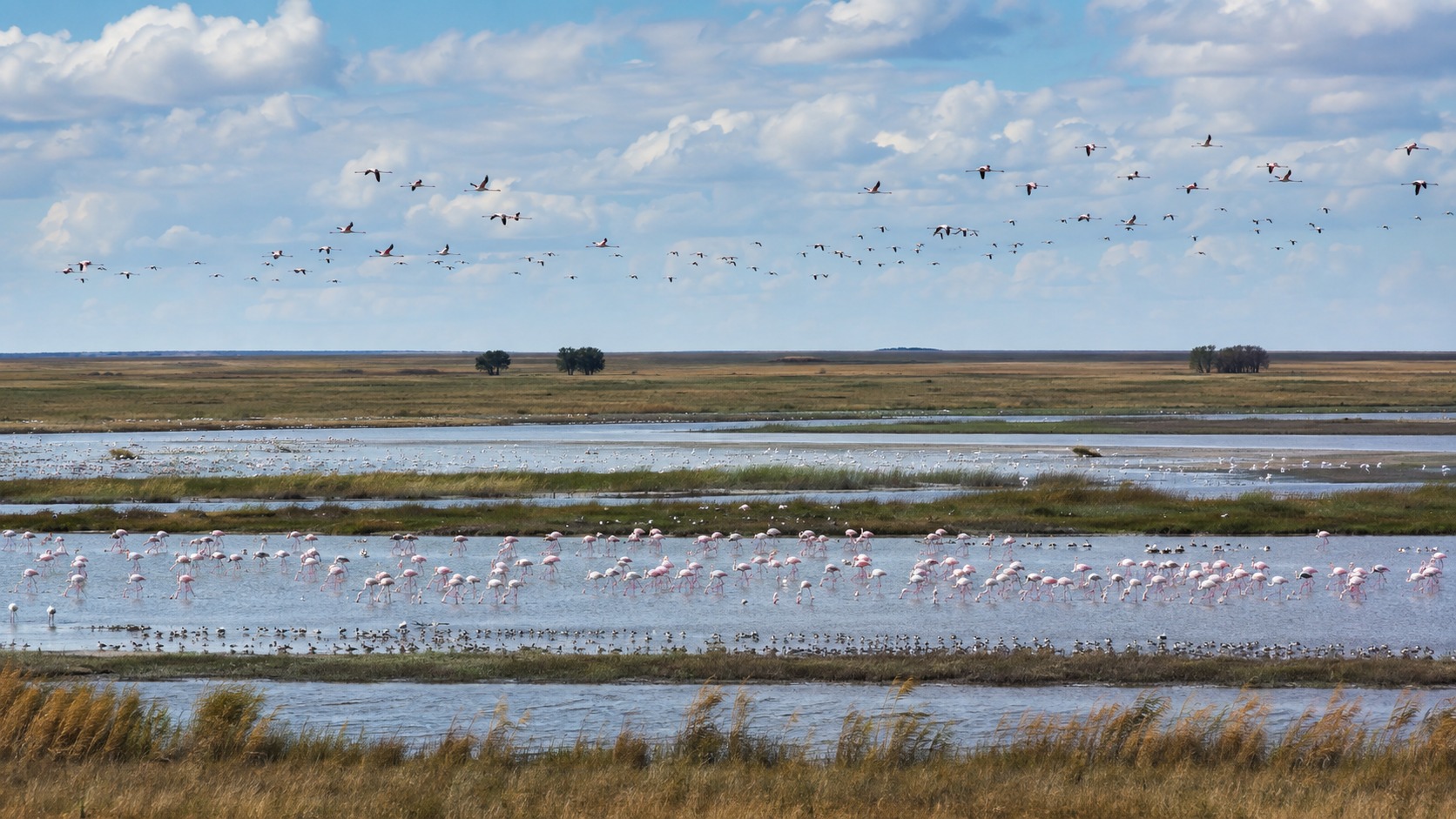
Kazakhstan has no ocean tidal flats, but it possesses similar natural capital in the lakes and steppes of Saryarka. The Korgalzhyn and Naurzum nature reserves have been on the UNESCO World Heritage List since 2008.
The property covers 450,344 hectares. Its wetlands provide essential stopovers for birds migrating from Africa, Europe and South Asia to their breeding grounds in Siberia.
According to UNESCO, the Korgalzhyn–Tengiz lake system can provide feeding grounds for up to 15–16 million birds. The survival of this ecosystem depends directly on its hydrological regime and water inflows from the Nura River.
Birds do not recognise administrative borders.
Protecting one lake will achieve little if neighbouring wetlands disappear, a river’s course changes or construction blocks safe resting grounds. Korea’s experience shows that governments must manage the entire migration route, not an isolated point on a map.
Five Korean lessons for Kazakhstan
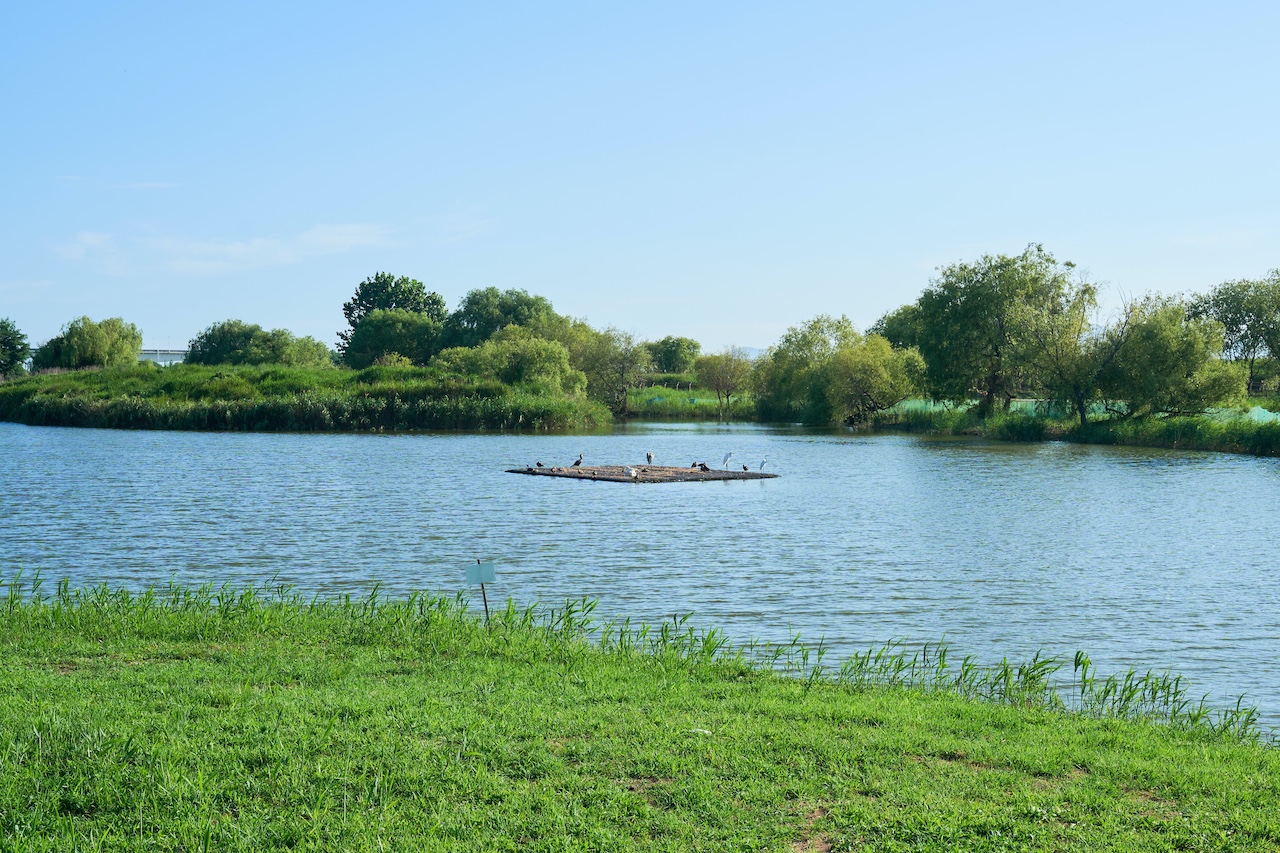
First, Kazakhstan can identify ecological corridors connecting lakes, river deltas and seasonal bird concentration areas. Protected boundaries should follow natural processes rather than district or regional borders.
Second, water policy must become part of heritage management. For Korgalzhyn, the volume and quality of water arriving from the Nura River matter as much as the work of inspectors inside the reserve.
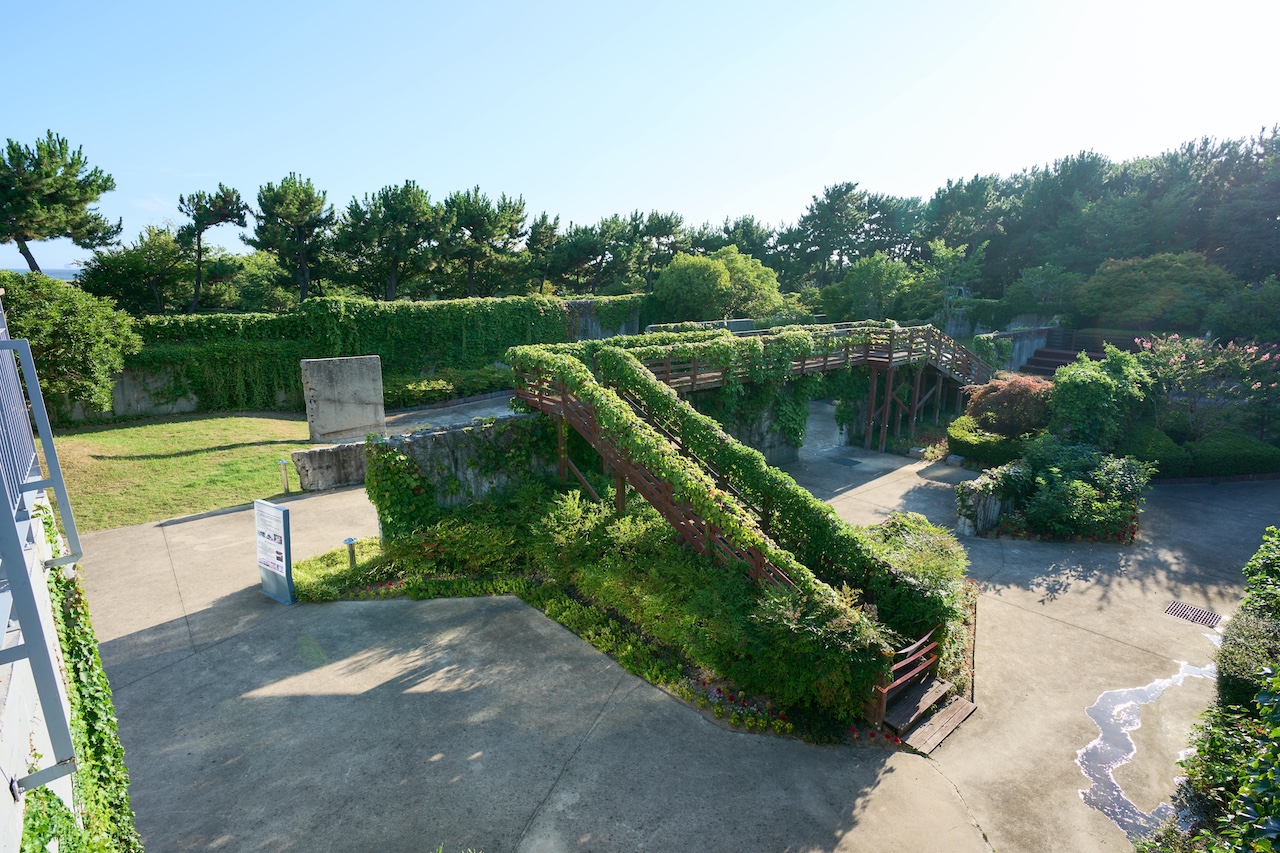
Third, authorities should reach agreements with local communities before introducing restrictions. Korea secured the support of fishers and municipalities while preparing the Getbol extension.
Fourth, Kazakhstan needs measurable limits on tourism. The number of vehicles, boats, resorts and visitors should depend on the condition of the ecosystem, not only on business demand.
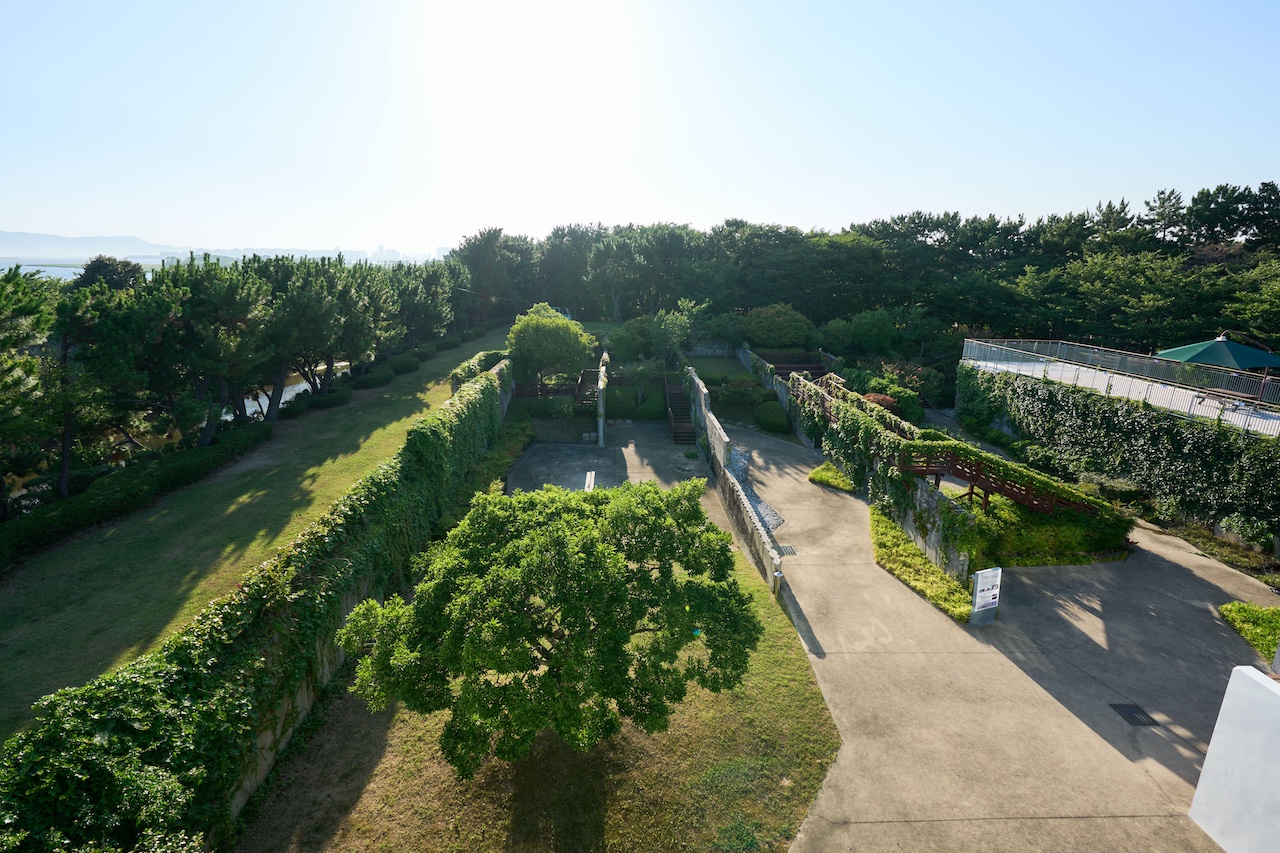
Fifth, the country can strengthen cooperation with other states along the Central Asian Flyway. Protecting one stopover cannot compensate for losing another.
Nature is working infrastructure
UNESCO status does not automatically generate revenue. It forces governments to calculate the value of assets once treated as free: water, fish stocks, migration routes, traditional knowledge and international reputation.
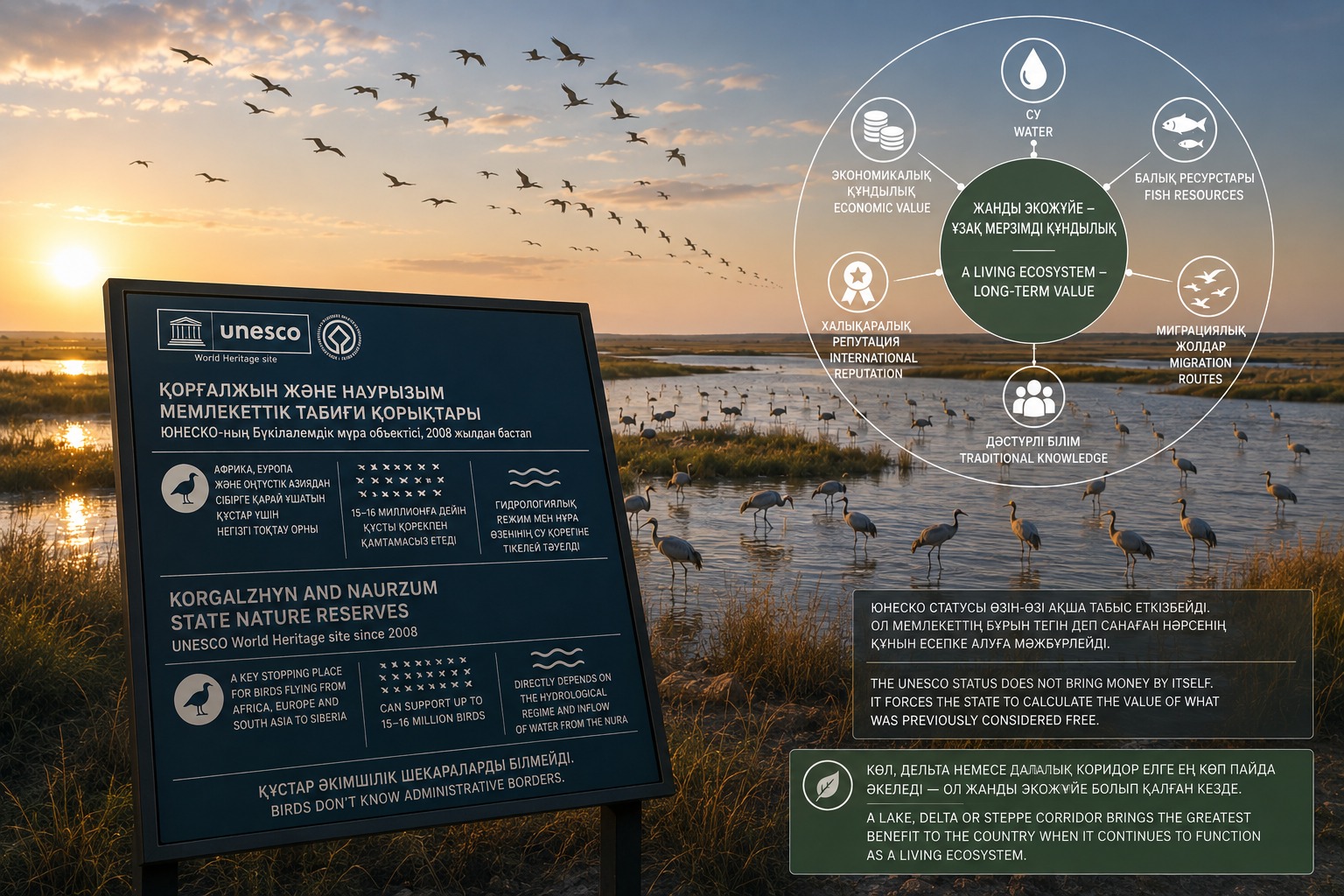
Korea stopped viewing tidal flats as vacant land and recognised them as working infrastructure. Getbol has retained its economic value precisely because its use is restricted.
That is the central lesson for Kazakhstan. A lake, delta or steppe corridor creates more value while it remains a functioning ecosystem than after it becomes a construction site.