

Tokyo is widening its engagement with the Turkic world. Japan and the Organization of Turkic States are exploring deeper cooperation across transport, infrastructure, investment and technology, with the Middle Corridor emerging as a central part of the discussion, DKNews.kz reports.
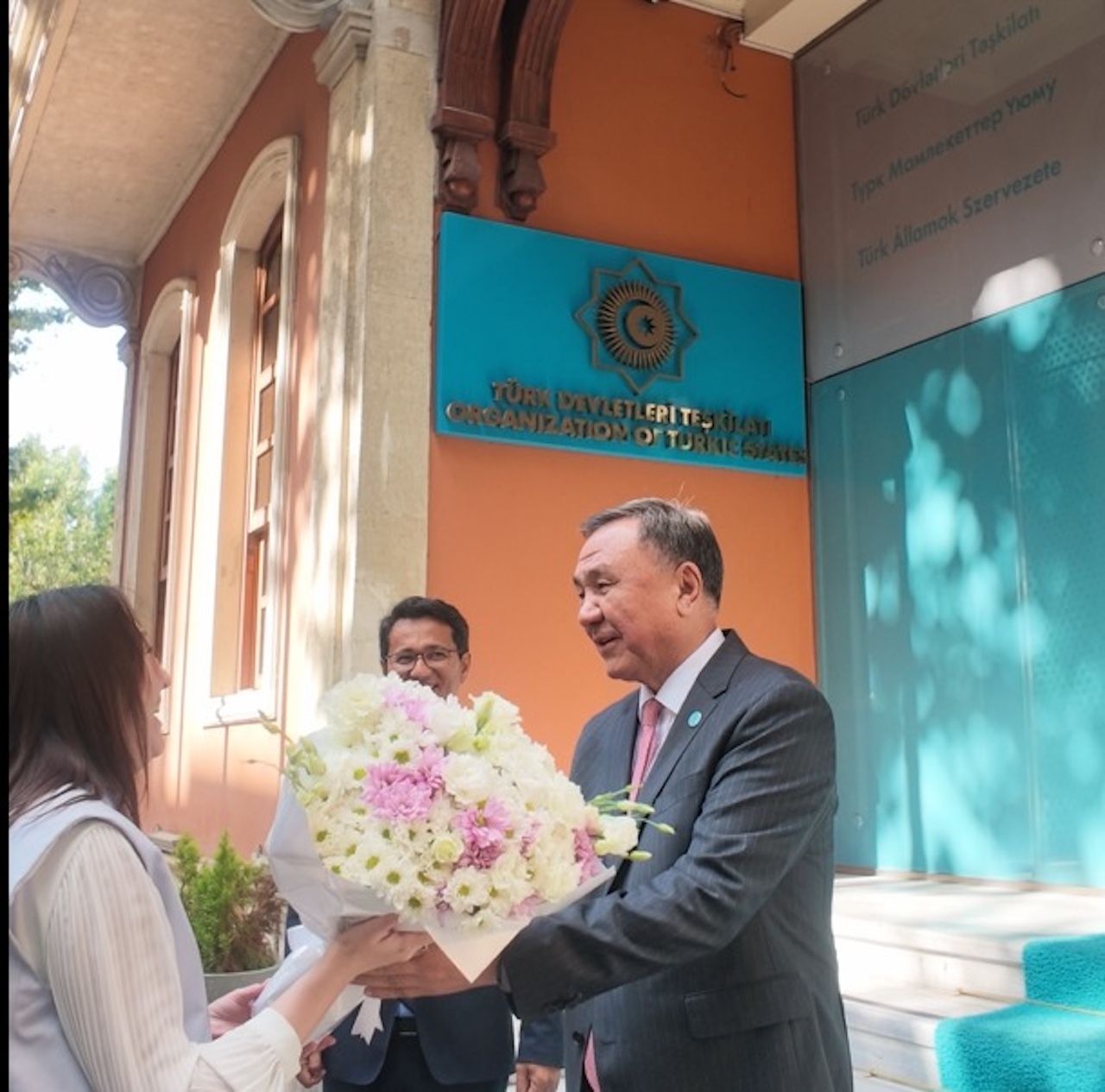
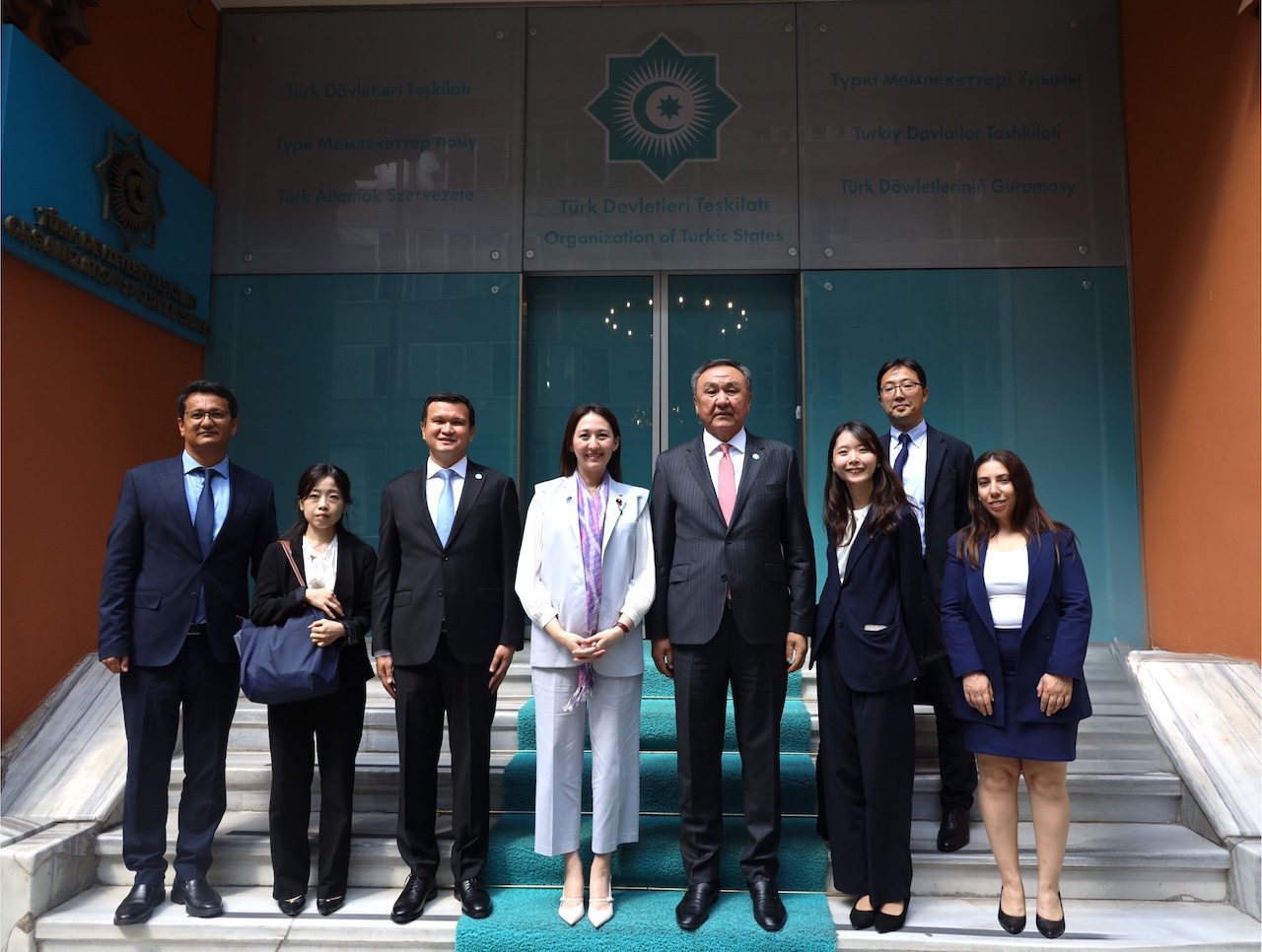
OTS Secretary General Kubanychbek Omuraliev met Arfiya Eri, Japan’s Parliamentary Vice-Minister for Foreign Affairs, at the organisation’s secretariat in Istanbul on August 10. The talks also covered the potential for closer engagement through the OTS+ format.
Middle Corridor moves higher on the agenda
The most commercially significant part of the talks centred on connectivity between Asia and Europe.
Mr. Omuraliev highlighted the growing economic and strategic importance of the OTS region, which sits across major transport, trade and energy routes linking the two continents.

Particular attention went to the Trans-Caspian International East-West Middle Corridor, with the OTS identifying scope for closer cooperation with Japan in connectivity, infrastructure, technology and sustainable development.
That gives the talks a more practical dimension than a conventional diplomatic meeting. The Middle Corridor is being discussed alongside the physical infrastructure, technology and investment needed to deepen economic links across Eurasia.
No specific Japanese investment commitment or infrastructure project was announced at the meeting.
Tokyo targets digital and green sectors
Japan, for its part, signalled that it sees the relationship extending well beyond transport.
Ms. Eri reaffirmed Tokyo’s interest in strengthening ties with OTS countries and identified economic development, connectivity, innovation, digital transformation and the green transition as areas for potential cooperation.

She also stressed Japan’s emphasis on dialogue, mutual respect, the rule of law and a free and open international order.
The breadth of that agenda matters. It places digital infrastructure, innovation and the green economy alongside more traditional areas such as trade and transport, potentially giving future OTS-Japan cooperation a wider investment and technology component.
OTS+ could become the bridge to Japan
The two sides also discussed cooperation through OTS+, a format that allows the organisation to deepen engagement with partners outside its core membership.

The agenda covered trade and investment, energy, transport and connectivity, digitalisation, innovation, green transformation, education and people-to-people ties.
For the OTS, closer engagement with Japan would broaden the organisation’s external economic relationships beyond the Turkic world itself.
For Tokyo, the format offers a channel for dealing with a group of countries positioned across an increasingly important Eurasian transport and economic space.
Still, the talks remain at an exploratory stage. Neither side announced financing volumes, binding agreements or a list of projects ready for implementation.
The next test is whether talks produce projects
The meeting ended with both sides agreeing to maintain contacts and continue identifying concrete opportunities for mutually beneficial cooperation.
That leaves a clear benchmark for what comes next.
Japan and the OTS have now identified a broad common agenda spanning the Middle Corridor, investment, energy, technology and digital transformation. The more consequential question is whether that political interest can now be converted into infrastructure, capital and commercially viable projects across the region.