


Dubai is turning toward nature. An autumn trip to the emirate can now be built around desert reserves, the Hatta mountains, wetlands and marine ecosystem restoration projects, DKNews.kz reports.
The routes and figures come from materials released by Dubai’s Department of Economy and Tourism (DET) on August 18, 2026. Beyond the familiar skyline of the metropolis, Dubai has developed an entire tourism ecosystem for travelers who want to see oryx, gazelles, flamingos and sea turtles.
Al Marmoom Covers Nearly 23% of Dubai
One of Dubai’s largest nature destinations is the Al Marmoom Desert Conservation Reserve. It is the emirate’s largest protected area, covering nearly 23% of Dubai’s total land area.
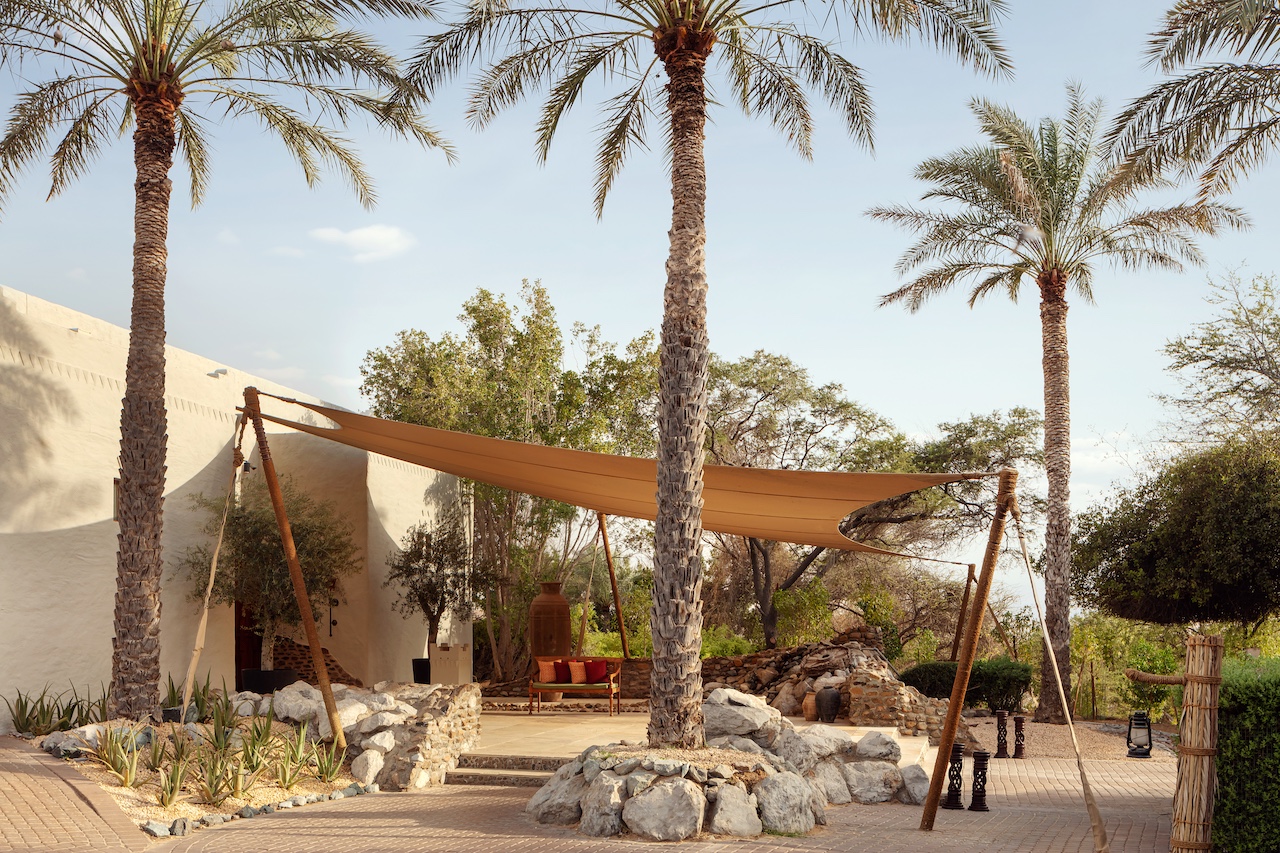
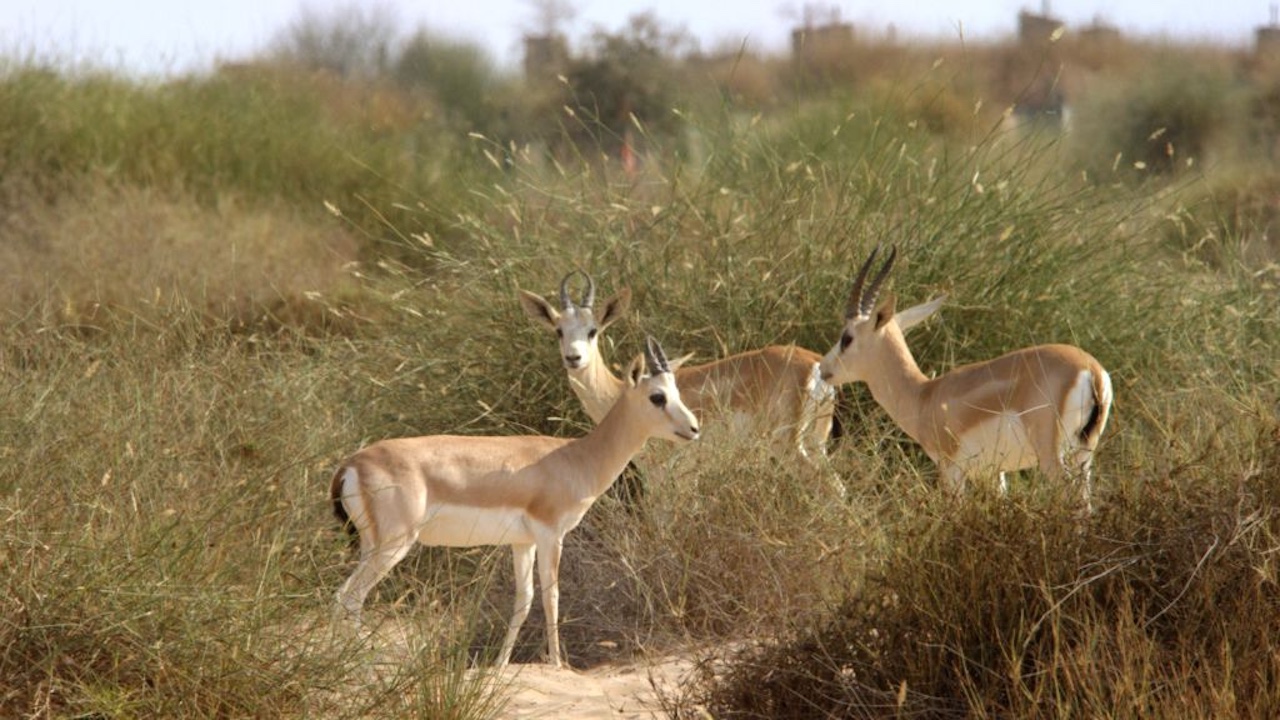
Arabian oryx, gazelles, birds and reptiles live across the reserve. Here, Dubai looks completely different: skyscrapers and highways give way to dunes and a desert ecosystem adapted to extreme heat and scarce water.
Another major protected area is the 225-square-kilometer Dubai Desert Conservation Reserve. It is home to more than 50 plant species, 120 bird species and 43 species of mammals and reptiles.
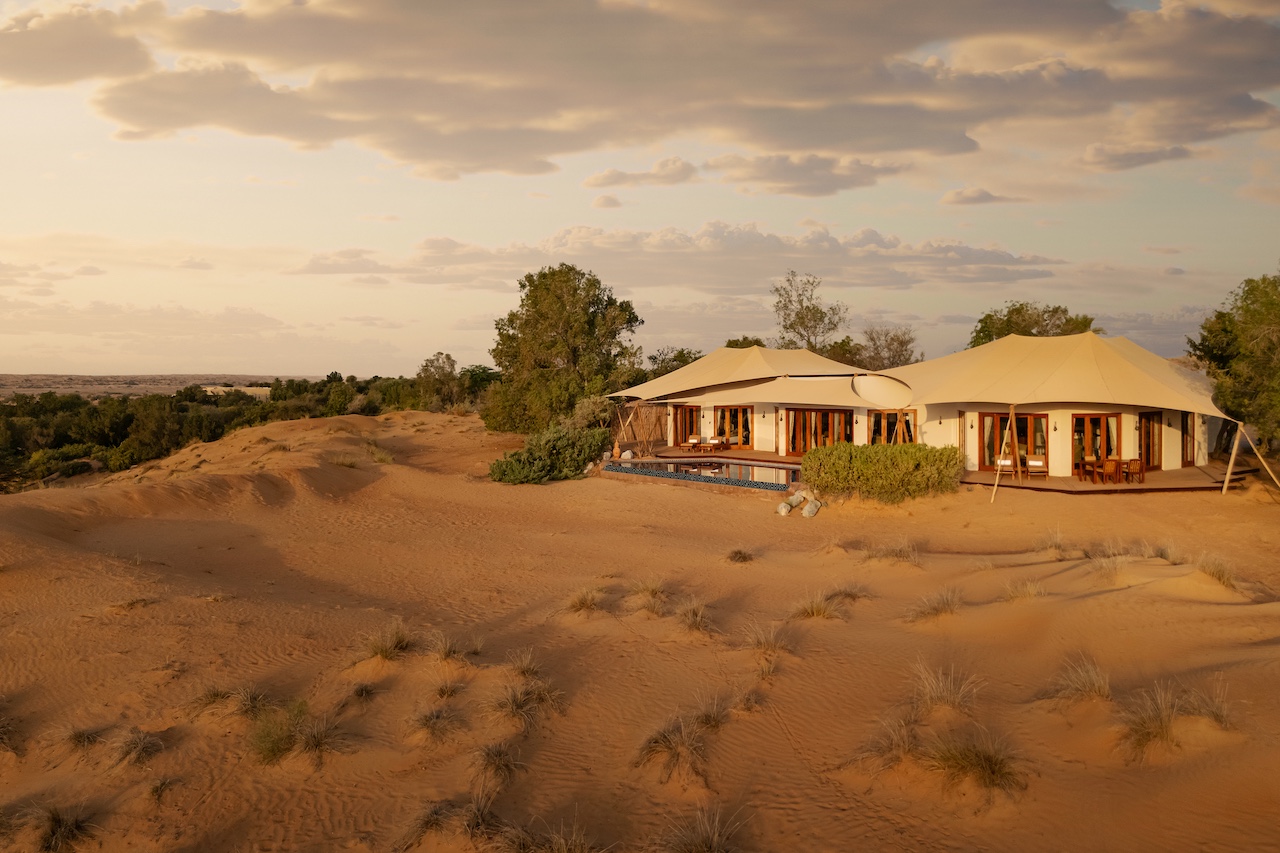
Visitors can spend several days here rather than just a few hours. Al Maha, a Luxury Collection Desert Resort & Spa, is located inside the reserve. More than 6,000 native trees have been planted as part of the ecotourism project, while the resort uses solutions designed to reduce water and energy consumption.
More Than 20,000 Birds Spend the Winter Near Dubai’s Skyline
Travelers do not have to leave urban Dubai to encounter wildlife. Ras Al Khor Wildlife Sanctuary, located near Dubai Creek, offers an unusual contrast: flocks of pink flamingos against the city skyline.
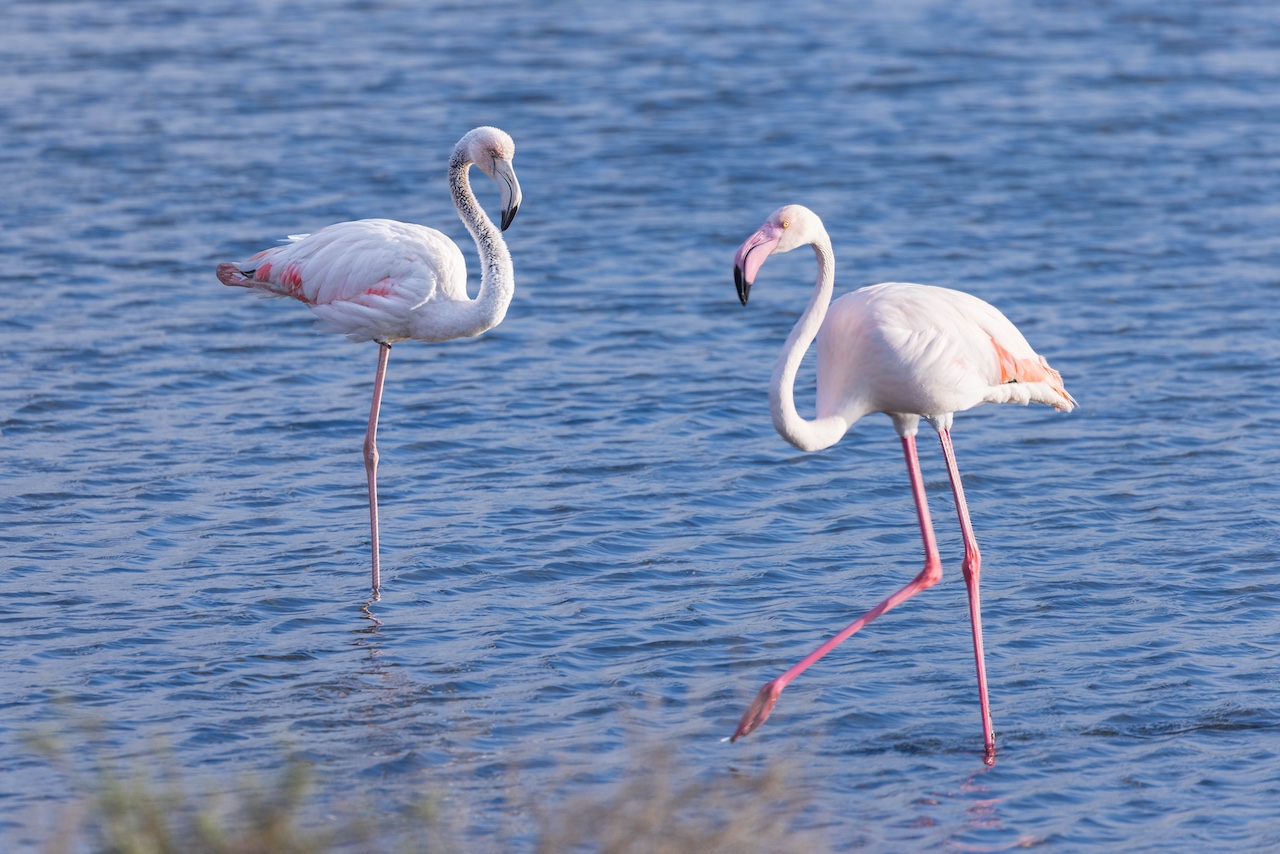
More than 200 species of migratory birds have been recorded there, while in winter the sanctuary becomes home to over 20,000 waterbirds representing dozens of species.
In 2007, Ras Al Khor became the first wetland in the UAE to be included under the Ramsar Convention. For visitors, its main advantage is accessibility: birdwatching can be added to a regular city itinerary without planning a separate desert trip.
Another lesser-known destination is Al Wohoosh Desert Conservation Reserve. The area is home to 91 animal species, while local vegetation includes ghaf, sidr, samar and miswak trees.
Hatta Is 90 Minutes Away — and Feels Like a Different Dubai
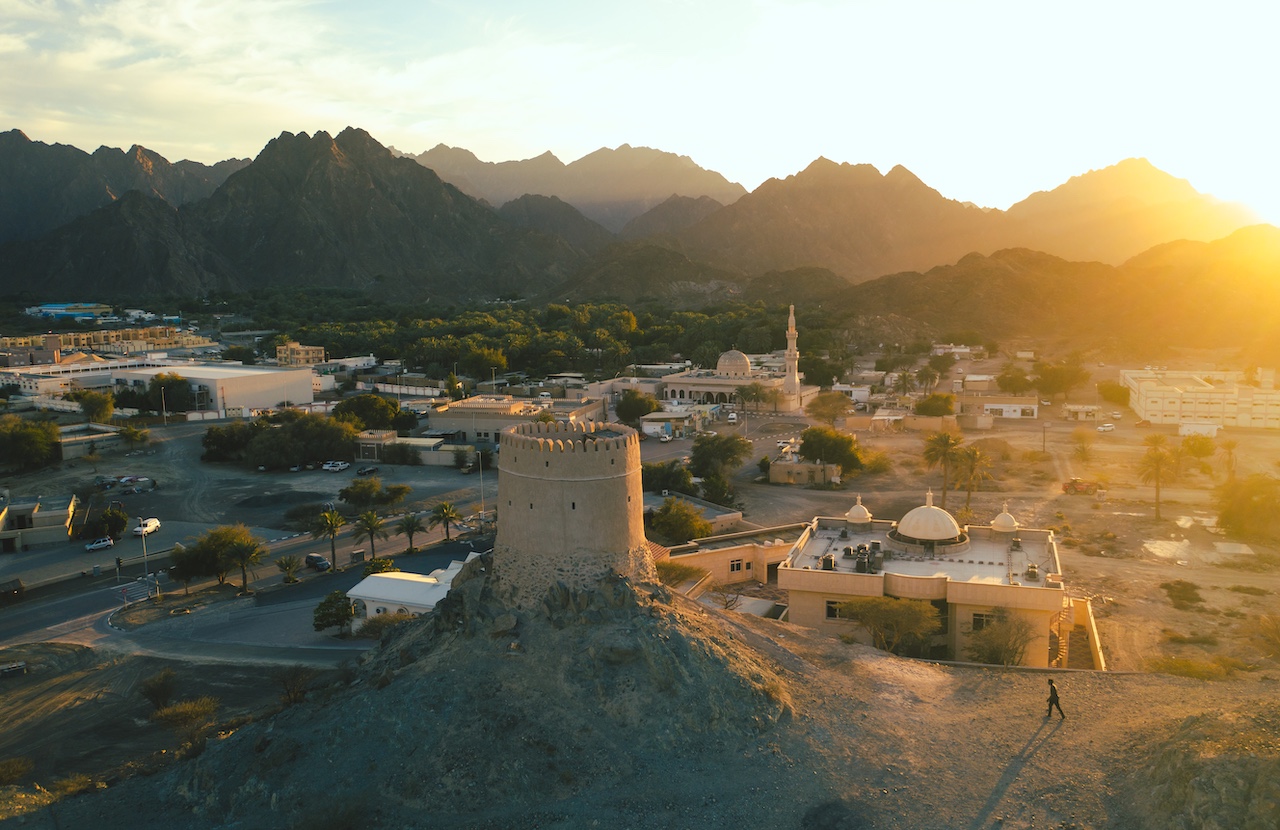
The Hatta region lies around 90 minutes by car from central Dubai. Here, the desert gives way to the Hajar Mountains, hiking and cycling trails, kayaking, horse riding and camping.
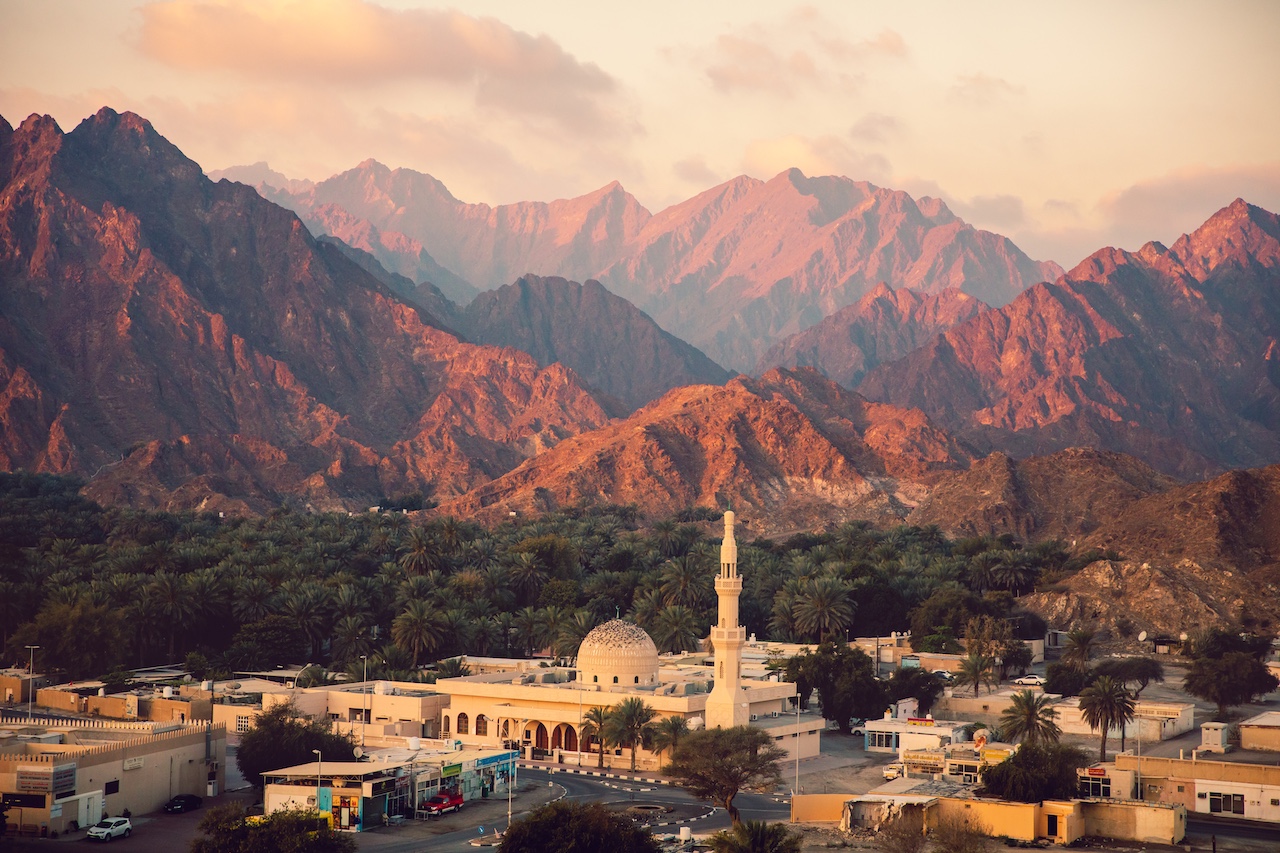
The area also contains a heritage village, archaeological sites and historic landmarks. Hatta’s archaeological landscape has been included on UNESCO’s Tentative List for World Heritage status.
A visit can easily be extended over several days. Damani Lodges and Sedr Trailers are integrated into the mountain landscape, allowing travelers to build their day around hiking, cycling, kayaking and other outdoor activities.
Sea Turtles Are Rehabilitated at a Dubai Resort
Dubai’s environmental tourism routes also extend to the coast. A specially designed lagoon for the Dubai Turtle Rehabilitation Project operates at Jumeirah Al Naseem.
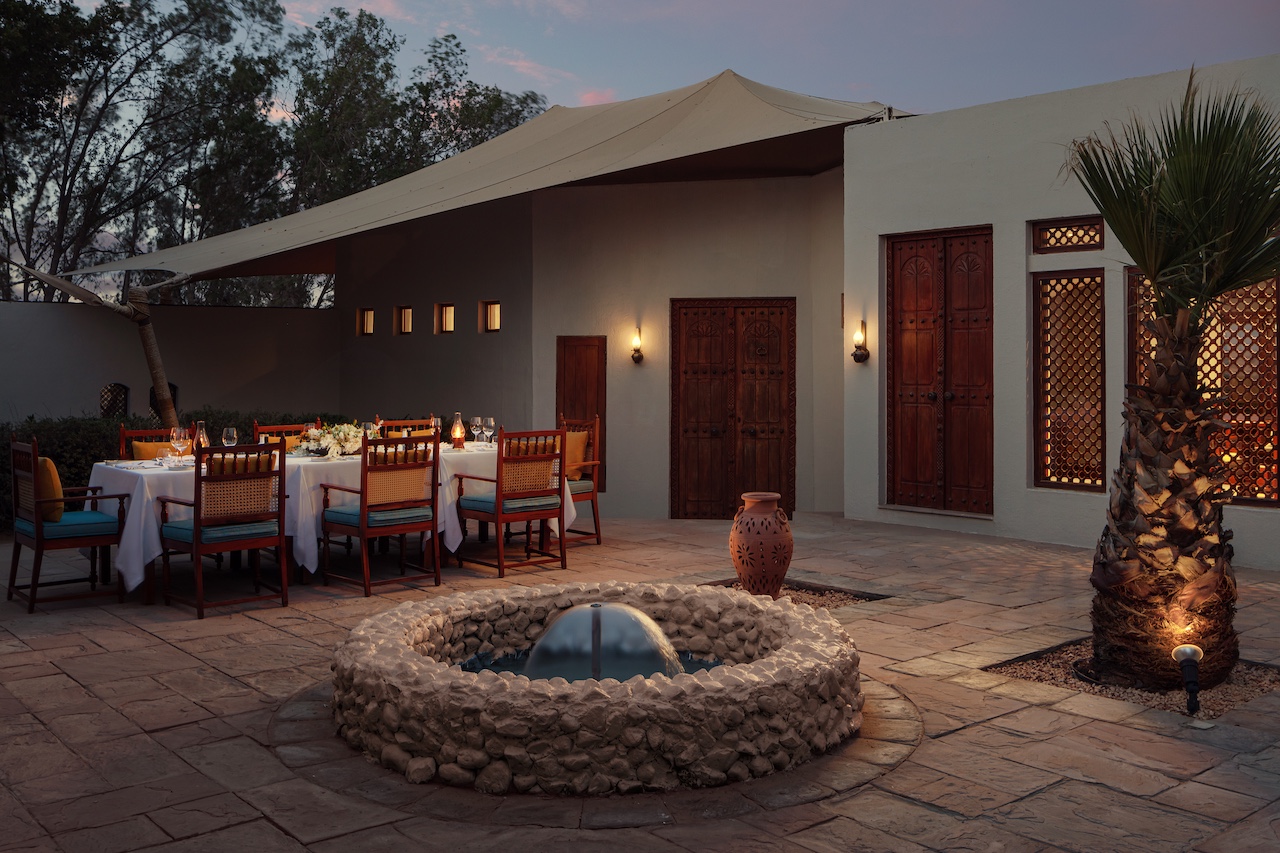
Sick and injured sea turtles are treated and rehabilitated there before being returned to their natural habitat.
Nearby, Madinat Jumeirah is home to Jumeirah Eco Village. The interactive space features beehives and a hydroponic farm, while visitors can learn about coral restoration and sea turtle rehabilitation projects.
The format is particularly convenient for families because environmental initiatives can be incorporated directly into a resort stay rather than requiring a separate excursion.
237 Hotels Receive the Dubai Sustainable Tourism Stamp
Sustainability standards are also becoming part of Dubai’s hotel industry. A total of 237 hotels have received the Dubai Sustainable Tourism Stamp, up 55% from the previous assessment.
Twenty-two properties received Gold status, 92 were awarded Silver and 123 received Bronze.
Other examples include Anantara The Palm Dubai Resort, which holds Green Growth 2050 certification. Three hotels within JA The Resort in Jebel Ali use solar energy to heat a significant share of the water required for swimming pools and guest rooms.
For travelers, such certification offers a more concrete criterion when choosing accommodation than a general promise that a hotel is “eco-friendly.”
Dubai Can Helped Avoid 30 Million Single-Use Plastic Bottles
Dubai’s environmental initiatives extend beyond nature reserves and hotels. In 2022, the emirate launched Dubai Can, allowing residents and visitors to refill drinking water free of charge at dedicated stations.
During the first three years, the Refill For Life campaign helped eliminate the use of 30 million single-use plastic bottles.
Dubai Sustainable Tourism also provides hotels with tools to monitor resource consumption. One of them is a carbon emissions calculator that helps properties track emission sources and analyze energy use.
These initiatives align with the Dubai Economic Agenda D33, the UAE’s strategic initiative to achieve climate neutrality by 2050 and the UN Sustainable Development Goals for 2030.
Before traveling, visitors can check the latest requirements and recommendations on the official Visit Dubai website.
DKNews.kz previously published a guide on how to plan a Dubai trip without unnecessary spending, including nature destinations and free leisure options across the emirate.