
Kazakhstan is introducing new authors to Chinese readers. Four contemporary works spanning fiction, children’s literature and detective writing were presented at a major book event in Guangzhou, DKNews.kz reports.
The special session was held as part of the 30th South China Book Fair. It focused on key trends in contemporary Kazakh literature, the work of a new generation of authors and the prospects for bringing their books to international audiences.
Four contemporary Kazakh works presented to Chinese readers
One of the main features of the Guangzhou session was its focus on contemporary writing rather than solely on Kazakhstan’s literary classics.
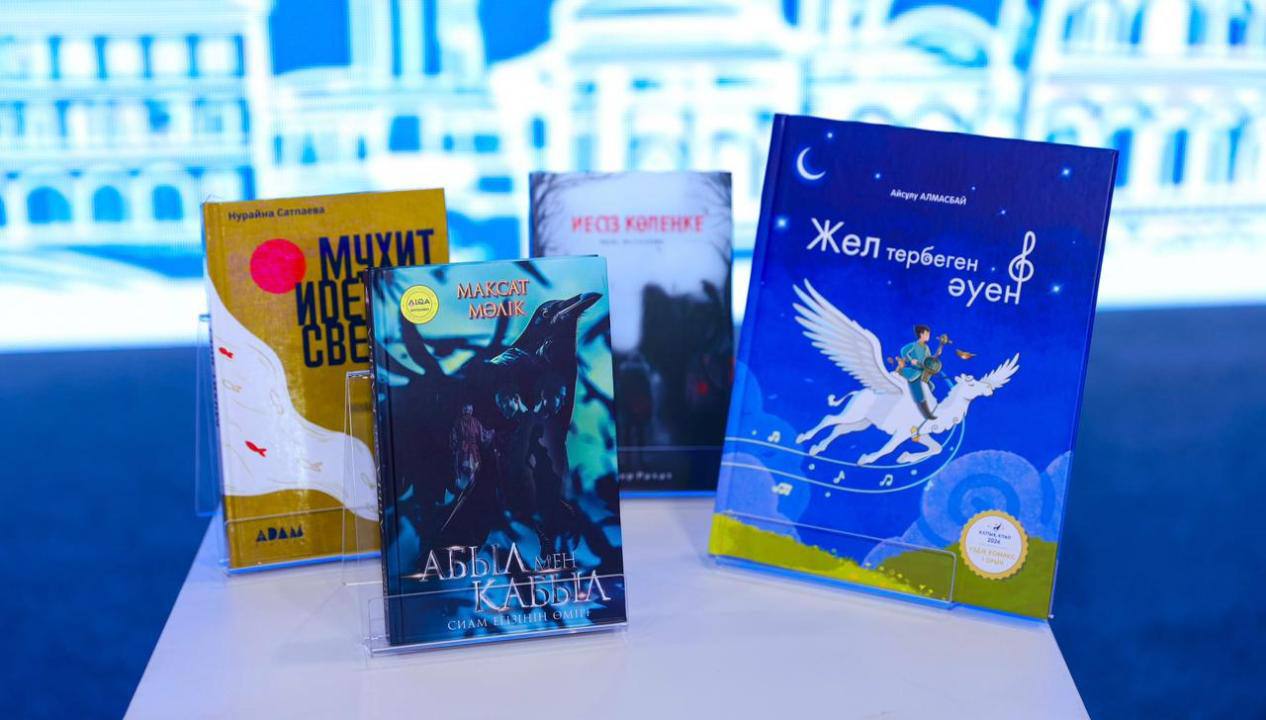
The Chinese audience was introduced to Maksat Malik’s novel “Abyl men Qabyl”, Aisulu Almasbai’s children’s book “Zhel Terbegen Auen”, Alisher Rakhat’s detective novel “Iesiz Kolenke”, and Nuraina Satpayeva’s contemporary prose work “Mukhit Zharyqqa Umtylady.”
The selection covered several different genres, including the novel, children’s literature, detective fiction and contemporary prose.
This gives foreign readers a broader picture of Kazakhstan’s current literary scene rather than presenting it through a single genre or established canon.
Translation is the next challenge after a book fair
Displaying a book at an international exhibition does not automatically put it on the shelves of foreign bookstores.
That is why the Guangzhou session also addressed translation, the international promotion of Kazakhstani literature and copyright protection.
Participants discussed ways to further expand publishing and literary cooperation between Kazakhstan and China.
Translation is a critical part of that process. For a book to reach a new market, it needs not only a strong translation, but also a publisher, agreements on rights and effective distribution channels.
Kazakhstan and China have already created a mechanism for closer cooperation in this field. In 2026, Kazakhstan’s Ministry of Culture and Information and the relevant Chinese authority responsible for publishing signed a memorandum aimed at translating and publishing around 30 works of Kazakhstani and Chinese literature over five years.
There has been no official confirmation, however, that the four works presented in Guangzhou will be included in that programme. It would therefore be premature to suggest that they are already scheduled for publication in Chinese.
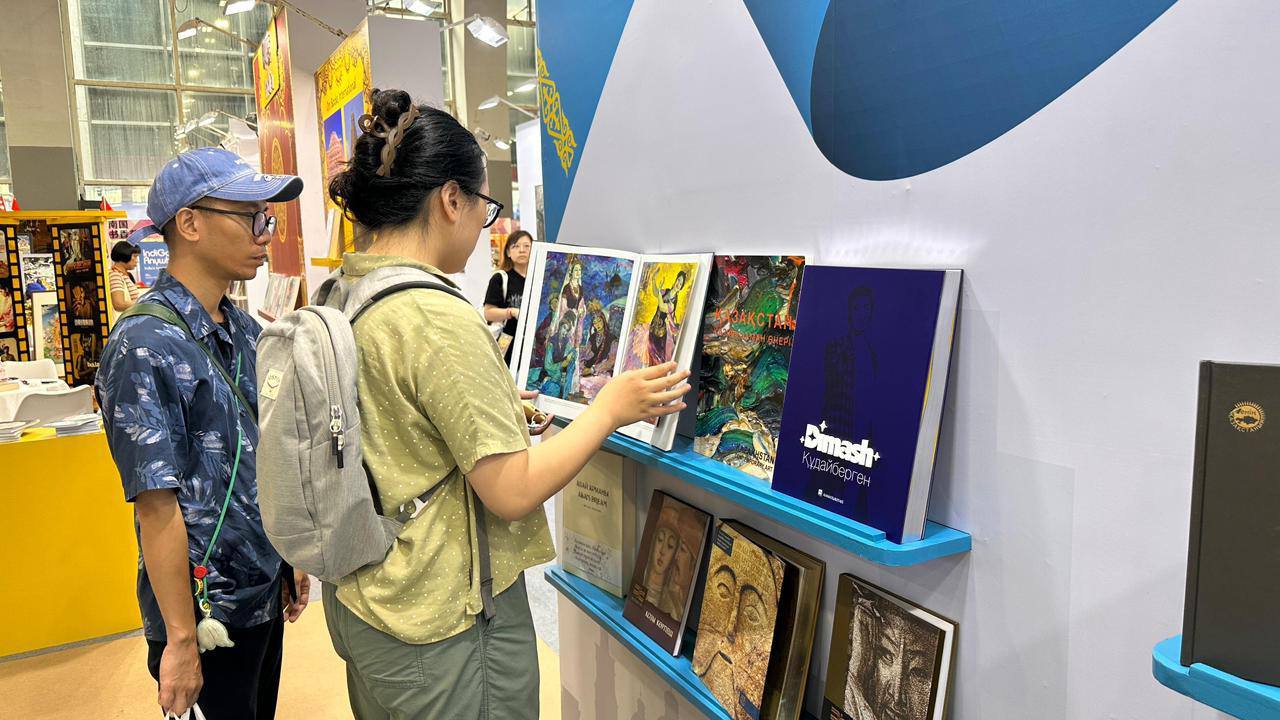
Nearly 100 books displayed at Kazakhstan’s national pavilion
The contemporary literature session formed part of a wider national showcase.
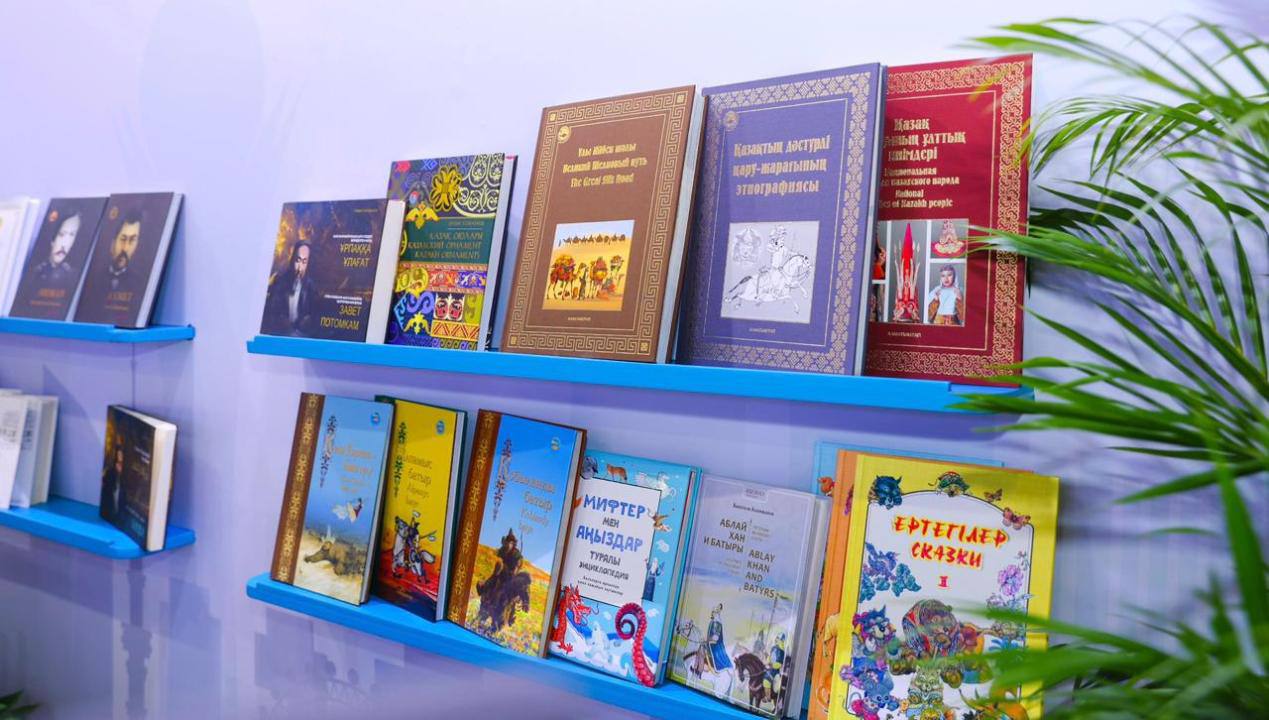
During the fair, Kazakhstan’s pavilion featured nearly 100 books and cultural products presenting different aspects of the country’s culture.
The exhibition included contemporary and children’s literature, cultural heritage and creative industries.
The format also reflects a broader approach to presenting Kazakhstan abroad: alongside the country’s established literary and cultural heritage, organisers are increasingly highlighting authors writing today.
That allows international audiences to see Kazakh literature not only through the works of Abai, Mukhtar Auezov and other classics, but also through the books being produced by a new generation of writers.
Guangzhou is becoming a regular platform for Kazakh literature
Kazakhstan’s participation in the South China Book Fair is no longer a one-off appearance.
The country is taking part in the Guangzhou event with a national exhibition for the second consecutive year and has also presented its publications at other major book fairs in China.
For Kazakhstani authors, however, the most significant result will not be the number of books displayed at an exhibition.
The next step is whether these works are translated into Chinese, attract local publishers and ultimately reach readers across China.
For the four books presented in Guangzhou, that is now the key question: not simply whether they were shown at the fair, but which of them may eventually appear as full Chinese-language editions.
Earlier, we reported on Kazakhstan bringing nearly 100 books to Guangzhou and expanding literary translation cooperation with China. The latest session adds another dimension to that effort by placing a new generation of Kazakhstani authors in the spotlight.