


Three worlds will meet on one stage. On 1 October, Astana Ballet will present an evening of contemporary choreography featuring Falling Angels, Love. Fear. Loss and Bolero X, DKNews.kz reports.
Three productions offer three distinct languages of movement, but share one central theme: the human experience — emotion, inner freedom, love, loss and the desire to become part of something larger.
The event will be held with the support of Kazakhstan’s Ministry of Culture and Information.
Jiří Kylián’s Falling Angels returns to Astana
After a brief break from the repertoire, Falling Angels returns to the capital’s stage.
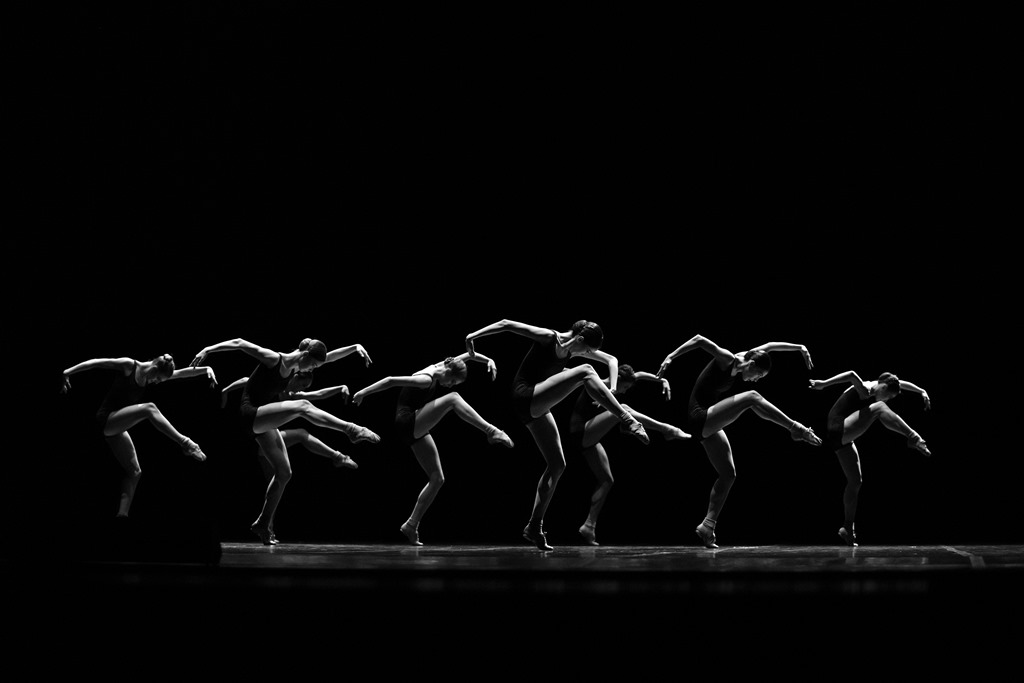
It is one of the best-known works by renowned Czech choreographer Jiří Kylián. The Astana Ballet production was staged by Stefan Zeromski.
Music is central to the work. Kylián’s choreography unfolds alongside Steve Reich’s Drumming Part 1, a technically demanding percussion composition performed live by the percussion section of the Astana Ballet Theatre Symphony Orchestra.
Here, rhythm is more than accompaniment — it becomes the force driving the dancers.
The performers initially appear in near silence, as though movement is emerging independently. Then the drums enter and transform the space. As the rhythmic pattern develops, tension gradually builds and movement becomes increasingly intertwined with sound.
In Kylián’s choreography, music and dance do not exist as separate elements. His approach combines intense musicality, a restrained monochrome aesthetic and intricate movement that demands both technical precision and complete concentration from the dancers.
Edith Piaf’s life and music inspire three duets
The evening will continue with Love. Fear. Loss, a work by Brazilian choreographer Ricardo Amarante.
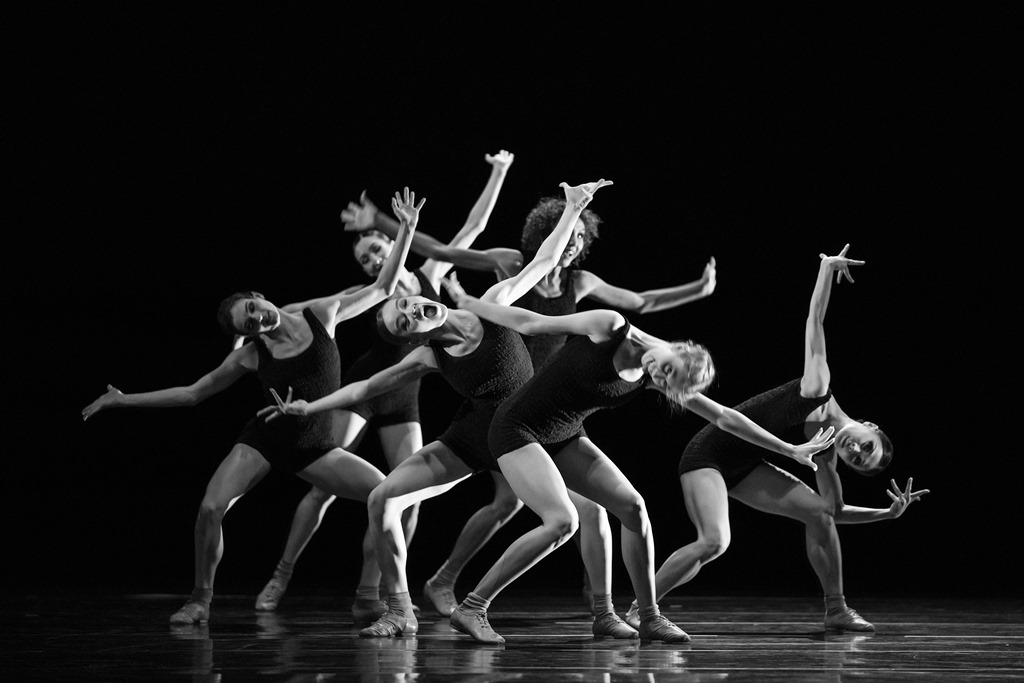
Inspired by the life and music of legendary French singer Edith Piaf, the production consists of three duets exploring different emotional states through movement.
The musical dimension is deliberately intimate: Piaf’s songs will be performed on piano by Astana Ballet concertmaster Kuralai Kanapina.
The transition creates a sharp contrast with Falling Angels. Percussive intensity gives way to a more personal exploration of love, fear and loss.
Bolero X turns repetition into a collective ritual
The final work of the evening will be Bolero X by Israeli choreographer Shahar Binyamini.
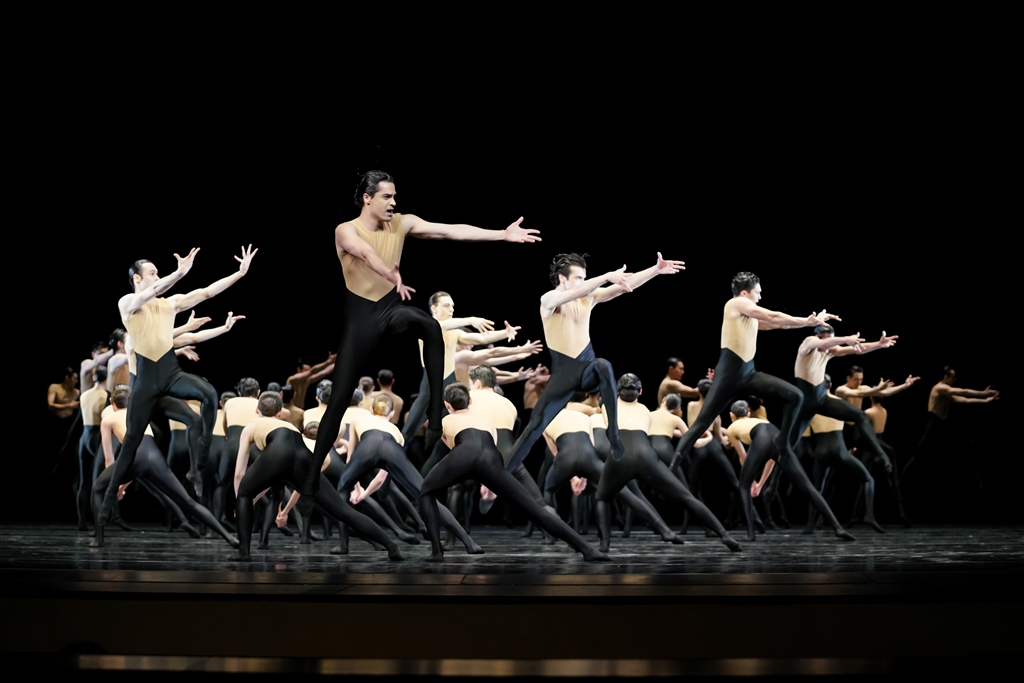
One of Astana Ballet’s notable premieres this year, the production is built around Maurice Ravel’s iconic Boléro, but approaches the familiar score through a contemporary choreographic language.
Repetition becomes one of its central devices. As Ravel’s rhythm continues and the musical tension intensifies, individual movement develops into a large-scale collective action.
The Astana Ballet Theatre Symphony Orchestra adds another dimension to the production through live accompaniment. Chief conductor Arman Urazgaliyev will lead the orchestra.
Three choreographers, three ways of seeing movement
The programme is structured around contrast.
Falling Angels builds its world around rhythm, concentration and the close relationship between movement and percussion. Love. Fear. Loss shifts the focus towards intimate human relationships and emotion. Bolero X expands the scale, bringing individual bodies together through repetition and collective movement.
Together, the works move from the philosophical and intimate to the emotional and large-scale without forcing them into a single choreographic style.
For the audience, the 1 October programme offers a chance to see three markedly different approaches to contemporary dance in one evening — from Kylián’s precise dialogue between body and rhythm to Amarante’s emotional duets and Binyamini’s collective interpretation of Ravel.