

A regional chess system is taking shape. The Turkic Chess Association plans to create a joint academy, expand its international tournament calendar and establish regular training and exchange programs for coaches, arbiters and other specialists through 2030, DKNews.kz reports.
The initiatives are part of the TCA Development Strategy discussed at the Association’s General Assembly in Samarkand, where member federations set out plans to turn cooperation between individual chess schools into a permanent regional framework.
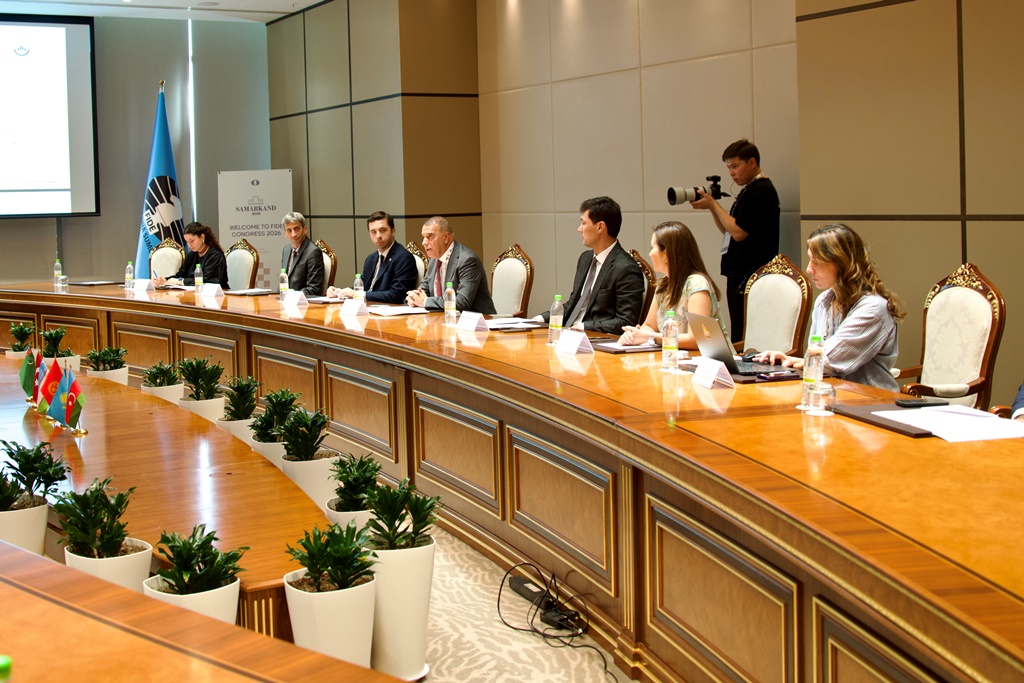
Turkic Chess Academy will connect national chess schools
One of the strategy’s central projects is the Turkic Chess Academy.
The concept is designed to pool expertise accumulated by chess schools across member countries rather than create another isolated training center. Planned areas include joint education for coaches and arbiters, seminars, methodology exchange and professional development programs.
Digitalization will form a separate part of the initiative, with federations expected to exchange specialists and share experience in using digital tools in chess.
TCA President and Kazakhstan Chess Federation President Timur Turlov said the region already has the foundation needed for deeper cooperation.
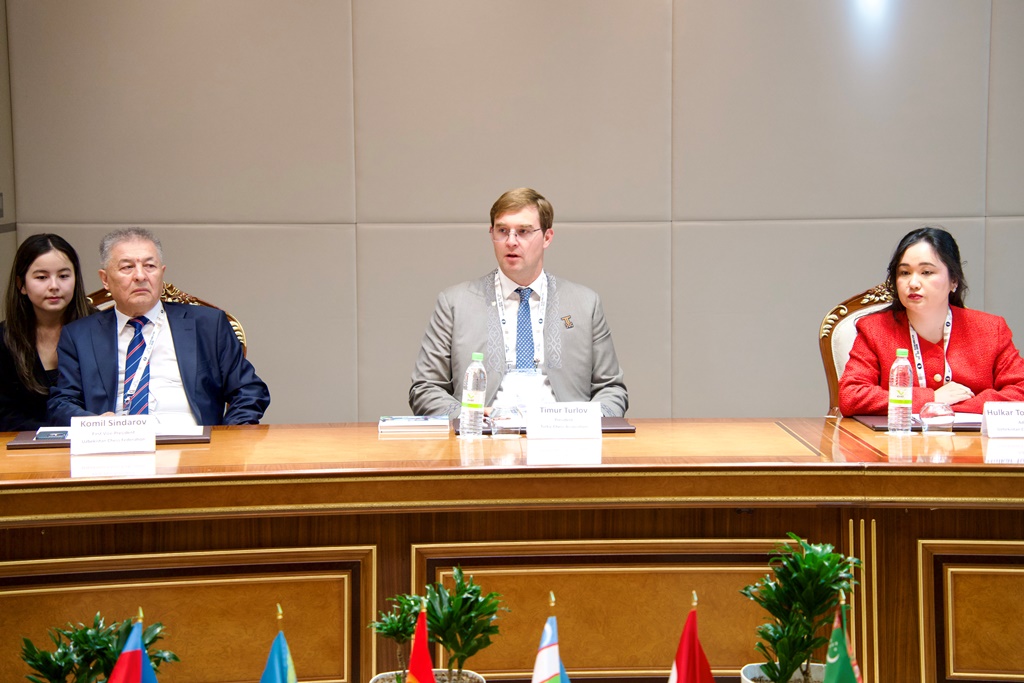
«We see how rapidly chess is developing and how important it is in our part of the world. We need to continue expanding our base, developing chess schools, and hosting more open tournaments in the region. We have one of the most developed chess ecosystems in the world, and we should be proud of that», — Turlov said.
For the Association, the next step is to make cooperation between those systems continuous.
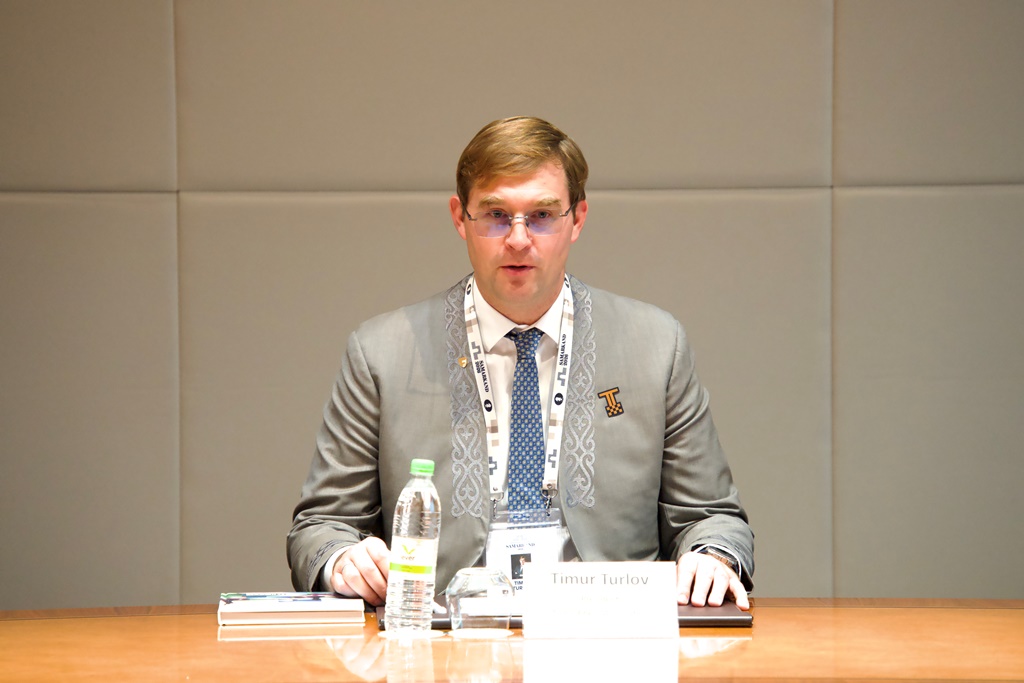
«We must seize every opportunity to exchange knowledge, views, and experience, exchange coaches and arbiters, and share practices in digitalization. Trust, unity, and coordinated action are very important to us», — Turlov emphasized.
Turkistan is set to become one of the key chess hubs
The strategy also calls for a larger competition calendar.
The TCA plans additional team and individual tournaments, training camps and sparring matches, as well as separate competitions for young players and seniors.
Turkistan is expected to host individual men’s and women’s championships and senior competitions. The city is already developing a stronger chess profile: in January 2026, it hosted Kazakhstan’s national championship for children and juniors, with nearly 1,000 young players competing in classical, rapid and blitz chess.
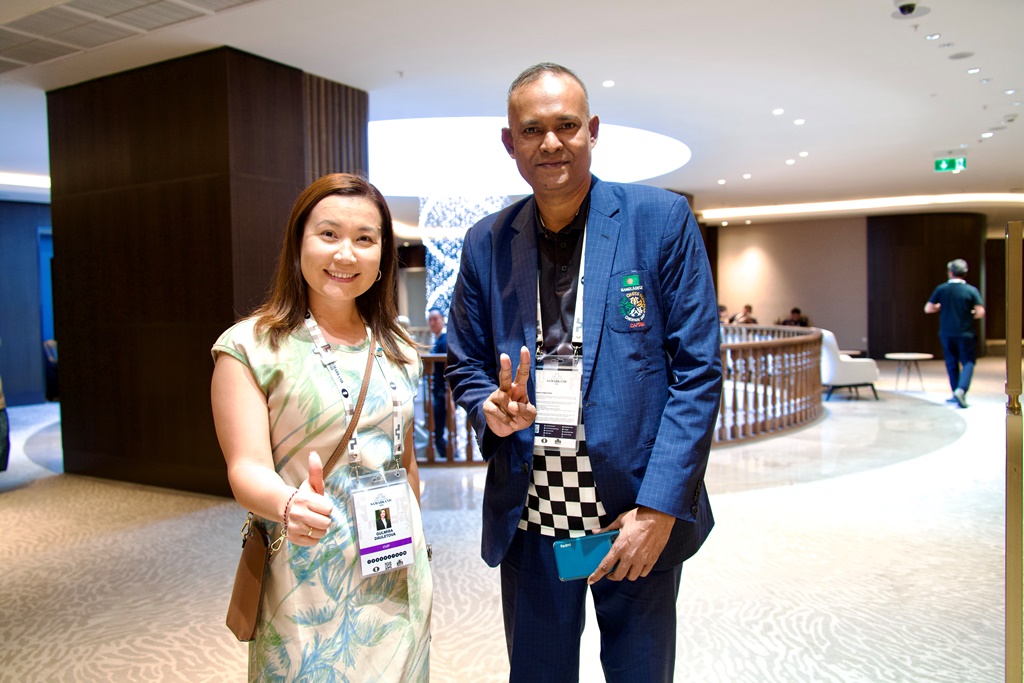
The city is also the location of the TCA headquarters, giving Kazakhstan a central organizational role as the Association expands its activities.
Kazakhstan sees an opportunity to combine different chess strengths
Kazakhstan Chess Federation First Vice President Darmen Sadvakasov said TCA members already occupy significant positions in international chess.
The region combines different strengths: Uzbekistan is hosting the current Chess Olympiad, Azerbaijan has a long-established elite chess tradition, while other member countries have developed their own competitive and educational programs.
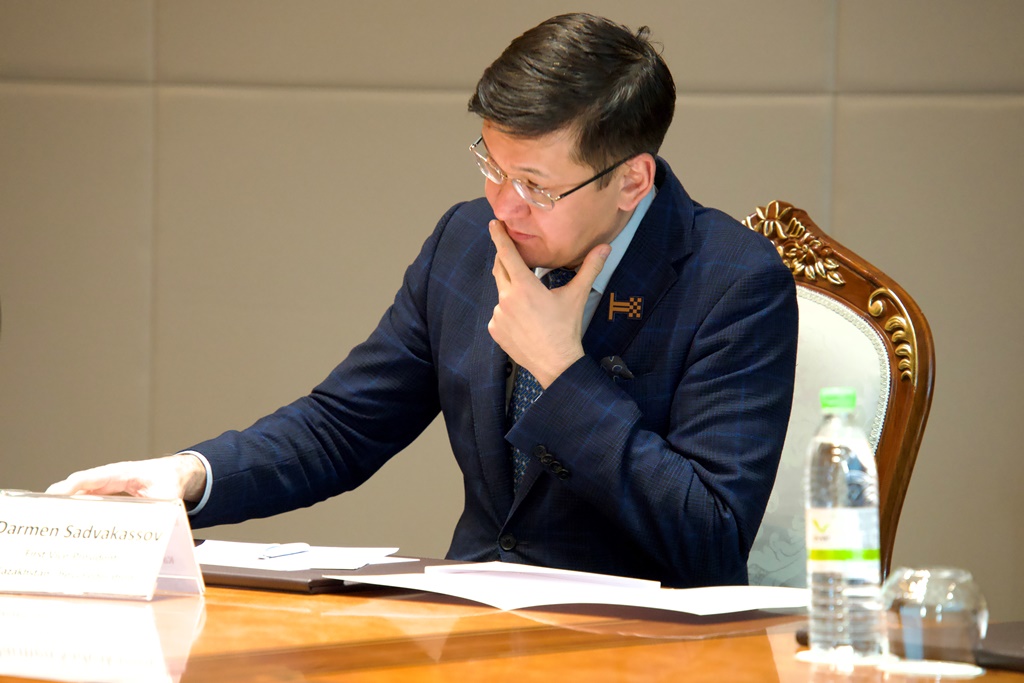
«The countries comprising the Association are among the leaders in terms of chess development today. We see Uzbekistan hosting the Olympiad, the strong Azerbaijani teams, and notable successes from other nations. Therefore, we have much to share with one another. There will be an exchange of various practices, and plans are underway to launch a joint online chess academy. We have drawn up a development strategy and a calendar plan that will guide the Association’s development», — Sadvakasov said.
Kazakhstan itself has been expanding the educational side of chess. More than 1,500 schools now participate in its chess education program, covering over 60,000 students, while more than 3,500 teachers have been trained.
In February, the first KazChessLab opened in Almaty, while the first 25 graduates of the “Chess Educator” Minor program received certificates — another example of the training infrastructure that could contribute to broader regional cooperation.
First TCA tournaments have already been held
Part of the strategy has already moved from planning to competition.
Astana hosted the first TCA Team Championship in May with a $60,000 prize fund. Teams competed in Open, Women’s and U16 categories.
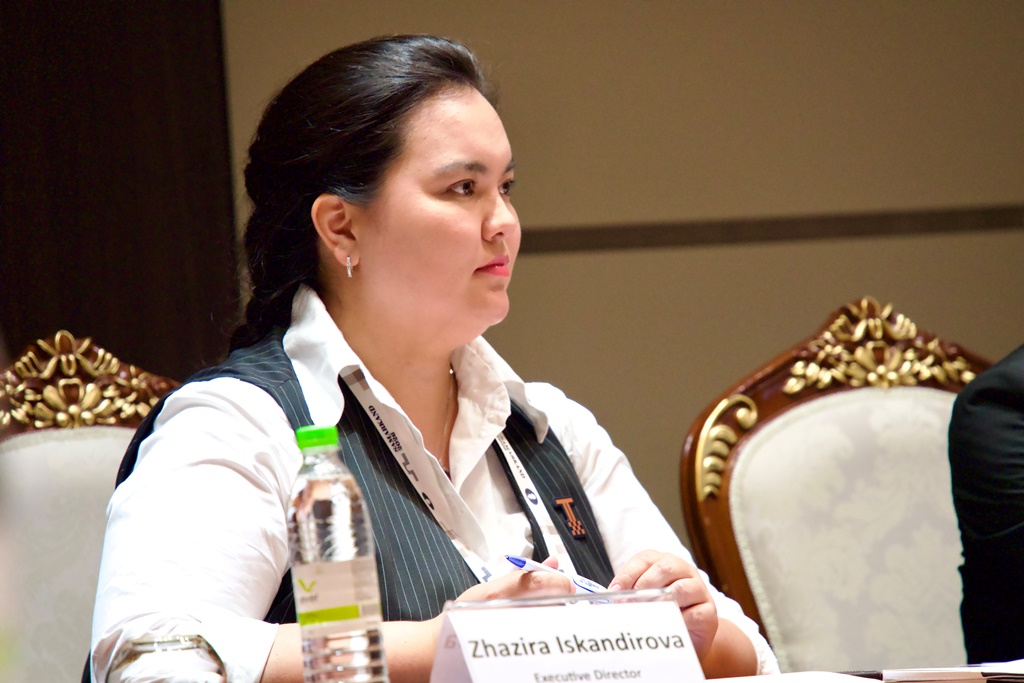
Kazakhstan-2 won the Open competition, while Kazakhstan-1 finished second. Kazakhstan-1 also took silver in the Women’s tournament, and Kazakh teams claimed silver and bronze in the U16 category.
In August, Ashgabat hosted the Kids Expo Chess Cup 2026, bringing together 94 young players from eight countries. Kazakhstan returned with four medals — one gold and three bronze.
The new strategy is intended to connect such individual events into a predictable competition and development calendar through 2030.
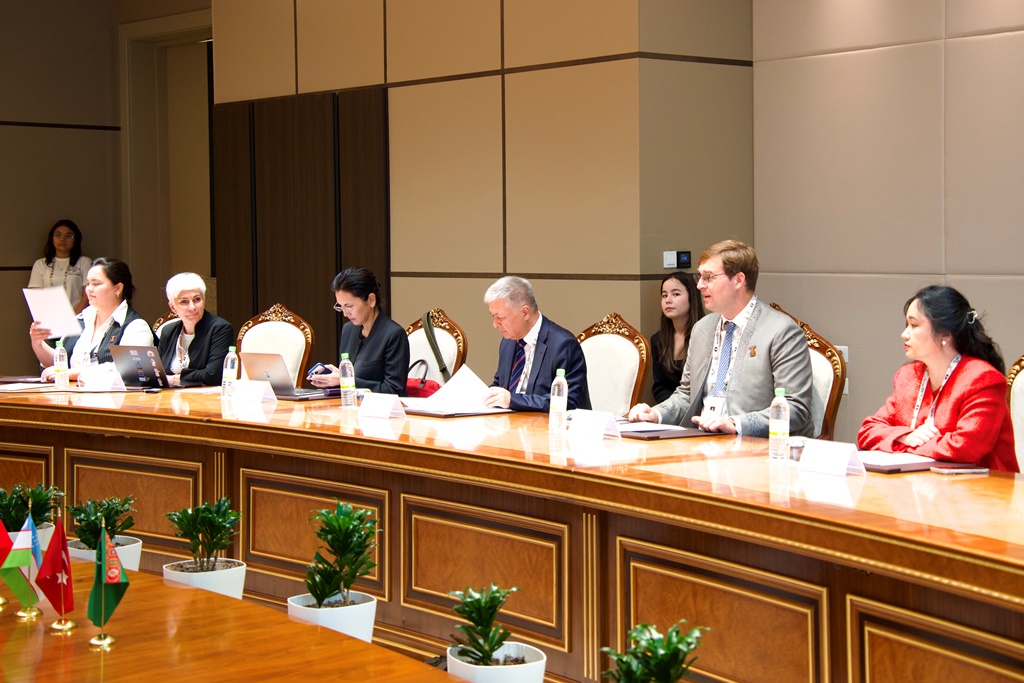
«Long-term achievements are not the result of a single success. They are always the outcome of a long-term vision and consistent work year after year. This is impossible without people, funds, and resources, without interaction between the state and different generations, and without consistency and mutual cooperation. Together, we can achieve far more than alone», — Turlov said.
The Association is moving from creation to a 2030 strategy
The Turkic Chess Association brings together national chess federations to organize competitions, develop players and exchange professional expertise.
The idea of establishing the organization received support at the FIDE General Assembly in September 2024. Representatives of six countries signed a memorandum establishing the Association in Astana in October 2025, with its headquarters subsequently based in Turkistan.
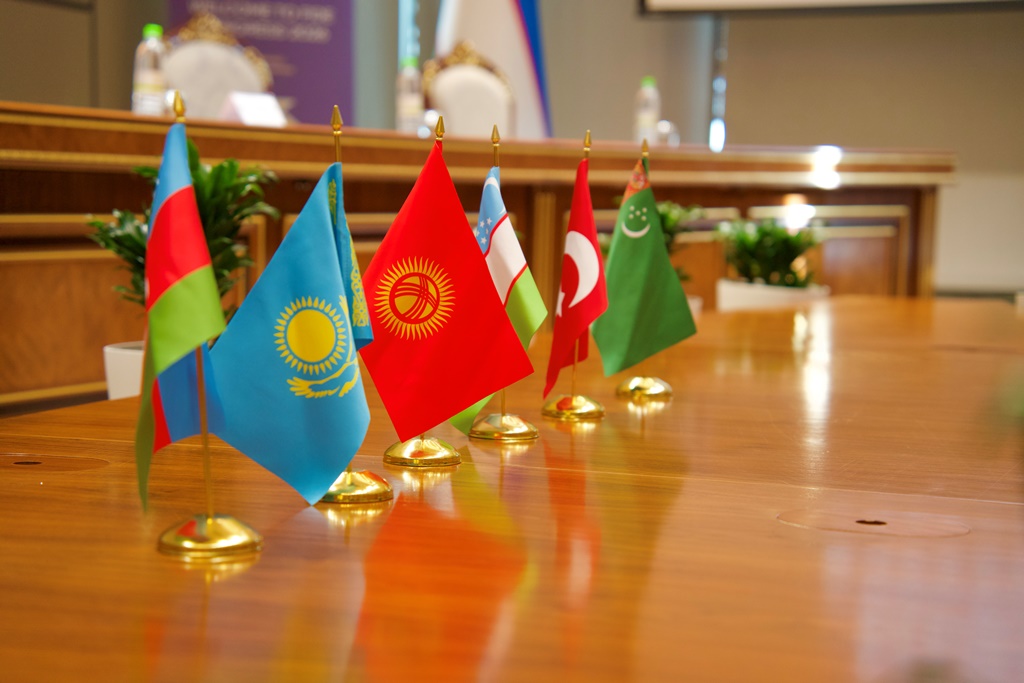
Turlov assumed leadership of the Association in 2026.
The Samarkand strategy now gives that organization a longer planning horizon. Instead of relying mainly on individual tournaments, the TCA intends to build shared infrastructure around education, specialist training, digitalization and a regular international calendar through 2030.
For Turkistan, that process could further strengthen its emerging role as a chess center. We previously reported on how the city is developing into a major hub for Kazakhstan’s young players while preparing to host the headquarters of the Turkic chess organization.