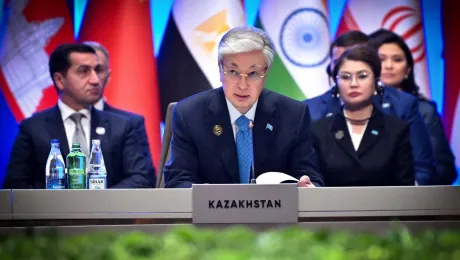

Five-year survival has exceeded 70%. Kazakhstan has reached that level among children with blood cancers, while survival for acute lymphoblastic leukaemia stands at 85%, DKNews.kz reports.
Kazakhstan’s Health Minister Akmaral Alnazarova announced the figures at the Second International Congress on Childhood Cancer in Samarkand, Uzbekistan. She urged Central Asian countries to strengthen cooperation in diagnosis, treatment and donor searches for children who need stem cell transplants.
Survival Reaches 85% for Acute Lymphoblastic Leukaemia
Around 600 children are diagnosed with cancer in Kazakhstan each year. According to Alnazarova, the country is developing advanced diagnostic methods and highly specialised treatments.
The survival figures describe different patient groups: more than 70% for childhood blood cancers overall and 85% for acute lymphoblastic leukaemia specifically.
More Than 630 Stem Cell Transplants Since 2013
Kazakhstan has performed more than 630 haematopoietic stem cell transplants since 2013.
Alnazarova said the development of domestic medical centres is gradually reducing the need to send children abroad for treatment.
Receiving care within the country can ease the travel burden on families and reduce time spent away from relatives. Access to specialist treatment closer to home also makes the practical arrangements surrounding a child’s care less demanding.
Regional Donor Cooperation Could Widen the Search
One of Kazakhstan’s proposals concerns cooperation between national bone marrow donor registries. The aim is to expand the search for compatible donors for children requiring transplantation.
Finding a suitable donor is a critical requirement for donor-based transplants. Cooperation between registries could allow searches across a larger pool of potential donors.
Alnazarova also proposed joint work on diagnostic accuracy, medical training and access to anticancer medicines for children.
CAR-T Therapy Included in Research Proposals
The minister identified research into the potential of CAR-T therapy as another area for cooperation.
The proposal concerns scientific collaboration. No timetable for introducing the treatment or making it available to children in Kazakhstan was announced.
Alnazarova said investment in childhood cancer care should be judged by treatment outcomes and patients’ lives after illness.
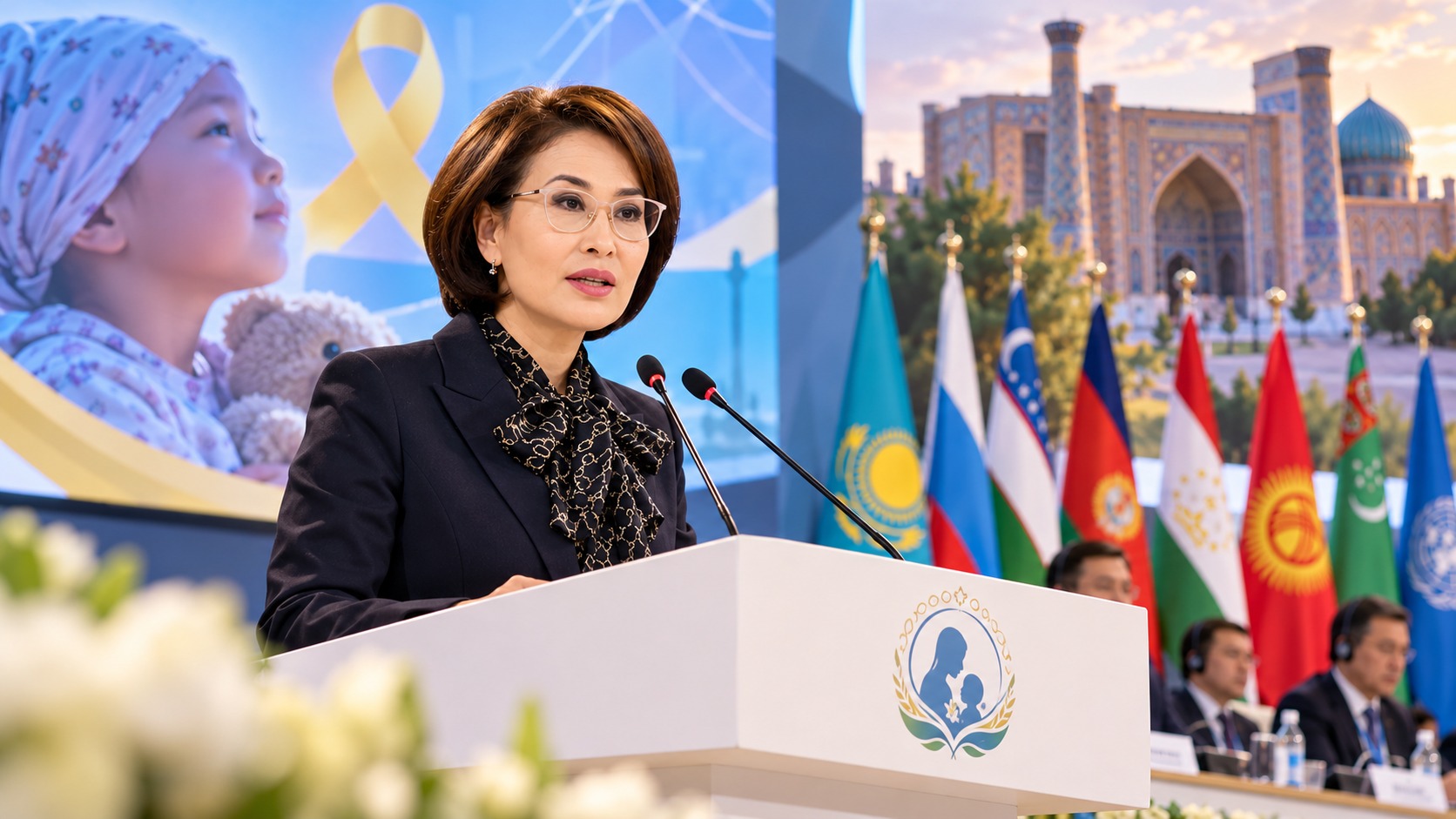
“The main measure of the effectiveness of our investments is not only the amount of funding allocated, but above all treatment outcomes, lives saved and children’s quality of life after illness,” the minister said.
We previously explored the technologies used to treat childhood cancer in Kazakhstan, including stem cell transplantation and organ-preserving surgery.