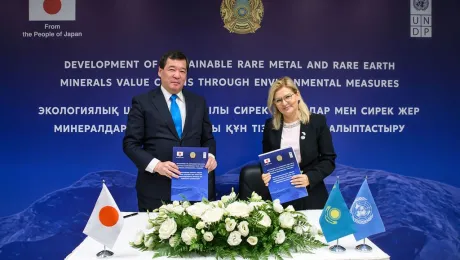

Kazakhstan has signed 11 cooperation agreements in Berlin to advance the development of Alatau City. The agreements cover industrial production, engineering, construction, healthcare infrastructure, urban security and unmanned technologies, following negotiations led by Deputy Prime Minister Kanat Bozumbayev, according to information from the Government of Kazakhstan.
The agreements were reached during the German leg of the Alatau City investment roadshow, which brought together government officials, industrial companies and business associations. The initiative aims to attract German capital, advanced technologies and industrial expertise to one of Kazakhstan's major urban development projects, DKNews.kz reports.
The roadshow will continue in Frankfurt am Main, where discussions will shift toward financing infrastructure and investment projects.
Alatau City proposed as a pilot for Kazakhstan–Germany investment
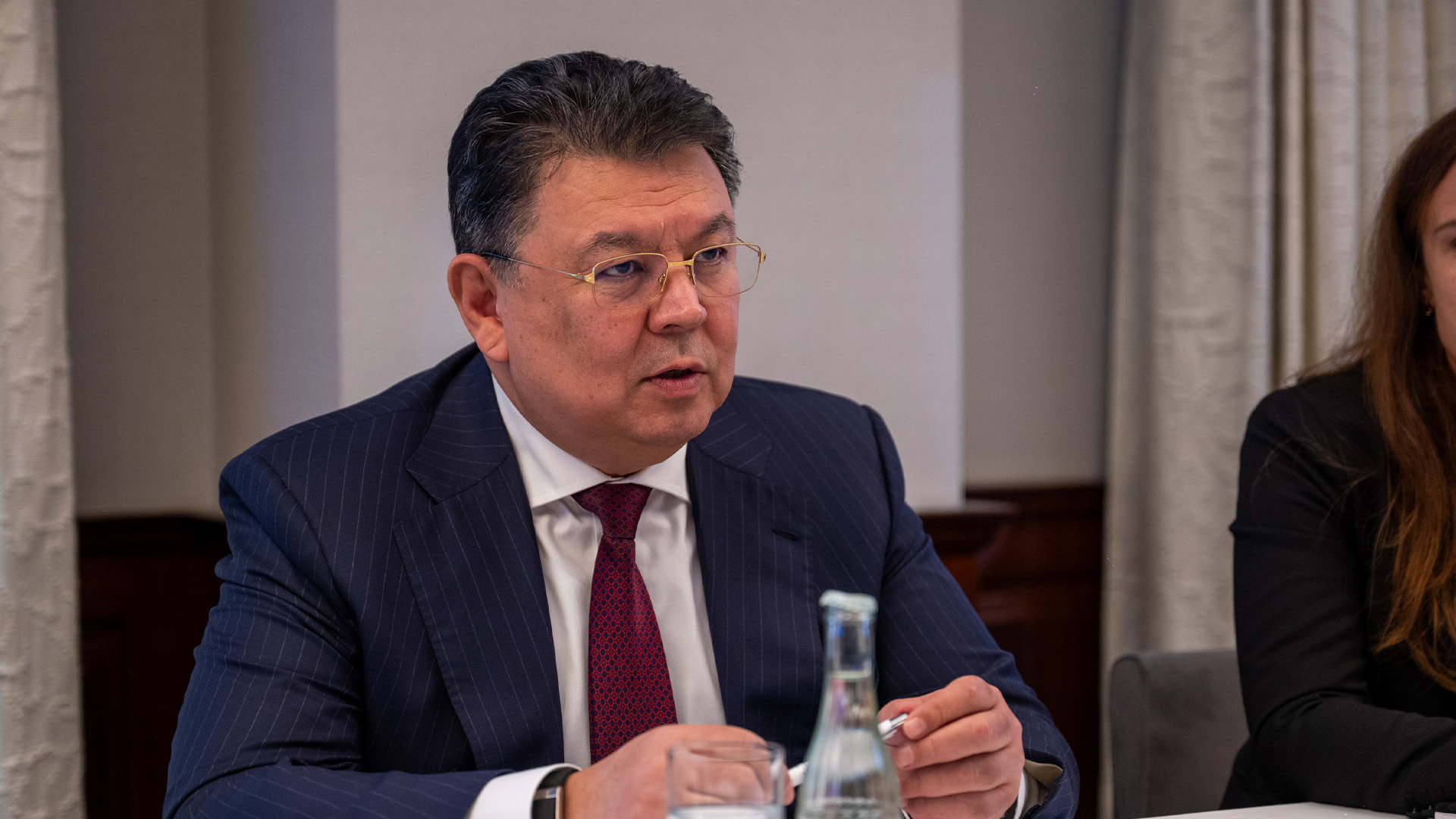
During his visit to Berlin, Bozumbayev met with Levin Holle, Economic and Financial Policy Advisor to the German Federal Chancellor.
The discussions focused on establishing a Kazakhstan–Germany investment and financing platform proposed by President Kassym-Jomart Tokayev during his visit to Germany in September 2026.
Infrastructure and industrial projects in Alatau City were proposed as potential pilot initiatives for the platform.
Such a mechanism could provide a structured framework for identifying projects, coordinating investors and developing financing arrangements between the two countries.
However, the platform remains under discussion, and the announcement does not specify committed financing or a timetable for its establishment.
German construction expertise could shape the new city
Bozumbayev also held talks with Olaf Joachim, State Secretary at Germany's Federal Ministry for Housing, Urban Development and Construction.
The parties explored opportunities to introduce advanced construction technologies and energy-efficient solutions in Alatau City.
These technologies could influence the design of buildings, utility networks and other urban infrastructure as the project develops.
Energy efficiency is particularly relevant for a large-scale urban development project because decisions made during construction can affect long-term operating costs and infrastructure requirements.
In a separate meeting, Bozumbayev discussed broader economic cooperation with Gunther Krichbaum, Minister of State for Europe at the German Federal Foreign Office.
German industrial groups explore opportunities in Alatau City
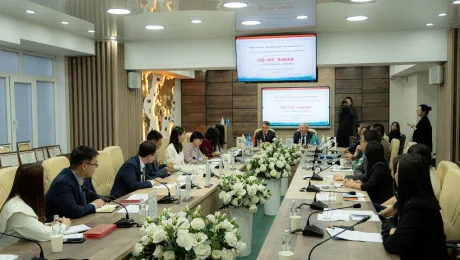
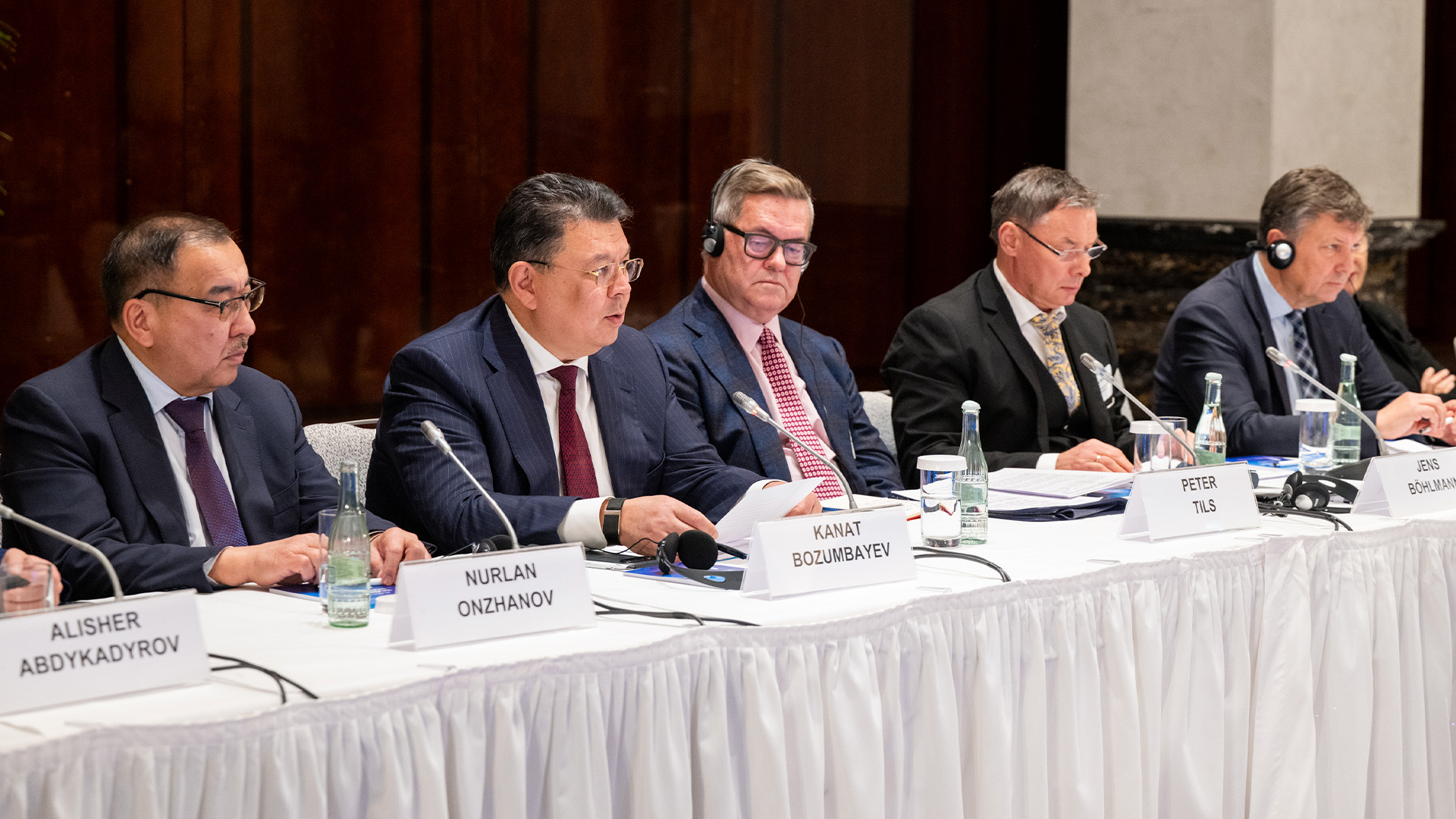
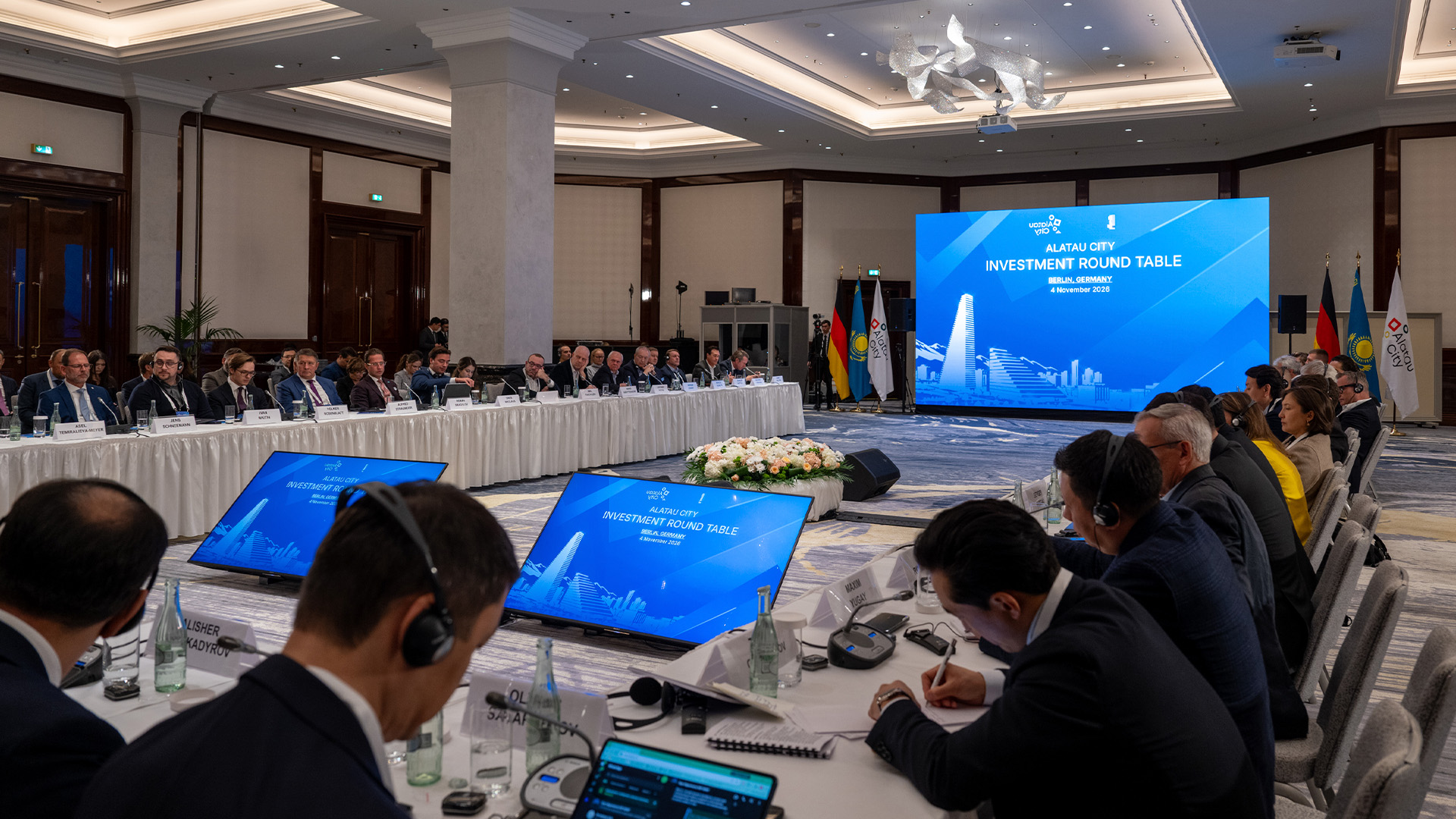
The central event of the Berlin program was the Alatau City Investment Round Table, organized in cooperation with the Committee on Eastern European Economic Relations (KOE) and the Federation of German Industries (BDI).
During a meeting with BDI Executive Director Wolfgang Niedermark, the parties discussed the potential participation of German companies in implementing the Industrial, Technological and Raw Materials Cooperation Roadmap for 2026–2028.
The discussions also covered opportunities to establish new manufacturing facilities in Alatau City.
For Kazakhstan, attracting German manufacturers could support industrial diversification and create opportunities for technology transfer and cooperation with domestic enterprises.
The negotiations focused on prospective projects rather than completed investments or operating production facilities.
Henkel, dena and SVEVIND Energy among companies in talks
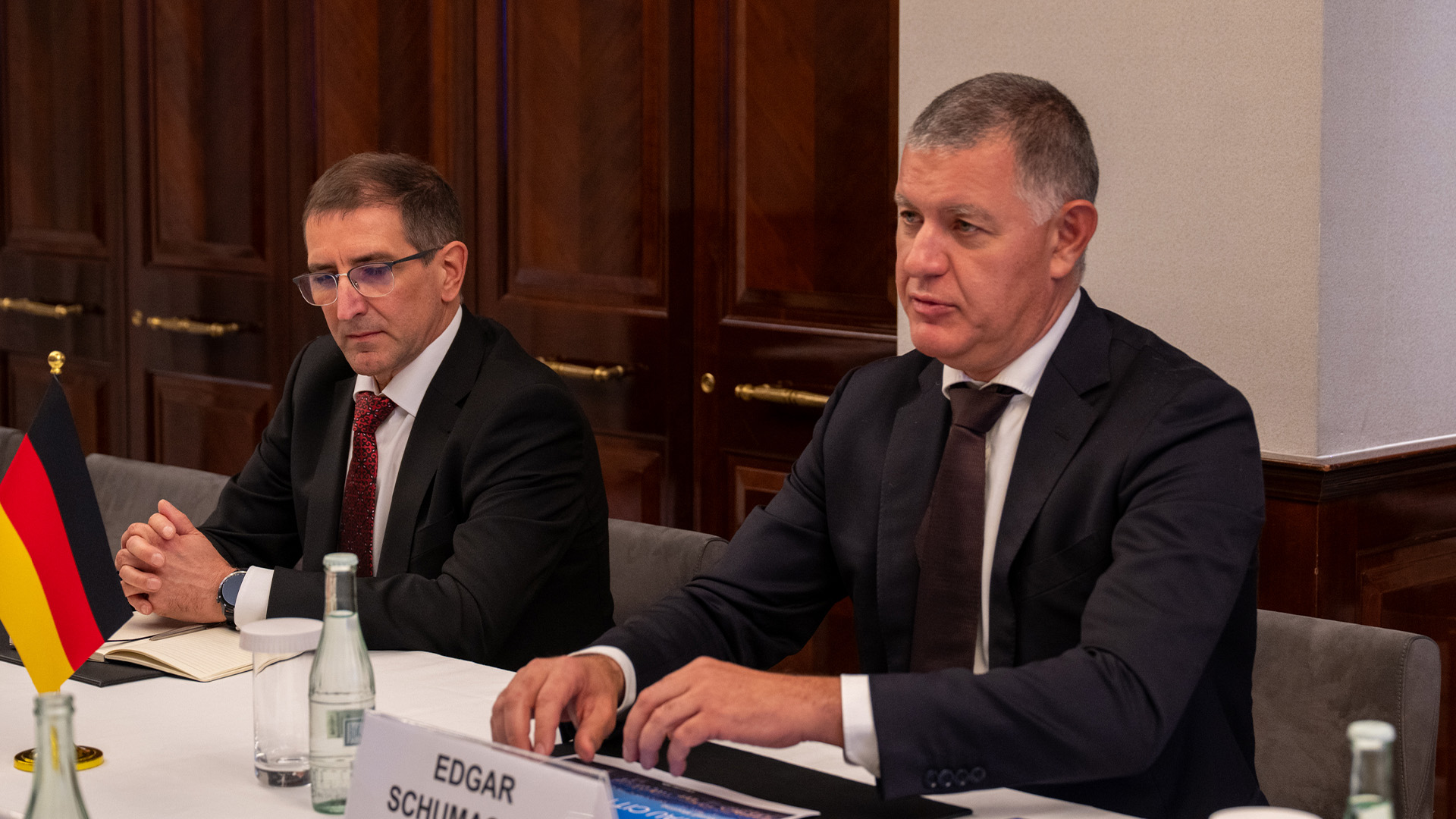
Meetings with representatives of German companies and organizations addressed several areas of potential cooperation.
Participants included dena, Henkel, SVEVIND Energy and Textima, alongside other businesses.
The discussions covered:
- Localization of industrial production in Kazakhstan.
- Development of energy and water infrastructure.
- Industrial cooperation in mechanical engineering.
- Application of modern construction technologies.
- Establishment of a multidisciplinary medical center.
The range of discussions reflects Alatau City's ambition to combine industrial activity with modern residential, commercial and social infrastructure.
Energy and water systems will be particularly important to the project's development, as reliable utilities are essential for both industrial facilities and a growing urban population.
Eleven agreements cover industry, healthcare and urban security
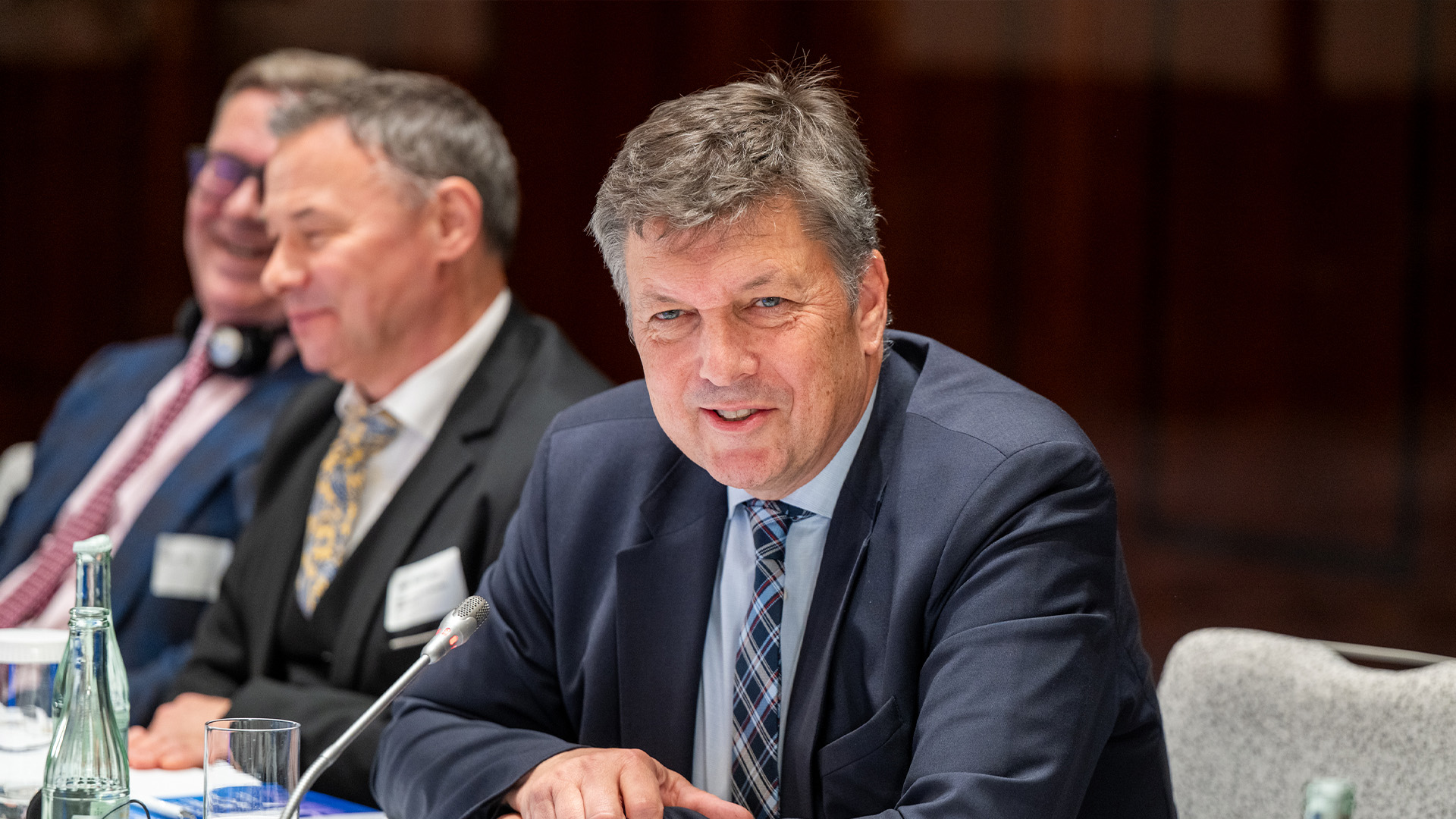
Following the Berlin meetings, the parties signed 11 cooperation agreements covering several sectors.
The agreements address industrial production, mechanical engineering, construction, medical infrastructure, urban security and unmanned technologies.
The breadth of the agreements suggests that Kazakhstan is seeking partners for both the industrial and urban components of Alatau City.
However, the announcement does not provide a combined financial value for the agreements or confirm that all projects have secured investment financing.
The next stage will depend on detailed project development, financing arrangements and implementation decisions by the participating organizations.
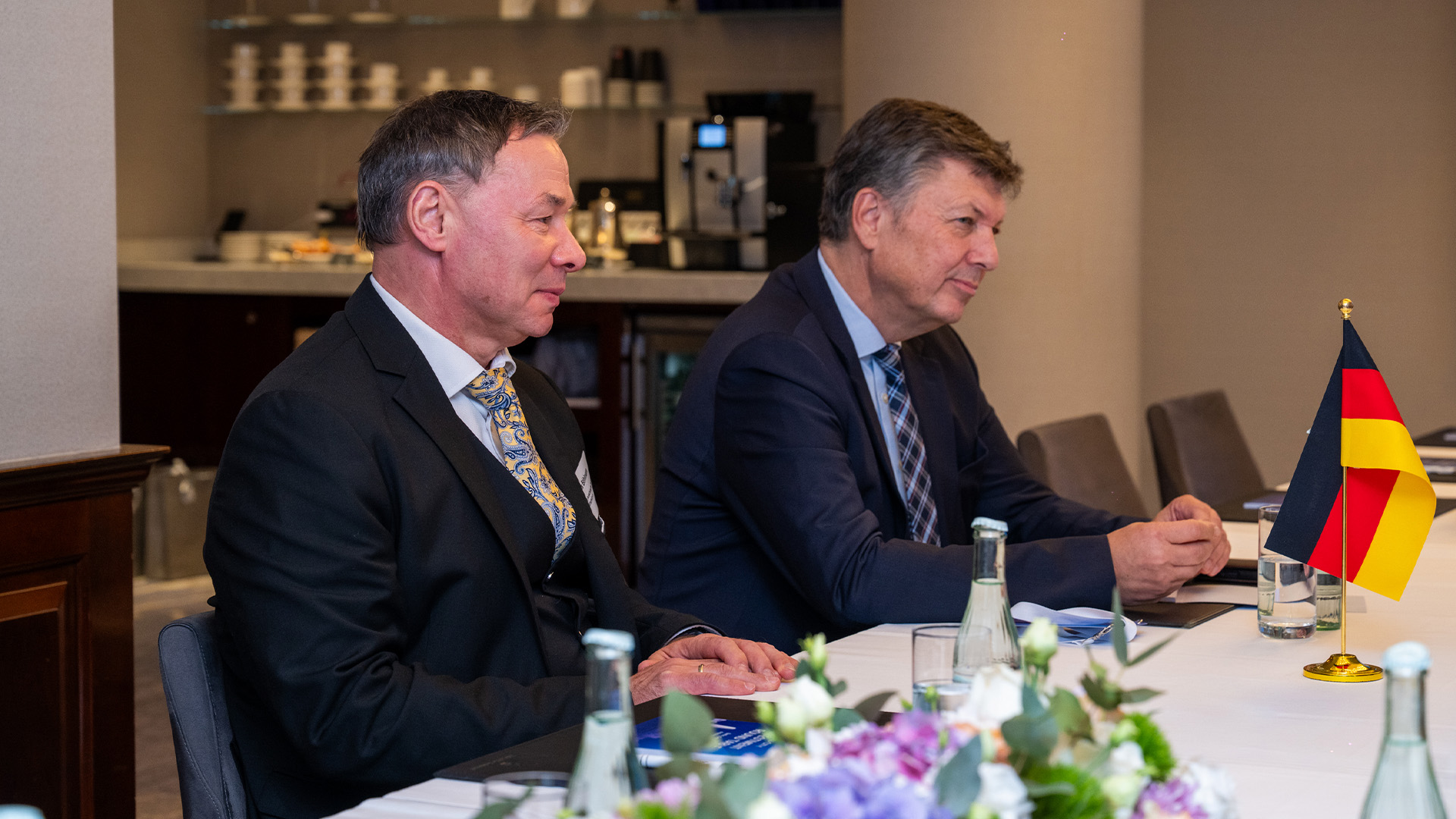
Frankfurt meetings to focus on banks and project financing
After Berlin, the Alatau City investment roadshow will continue in Frankfurt am Main, one of Germany's principal financial centers.
The program includes negotiations with German banks and financial institutions, as well as an investment roundtable involving business representatives.
The main objective is to explore financing for infrastructure and investment projects in Alatau City.
For a development of this scale, access to long-term capital will be important for building transport connections, utilities, industrial facilities and other essential infrastructure.
Discussions with financial institutions could help determine which projects are ready for financing and what structures may be appropriate for their implementation.
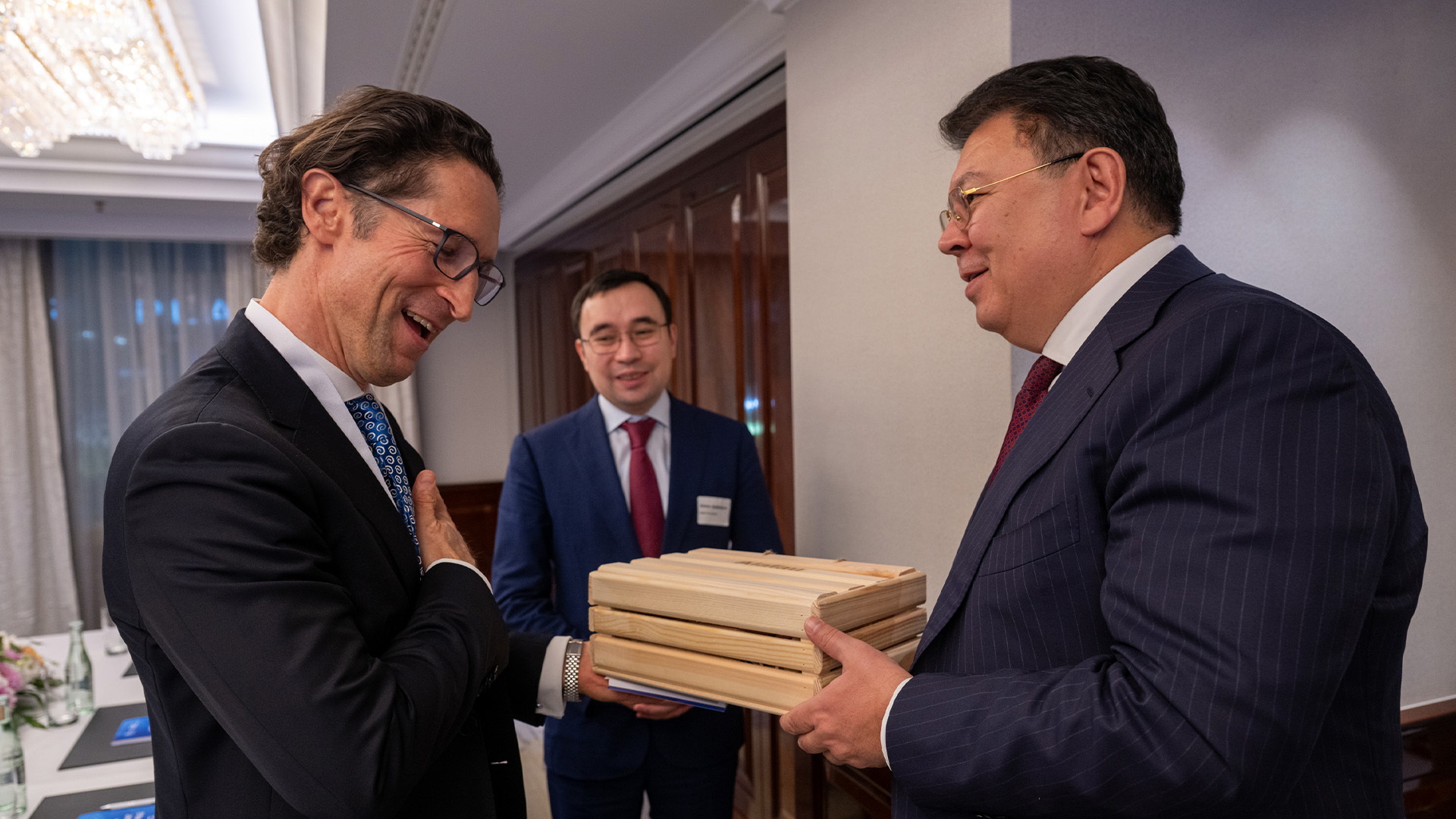
Why German participation matters for Alatau City
Kazakhstan is positioning Alatau City as a major destination for investment, industrial cooperation and modern urban development.
German participation could bring engineering expertise, manufacturing technologies, energy-efficient construction solutions and access to international financing networks.
The Berlin meetings also connect the project with the broader Kazakhstan–Germany cooperation agenda, including the industrial and technological roadmap for 2026–2028.
The 11 signed agreements represent a step toward establishing partnerships, but their economic impact will depend on whether the proposed initiatives move into construction, production and operation.
The upcoming Frankfurt negotiations will be important in determining how potential projects can be financed and which investment proposals are ready to advance.