
The ninth China International Import Expo (CIIE), which concluded in Shanghai on November 10, delivered a striking result. The value of intended deals to be completed within one year reached a record US$85.45 billion, up 2.3 percent from the previous edition. These are expressions of commercial intent rather than completed transactions, a distinction that matters. Even so, the increase offers a clear indication of sustained international business interest in the Chinese market.
Over six days, the expo brought together 4,142 exhibitors across a record 370,000 square metres of business exhibition space. For the first time, more than 300 Fortune Global 500 companies and industry leaders participated. Registered visitors exceeded 470,000, while participants represented 162 countries, regions and international organisations. The figures represent extensive direct engagement among manufacturers, buyers, investors and technology providers.
The expo also strengthened its position as a launch platform for innovation. It hosted 485 global, Asian or Chinese debuts of products, technologies and services, compared with 461 a year earlier. Its innovation incubation area featured 633 projects from nearly 40 countries and regions, an increase of roughly 20 percent. Artificial intelligence, advanced manufacturing, healthcare technology and new consumer products were presented with an emphasis on practical deployment and market demand.
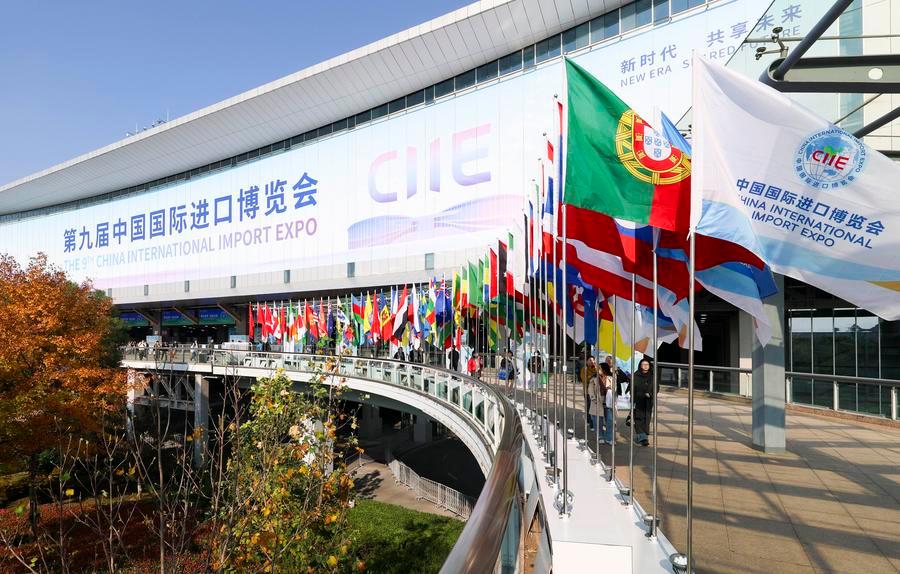
Another noteworthy outcome was broader access for smaller economies. Free exhibition space for the least developed countries increased by 17 percent, helping producers connect with buyers in a vast market. At the same time, major international companies remained strongly represented. For the eighth consecutive year, US exhibitors occupied the largest exhibition area among foreign participants, covering more than 50,000 square metres.
For Kazakhstan and Central Asia, the lesson is practical. Success at an import expo should be judged by durable supply relationships, access to distribution networks and technology partnerships rather than the number of presentations delivered. Opportunities exist in food products, processed goods, logistics and joint manufacturing. Turning them into business requires competitive products, certification, effective marketing and reliable fulfilment.
China has been the world’s second-largest import market for 17 consecutive years. Its imports exceeded 90 trillion yuan between 2021 and 2025. The country’s development plans for 2026–2030 envisage further import expansion and continued hosting of the CIIE. Interest in the next edition is already evident: by the close of this year’s event, 143 companies and institutions had reserved more than 100,000 square metres for 2027.
As a journalist who has followed China’s development for many years, I see the Shanghai results as evidence of continuity in economic policy. Market access is supported by a tangible infrastructure for business meetings, product launches and negotiations. The ninth CIIE ended with record figures, but its most meaningful outcome will emerge as intentions become deliveries, investment and lasting industrial links. That is where openness translates into measurable economic value.