
Kazakhstani children have gained access to advanced treatment. Young patients with complex vascular malformations can now receive specialised medical care in Kazakhstan instead of travelling abroad, DKNews.kz reports.
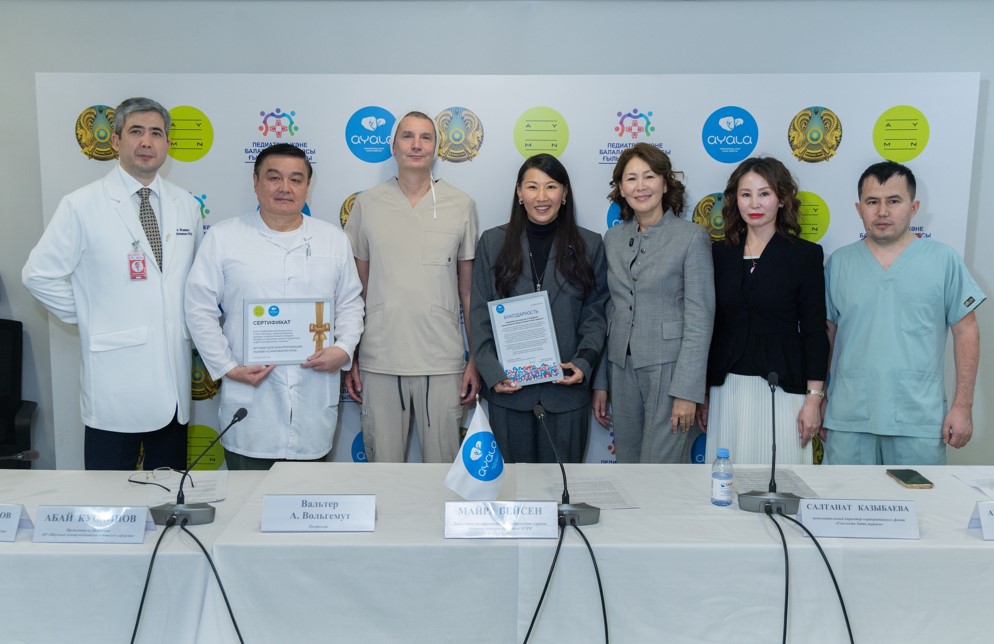
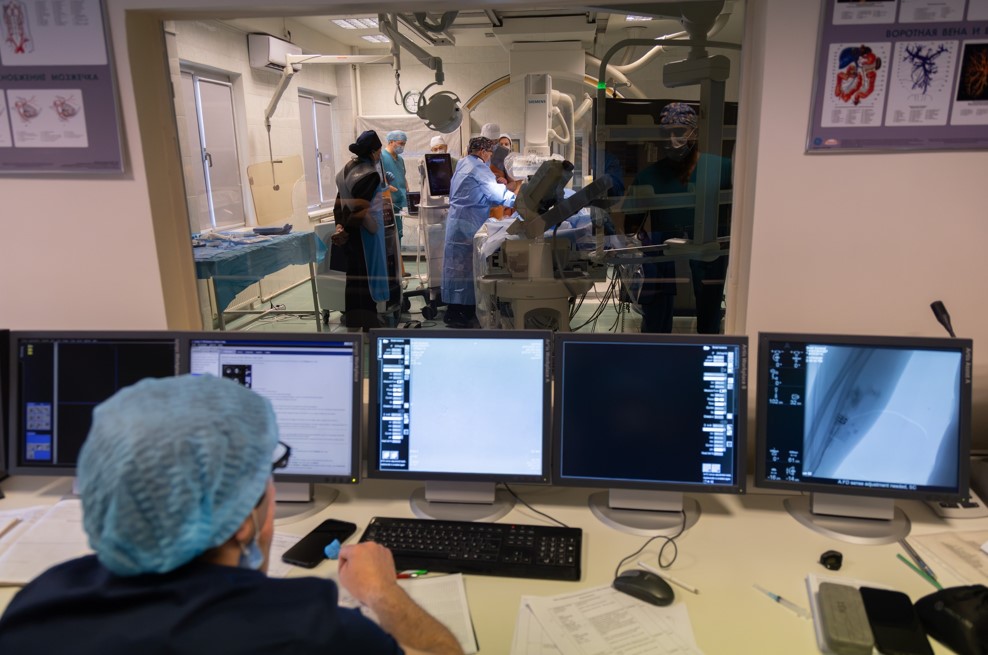
The first eight patients have undergone surgery at the Scientific Centre of Paediatrics and Paediatric Surgery in Almaty. The “Breathe Life” project was implemented by the Courage to Be First Corporate Foundation and the AYALA Charity Foundation, with support from Kazakhstan’s Ministry of Healthcare.
More than KZT 437 million spent on overseas treatment
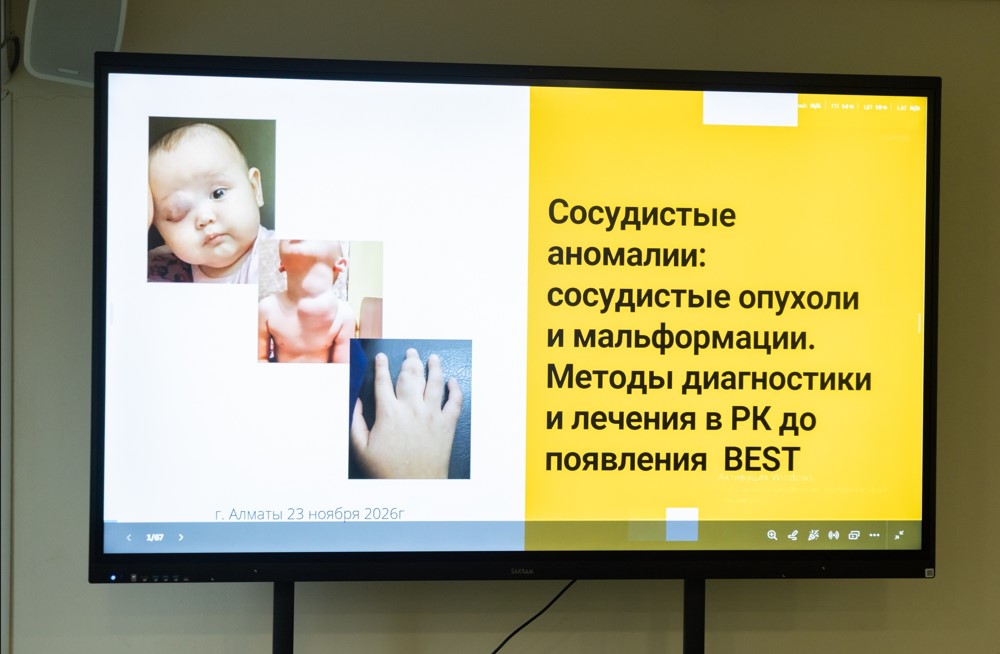
Every year, more than 40 children are born in Kazakhstan with vascular malformations. These congenital abnormalities of blood vessels can cause chronic pain, bleeding and, in severe cases, limited mobility.
Until recently, children with complex forms of the condition were referred to overseas clinics. Between 2021 and 2024, the government spent more than KZT 437 million on their treatment abroad.
According to the Ministry of Healthcare, 45 children were referred for overseas treatment between 2021 and 2026, undergoing a total of 90 treatment stages. Some patients required up to five stages of treatment.
The Almaty centre now expects to treat up to 50 children annually from across Kazakhstan.
How the new treatment works
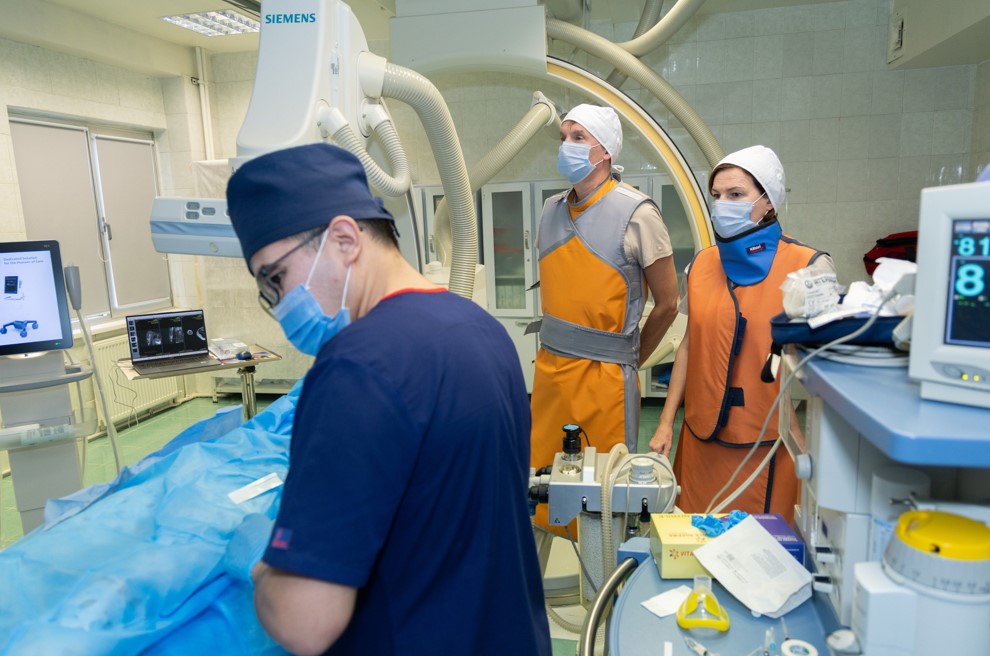
The BEST technique combines sclerotherapy with electroporation, using medication alongside short electrical pulses.
These pulses increase the permeability of cell membranes, allowing doctors to reduce the dosage of medication and minimise the burden on a child's body.
An Italian-made Cliniporator Vitae system was purchased for the centre to introduce the technology.
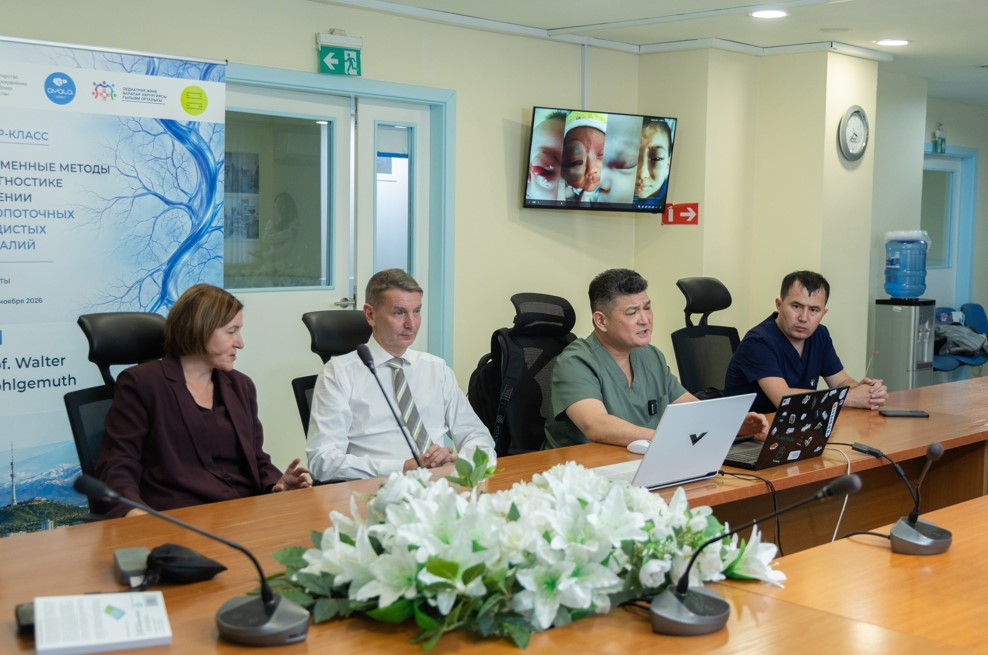
Four Kazakhstani doctors received specialised training at the University Hospital in Halle, Germany, under Professor Walter Wohlgemuth, one of Europe's leading experts in the diagnosis and treatment of congenital vascular anomalies.
On 23–24 November 2026, Kazakhstani surgeons performed the country's first eight procedures using the new technique under his supervision.
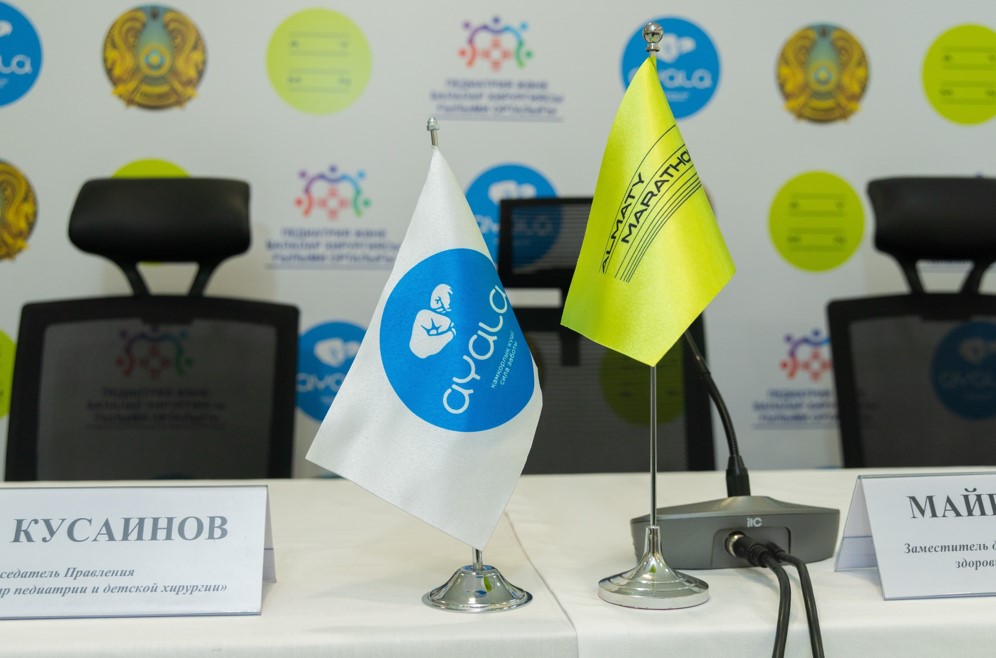
“Now that the centre has the necessary equipment and our specialists have completed their training, we will be able to provide comprehensive care for children with complex vascular malformations, from diagnosis through to recovery,” said Abai Kussainov, Chairman of the Management Board of the Scientific Centre of Paediatrics and Paediatric Surgery.
The centre plans to perform between 80 and 100 procedures annually, with the number of treatment courses determined individually for each patient.
Almaty Marathon runners helped fund a KZT 117.6 million project
The total cost of the “Breathe Life” project is estimated at KZT 117.6 million. A portion of Almaty Marathon registration fees helps finance charitable initiatives.
The anniversary marathon, held on 27 September 2026, attracted 16,000 runners from 66 countries.
According to the medical centre's estimates, the new equipment will remain operational for at least 10–15 years, enabling doctors to perform approximately 1,000 procedures during its first decade of use.
“We want children to receive modern treatment in Kazakhstan without being separated from their families. That is why we work with doctors to select equipment and organise specialist training,” said Saltanat Kazybayeva, Executive Director of the Courage to Be First Corporate Foundation.
Before the new treatment becomes part of routine medical practice, Kazakhstan still needs to approve a clinical protocol and reimbursement tariffs.
KZT 248.3 million invested in children's healthcare
“Breathe Life” is the fourth joint healthcare project implemented by the two charitable foundations. Since 2024, they have allocated KZT 248.3 million to these initiatives.
Previous projects include the launch of a one-day clinic for early prenatal screening in the Turkestan region and the provision of medical equipment to perinatal centres in Shymkent and Turkestan to diagnose and treat retinopathy of prematurity.
Since March 2026, premature infants in Turkestan have no longer needed to travel to Shymkent or Almaty for laser treatment of the retina.
“There are issues in paediatric medicine that receive little public attention, yet they become enormous challenges for the families affected. Such projects require substantial investment, even though the number of children who need assistance is relatively small,” said Aidan Suleimenova, founder and president of the AYALA Charity Foundation.
Kazakhstan to receive its first retinal tomograph for infants
In 2026–2027, the foundations plan to implement another medical project worth KZT 160 million.
Kazakhstan's first retinal tomograph designed for infants will be installed at a perinatal centre in Almaty.
The device will allow doctors to examine the retinal layers of premature babies without anaesthesia or direct contact with the eye, helping detect abnormalities at their earliest stages.
Approximately 700 infants are expected to benefit from the new diagnostic technology each year.
Further information about children's healthcare initiatives is available through the AYALA Charity Foundation and Almaty Marathon.