
Venezuela: Maduro pleads not guilty in U.S. court
Venezuelan President Nicolas Maduro appeared in a New York court on Monday, where he pleaded not guilty to all charges brought against him by the United States during his first court appearance.
“I am innocent. I am not guilty,” Maduro told the court, stating that he was “kidnapped” from his residence in Caracas and insisting that he remains the legitimate president of Venezuela, according to media reports from inside the courtroom.
Maduro’s wife, Cilia Flores, also denied all charges, declaring that she bears no responsibility for the accusations raised by U.S. authorities. The case has already sparked intense international debate, particularly regarding jurisdiction, due process, and the issue of sovereign immunity.
Delcy Rodriguez sworn in as acting president
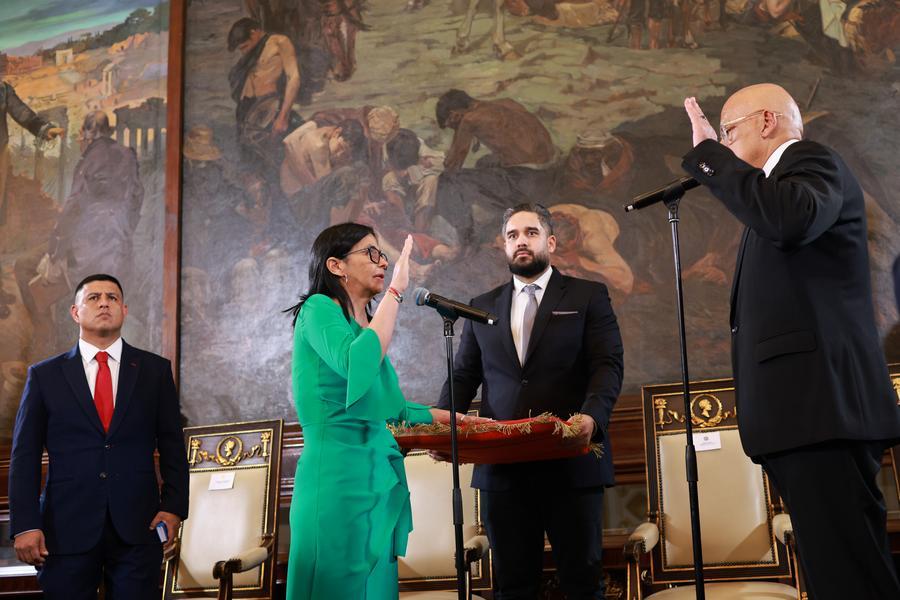
Following Maduro’s forcible removal from the country on January 3 during a U.S. military operation, former Vice President Delcy Rodriguez was sworn in on Monday as Venezuela’s acting president.
Speaking at a formal ceremony in Caracas, Rodriguez described her appointment as taking place under conditions of “illegitimate military aggression” against Venezuela.
“I come with pain, because of the suffering inflicted on the Venezuelan people,” she said, pledging to work tirelessly to preserve peace and stability in the country.
The development underscores Venezuela’s deepening political and constitutional crisis amid escalating international tensions.
Venezuela appeals to UN Security Council
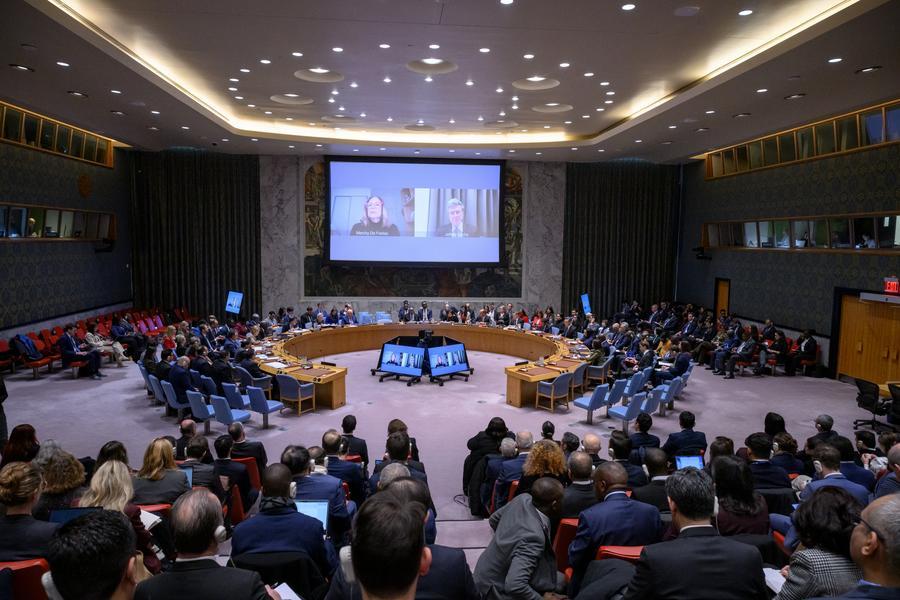
Venezuela formally raised the issue at the United Nations, with its permanent representative Samuel Moncada calling on the UN Security Council to take immediate action.
Addressing an emergency meeting, Moncada urged the Council to fulfill its mandate under the UN Charter and demand that the United States respect the immunities of President Nicolas Maduro and First Lady Cilia Flores, ensure their immediate release, and guarantee their safe return to Venezuela.
Caracas framed the issue not merely as a national dispute, but as a fundamental challenge to international law and state sovereignty.
UN Secretary-General voices concern over use of force
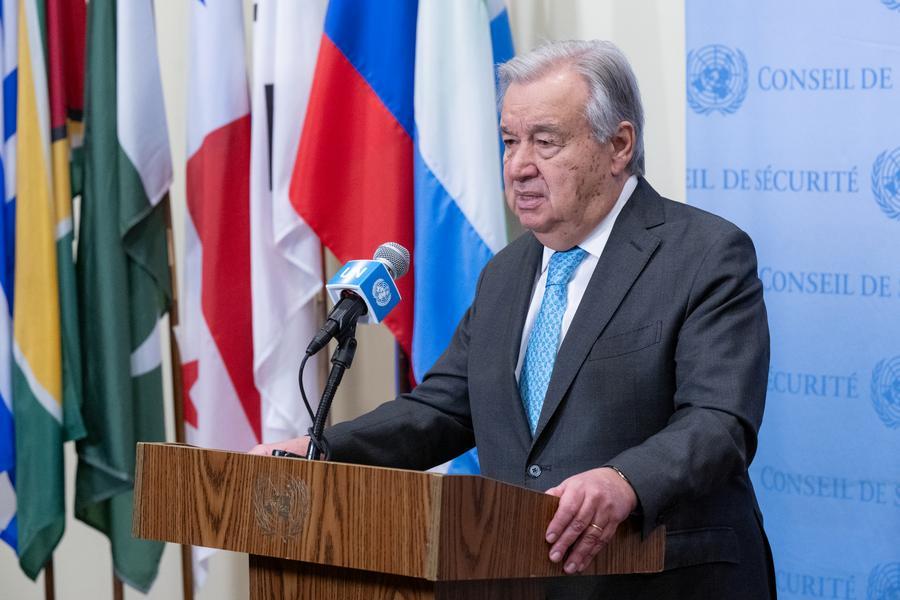
UN Secretary-General António Guterres expressed deep concern over the apparent lack of respect for international law in the U.S. military action against Venezuela.
In a statement read to the Security Council by Under-Secretary-General for Political Affairs Rosemary DiCarlo, Guterres emphasized that the UN Charter prohibits the threat or use of force against the territorial integrity or political independence of any state.
The remarks represent one of the strongest recent expressions of concern by the UN leadership regarding unilateral military actions.
Trump issues warning to Colombia
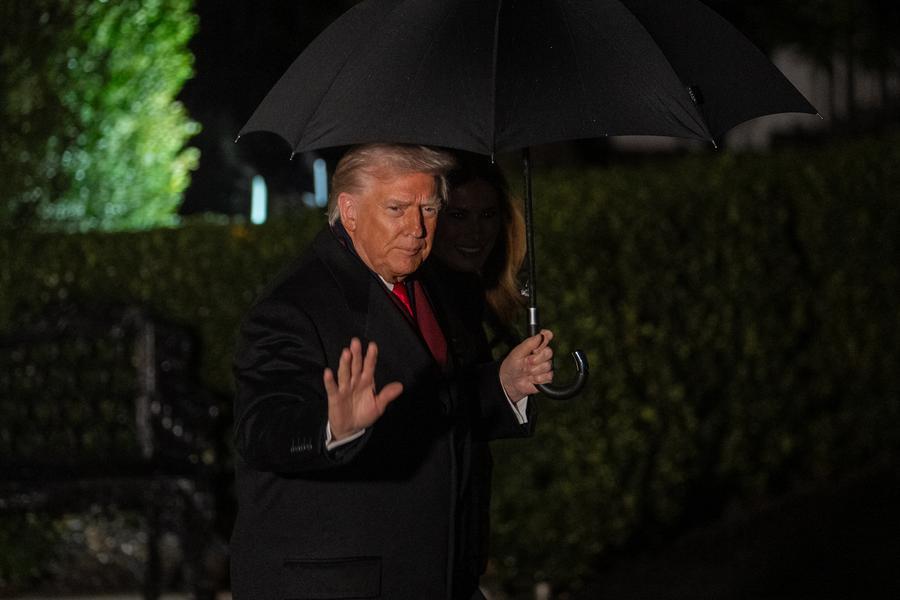
Amid the Venezuela crisis, U.S. President Donald Trump issued sharp remarks directed at Colombian President Gustavo Petro. When asked about the possibility of U.S. military action against Colombia, Trump responded, “It sounds good to me.”
He further accused Colombia of being run by “a sick man who likes making cocaine and selling it to the United States,” comments that have heightened concerns about rising instability and confrontational rhetoric in Latin America.
Mexico rejects U.S. intervention
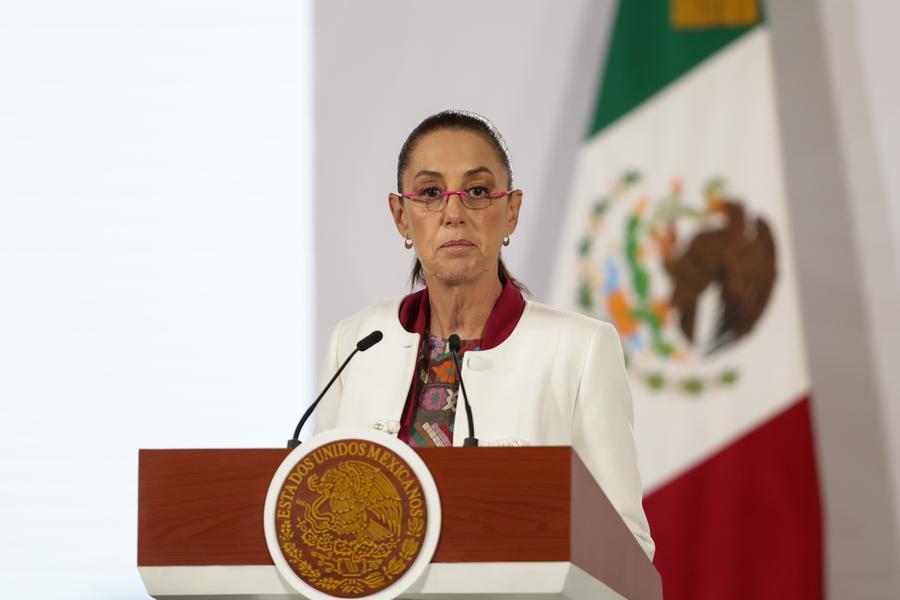
Mexican President Claudia Sheinbaum firmly rejected the idea of U.S. military intervention in Mexico to combat drug cartels.
Speaking at her daily press conference, Sheinbaum stressed that any security cooperation must be based on mutual respect, national sovereignty, and collaboration without subordination. She dismissed the need for talks with President Trump on the matter, reinforcing Mexico’s stance against external military involvement.
Middle East: Israel launches new strikes in Lebanon
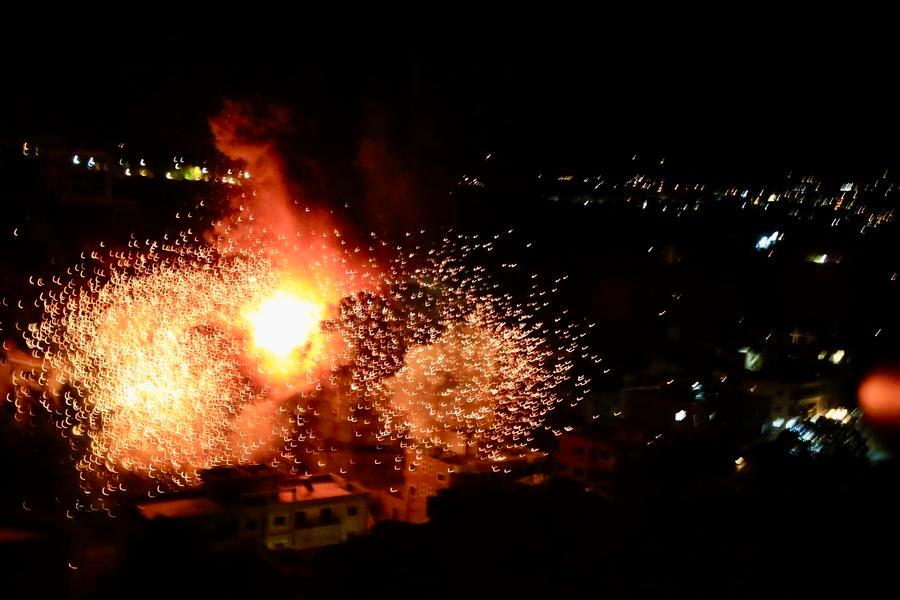
Meanwhile, tensions in the Middle East escalated further as the Israeli military announced a new wave of airstrikes against Hezbollah and Hamas targets in Lebanon, citing continued violations of ceasefire understandings.
Lebanon’s National News Agency confirmed strikes on several villages, reporting the destruction of residential buildings and significant damage to nearby homes, vehicles, and shops. In one location, an unexploded missile blocked a road, highlighting the risks faced by civilians.