


Kazakhstan is accelerating the digital transformation of its oil pipeline infrastructure, with KazTransOil, the country’s national oil pipeline operator, playing a key role in this shift. The move reflects a broader strategy aimed at strengthening economic stability, improving energy security and reducing operational and environmental risks in a changing global energy landscape, DKNews.kz reports.
Record Volumes as a Foundation for Digital Growth
In 2025, KazTransOil ensured stable and uninterrupted operation of Kazakhstan’s main oil pipeline system. Oil transportation volumes through the trunk pipeline network reached 45.1 million tonnes, marking the highest level in the past seven years. Oil cargo turnover exceeded 36 billion tonne-kilometers, confirming the system’s high utilization and resilience.
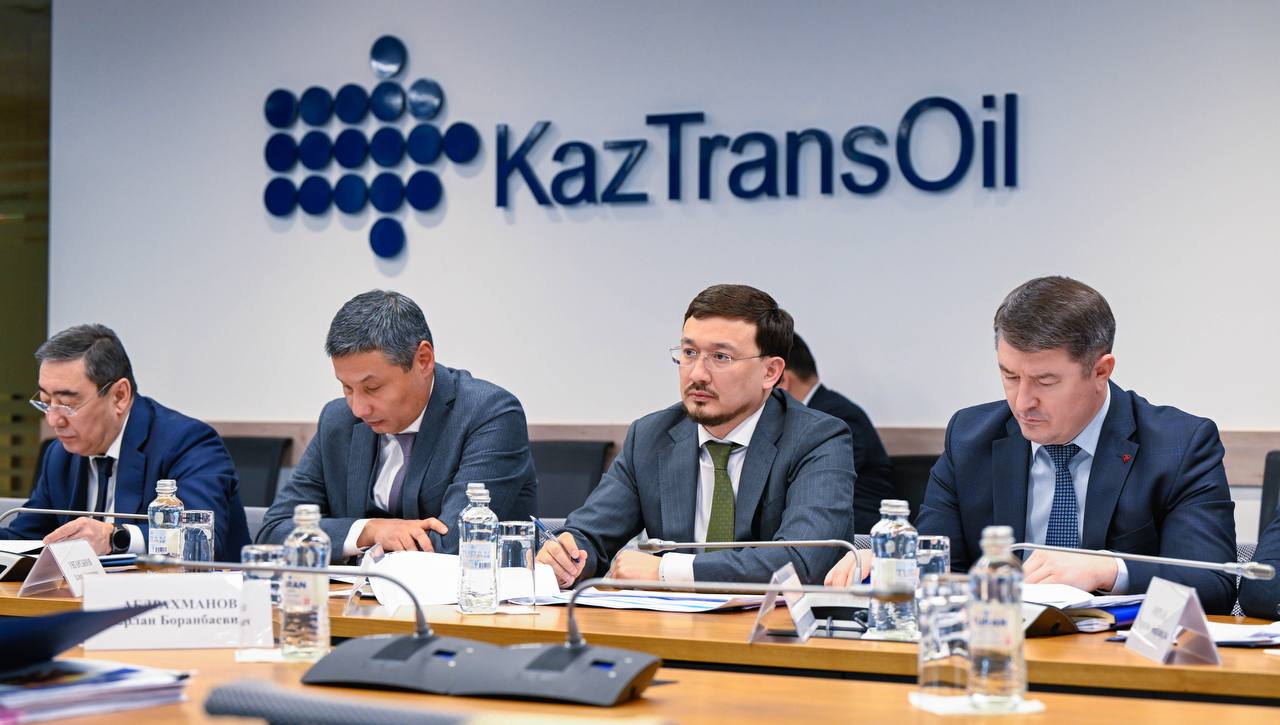
At the same time, oil deliveries to domestic refineries totaled 18 million tonnes, up 4 percent year-on-year, supporting the steady operation of Kazakhstan’s refining sector and the domestic fuel market.
These figures provide a strong operational foundation for the next stage — digital modernization.

From Traditional Pipelines to Intelligent Systems
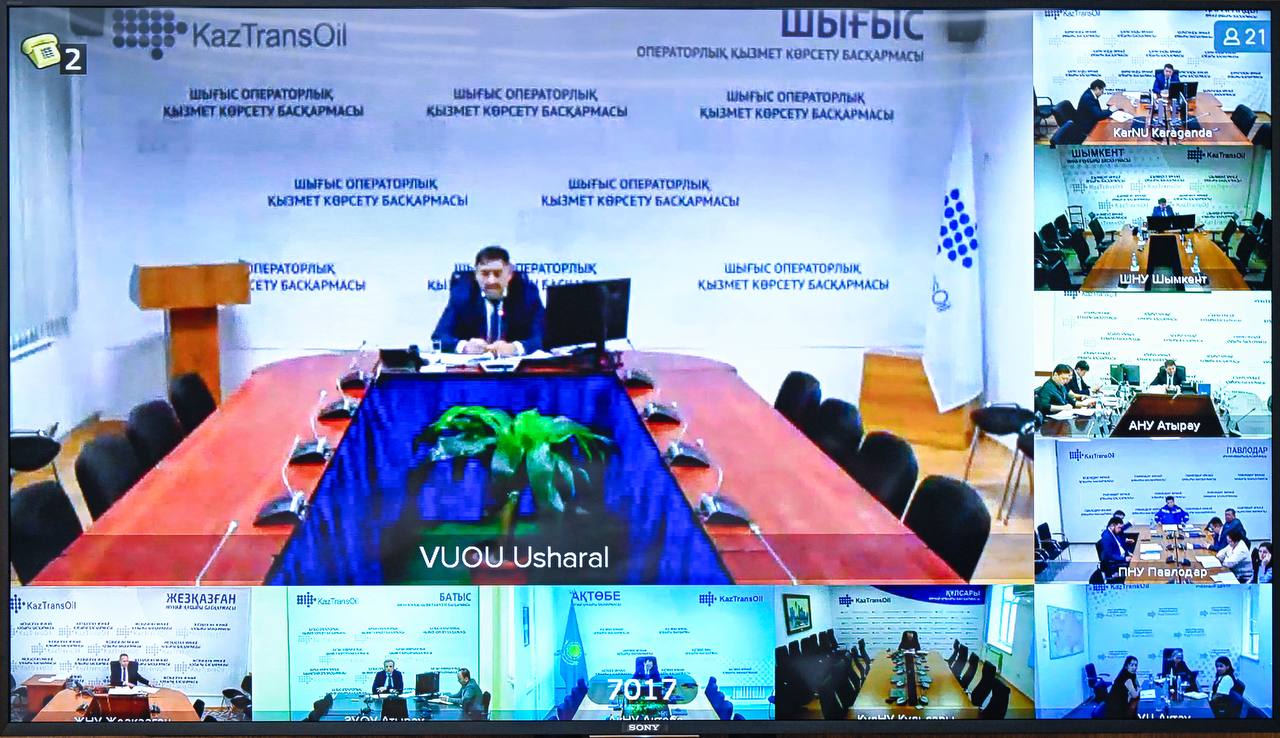
Digitalization is transforming pipeline management from reactive maintenance to predictive and data-driven control. KazTransOil plans to introduce an integrated pipeline integrity management information system using artificial intelligence technologies.
Such systems continuously analyze operational parameters — pressure, temperature, flow rates and structural data — allowing early detection of potential defects. This reduces accident risks, minimizes downtime and lowers repair costs, while improving overall safety and reliability.
Economic Benefits: Lower Costs, Higher Competitiveness
From an economic perspective, digitalization brings tangible benefits. Optimizing technological regimes has already delivered results. In 2025, KazTransOil saved:
- 9 million cubic meters of natural gas,
- 1,675 kWh of electricity.
The total economic effect amounted to 361 million tenge, while greenhouse gas emissions were reduced by 2.8 tonnes. As a result, energy consumption per unit of oil cargo turnover decreased by 2.5 percent compared to 2024, and by 60 percent between 2010 and 2025.

Lower operating costs and higher efficiency strengthen Kazakhstan’s position as a reliable transit country and enhance the competitiveness of its export routes.
Energy Security and Environmental Responsibility
For Kazakhstan, where oil transportation plays a strategic role in the economy, pipeline reliability is directly linked to energy security and budget revenues. Digital monitoring systems enable faster responses to technical deviations and external risks, reducing the likelihood of large-scale disruptions.
At the same time, advanced leak detection and optimized energy use support ESG goals by limiting environmental impact and lowering emissions. This aligns the oil transportation sector with growing global sustainability requirements.
Artificial Intelligence as a Strategic Asset
The introduction of AI marks a qualitative leap in infrastructure management. Beyond improving safety, it creates demand for highly skilled professionals in data analytics, engineering and digital technologies, contributing to the development of national human capital.
Kazakhstan’s designation of 2025 as the Year of Digitalization and Artificial Intelligence further underscores the strategic importance of these initiatives.
Investing in People and Infrastructure
Alongside technological upgrades, KazTransOil continues to improve working conditions for its employees. In 2025, more than 10,000 square meters of social and utility facilities at production sites were renovated, and new modern buildings were commissioned.
Looking Ahead
The accelerated digitalization of oil pipelines signals Kazakhstan’s transition toward a more technologically advanced energy model. While oil transportation remains a traditional sector, the integration of AI and digital tools is reshaping it into a modern, data-driven industry.
For the economy, the impact goes beyond oil: improved reliability, lower risks, stronger ESG performance and increased investor confidence. In this sense, digital pipelines are becoming a key element of Kazakhstan’s long-term economic resilience.