
Kazakhstan has taken a noticeable step forward in how it manages public money. According to the latest international PEFA assessment, the country improved its results in 17 out of 31 key areas, confirming steady progress in transparency, accountability, and the effectiveness of budget spending, DKNews.kz reports.
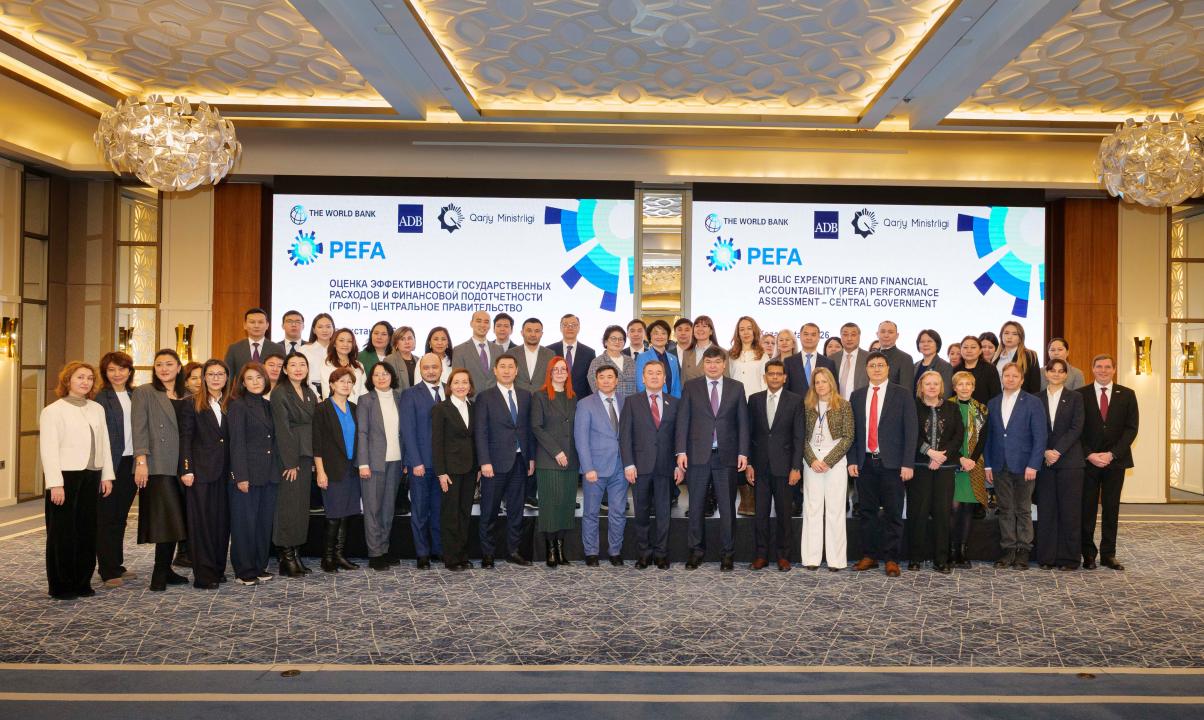
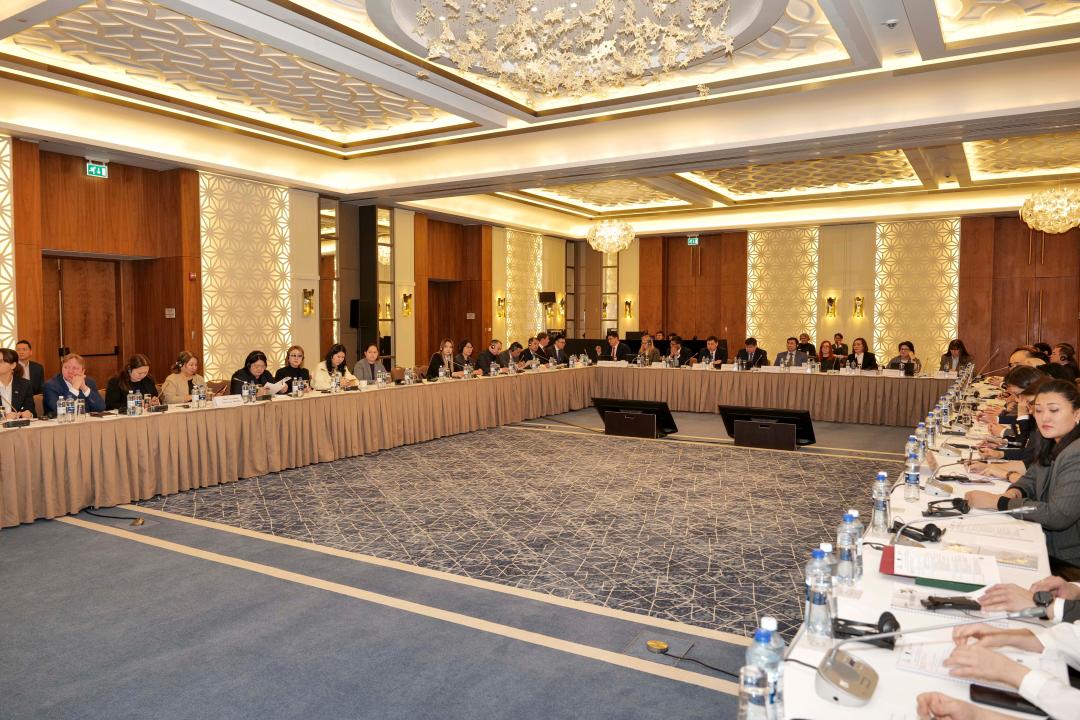
The findings were presented at a roundtable dedicated to the launch of the new PEFA report. Senior government officials and international partners gathered to discuss what the numbers really say about the state of Kazakhstan’s public finances - and where the system is heading next.
PEFA is often described as a global “health check” for public finance systems. It does not measure intentions or promises, but real performance: how budgets are planned, how money is spent, and how accountable governments are to citizens and investors.
Clear progress since 2018
Compared with the previous assessment conducted in 2018, Kazakhstan’s progress is tangible. The share of indicators receiving the highest possible score, “A”, more than doubled - rising from 16 percent to 39 percent. Even more telling, 94 percent of all indicators scored “C” or higher, meaning they meet at least the baseline international standard.
In practical terms, this suggests that most elements of Kazakhstan’s budget system are now functioning at a level comparable with global norms, while a growing number are approaching best practice.

What was assessed
The PEFA review covered the full architecture of public financial management. Experts examined:
- budget planning and execution
- revenue and expenditure management
- public procurement
- internal and external audit
- fiscal transparency and financial reporting
Several areas stood out as particular strengths. These include stronger fiscal discipline, more reliable budget execution, and improved transparency in managing government revenues.
Another key finding was the shift toward strategic allocation of resources. International experts noted better alignment between medium-term budgeting and national strategic plans, as well as the growing role of key performance indicators when allocating public funds. Internal control and audit systems, now largely aligned with international standards, cover nearly all government spending.
Not just praise, but a roadmap
Importantly, the assessment did not gloss over remaining challenges. Among the areas requiring further improvement are competition in public procurement, management of public debt, and broader public access to budget information.
These issues may sound technical, but they are closely linked to public trust. Transparent procurement reduces costs and corruption risks. Sound debt management protects future generations. Open access to information allows citizens to understand how their taxes are used.
As international experts emphasized, stronger public financial management makes reforms more resilient: transparency helps citizens understand policy choices, accountability builds trust, and consistency ensures long-term impact.
A first for Kazakhstan: climate in public finance
One of the most notable milestones of this assessment is that Kazakhstan conducted its first-ever PEFA review with a climate component. This means that public finances were evaluated not only in fiscal terms, but also through the lens of climate risks and environmental commitments.
This step reflects Kazakhstan’s declared goal of achieving carbon neutrality by 2060 and sends a clear signal that climate considerations are becoming part of core budget decisions, not an afterthought. For international partners and investors, this is an increasingly important factor.
Why this matters beyond numbers
Public finance assessments rarely make headlines, yet their impact reaches far beyond ministries and spreadsheets. A well-managed budget underpins economic stability, supports investor confidence, and determines whether long-term development plans can actually be delivered.
Efficient public spending translates into better infrastructure, stronger social services, and greater resilience during global shocks. In a period of global uncertainty, the ability to manage public resources effectively becomes a competitive advantage.
Looking ahead
The PEFA assessment is not an end point, but a tool. Its value lies in how its findings are used. Kazakhstan now has a clear, internationally validated picture of where its public finance system is strong and where further reform is needed.
If these results are translated into concrete policy decisions, the benefits will not remain on paper. They will be reflected in a more transparent state, stronger institutions, and ultimately, improved quality of life for citizens.