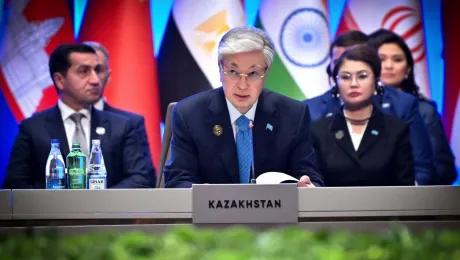


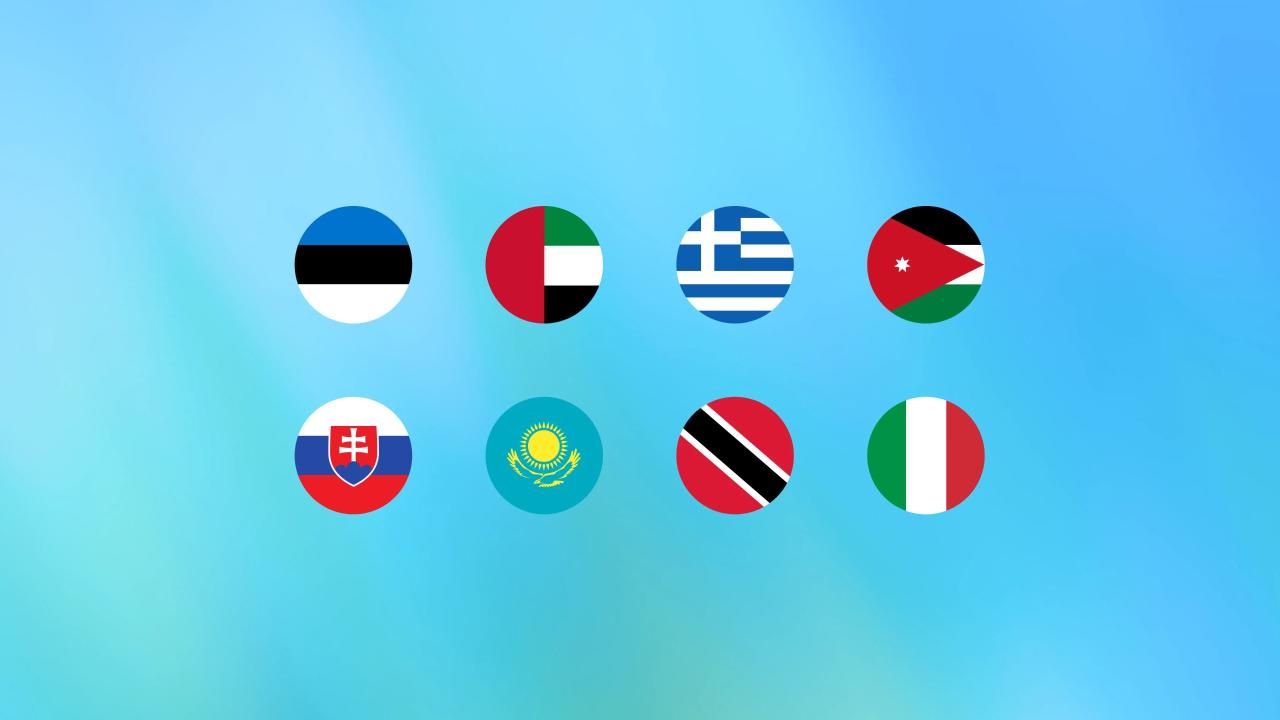
OpenAI has announced the launch of the first international cohort of the Edu for Countries initiative as part of its global OpenAI for Countries program. The initial group of participating countries includes Estonia, Singapore, the United Arab Emirates, Jordan, Greece, and Kazakhstan, DKNews.kz reports.
Kazakhstan’s participation marks the start of a systematic rollout of ChatGPT Edu, a specialized educational version of artificial intelligence, across the national education system. Kazakhstan has become the first country in Central Asia to join this international program.
Artificial intelligence as a teacher’s assistant, not a replacement
Amid global debates about the role of artificial intelligence in education, Kazakhstan has taken a clear position: AI is not meant to replace teachers, but to enhance their professional capabilities.
ChatGPT Edu is designed to reduce administrative and methodological workloads for educators while enabling more personalized and higher-quality learning. The focus is not on automating education, but on expanding human potential and empowering teachers and students alike.
A project without state funding or grants
The project is being implemented under agreements reached following the signing of a Memorandum of Cooperation on November 6, 2025, during the official visit of Kazakhstan’s Head of State to the United States. The main agreement was concluded between OpenAI, Inc., Freedom Holding Corp., and regional partner Bilim Group.
Notably, the initiative is funded entirely through private investment, without using the state budget or external grants, highlighting strong support from the business community.
165,000 free licenses for educators and institutions
As part of the rollout, 165,000 ChatGPT Edu licenses will be provided free of charge to educational institutions across Kazakhstan, including:
- 100,000 licenses for teachers in preschool, secondary, technical, and vocational education
- 62,800 licenses for faculty members and administrative staff in higher and postgraduate education
- 2,200 licenses for participants in the Astana Hub ecosystem
According to Zhaslan Madiyev, Deputy Prime Minister and Minister of Digital Development, Innovation and Aerospace Industry, Kazakhstan’s participation in Edu for Countries aligns with the Year of Artificial Intelligence and Digitalization, reflecting a systematic approach to integrating AI into key sectors.
New momentum for universities and research
Minister of Science and Higher Education Sayasat Nurbek emphasized that ChatGPT Edu is viewed as a comprehensive solution for universities, strengthening rather than replacing educators and researchers.
AI tools can accelerate the preparation of educational materials, improve the quality of feedback for students, and open new opportunities for research. Kazakhstan, he noted, is not training passive users of AI, but future creators and innovators in the field.
Personalized learning and digital culture
Minister of Education Zhanna Suleimenova described the introduction of AI into the education system as a strategic step toward empowering teachers. By taking over non-core tasks, AI allows educators to focus more on individual learners.
She stressed that AI is not a source of ready-made answers, but a tool for developing critical thinking, responsibility, and digital culture, helping educators create differentiated learning materials for students with varying levels of preparation.
What ChatGPT Edu offers
ChatGPT Edu provides educators with tools to:
- prepare teaching materials, assignments, and tests
- adapt content to students’ skill levels
- create materials in Kazakh, Russian, and English
- develop feedback frameworks and assessment criteria
All grading and evaluation decisions remain entirely within the authority of educators.
Training, security, and data protection
Starting in January 2026, regular training sessions will be conducted jointly with OpenAI specialists to support the use of ChatGPT Edu in educational, administrative, and research activities. This will help establish consistent approaches to AI use and improve educators’ digital and AI literacy.
Educational institutions will be provided with secure, dedicated workspaces that comply with Kazakhstan’s data protection and information security regulations.
Astana Hub and future talent
According to Valeria Työ, Managing Director of Astana Hub, participation in Edu for Countries expands educational opportunities for students of Tomorrow School and participants in the Tech Orda program, helping them build AI competencies and apply artificial intelligence technologies in practice.
What comes next
International experience shows that the introduction of ChatGPT Edu in leading educational institutions increases student engagement, improves the quality of teaching materials, and optimizes educators’ time. These outcomes will guide the phased implementation of the technology across Kazakhstan’s education system.
Through this initiative, Kazakhstan is taking a decisive step toward building a modern, competitive, and AI-literate education system focused on people, knowledge, and long-term development.