

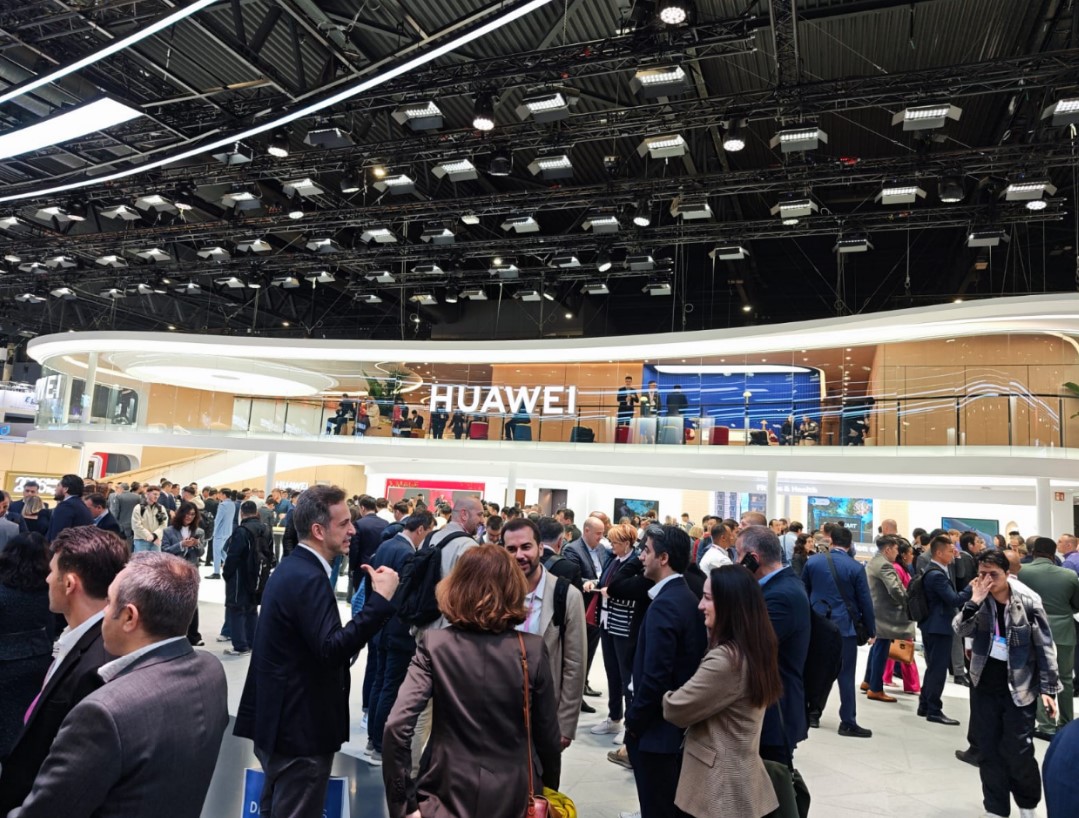
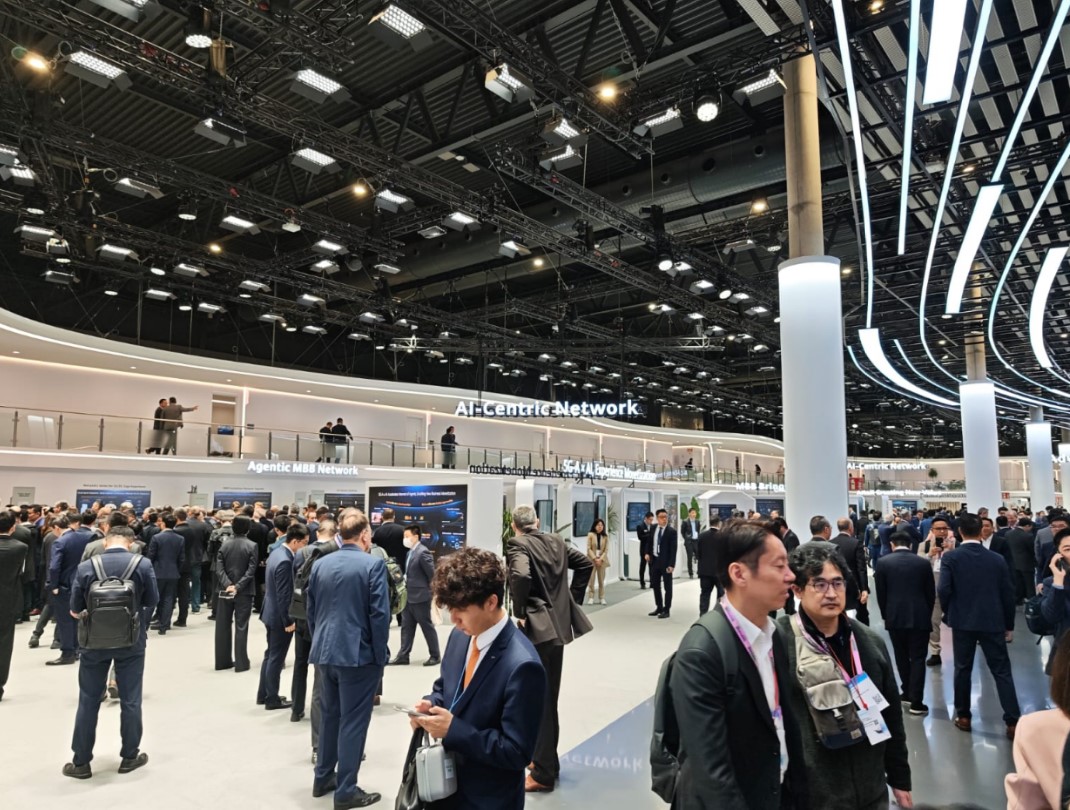
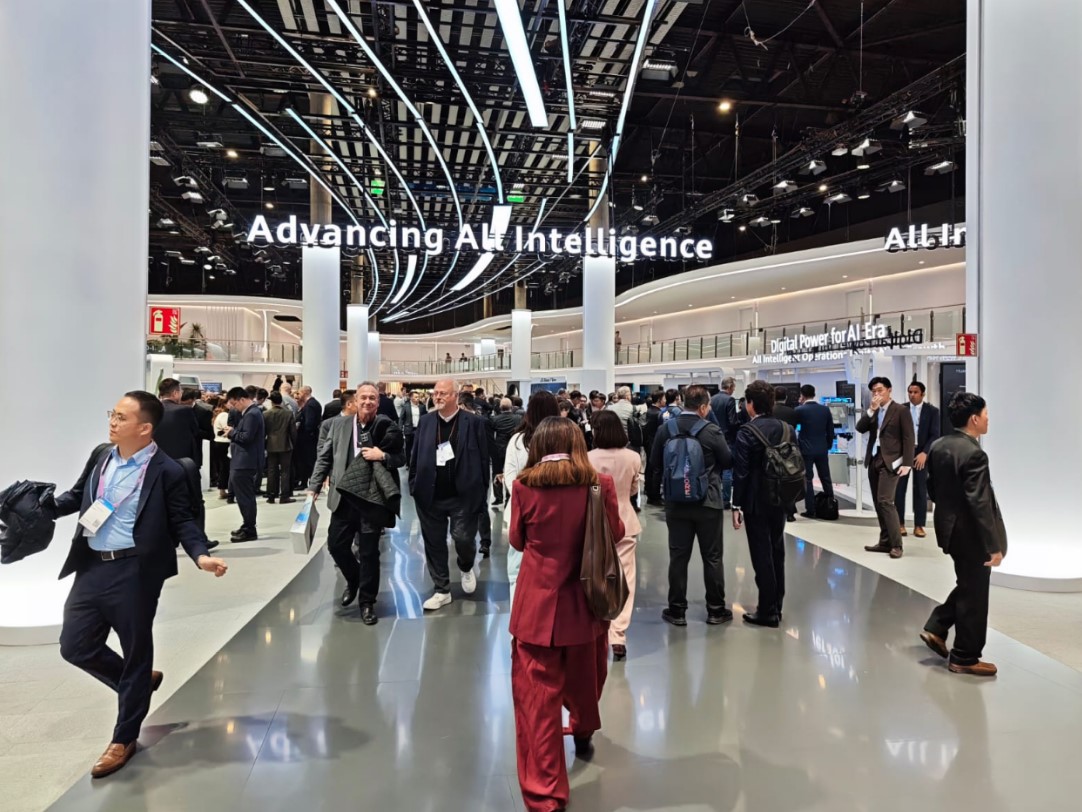
These days, Barcelona feels less like a seaside city and more like the nerve center of the digital planet. Inside the massive halls of MWC Barcelona 2026, tens of thousands of people, hundreds of presentations, and one unmistakable feeling dominate the atmosphere - the future is no longer coming; it has already arrived, DKNews.kz reports.
This is no longer just about smartphones. It is about a new economy, networks that think independently, and services that anticipate human behavior. And at the heart of this technological transformation stands Huawei.
Not Just a Booth, but a Manifesto of the Future
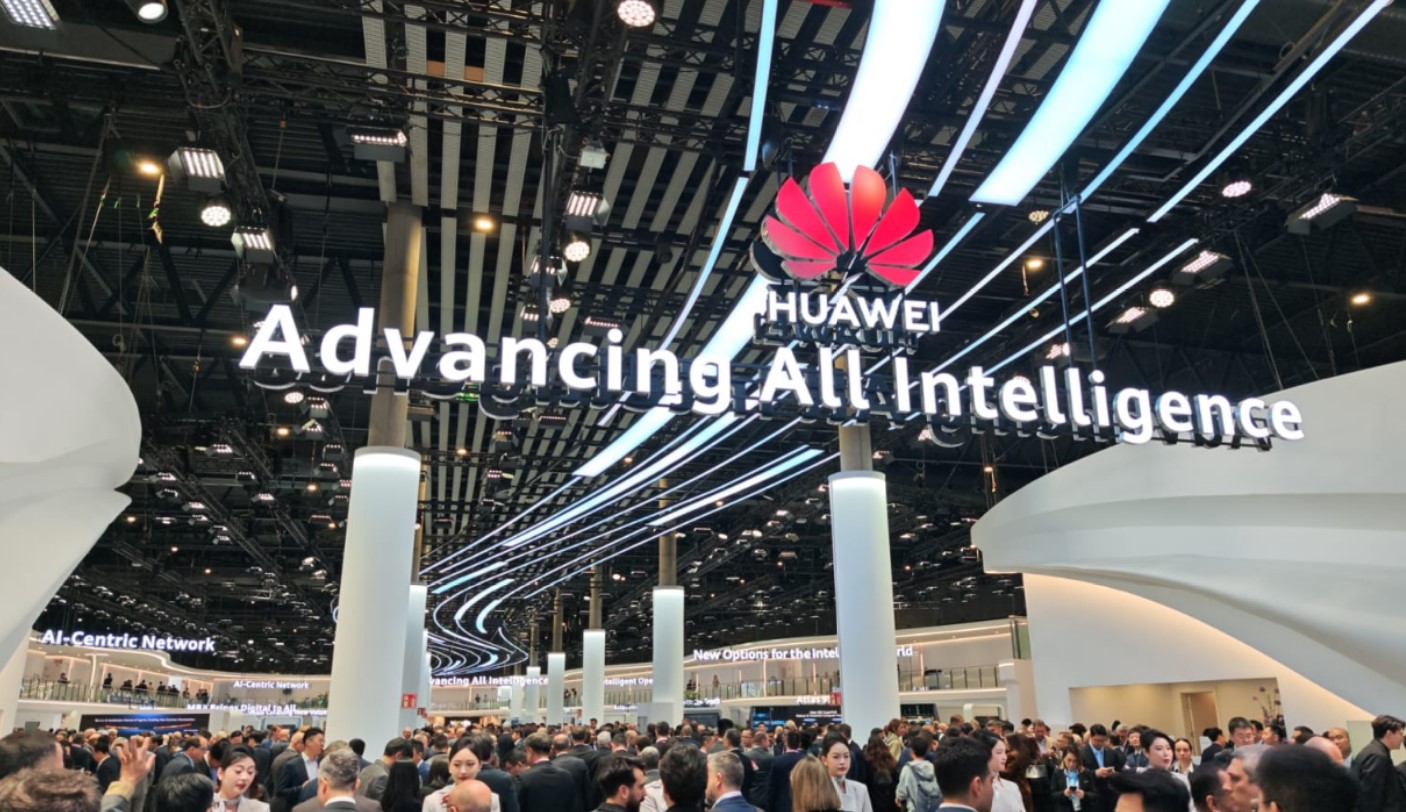
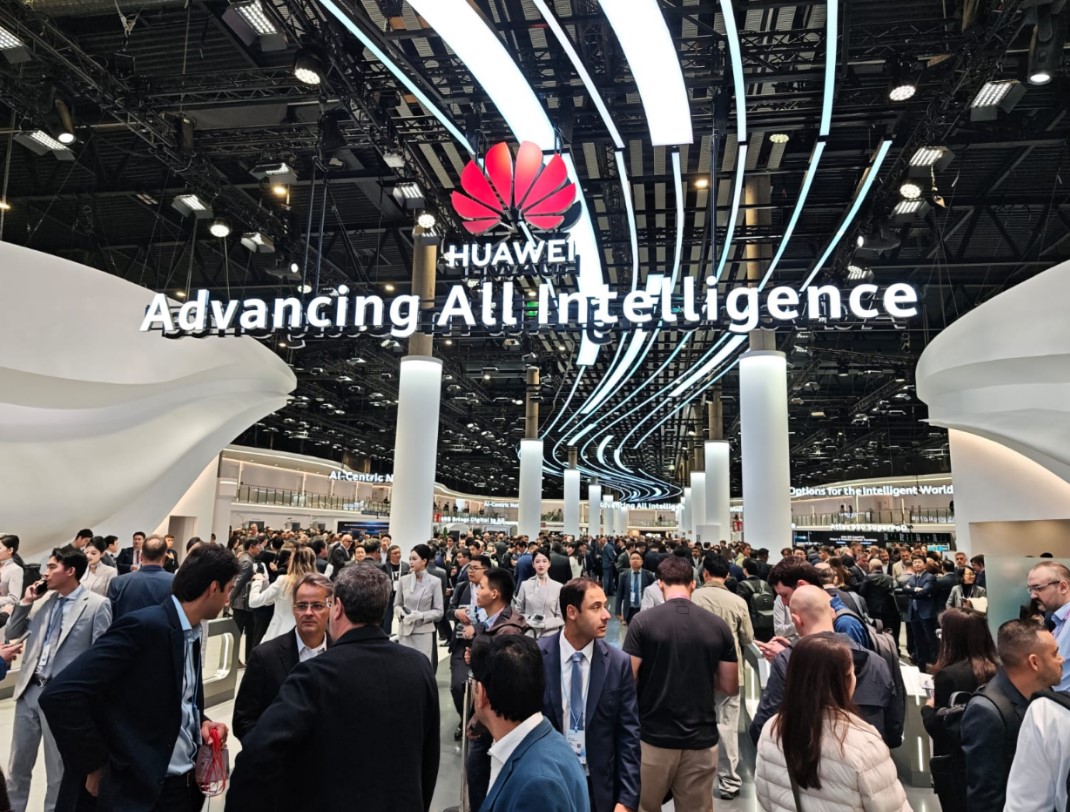
Huawei’s pavilion at MWC is not a gadget exhibition - it is a strategic statement. The massive slogan “Advancing All Intelligence” literally hangs above visitors’ heads. The message is simple: artificial intelligence must be everywhere - in networks, industry, cities, transportation, and energy.
The company is betting on AI-centric networks - infrastructure designed around artificial intelligence from the ground up. This means telecom systems will no longer simply transmit data. They will analyze it, optimize it, and adapt in real time.
One key message echoed throughout the presentations:
“ The future of the telecom industry is autonomous networks that manage themselves. ”
This is no longer a theoretical concept. Huawei is showcasing real solutions for operators - from intelligent traffic management to automated diagnostics and predictive equipment maintenance.
5G, 5.5G, and the Path to 6G
If the world once focused solely on 5G, today the discussion revolves around 5.5G and the first steps toward 6G. The exhibition floor demonstrates ultra-high bandwidth technologies, minimal latency, and full-scale industrial digitalization.
All of this is directly tied to economic transformation. Smart factories, automated ports, and digital power grids are no longer futuristic ideas - they are real projects already being implemented in multiple countries.
And the natural question arises: where does Kazakhstan stand in this transformation?
Why This Is Critical for Kazakhstan
Kazakhstan has been actively developing digitalization - from e-government services to fintech and telecom innovation. However, MWC clearly shows that the next stage is not simply about digital services; it is about infrastructure built on artificial intelligence.
For Kazakhstan, this means several key priorities:
modernizing telecom networks with autonomous management capabilities
introducing intelligent solutions in energy and industrial sectors
developing data centers and cloud infrastructure
training a new generation of highly skilled professionals
Huawei has long been actively operating in Kazakhstan - from supplying telecom equipment to launching educational initiatives. What the company is demonstrating in Barcelona could become the foundation for the country’s next phase of digital development.
This is especially significant against the backdrop of global competition. The world is dividing not only into economic blocs, but into technological ecosystems. Those who integrate AI into infrastructure faster will gain a clear competitive advantage.
Intelligence as the New Oil
If oil once shaped geopolitics, today data and intelligence are becoming the new strategic resources.
At MWC, discussions go far beyond internet speed. The focus is on the intelligent transformation of entire economies. Networks are becoming platforms for business, industry, healthcare, and urban management.
Imagine smart power grids in Kazakhstan that automatically balance load. Imagine agriculture driven by real-time data analytics. Imagine cities where transportation is managed through predictive intelligence.
This is no longer abstract. These are the very solutions being discussed and demonstrated in Barcelona.
The Era of Autonomous Systems
The core message of MWC 2026 is clear: we are entering the era of autonomous systems.
The smartphone is no longer the center of the digital universe. The center is intelligence distributed across infrastructure.
Huawei’s strategy reflects this shift, focusing on deep AI integration - from base stations to cloud platforms. This changes the very philosophy of connectivity: networks begin to understand users and business needs.
An Opportunity for Kazakhstan
For Kazakhstan, participation in global technological transformation is not about image - it is about economic growth and future competitiveness. MWC Barcelona 2026 shows that the window of opportunity is open. The real question is who will move fast enough to seize it.
If Kazakhstan invests in intelligent infrastructure, builds partnerships with technology leaders, and prioritizes talent development, it will not merely follow global trends - it can shape them in Central Asia.
Barcelona is speaking the language of intelligence today. Whether Kazakhstan responds will determine its place in the digital future.
DKNews International News Agency is registered with the Ministry of Culture and Information of the Republic of Kazakhstan. Registration certificate No. 10484-AA issued on January 20, 2010.