

A roundtable discussion titled "The Presidency in the Republic of Kazakhstan: Transition to a New Constitutional Model" was held at the Presidential Center of the DPA RK, marking a key moment in Kazakhstan’s ongoing political transformation, DKNews.kz reports.
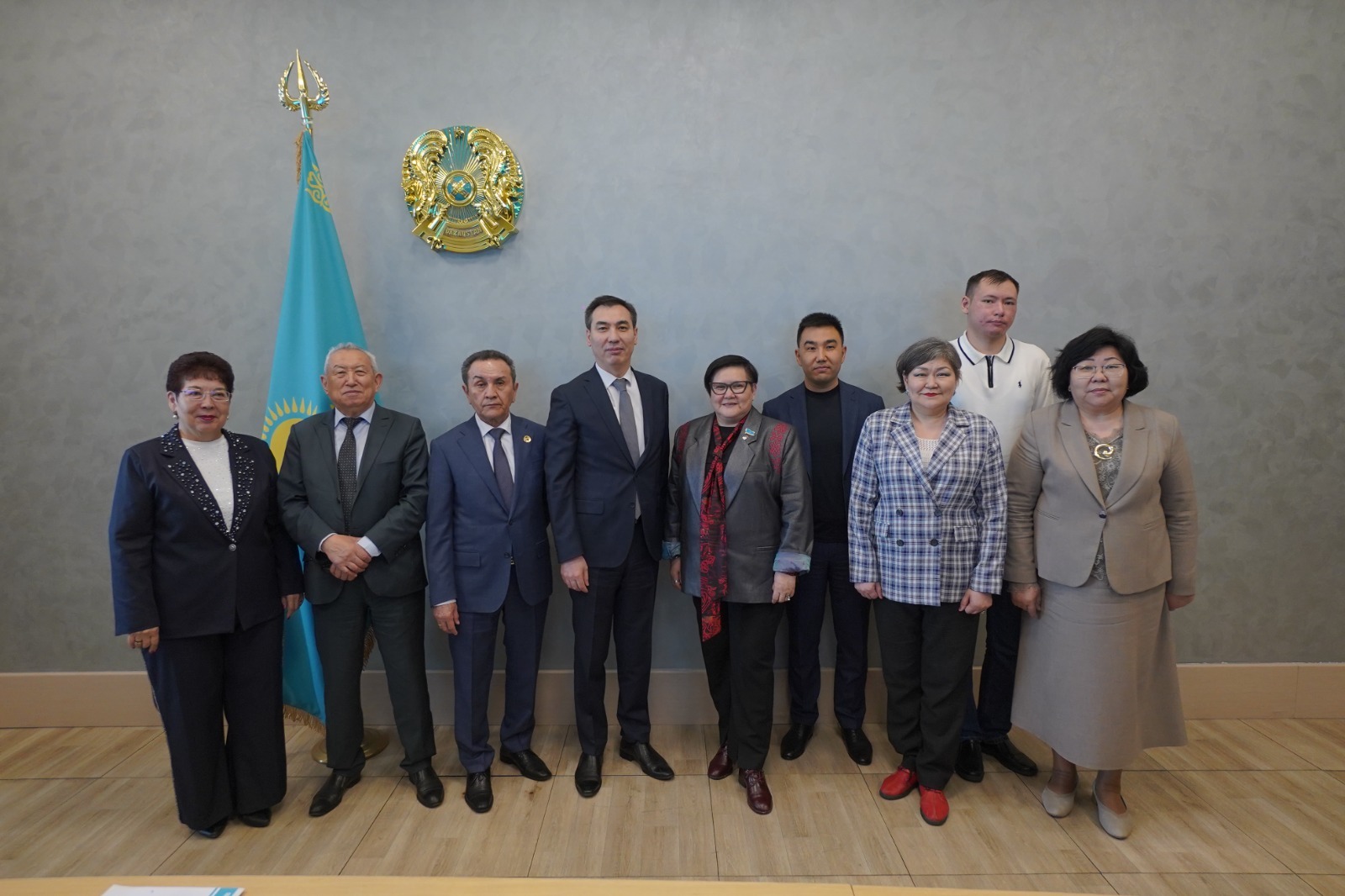
The event focused on the institutional evolution of the presidency in light of the new Constitution adopted via national referendum on March 15, 2026.
Kazakhstan’s Political Transformation
Kazakhstan is currently experiencing a significant stage of institutional change. The adoption of the 2026 Constitution introduces a framework guided by the principle: “Strong President – Influential Parliament – Accountable Government.”
Bakytzhan Temirbolat, Director of the Presidential Center of the Republic of Kazakhstan, opened the discussion:
«The institution of the presidency in the Republic of Kazakhstan serves as the central component of the nation's public administration system and the core of strategic decision-making. Since the establishment of the post of President of the Kazakh SSR on April 24, 1990, the presidency has evolved in response to contemporary challenges, thereby ensuring national stability during critical periods. The adoption of a new Constitution of the Republic of Kazakhstan through a national referendum on March 15, 2026, represented a logical progression of institutional reforms. The ideology and content of this Basic Law are structured around the principle of 'Strong President – Influential Parliament – Accountable Government,' which now serves as a strategic framework for the republic's political modernization. In practical terms, this is reflected in the transition to a unicameral parliament, the introduction of the post of vice president, the creation of the highest advisory body, the Kazakhstan People’s Council, with the right to legislative initiative, and more.»
The Presidency as a Democratic Institution
The roundtable highlighted the unique features of Kazakhstan’s presidency, emphasizing its role in both governance and national development.
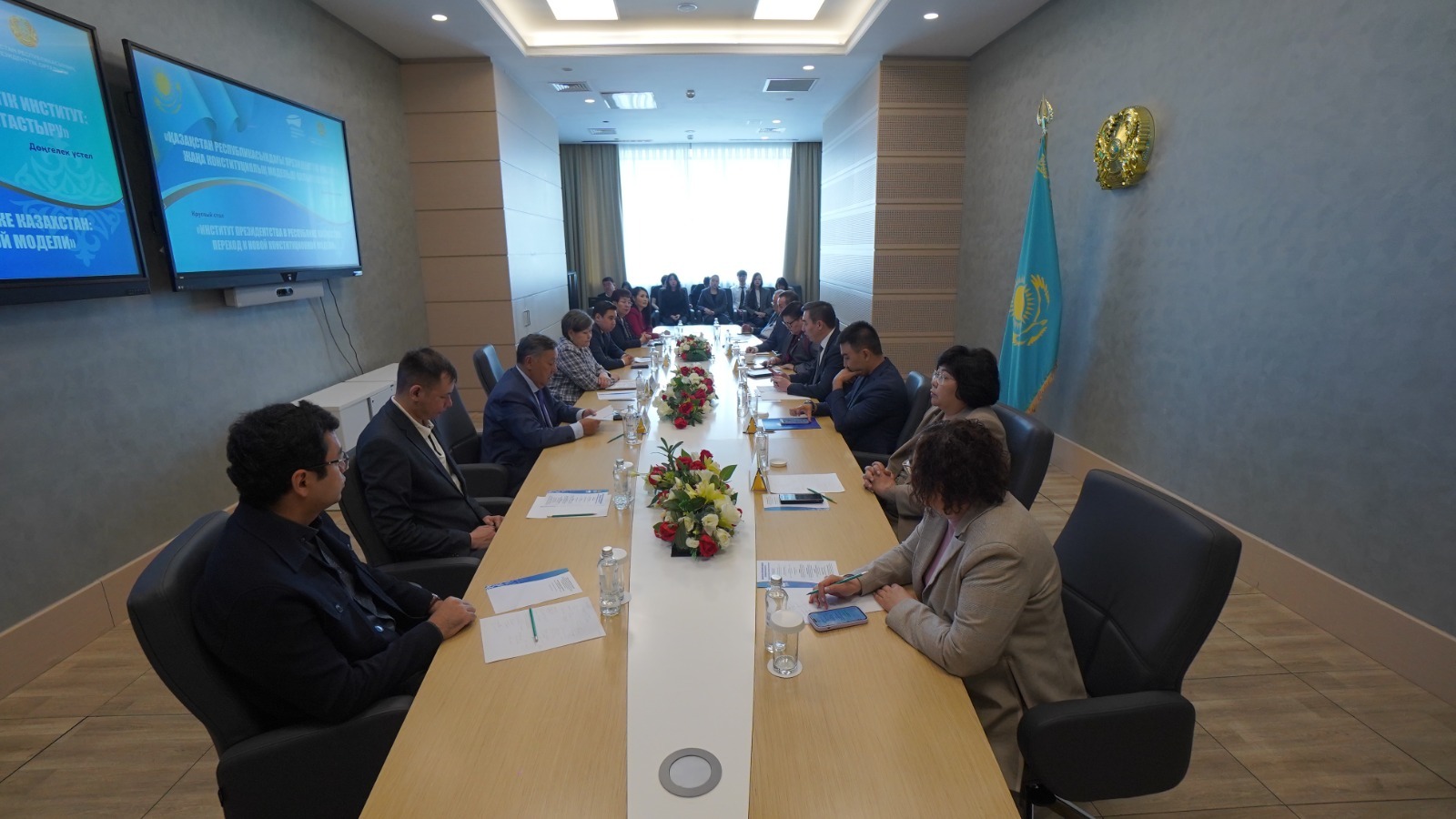
Azhar Sagandykova, a member of the Mazhilis of the Parliament, said:
"The institution of the presidency in Kazakhstan possesses distinct features that align with the nation's developmental experience and achievements in politics and economics. Notably, the presidency has become the most democratic institution for organizing power and governance. K.K. Tokayev established a new political tradition in the country: beginning the first session of Parliament after the summer holidays with an Address to the Nation. By opening the new political season, the President identifies key trends for the coming year and reviews the outcomes of the previous year. The political transformations initiated by the Head of State are foundational, establishing new political traditions and culture that will support further modernization. The primary and central goal of the reforms is to further strengthen the institutional foundations of the political system."
Strengthening Presidential Institutions
The 2026 Constitution provides clear mechanisms to reinforce the presidency:
- Authority to appoint key officials
- Creation of new political institutions
- Introduction of the vice president post to institutionalize succession
- Strengthened system of checks and balances between the President, the Kurultai, and other branches
The reforms are designed to balance a strong executive with accountable governance while ensuring continuity and stability.
Dialogue and Perspectives
The roundtable brought together political scientists, historians, and government advisors to assess the systemic impact of these changes and chart Kazakhstan’s path forward. Notable participants included:
- Zhapsarbay Kuanyshev, Chief Researcher at the Institute of State History and Doctor of Political Science
- Alkey Margulanuly, Deputy Executive Director of the Nursultan Nazarbayev Foundation
- Adil Seifullin, Advisor to the Minister of Culture and Information of the Republic of Kazakhstan
The event served as a platform for constructive dialogue on the presidency’s role in shaping public policy and advancing national modernization.
Looking Ahead
As Kazakhstan navigates this period of political evolution, the focus remains on consolidating the institutional foundations of the state, promoting accountability, and fostering a modern, stable governance system.