
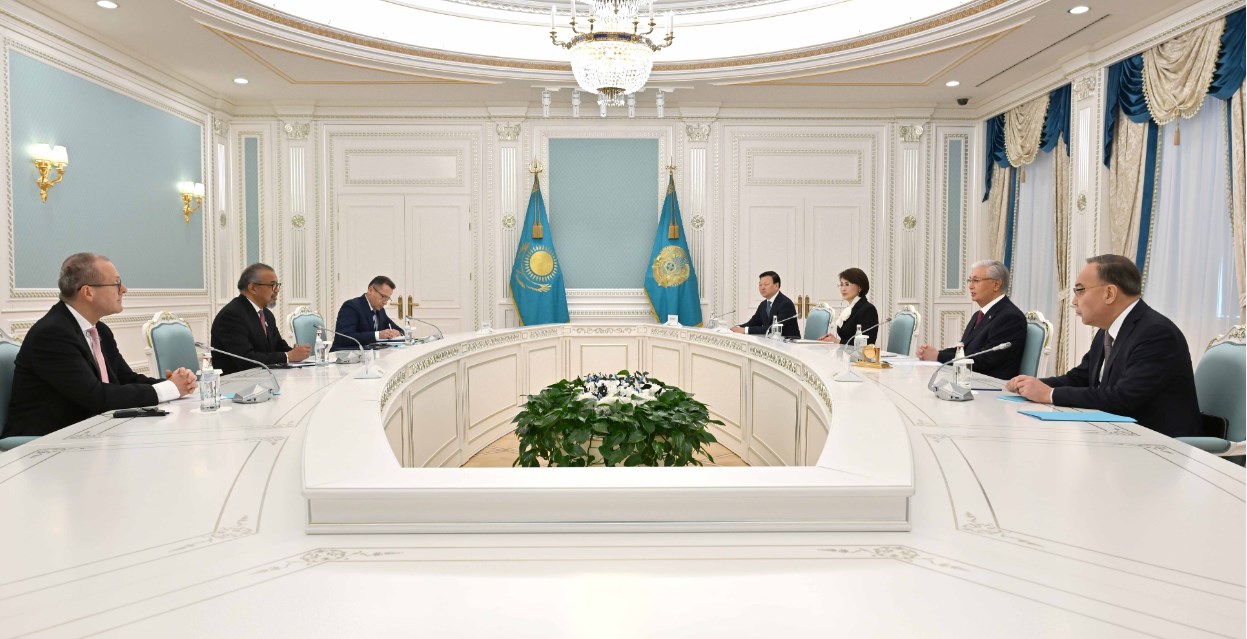
President Kassym-Jomart Tokayev held a high-level meeting with World Health Organization (WHO) Director-General Tedros Adhanom Ghebreyesus, discussing the current state and future prospects of Kazakhstan’s collaboration with the international health body, DKNews.kz reports.
New Phase in Health Partnership
President Tokayev emphasized that Kazakhstan’s partnership with the WHO is entering a new and dynamic phase. Expressing his gratitude, he noted the organization’s consistent support for the country’s global initiatives. The discussion underscored the shared commitment to:
- Joint research in climate and health
- Promotion of digital transformation in the healthcare sector
- Implementation of artificial intelligence to improve healthcare efficiency
Regional and Environmental Cooperation
Tedros Adhanom Ghebreyesus thanked President Tokayev for the invitation to participate in the upcoming Regional Environmental Summit. He praised Kazakhstan’s economic development and the successful political reforms following the adoption of the new Constitution.
“The WHO welcomes the efforts taken by Astana to ensure environmental and water security at both regional and international levels,” Ghebreyesus said.
Milestone for Kazakhstan’s Medicines Regulation
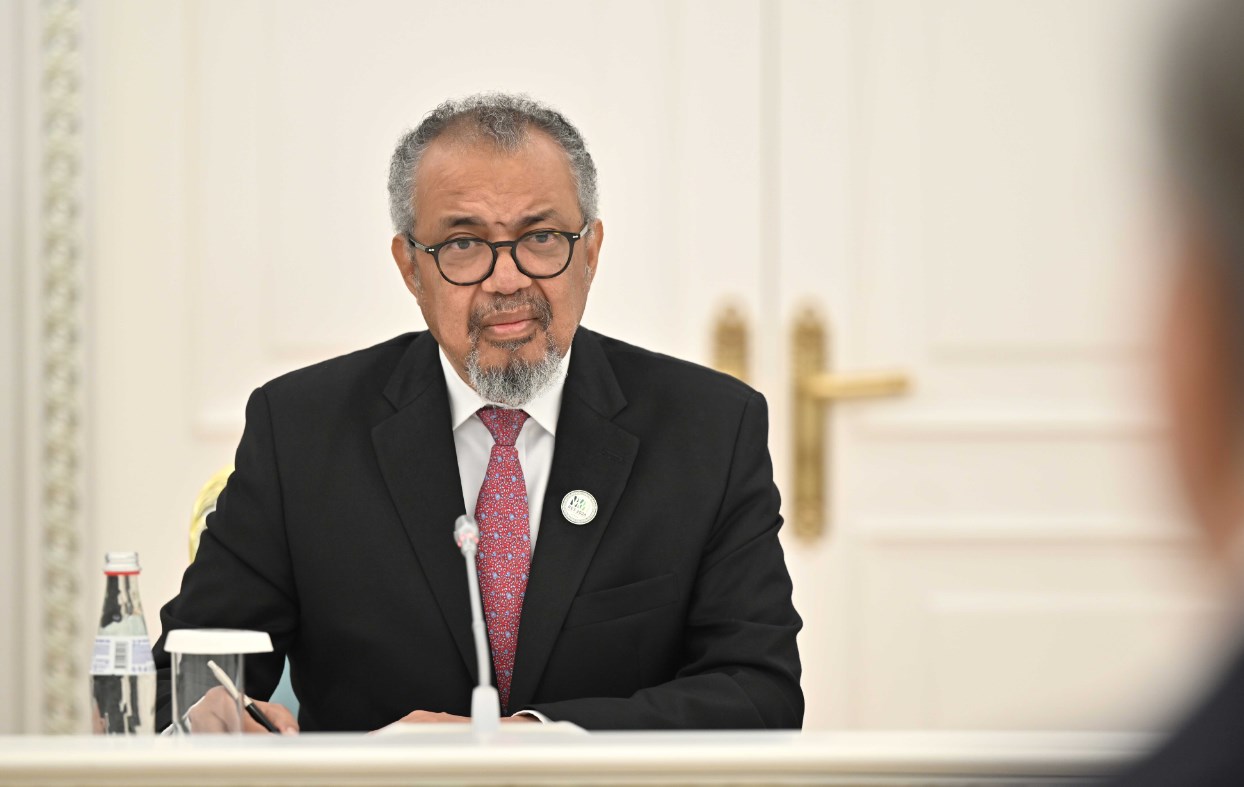
In a historic acknowledgment, the WHO Director-General presented President Tokayev with a letter confirming that Kazakhstan has achieved WHO Maturity Level 3 (ML3) for its medicines regulatory system. This recognition signifies the international credibility of Kazakhstan’s national control system. Notably, Kazakhstan is:
- The first country in the Commonwealth of Independent States (CIS)
- The fourth country in the WHO European Region
to reach this prestigious level.
This milestone reflects the country’s growing prominence in global health governance and its commitment to high standards in public health and safety.
Looking Ahead
The meeting highlighted Kazakhstan’s role as a regional leader in healthcare, environmental policy, and technological innovation. Both sides reaffirmed their intent to strengthen cooperation and explore new opportunities for sustainable development and scientific progress.