

The opening day of GITEX AI Kazakhstan 2026 brought together policymakers, investors, and technology leaders from more than 60 countries, positioning Central Asia and the Caucasus as fast-emerging players in the global artificial intelligence landscape, DKNews.kz reports.
Held in Almaty and organised by inD, global organiser of GITEX, the event is hosted by Kazakhstan’s Ministry of Artificial Intelligence and Digital Development in partnership with Astana Hub and the Akimat of the City of Almaty. More than 200 speakers took part in discussions focused on infrastructure, talent, and governance — the three pillars seen as essential for scaling AI-driven economies.
Across the sessions, a consistent message emerged: AI is no longer a future agenda for the region, but an active economic driver already reshaping education, investment flows, and industrial strategy.

Talent development moves to the centre of national strategy
One of the most discussed themes of the opening day was human capital — and how countries are preparing their education systems for rapid technological change.
Kazakhstan’s approach drew particular attention for its scale and speed.
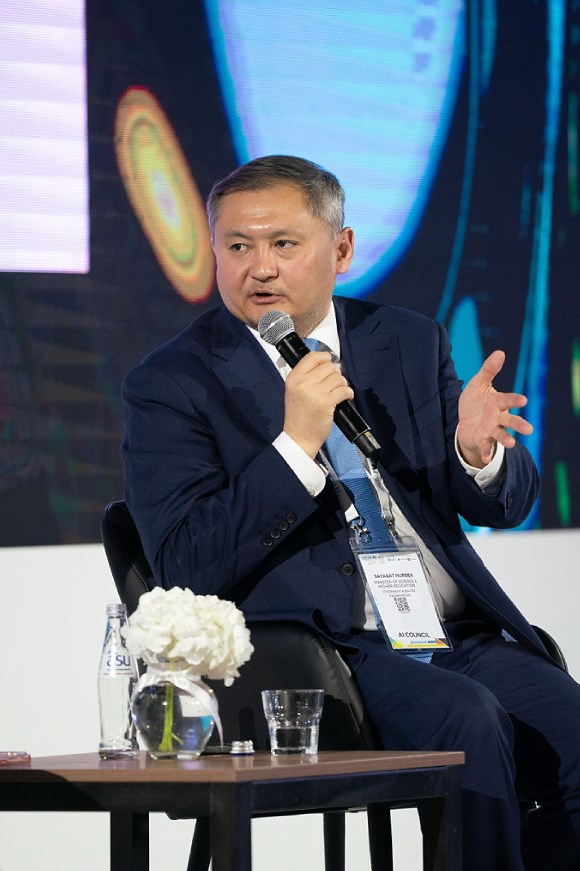
Speaking during a panel session, H.E. Sayasat Nurbek, Kazakhstan’s Minister of Science and Higher Education, outlined the country’s ongoing integration of AI into education:
“We started last year with college-level students - 100% of our college students are trained in basic AI skills. 673,000 students were trained in AI last year. Now we go into the second stage; we select 100,000 of the best, most ambitious students to get deep training in how to build their own AI agents and provide them with basic funding and computing power.”
The discussion also highlighted how smaller and resource-constrained nations are adapting. H.E. Baya Kvitsiani, Georgia’s Deputy Minister of Education, Science and Youth, emphasized the importance of human capital in national competitiveness:
“The country of Georgia is not rich in natural resources; the only capital that we really have is our creative and human resources. Our government is really trying to invest fully in this direction.”
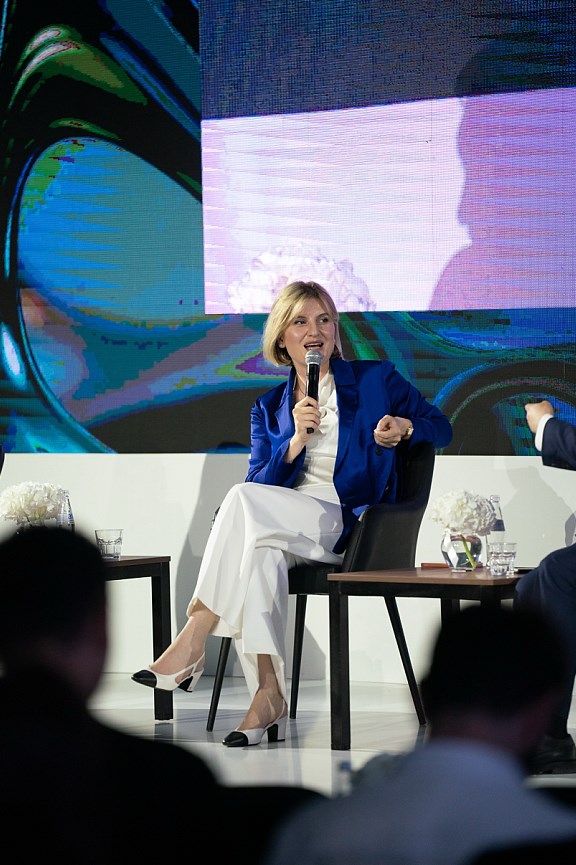
She also pointed to the challenges of keeping education systems aligned with fast-moving technologies:
“With AI, you don’t really know what’s coming tomorrow or around the corner. The pace of change is so fast - how can you make sure that when students go to classrooms and universities, they’re really getting value for their education?”
Governance and balance in a rapidly scaling AI economy
Beyond education, discussions repeatedly returned to governance — particularly how governments can regulate without slowing innovation.

Ibrahim Neyaz, CEO of the National Technology Development Program of Saudi Arabia, stressed that sustainable AI growth depends on balance between supply, demand, and institutional coordination:
“The key is how we can create a governance scheme where the regulator, industry leaders, and the private sector can work together to scale the technology,” he said. “If you invest a lot in an ecosystem that has a lot of supply without demand, you will lose your investment. It’s the same thing if you have huge demand but less supply.”
He also underlined the need for flexible regulatory frameworks:
“We should have an adaptive governance — regulations and policies that evolve in parallel with the role of the digital and AI economy. And we should have regulatory sandboxes where you can allow experimentation and testing of new technologies in a safe environment, then launch them.”
Infrastructure, investment, and industrial transformation
Alongside talent and governance, infrastructure development and capital mobilisation formed another key pillar of discussion.
With AI adoption projected to contribute up to 2% of Kazakhstan’s annual GDP growth, the stakes around digital infrastructure and data capacity were repeatedly highlighted throughout the day. Venture investment in the country’s AI sector has also grown more than fivefold over the past two years, reflecting accelerating investor interest.
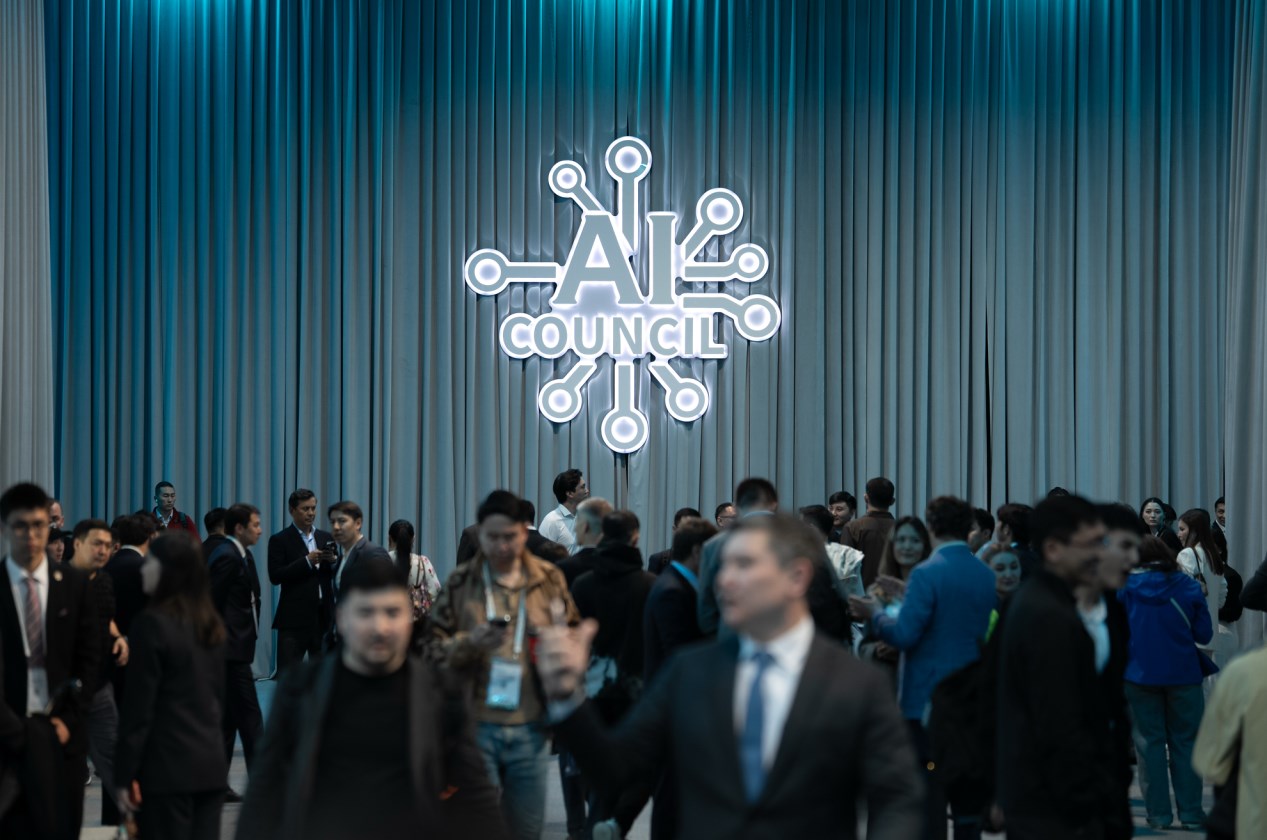
The exhibition floor reinforced this momentum, bringing together 336 enterprises and startups from 43 countries, along with 186 investors exploring opportunities across the region.
Sessions also focused on energy constraints, data centre capacity, and industrial use cases — from cloud infrastructure to decarbonisation strategies in heavy industry.
Looking ahead to the next phase of discussions
As the first day concluded, attention shifted toward the broader role Kazakhstan could play as a regional hub for AI development, investment coordination, and cross-border collaboration.
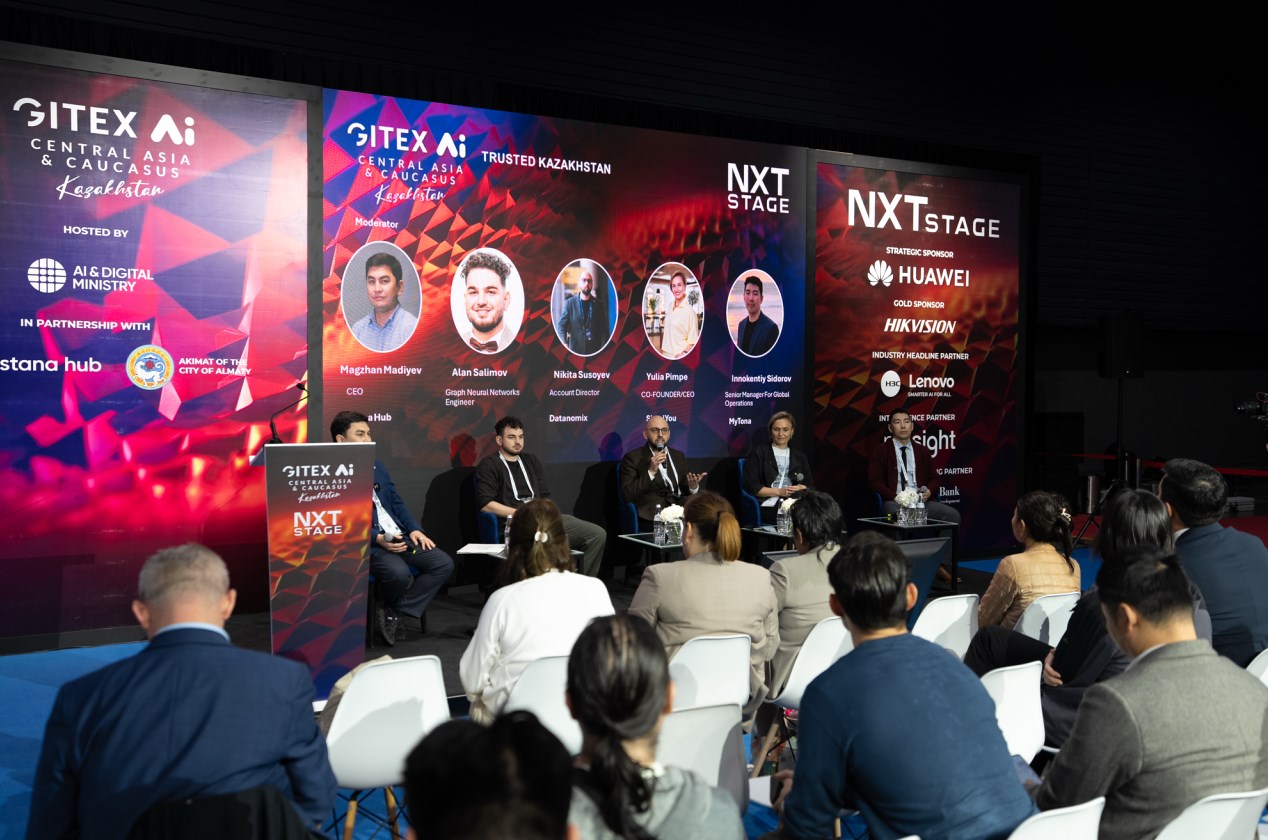
The event continues at the Atakent International Exhibition Centre in Almaty, where speakers are expected to expand discussions on infrastructure scalability, industrial AI applications, and regional tech partnerships.
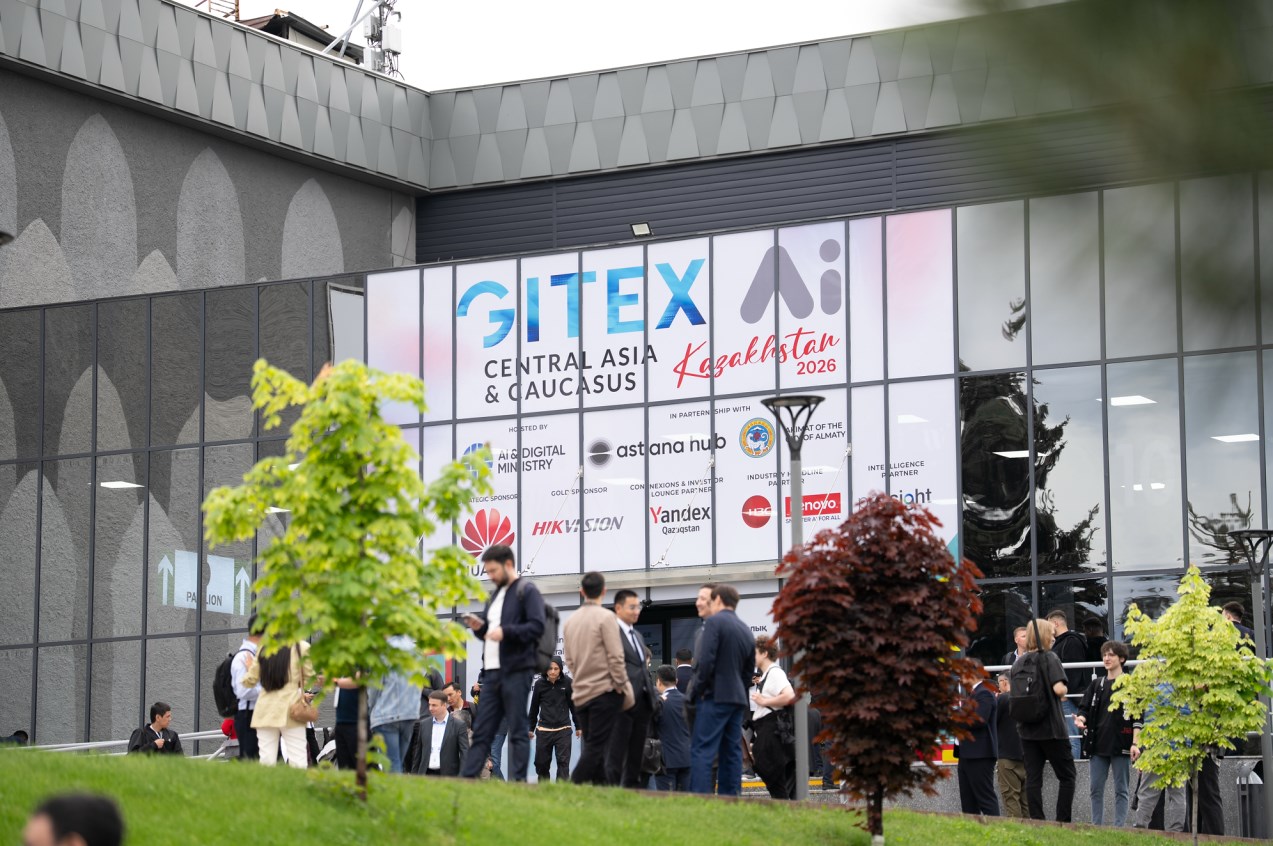
Today’s agenda includes sessions on venture diplomacy, data centre expansion, energy constraints, and AI-driven industrial decarbonisation — reflecting the increasingly interconnected nature of technology, energy, and economic policy.