
UN launches a future technology hub in Kazakhstan

1067
Photo by: Gov

In a move that signals Kazakhstan’s growing role in the global tech landscape, a new international hub for digital innovation is set to open in Almaty.

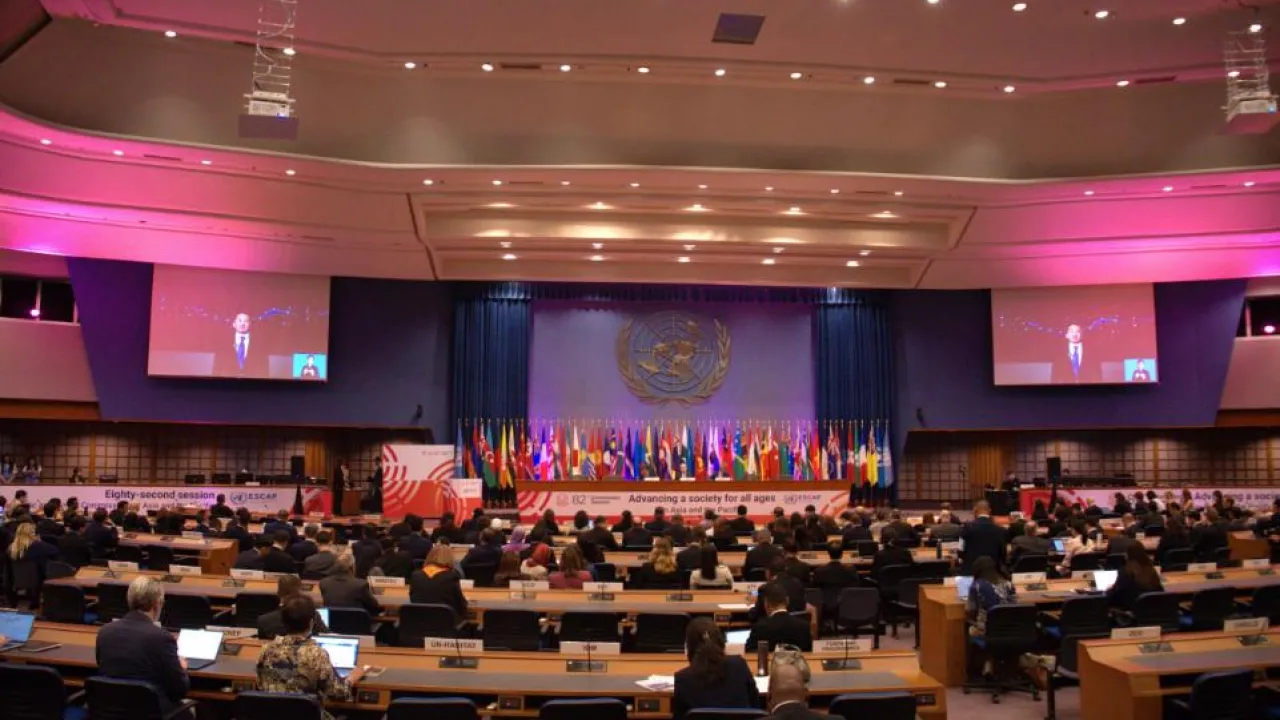
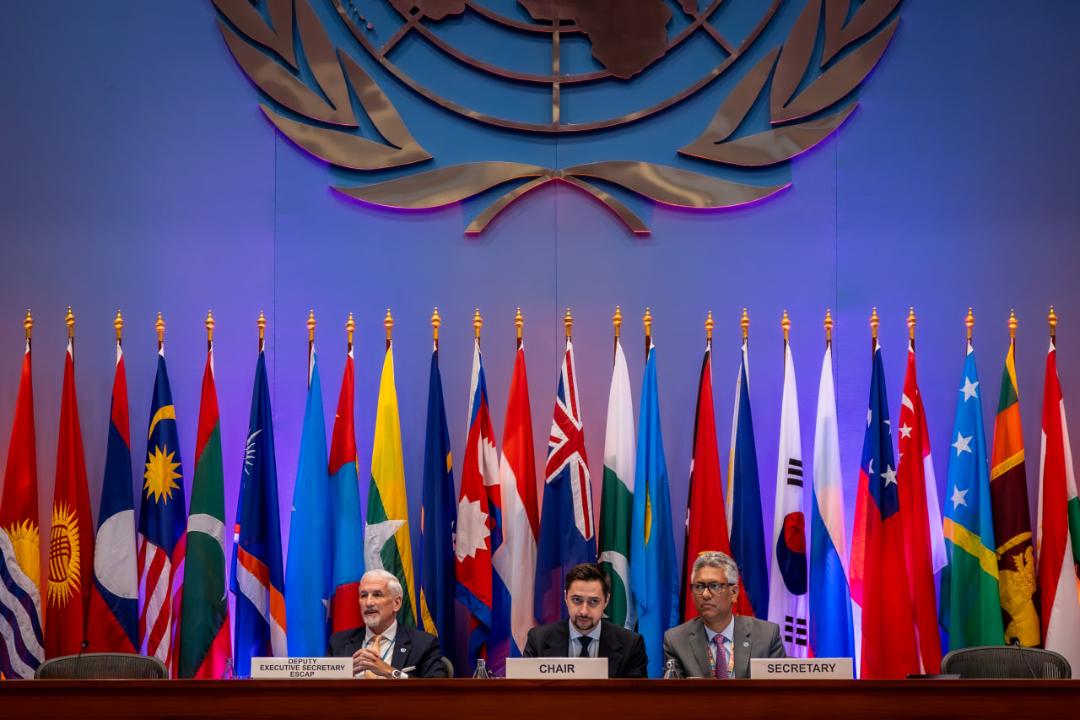
The decision was made during the 82nd session of the United Nations Economic and Social Commission for Asia and the Pacific in Bangkok, where all 52 member states unanimously supported the creation of the Asia-Pacific Digital Solutions Centre for Sustainable Development, DKNews.kz reports.

This is not just another international office. It’s a statement.

A Symbolic Moment in a Defining Year

The timing is hard to ignore. Kazakhstan has declared this period the Year of Digitalization and Artificial Intelligence — an initiative led by President Kassym-Jomart Tokayev. Against this backdrop, the establishment of a UN-backed digital centre in Almaty feels less like coincidence and more like a deliberate step into the future.

For Kazakhstan, this is about positioning. For the region, it’s about access.
What Will the Centre Actually Do?

At its core, the new Centre is designed to become a neutral international platform — a place where countries can share, test, and scale digital solutions that improve people’s lives.

Think of it as a regional “brain hub” for:

  • Digital public services
  • Social innovation
  • Technology transfer
  • AI-driven solutions for development

One of its flagship ideas is the creation of a massive repository of best digital practices across Asia and the Pacific. Governments, experts, and institutions will be able to tap into this knowledge base and adapt solutions to their own needs.

In simple terms: if one country builds something that works, others won’t have to reinvent the wheel.

Why Almaty?

There’s a reason the Centre is being placed in Almaty.
The city has long been Kazakhstan’s financial and cultural capital, but now it’s stepping into a new role — as a regional digital hub under the UN umbrella. The Centre will be located in the UN Plaza building and is expected to host up to 130 international staff, making it the largest ESCAP institution in the region.

That scale matters. It means influence, resources, and global attention.

Five Years in the Making

This didn’t happen overnight.

Behind the scenes, the project took more than five years of negotiations, research, and diplomacy. Kazakhstan’s government worked closely with international partners, conducting seven analytical studies and pushing the initiative through multiple ESCAP sessions.

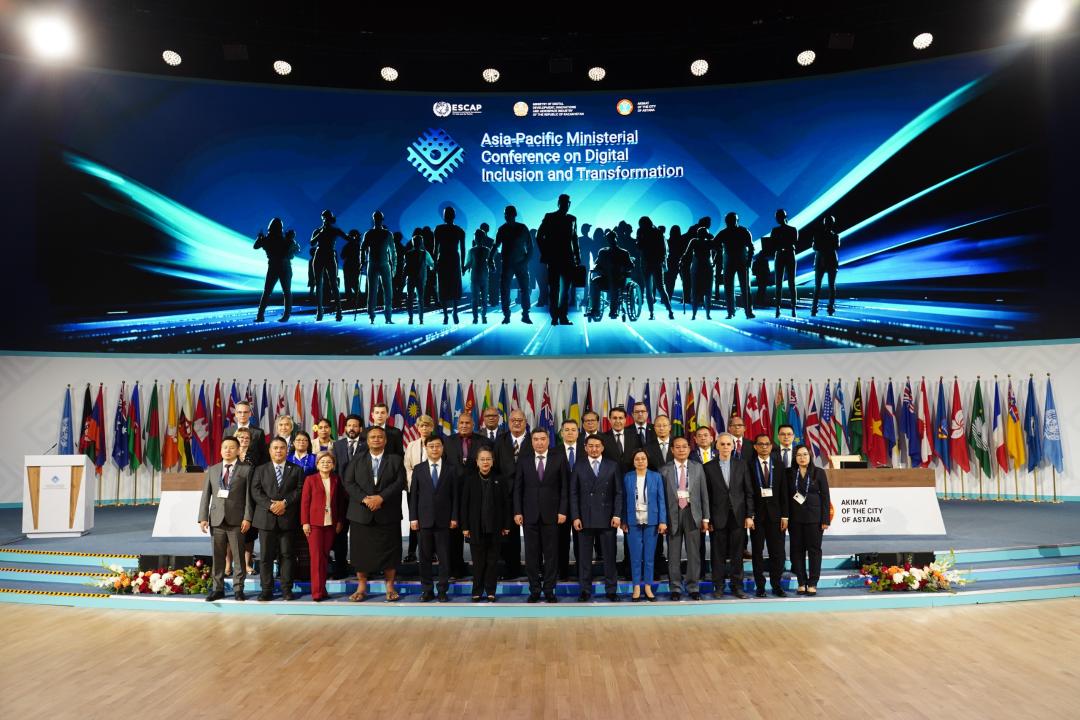
A key milestone came in 2024, when Astana hosted a major ministerial conference on digital inclusion — effectively setting the stage for what would follow.

By 2026, a broad coalition of countries — from China and Türkiye to Fiji and Nepal — had joined as co-sponsors. That level of support reflects a shared understanding: digital transformation is no longer optional.

Closing the Digital Gap

Perhaps the most important mission of the Centre is tackling inequality in the digital world.

Across Asia and the Pacific, the gap between technologically advanced nations and developing economies remains wide. The new Centre aims to change that by:

  • Supporting least developed countries
  • Helping landlocked nations overcome infrastructure barriers
  • Assisting small island states with digital resilience

Instead of one-size-fits-all solutions, the focus will be on adapting technologies to local realities — something that has often been missing in global tech initiatives.

What Does Kazakhstan Gain?

For Kazakhstan, the benefits go far beyond prestige.

The Centre is expected to:

  • Attract international tech expertise and investment
  • Boost the country’s IT export potential
  • Promote local digital solutions on global markets
  • Strengthen partnerships with leading tech companies

In other words, it’s not just about hosting a UN office — it’s about becoming part of the system that shapes the future of digital development.

A New Role on the Global Stage

Almaty’s transformation into a UN-backed digital hub marks a shift in how Kazakhstan is perceived internationally. No longer just a bridge between Europe and Asia in geography, the country is positioning itself as a bridge in technology and innovation.

And if the Centre delivers on its ambitions, that bridge could become one of the most important connectors in the region.

The real question now is not whether Kazakhstan can host such a centre — but how far this new role will take it.

DKNews International News Agency is registered with the Ministry of Culture and Information of the Republic of Kazakhstan. Registration certificate No. 10484-AA issued on January 20, 2010.

Theme
Autoreload
МИА «DKnews.kz» © 2006 -