

The country's experience was presented at the largest international conference in Mongolia, DKNews.kz reports.
What if one of the most powerful tools for preparing children for the future isn't coding, AI or robotics?
What if it's chess?
That idea is gaining momentum around the world. Governments from Asia to Latin America are increasingly treating chess not simply as a sport, but as a practical way to help children develop concentration, analytical thinking and decision-making skills.
And according to international experts, Kazakhstan is becoming one of the countries leading that movement.
A Global Conversation About the Future of Education
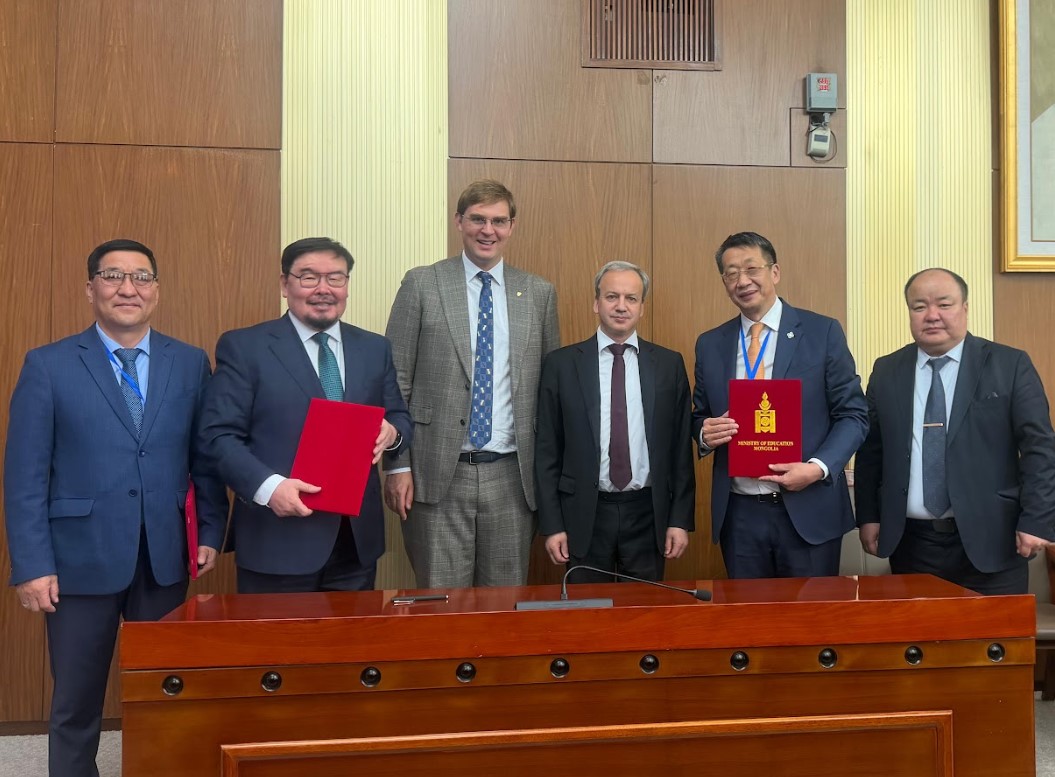
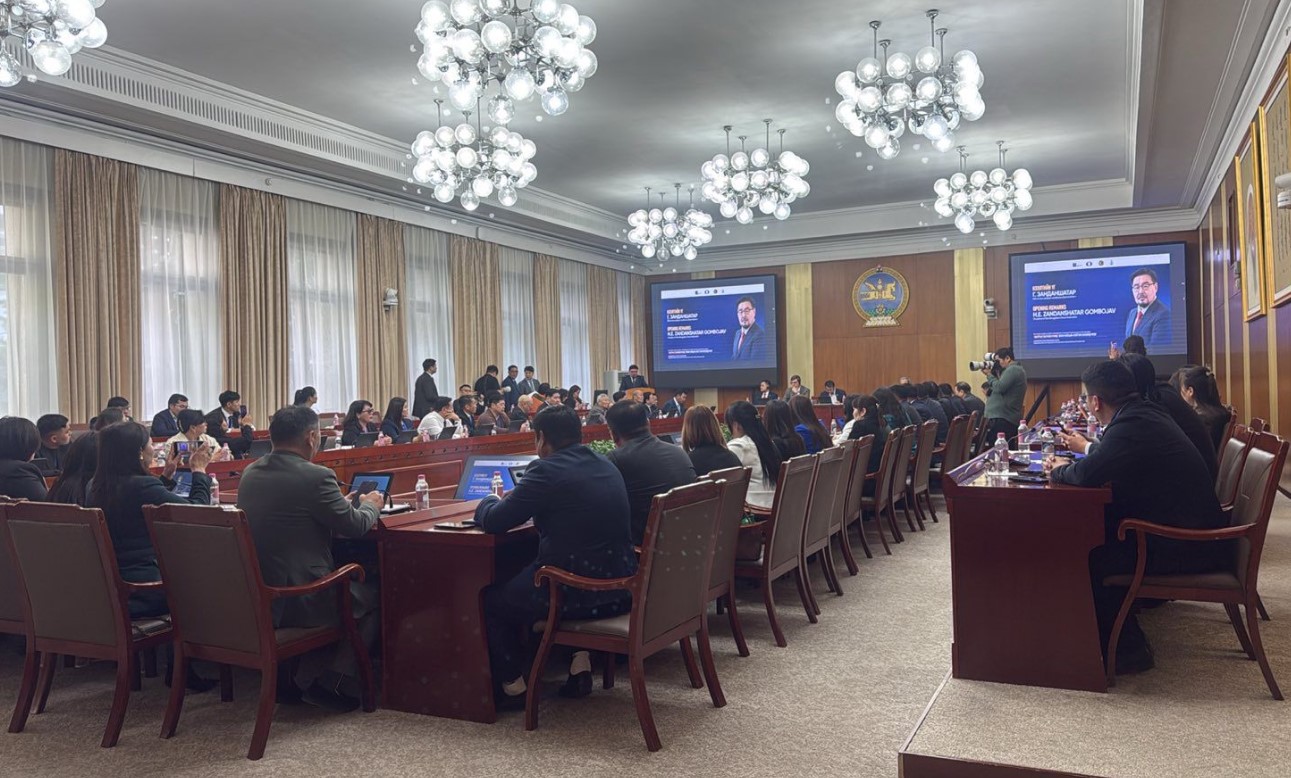
The topic took centre stage at the international Chess in Education Conference held in Ulaanbaatar during the 21st Asian Continental Chess Championships.
The conference brought together representatives of FIDE, national chess federations, education ministries and specialists from different countries.
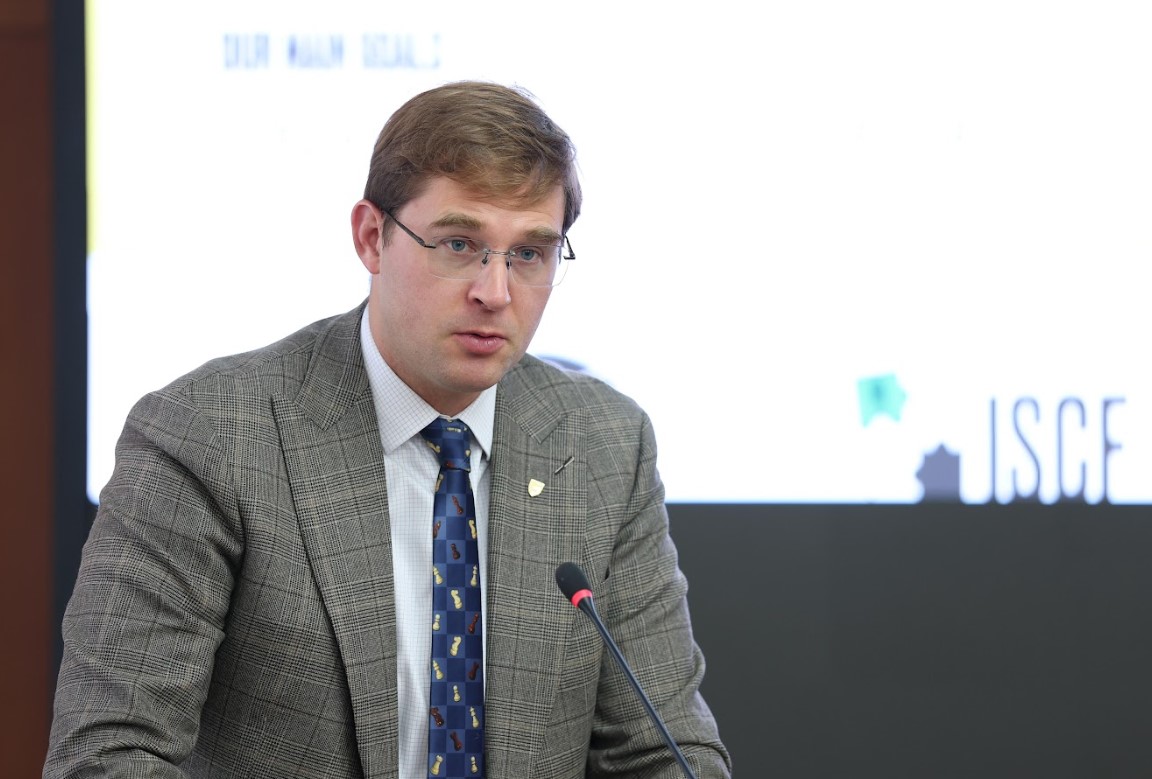
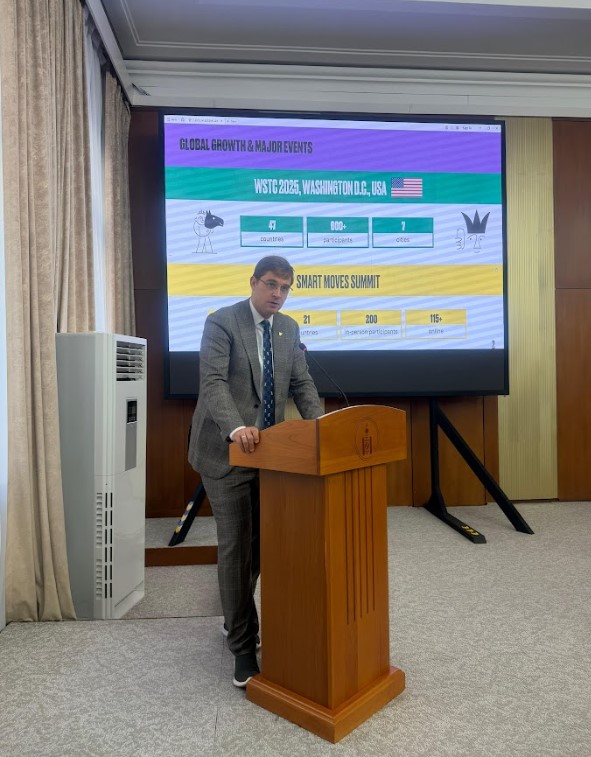
One of the key speakers was Timur Turlov, President of the International School Chess Federation (ISCF) and the Kazakhstan Chess Federation.
His message was simple: in a rapidly changing world, the ability to think independently is becoming a national asset.
"Talent, education and the ability to think independently are becoming some of the most valuable assets of any nation. We are convinced that chess is one of the most accessible tools for developing children’s concentration, analytical thinking, discipline, resilience and decision-making skills from an early age."
"That is why we invest in chess. Not because we want to produce more professional players, but because we want to see more capable young people who are prepared for the challenges of the future."
Why Governments Are Paying Attention
Educational chess is no longer an experimental idea.
According to Turlov, governments in Barbados, Costa Rica, El Salvador, Pakistan, Mongolia and several other countries are already discussing how chess can become part of national education systems.
Some countries are moving even faster.
Barbados is exploring pilot school programmes. Costa Rica is developing educational initiatives together with international partners. El Salvador is working on a long-term strategy focused on educational and social chess projects.
Kazakhstan Has Already Surpassed Its Own Targets
Perhaps the most striking example comes from Kazakhstan.
When the country's National Chess Development Plan was launched, the goal was ambitious: introduce chess into 1,400 schools by 2027.
That target has already been exceeded.
Today, more than 1,500 schools across Kazakhstan participate in the programme.
More than 60,000 students are learning chess in school.
More than 3,500 teachers have been trained.
Chess lessons are now taught in grades one through four.
For Turlov, these numbers tell an important story.
"Initially, the goal was to reach 1,400 schools by 2027. However, the programme has already exceeded its targets."
"Today, the programme includes more than 1,500 schools, over 60,000 students, 3,500 trained teachers and instruction in grades 1 to 4. This demonstrates that the project has progressed from a pilot initiative to a systemically implemented national programme."
FIDE Points to Kazakhstan as a Success Story
Kazakhstan's experience is attracting attention far beyond Central Asia.
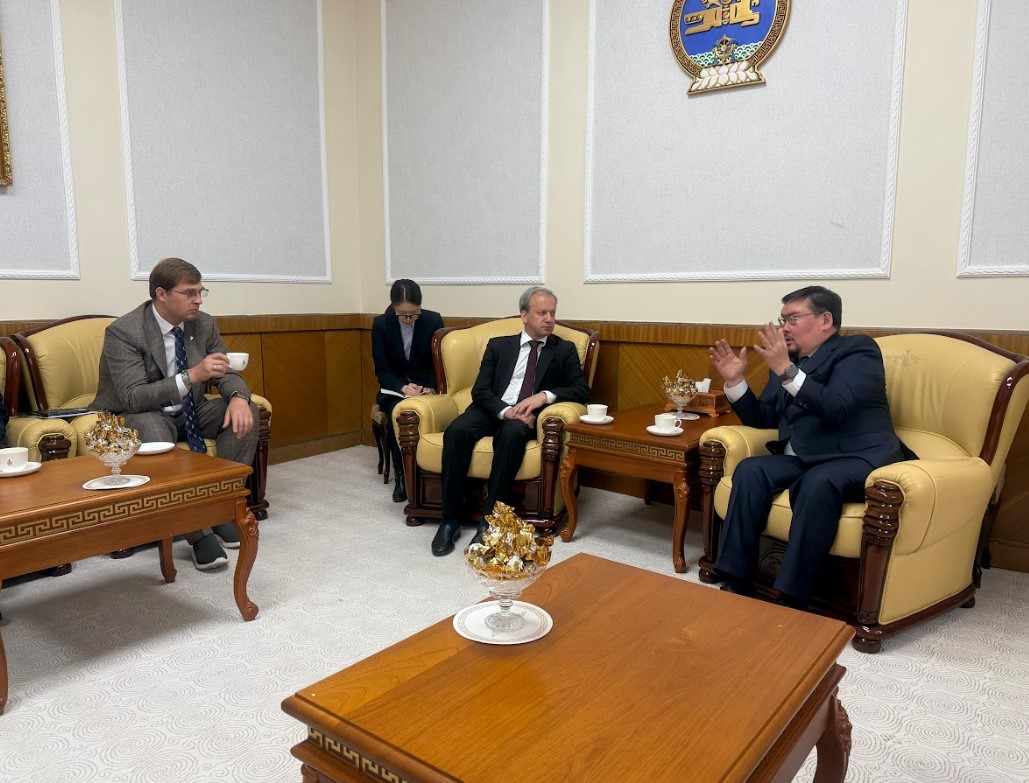
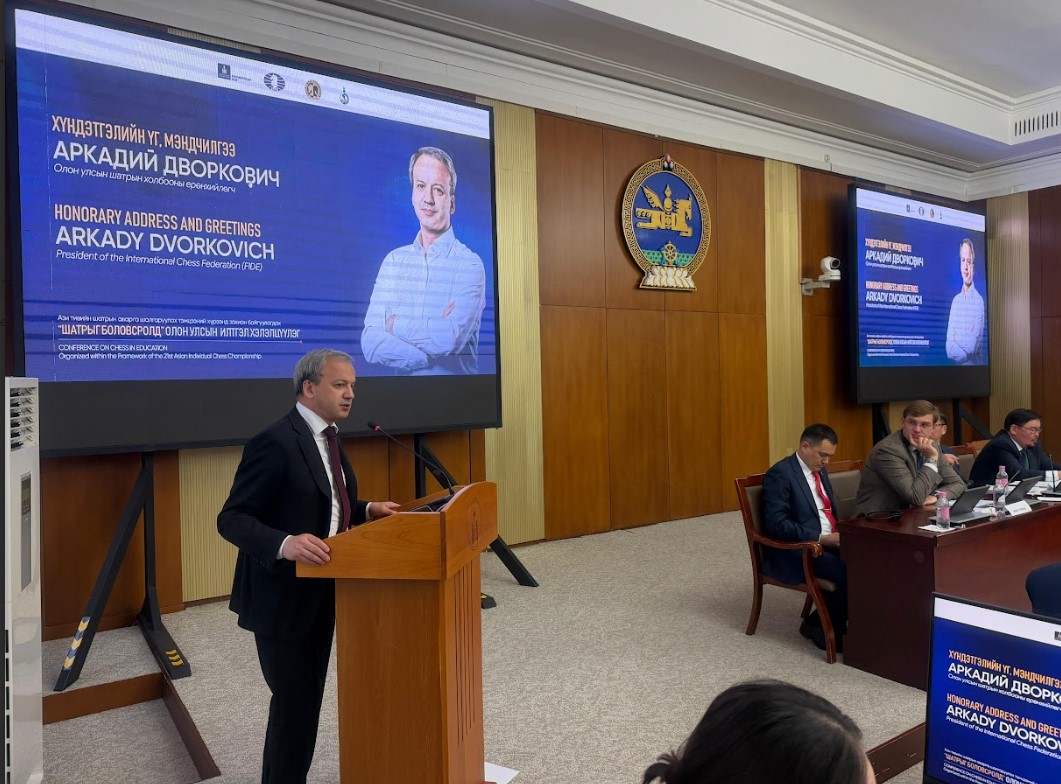
FIDE President Arkady Dvorkovich highlighted Kazakhstan as one of the strongest examples of successfully integrating chess into education.
He also praised Mongolia's efforts and called on more countries to follow similar approaches.
"Today's discussions are not only about chess – they are about how we prepare the next generation to think, learn and succeed."
What's Next
The momentum behind educational chess continues to grow.
In November 2026, Kazakhstan will host the Fourth International Chess in Education Conference, bringing together educators, policymakers and chess leaders from around the world.
Before that, Almaty will welcome another major event.
From August 3 to 9, the city will host the final stage of the FIDE World University Team Chess Championship.
Sixteen of the world's leading university teams will compete for a €50,000 prize fund, including representatives from Oxford, Cambridge, Peking University, Saint Louis University, Webster University and the University of Texas at Dallas.
As countries look for new ways to prepare children for an increasingly unpredictable future, chess is emerging as something much bigger than a board game.
And Kazakhstan is positioning itself at the forefront of that global trend.