
EU investment in Kazakhstan surpasses $200 billion as Astana pushes for deeper economic integration and new opportunities in critical minerals, logistics, and technology.
Kazakhstan and the European Union are entering a new phase of economic cooperation, with trade volumes reaching record levels and both sides looking to expand partnerships far beyond traditional energy exports, DKNews.kz reports.
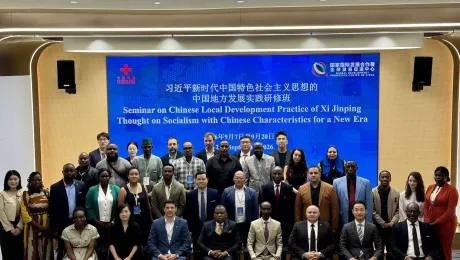
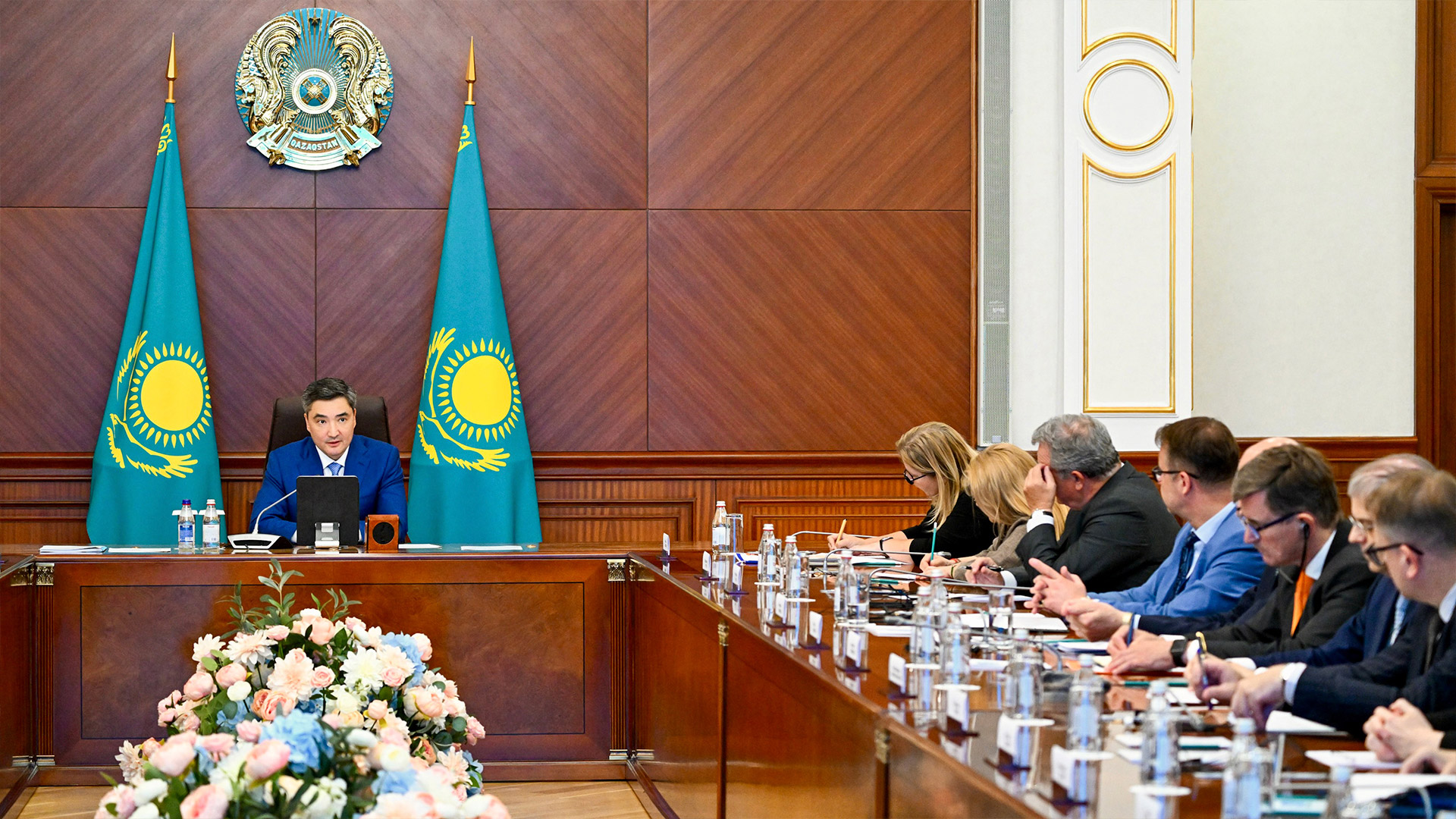
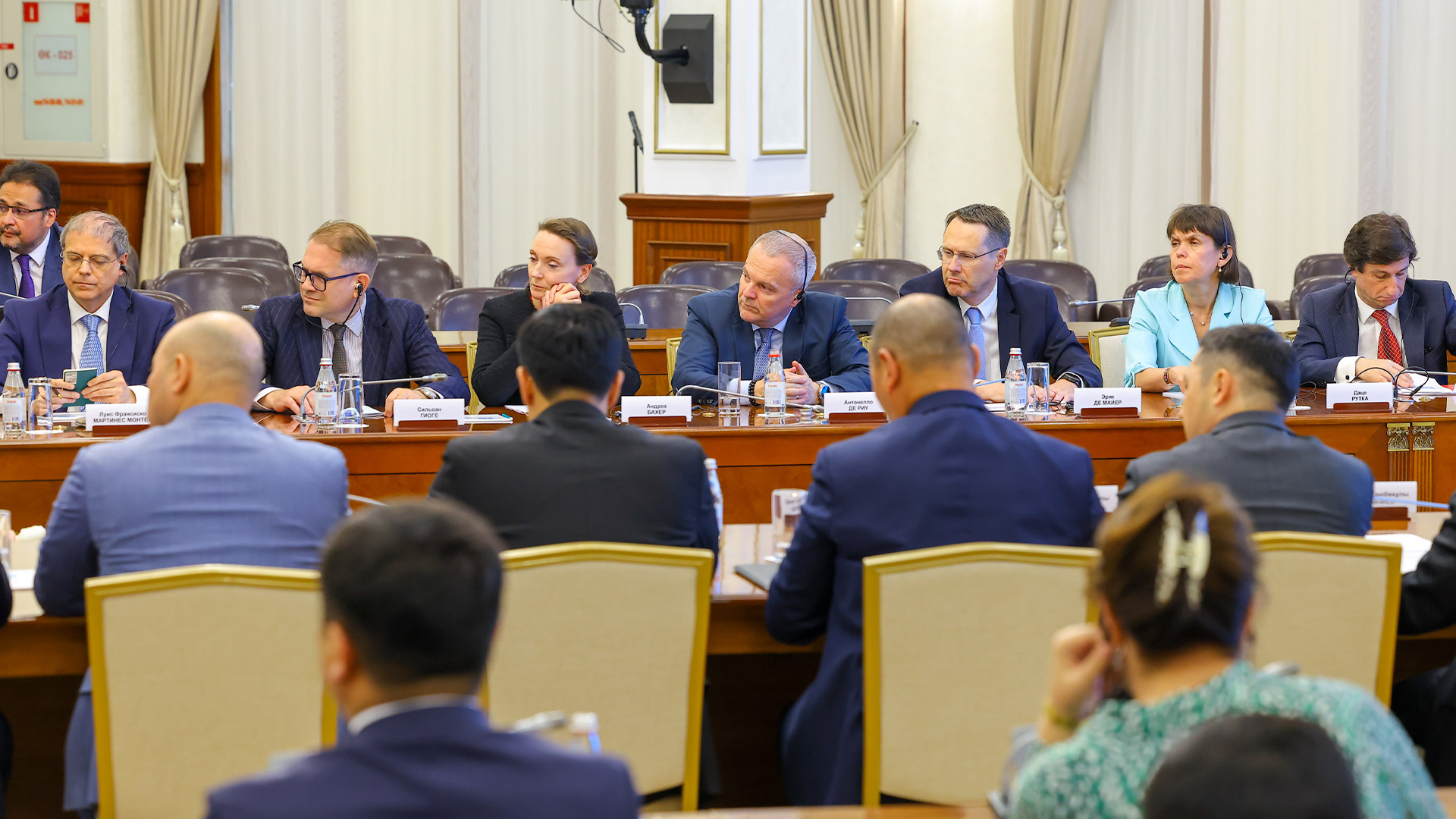
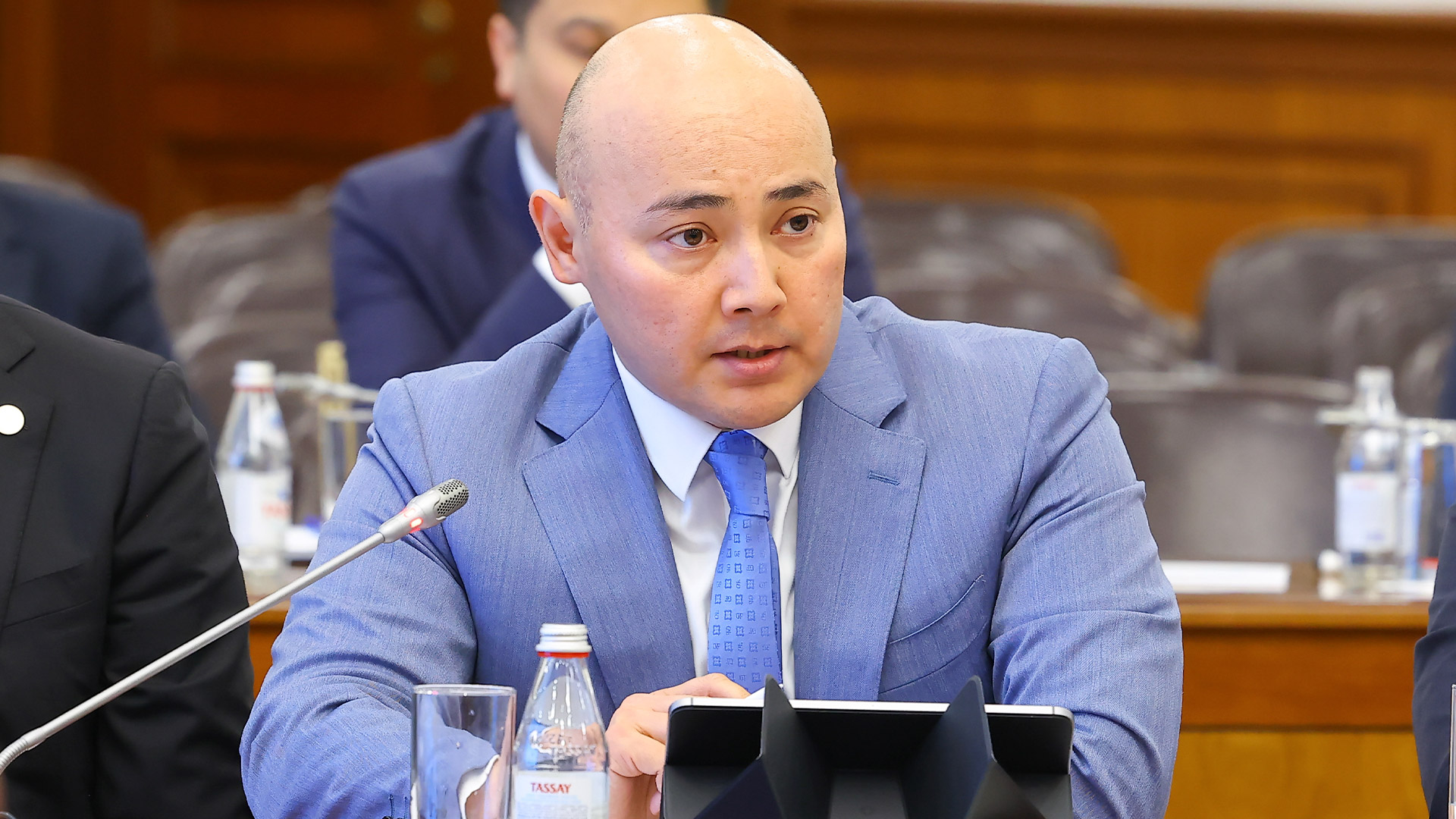
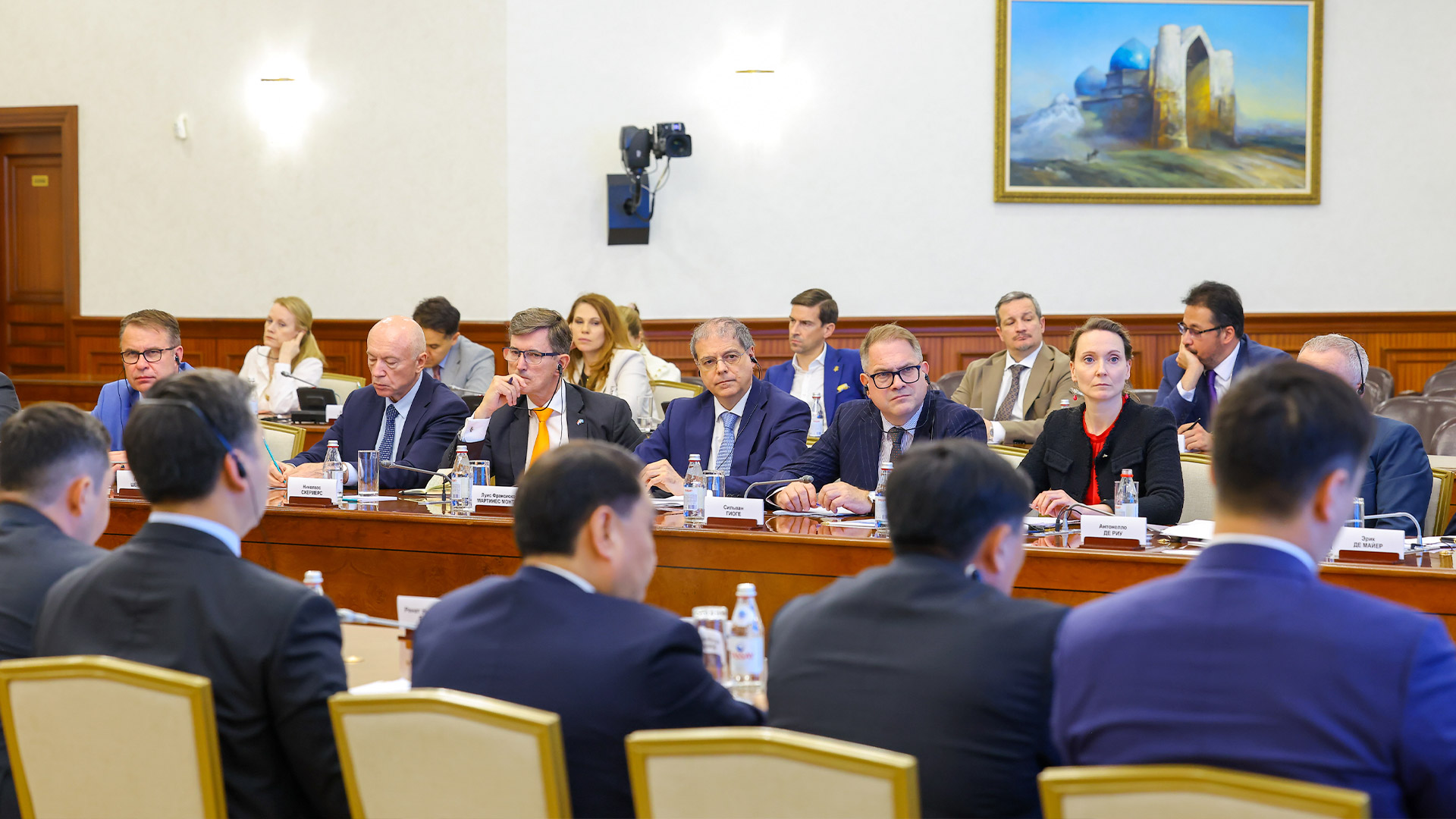
At the 19th meeting of the Kazakhstan–European Union Dialogue Platform in Astana, Prime Minister Olzhas Bektenov met with European diplomats, business leaders, and representatives of major international companies to discuss investment, trade facilitation, industrial cooperation, and critical raw materials.
The numbers alone highlight the scale of the relationship. Trade turnover between Kazakhstan and EU member states reached $45.2 billion in 2025, while during the first four months of 2026 mutual trade already totaled $12.4 billion. Kazakh exports accounted for $9.27 billion of that figure.
Perhaps even more significant is the changing structure of trade. Kazakhstan's non-resource exports continue to gain momentum. Agricultural exports to EU countries increased by 34.3 percent, reaching $266.2 million, signaling growing demand for Kazakh products in European markets.
A Strategic Partnership Gains Momentum
Opening the meeting, Bektenov emphasized that Kazakhstan is undergoing major political and economic transformations under President Kassym-Jomart Tokayev, aimed at building a more diversified and competitive economy.
The government is currently updating its investment strategy through 2030 and rolling out a series of initiatives designed to attract foreign capital and highly skilled professionals. These include the introduction of the Altyn Visa, expansion of the international presence of Kazakh Invest, and the creation of a unified investor support platform, Kazakhstan Investment House.
According to Bektenov, the country's approach remains centered on predictability, openness, and long-term cooperation.
“President of the Republic of Kazakhstan Kassym-Jomart Tokayev attaches great importance to cooperation with the European Union, and our partnership is currently developing dynamically. Today, the European Union accounts for more than 30% of Kazakhstan’s foreign trade. The total volume of European investments in our country’s economy has exceeded $200 billion. These indicators clearly demonstrate the high level of mutual economic interest between our countries. Kazakhstan remains a reliable and predictable partner of the European Union in matters of energy security, industrial cooperation, and development of transport connectivity,” Olzhas Bektenov emphasized.
The investment figure is particularly notable. More than $200 billion in European investments have flowed into Kazakhstan's economy over the years, making the EU one of the country's most important economic partners.
Critical Minerals Move to the Center Stage
One of the key topics of discussion was cooperation in critical raw materials, an area that has rapidly become a strategic priority for Europe as global supply chains undergo major shifts.
European companies are increasingly looking to diversify access to essential minerals used in electric vehicles, renewable energy technologies, semiconductors, and advanced manufacturing.
During the meeting, representatives discussed expanding geological exploration projects and introducing modern geoscience technologies. Spanish company Xcalibur Smart Mapping presented proposals involving high-precision airborne geophysical surveys and modernization of Kazakhstan's geological infrastructure.
The discussion reflects a broader trend: Kazakhstan is positioning itself not only as a supplier of resources but also as a strategic partner in securing future industrial supply chains.
The Middle Corridor Becomes a Major Growth Driver
Transport connectivity emerged as another major theme.
Kazakhstan highlighted the rapid growth of the Trans-Caspian International Transport Route, also known as the Middle Corridor, which has become increasingly important amid changing trade routes between Asia and Europe.
According to government data, transit volumes along the corridor increased by 69 percent during the first five months of 2026, while the number of transported vehicles rose by 38 percent.
Astana sees the route as one of the most promising areas of cooperation with the EU and supports further development of the European Global Gateway initiative.
Officials also reiterated Kazakhstan's interest in advancing discussions on visa simplification with European partners, a step that could further boost business activity and investment ties.
Business Calls for Predictability
European business representatives used the platform to raise several longstanding concerns, including regulatory predictability, customs administration, technical standards, intellectual property protection, and pharmaceutical data exclusivity.
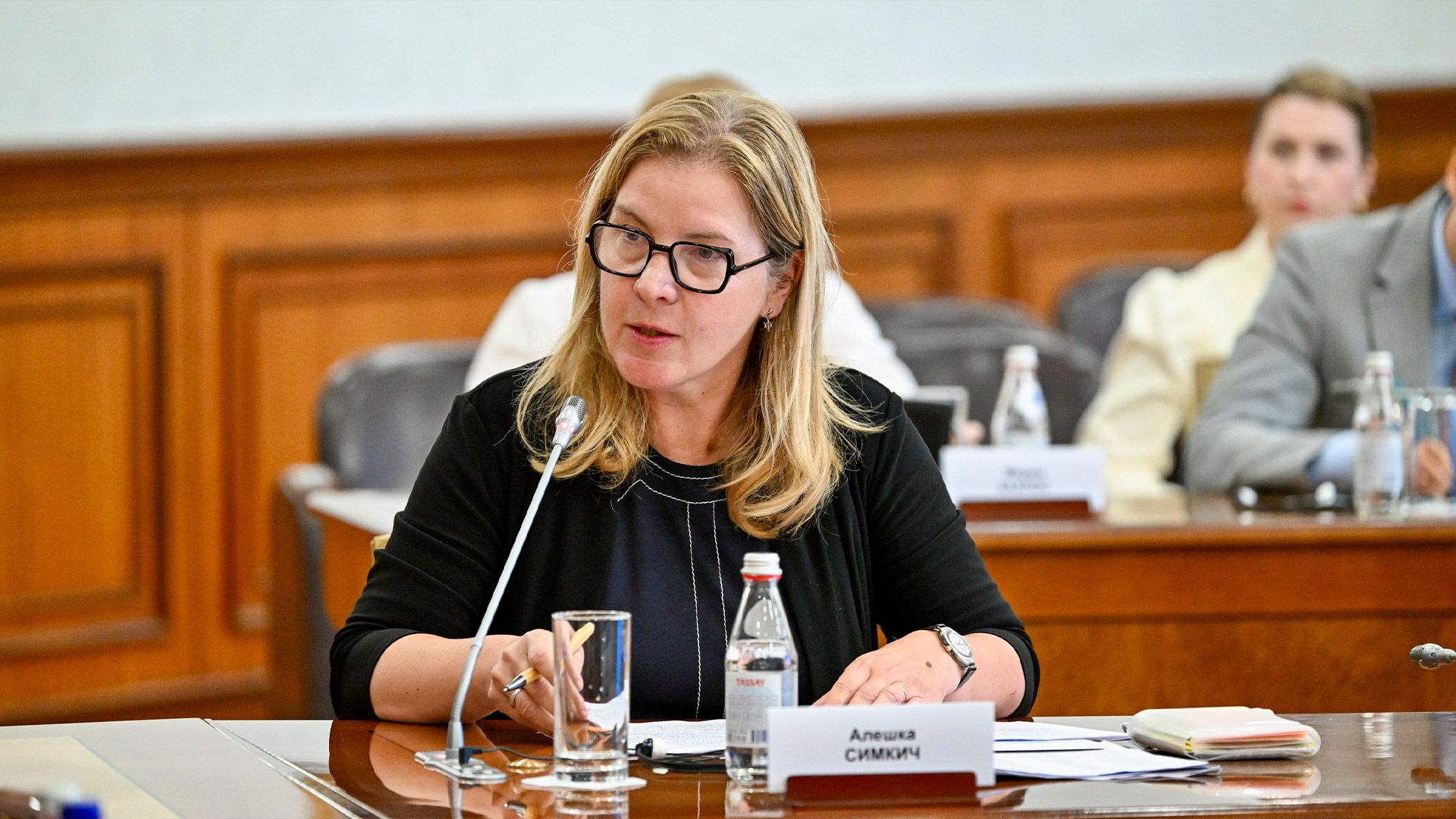
EU Ambassador to Kazakhstan Aleška Simkič stressed the importance of transparent regulation, stronger intellectual property safeguards, and consistent application of technical standards.
German Chargé d’Affaires Ulrich Kinne highlighted the need for deeper harmonization in technical regulation, standardization, accreditation, and conformity assessment to facilitate trade and investment.
Representatives from EUROBAK and Italy's Confindustria Central Asia and Caucasus also called for greater consistency in tax and customs administration, emphasizing that investor confidence depends heavily on a predictable regulatory environment.
Kazakhstan Responds with Reform Agenda
Kazakh officials used the meeting to outline ongoing reforms across multiple sectors.
The Ministry of Finance reported large-scale digitalization of customs procedures, including modernization of nine border checkpoints, expansion of automated control mechanisms, and wider implementation of electronic declarations.
The Ministry of Trade and Integration announced measures aimed at simplifying product conformity assessment procedures and increasing business participation in the development of technical regulations.
Meanwhile, the Ministry of Justice reaffirmed Kazakhstan's commitment to international intellectual property standards.
Officials emphasized that, as a full member of the WTO, Kazakhstan strictly observes its obligations regarding the protection of pharmaceutical research data, including a six-year protection period for confidential clinical and preclinical trial information.
What Comes Next
The meeting concluded with instructions from Prime Minister Bektenov for ministries and national companies to hold bilateral consultations with European partners on every issue raised during the dialogue.
The message from Astana was clear: Kazakhstan intends to deepen economic cooperation with Europe while positioning itself as a regional hub for investment, logistics, industrial production, and critical mineral development.
As global competition for supply chains, investment capital, and strategic resources intensifies, the Kazakhstan–EU partnership appears to be entering one of the most dynamic periods in its history.