
An ancient gold artefact, a mysterious steppe flower and a journey of self-discovery. Astana Ballet is closing its season with one of its most ambitious premieres yet, DKNews.kz reports.
What can a tulip tell us about the history of Kazakhstan?
Much more than you might think.
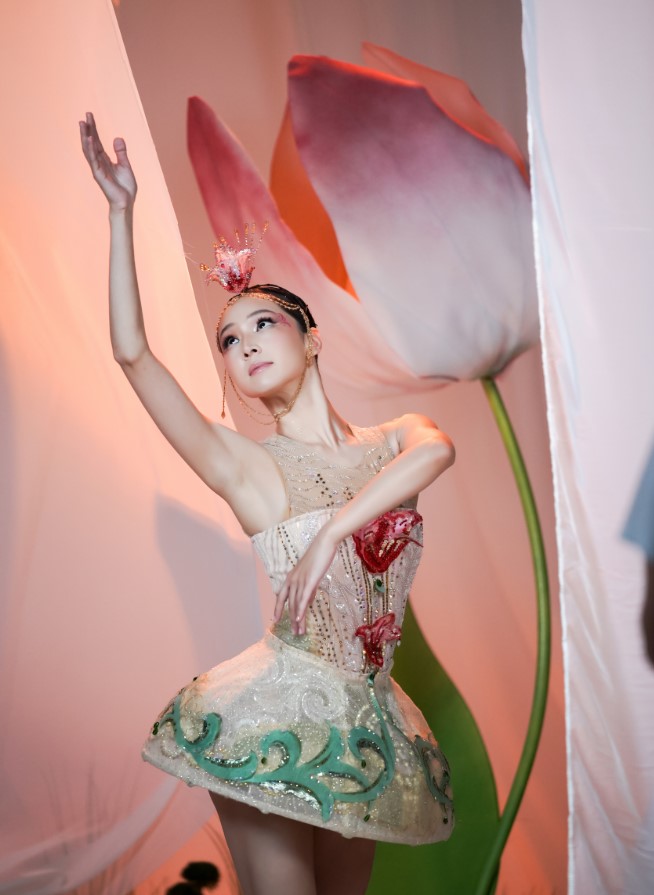
On June 26 and 27, Astana Ballet will present the premiere of Altyn Gul (“Golden Flower”), a new ballet inspired by an ancient archaeological discovery, the cultural heritage of the Great Steppe and one of Kazakhstan’s most iconic natural symbols — the steppe tulip.
The flower that survived centuries
The story begins not on a theatre stage, but in an archaeological excavation.
The creators drew inspiration from a gold plate dating back to the 3rd–2nd centuries BC that was discovered in the Tenlik burial mounds. The artefact features an image of a tulip — a flower that has grown on Kazakh soil since ancient times and remains one of the country’s most recognizable symbols.
For the production team, this discovery became the starting point for a much bigger question:
How do images from nature become part of a nation's identity?

A jeweller, a tulip and a search for meaning
At the centre of the ballet is Zerger, a master jeweller who lives in the vast steppe centuries ago.
Mesmerised by the beauty of a wild tulip, he immortalises the flower in his creations. Over time, the image evolves into a symbol of harmony, beauty and creative power.
But Altyn Gul is not simply a historical story.
It is also a deeply personal one.
As Zerger embarks on a journey filled with challenges, symbolic encounters and revelations, he searches not only for inspiration but also for his own purpose.
Why the tulip matters today
Throughout the performance, the tulip accompanies the hero as a silent guide.
Its meaning gradually unfolds, symbolising renewal, continuity and humanity’s connection with nature.
The creators say the image also serves as a reminder of the importance of protecting natural heritage — a message that feels particularly relevant in today's world.
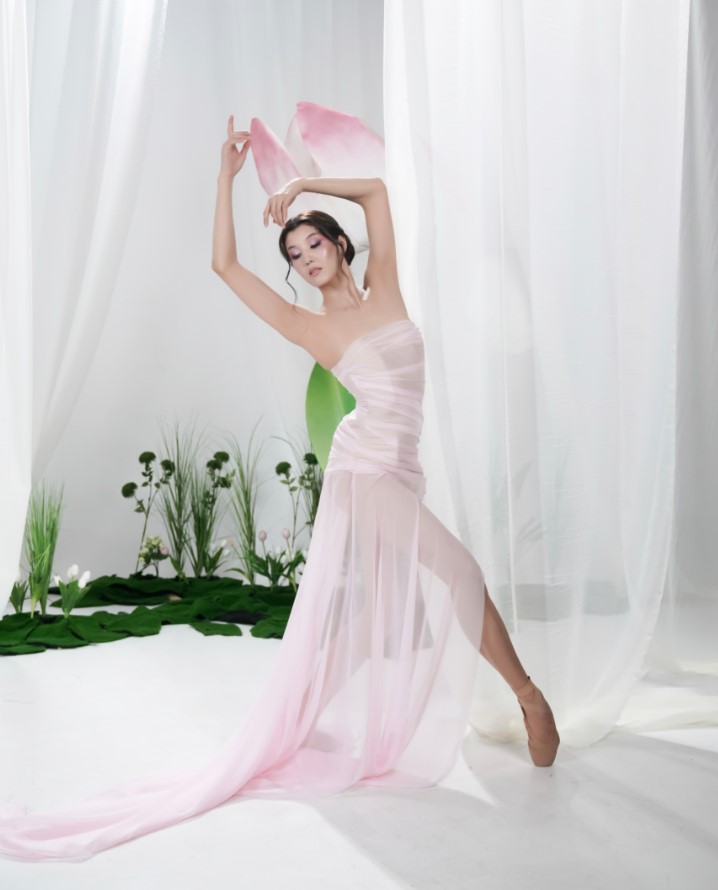
A signature style from Mukaram Avakhri
The ballet continues choreographer Mukaram Avakhri’s exploration of nature, history and national memory.
Audiences may already know her work from productions such as Zhusan, Ot Qyz and The Silk Road.
Her productions are known for blending symbolism, mystery and powerful visual storytelling, transforming historical themes into emotionally rich stage experiences.
‘A contemporary interpretation of national imagery’
“The play Altyn Gul represents a significant addition to the theatre’s repertoire, offering a contemporary interpretation of national imagery. This performance reflects our commitment to meticulously safeguarding cultural heritage, showcasing it through the medium of relevant artistic forms. I am sure that the language of music, choreography and visual imagery will resonate with the audience,” said Astana Ballet director Tair Karatayev.
Balancing tradition and modern dance
According to chief choreographer Mukaram Abubakhrieva (Avakhri), the production seeks to explore national identity through a contemporary artistic language.
“The ballet Altyn Gul is a significant creative project for us. The project is based on the desire to understand national identity using a modern artistic language. This is a story about the beauty of nature, inspiration and the search for one’s destiny,” she said.
“The central image of the steppe tulip is a symbol of fragility and, at the same time, the power of life, reminding us of the value of every moment. When working on the production, it was important to strike a balance between national traditions and the expressive techniques of classical, neoclassical and modern dance.”
“Our objective was to produce a show that would honour our cultural heritage while remaining accessible and relatable to a contemporary audience. I hope that Altyn Gul will evoke vivid emotions and inspiration in the audience and give them a fresh perspective on the beauty of the world around them.”
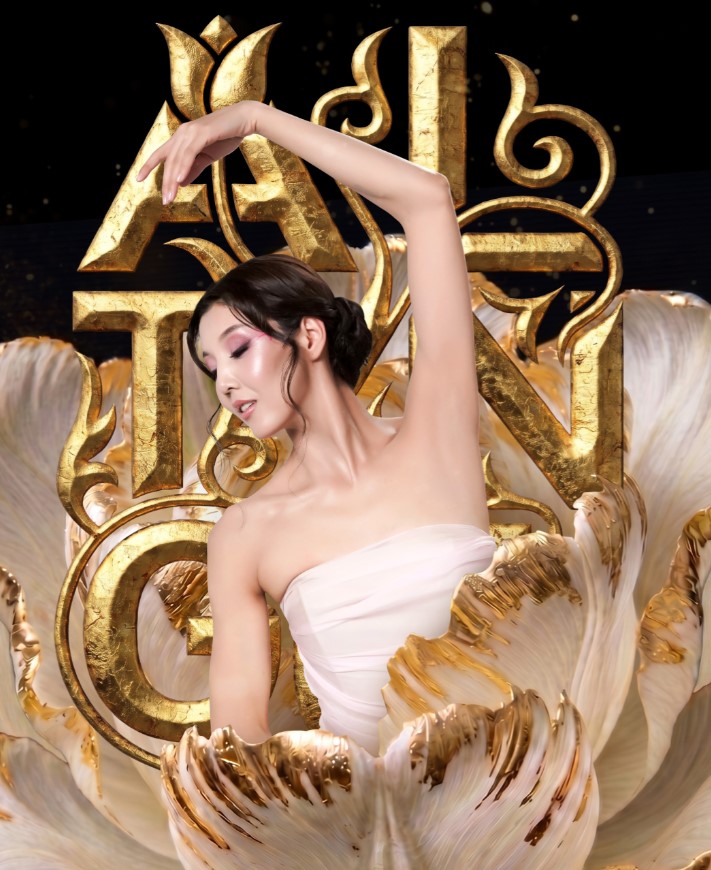
Music, costumes and live orchestra
The score for Altyn Gul was composed by Honoured Figure of Kazakhstan Renat Gaissin, while the libretto was written by Honoured Figure of Kazakhstan Bakhyt Kairbekov.
Costumes were created by designer Aigerim Altybasarova.
The performances will be accompanied live by the Astana Ballet Symphony Orchestra under the baton of chief conductor Arman Urazgaliyev.
Why this premiere could become one of the season’s highlights
Combining archaeology, national heritage, contemporary choreography and a powerful visual narrative, Altyn Gul aims to tell a uniquely Kazakh story through a universal language.
And it all starts with a flower that first bloomed in the Great Steppe centuries ago.