

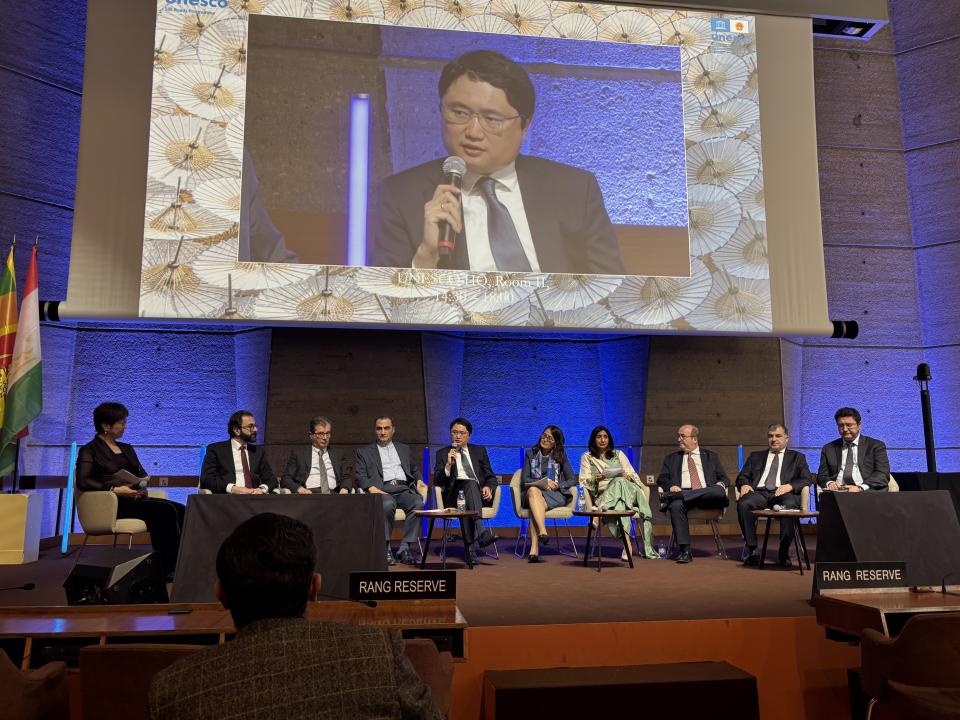
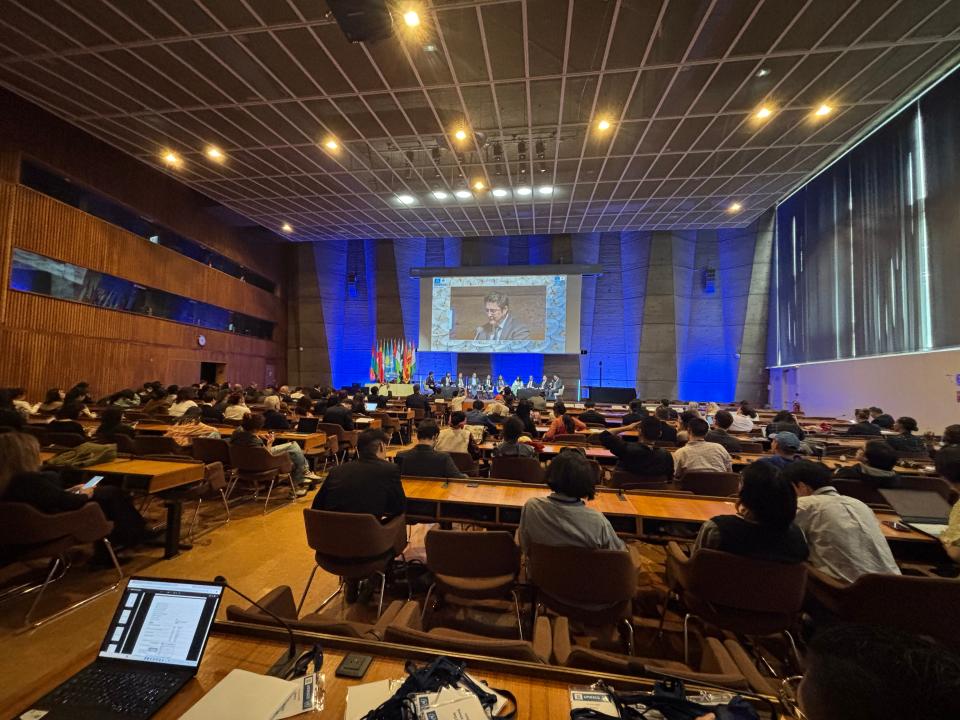
The outcomes of the international symposium on the history and heritage of the Golden Horde, held in Astana in May 2026, were presented during the international conference “Heritage, Travel and Traditions of the Silk Roads: A Journey of Intercultural Dialogue” at UNESCO Headquarters in Paris, DKNews.kz reports.
The event was organized on the occasion of the International Day for Dialogue among Civilizations and brought together UNESCO leadership, ambassadors from countries located along the historic Silk Roads, as well as leading scholars and experts in history and cultural heritage.
Kazakhstan highlights role of the Silk Roads
Speaking at the conference, Kazakhstan’s Permanent Delegate to UNESCO, Ambassador Askar Abdrakhmanov, emphasized Kazakhstan’s historical contribution to the development of the Silk Roads and their continuing importance as a platform for cultural interaction and dialogue.
During his address, he informed participants about the outcomes of the international symposium “The Golden Horde as a Model of Steppe Civilization: History, Archaeology, Culture and Identity,” which took place in Astana on May 19–20, 2026.
According to the Ambassador, the symposium attracted more than 300 delegates from over 20 countries across Asia, Europe, the Americas and the Middle East.
The participation of scholars representing different academic traditions demonstrated the growing international interest in studying the political, economic and cultural legacy of the Golden Horde and the Great Steppe.
Golden Horde’s role in Eurasian trade discussed
Abdrakhmanov noted that during the era of the Golden Horde, the state controlled the northern branch of the Silk Roads and played a vital role in ensuring the security of trade routes across the Great Steppe.
He recalled that goods moving through the region included:
- silk from China
- spices from India
- furs from Russia
- horses from Central Asia
- handicraft products from Europe and the Middle East
The Ambassador also highlighted the significance of Golden Horde coinage, noting that the discovery of coins minted by the rulers of the Ulus of Jochi across Eurasia provides valuable evidence of historical trade networks and economic exchanges.
UNESCO-backed symposium praised
Reflecting on the event in Astana, the Ambassador stressed the importance of international academic cooperation in re-examining Eurasian history.
«The grand symposium on the heritage of the Golden Horde, held in Kazakhstan under the patronage of UNESCO, clearly demonstrated the strong interest of the international scholarly community in rethinking the interconnected histories of Eurasia and the Great Steppe through a broader and more inclusive perspective.»
He also thanked UNESCO for supporting the initiative and contributing to the academic discussions held in Kazakhstan.
UNESCO recognizes Kazakhstan’s contribution
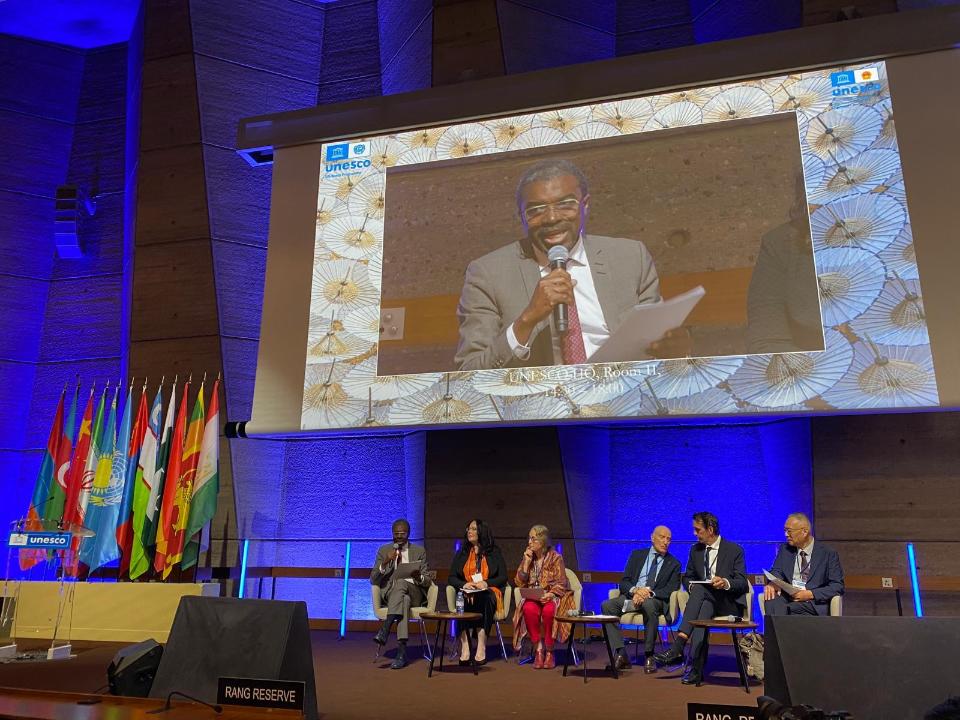
Lazare Eloundou Assomo, Director of the UNESCO World Heritage Centre, who led UNESCO’s delegation to the Astana symposium, praised both the organization and academic content of the event.
He emphasized the importance of such initiatives for advancing research on the contribution of Eurasian peoples to the shared cultural heritage of humanity.
Assomo also expressed appreciation for Kazakhstan’s long-standing support of UNESCO’s Silk Roads Programme.
Cultural heritage showcased in Paris
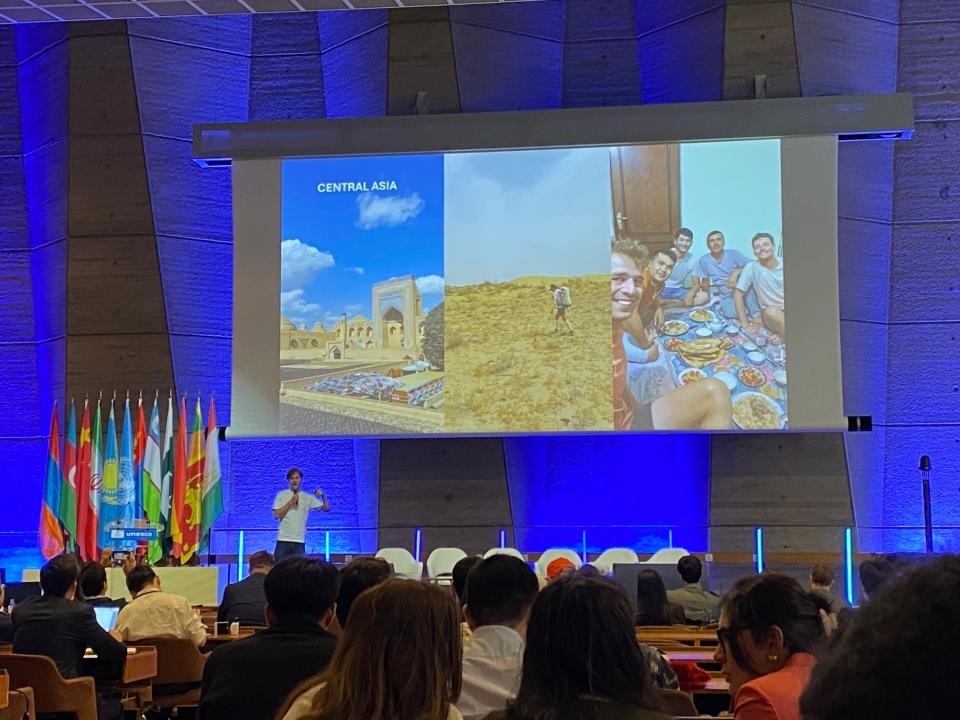
At the conclusion of the conference, participants were invited to experience traditional cuisines representing the cultural heritage of countries along the Silk Roads.
Kazakhstan was among the countries that presented elements of its national culinary traditions, highlighting the cultural diversity and shared heritage of the Silk Roads region.
Why this matters
The growing international interest in the Golden Horde reflects broader efforts to better understand the interconnected histories of Eurasia and the role of the Great Steppe in shaping global trade, diplomacy and cultural exchange.
By promoting scholarly research and international dialogue, Kazakhstan is positioning itself as an important contributor to the study and preservation of the historical heritage of the Silk Roads and the wider Eurasian region.