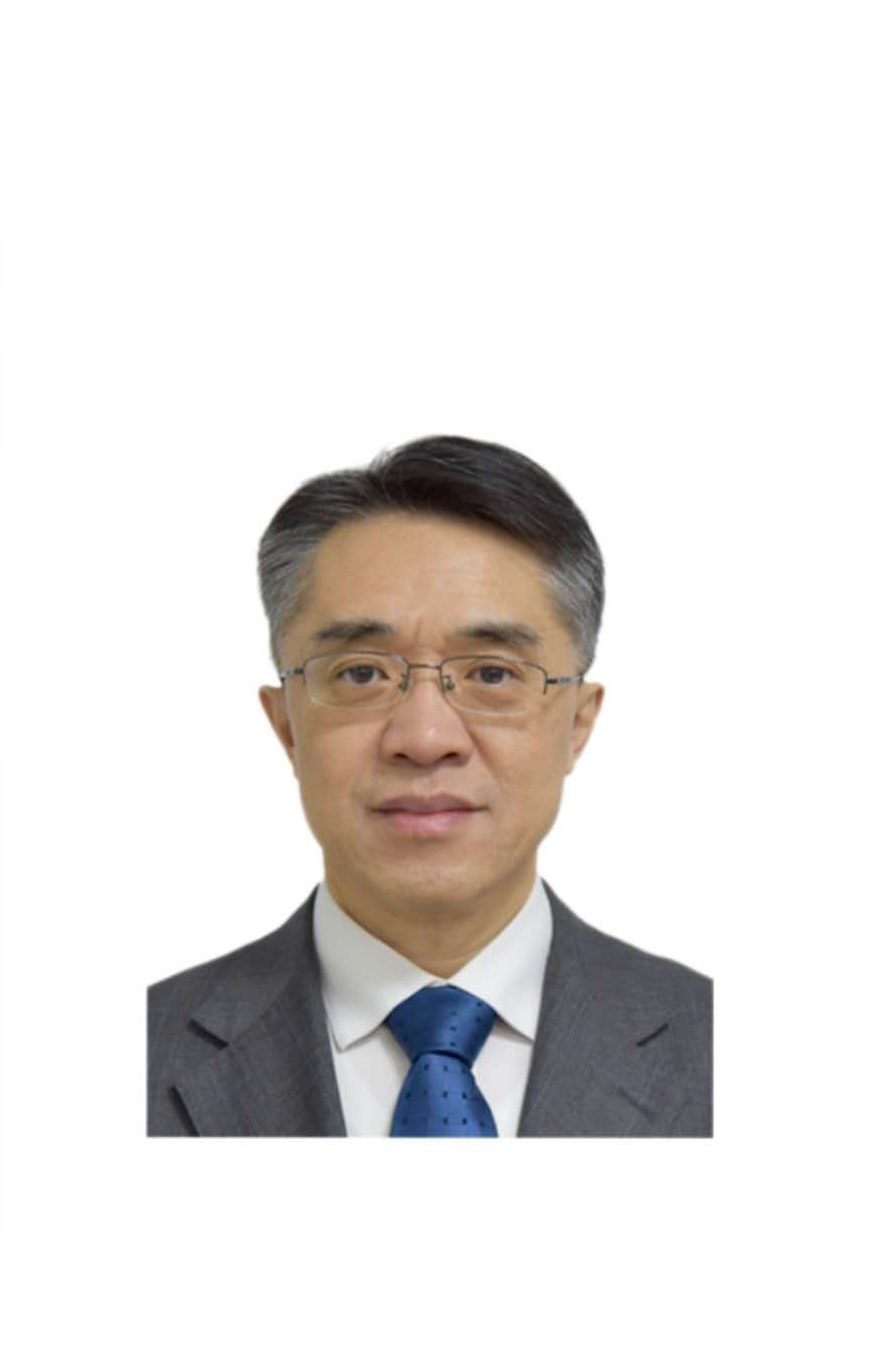

The Consul General of the People’s Republic of China in Almaty Su Fangqiu - presents Regional cooperation between China and Kazakhstan (2)
Guangzhou — the Guangdong-Hong Kong-Macao Greater Bay Area
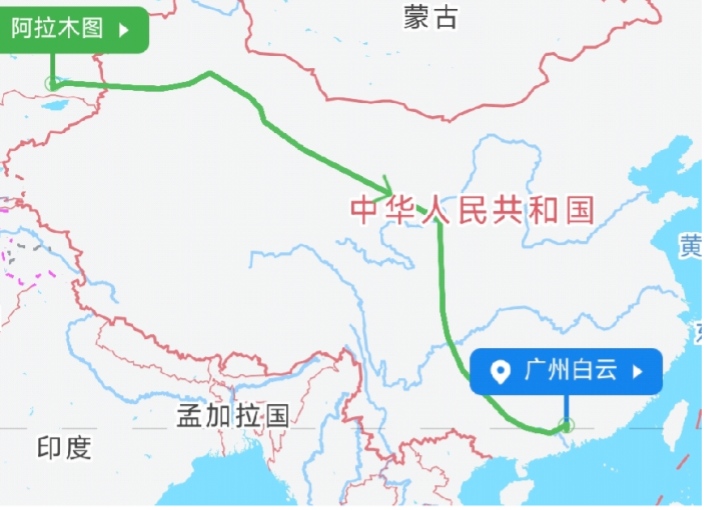
Guangzhou is the administrative center of Guangdong Province and a national central city of China. Since ancient times, it has been an important foreign trade port of China and one of the main starting points of the Maritime Silk Road.
In 2024, Guangzhou rose to 22nd place in the GaWC ranking of world cities, compiled by the Globalization and World Cities Research Network, firmly establishing itself among the world’s first-tier global cities. According to the Global Innovation Index 2025, published by the World Intellectual Property Organization, the Shenzhen-Hong Kong-Guangzhou innovation cluster ranked first for the first time among the world’s top 100 innovation clusters.
As a key engine of the Greater Bay Area, Guangzhou has become the first city in China to concentrate such major national-level innovation platforms as a comprehensive national technological innovation center, major national science and technology infrastructure, and large-scale international scientific megaprojects.
Shenzhen has ranked first among Chinese cities for 22 consecutive years in the number of international patent applications filed under the Patent Cooperation Treaty system, and for 8 consecutive years in the number of patents granted. The density of national high-tech enterprises in the city also ranks first in the country.
Hong Kong continues to strengthen complementarity in science and technology, capital, and human resources, accelerates cooperation with cities of the Greater Bay Area, and is shaping a full chain of interaction: “basic research and development — pilot testing and implementation — production.”
The strong economic foundation of Guangdong Province provides a solid basis for the development of the Greater Bay Area. In 2025, Guangdong’s gross regional product reached 2.05 trillion US dollars, allowing the province to maintain first place among China’s regions by economic volume for the 37th consecutive year. Guangdong accounts for 43.5% of China’s total industrial robot production and has held first place in the country in this field for 6 consecutive years.
Over the next 10 years, Guangdong aims to double the size of its economy and bring per capita gross regional product to the level of moderately developed countries. While preserving the advantages of its traditional industries — household appliances, automobile manufacturing, and petrochemicals — special attention is being paid to the development of renewable energy sources, new materials, commercial aerospace, the low-altitude economy, and new energy storage systems.
From traditional manufacturing to industries of the future, Guangdong’s powerful industrial base and clear strategic planning provide Kazakhstan with diverse opportunities: from raw material procurement to technological cooperation, from the integration of supply chains to the expansion of markets.
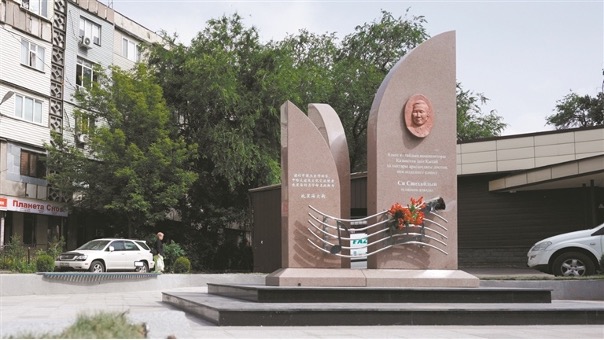
Guangdong has a long history of interaction and deep humanitarian ties with Kazakhstan. The renowned Chinese musician Xian Xinghai and Kazakh musician Bakhytzhan Baikadamov met and became friends through music, becoming a symbol of friendship between the two countries and giving cooperation a special emotional and cultural depth. Today, both Guangzhou and Almaty have streets and monuments named in honor of Xian Xinghai.
In recent years, the potential for cooperation between the sides has continued to emerge actively. Huawei and the National Company “Kazakhstan Temir Zholy” continue to deepen cooperation, jointly promoting the creation of railway communication networks, big data infrastructure, and AI-based security systems, thereby accelerating the intelligent modernization of the railway sector.
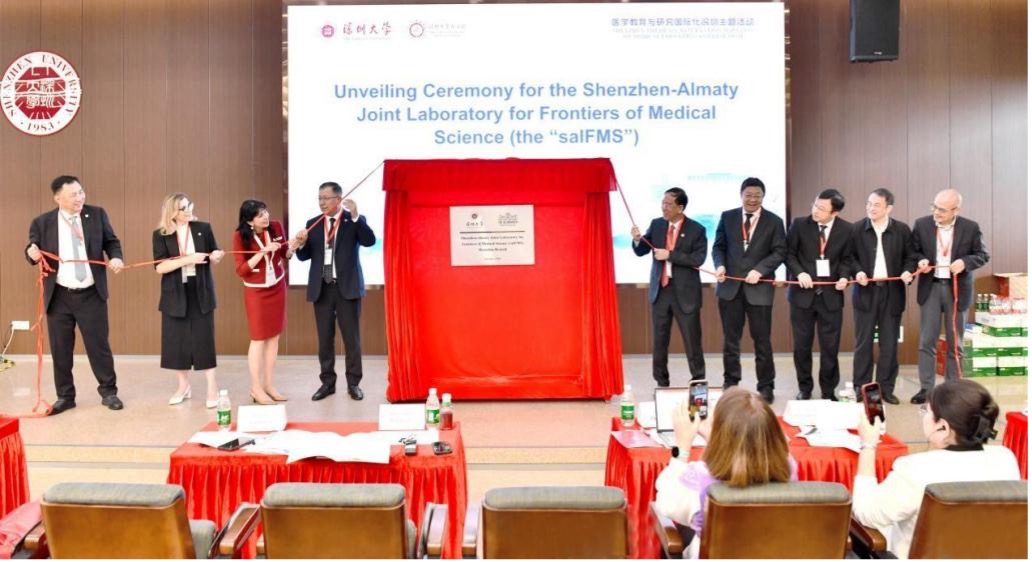
The Shenzhen-Almaty Frontier Joint Laboratory for Medical Science has achieved significant results in scientific research, personnel training, academic exchange, and the creation of scientific platforms.
In May 2025, Guangzhou Medical University opened an overseas medical training center in Kazakhstan, forming a cooperation model of “technical training — scientific research cooperation — implementation in production,” which contributes to improving the quality of medical services in Kazakhstan. The Belt and Road Environmental Technology Exchange and Transfer Center (Shenzhen) signed a cooperation agreement with the Non-Profit Joint Stock Company “International Green Technologies and Investment Projects Center” and is jointly creating a green technology transfer platform. City University of Hong Kong and K.I. Satbayev Kazakh National Research Technical University established an Institute of Research and Innovation, creating a new platform for personnel training, academic exchange, and scientific cooperation between universities of the two countries.
In August 2025, the China (Guangzhou)–Kazakhstan Trade and Economic Forum was held in Guangzhou. In September of the same year, the Shenzhen Institute of Computing Sciences and the Sovereign Wealth Fund “Samruk-Kazyna” signed a Memorandum of Cooperation, deepening interaction in the digital sphere. The Development Bank of Kazakhstan placed yuan-denominated bonds in Hong Kong for the first time. Sales of BYD electric vehicles hold leading positions in the Kazakh market.
When the open spirit of an ancient commercial center meets the dynamics of Kazakhstan’s developing market in the Guangdong-Hong Kong-Macao Greater Bay Area, the sides jointly shape a new model of regional cooperation between China and Kazakhstan.
In February of this year, Guangzhou successively hosted a round table on Almaty investment projects and the Chinese-Kazakh business meeting “Planet of the Silk Road.”
In April, the Kazakhstan chapter of the global organization of young business leaders, Young Presidents’ Organization, organized a visit by a delegation of entrepreneurs to Guangzhou for trade and economic inspections and exchanges of experience. Kazakhstan took part for the first time in the 4th International Innovation and Technology Exhibition of Hong Kong, InnoEX 2026.
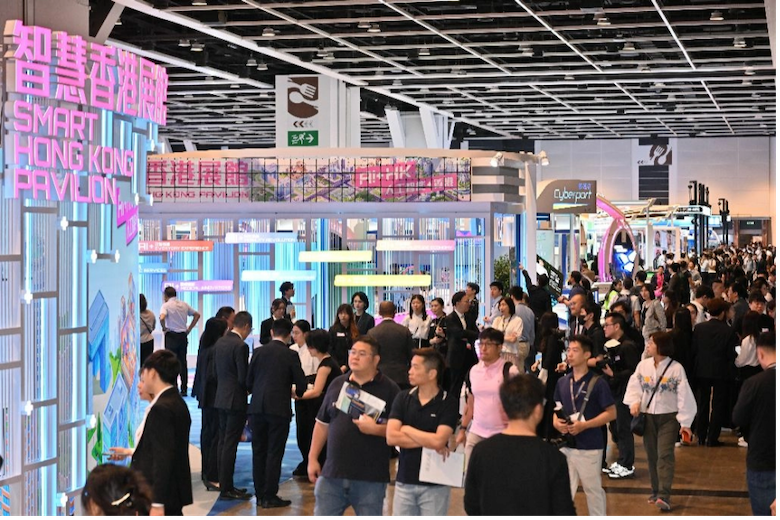
During the 14th Macao International Travel Industry Expo, a trip was organized for the first time jointly with the Chinese Cultural Center for representatives of the tourism industry of Kazakhstan and other Central Asian countries to become acquainted with Macao’s tourism resources.
In May, the State Dance Ensemble “Birlik” performed at the opening of the 36th Macao Arts Festival, and local dance groups from Macao performed together with it, presenting the culture of the Silk Road.

From June 1 to 3, a Hong Kong trade and economic delegation visited Kazakhstan. The sides reached agreements and signed 43 memoranda and agreements covering aviation, finance, trade, scientific and technological innovation, the digital economy, and green development. The Government of the Hong Kong Special Administrative Region plans to open a Hong Kong Economic and Trade Office in Kazakhstan, while direct Hong Kong–Almaty flights are expected to be launched in the first quarter of 2027.
On June 2, the solemn opening ceremony of the Consulate General of the Republic of Kazakhstan in Guangzhou was held. On June 3, Air Astana launched a direct Guangzhou–Astana flight.
The annual China Import and Export Fair, known as the Canton Fair, and the Guangdong-Hong Kong-Macao Greater Bay Area Auto Show attract a large number of Kazakh enterprises and manufacturers. At present, the sides are actively promoting the establishment of sister-region relations between Guangdong Province and regions of Kazakhstan.
Hangzhou — the Incubator of the “Six Little Dragons”
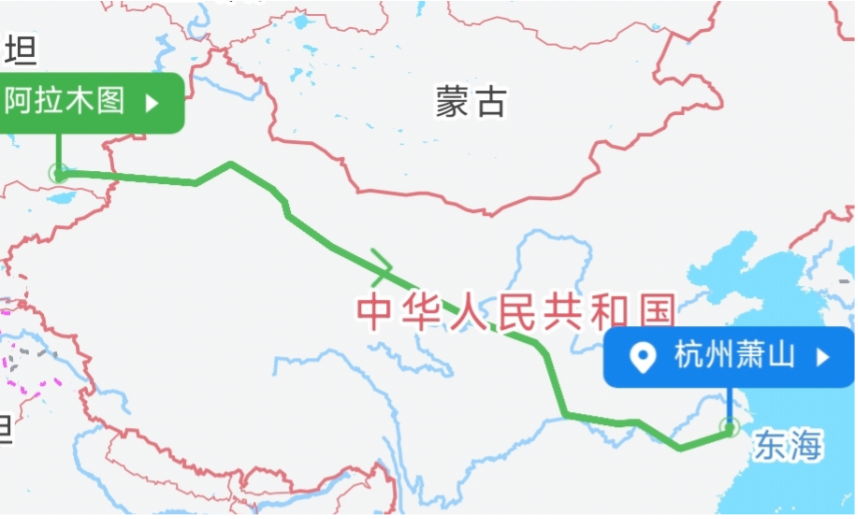
Hangzhou is the administrative center of Zhejiang Province, a central city of the G60 Science and Technology Innovation Corridor in the Yangtze River Delta region, a national center of innovation in the digital economy, and a regional center of scientific and technological innovation.
Thanks to the combined influence of factors such as government support, the optimization of the innovation environment, growing attractiveness for talent, and capital inflows, the new technology companies known as the “Six Little Dragons of Hangzhou” — Game Science, DeepSeek, Unitree Robotics, Deep Robotics, BrainCo, and Manycore Tech — have clearly demonstrated their strength. They have attracted global attention and have been called the “mysterious power of the East.”
It is here that the headquarters of major companies and digital platforms are located, including Alibaba Group, Ant Group, NetEase, and Hikvision. At present, Zhejiang Province is developing such industry centers as China’s Visual Technology Valley, China’s Digital Valley, China’s Cloud Valley, and China’s Pharmaceutical Port, while at the same time strengthening the China Center for Special Economic Zone Cooperation among BRICS countries.
From July 9 to 11 of this year, Hangzhou will host the Global Cross-Border E-commerce Trade Expo 2026. At the same time, the BRICS Cross-Border E-commerce Forum, the Forum on the Multidimensional Ecosystem of Cross-Border E-commerce, and the Forum on Human Resources in Cross-Border E-commerce will also be held.
From e-commerce platforms to artificial intelligence, from robotics to brain-computer interfaces, Hangzhou has already formed a complete digital economy ecosystem. This city, which for 19 consecutive years has been included among the “happiest cities in China,” attracts partners from all over the world, including Kazakhstan, thanks to its high level of innovation and warm atmosphere of happiness.
In 2023, Shengli Primary School in Hangzhou and the Kazakh educational group TAMOS officially established friendly relations between educational institutions, creating an innovative international educational project based on the model of “digital technologies + intangible cultural heritage.”
In September 2024, Kazakhstan participated in the 3rd Global Digital Trade Expo as the guest country of honor.
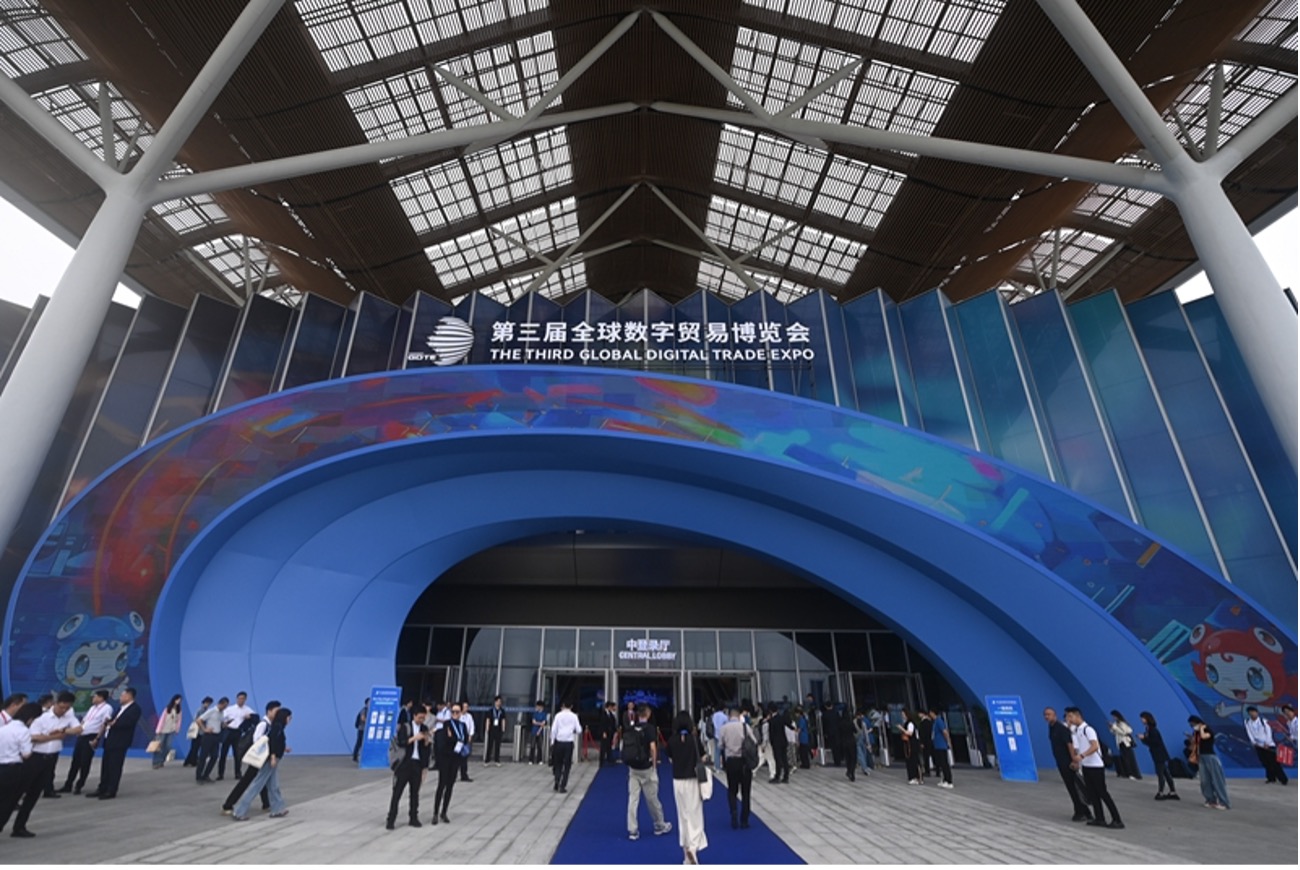
On September 25, 2025, Hangzhou and the city of Shymkent officially signed the “Memorandum on Friendly Exchanges and Cooperation.” The sides stated their intention to continue expanding exchanges, deepening cooperation, promoting the joint use of resources and the complementarity of advantages, and facilitating common modernization through high-quality development. In the same month, the Zhejiang International Trade Exhibition 2025 was held in Almaty.
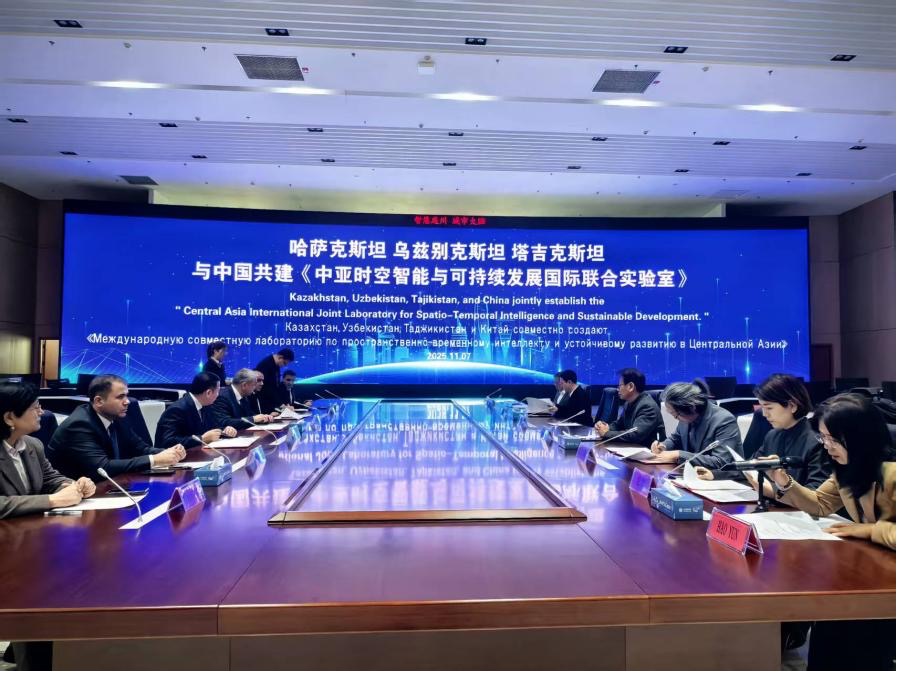
In the field of higher education and scientific and technological interaction, in November 2025, a ceremony was successfully held to sign an agreement on the establishment of the “International Joint Laboratory for Spatio-Temporal Artificial Intelligence and Sustainable Development of Central Asia,” with Zhejiang University and Zhejiang University of Technology participating in its creation.
Zhejiang University of Finance and Economics, together with AlmaU University, established the Silk Road School. Since the founding of the School, training programs such as “Silk Road E-commerce,” “Silk Road Business,” and others have been conducted successively. More than 200 trainees have been trained under these programs, receiving high praise from teachers and students on the Kazakh side. In March of this year, the two universities signed an agreement to launch a dual-degree master’s program in international trade and international law.
In April, Zhejiang University of Technology and the Kazakh National Agrarian Research University signed an agreement, deepening joint personnel training in the field of artificial intelligence, and handed out admission notices to the first students of the dual-degree program in Artificial Intelligence.
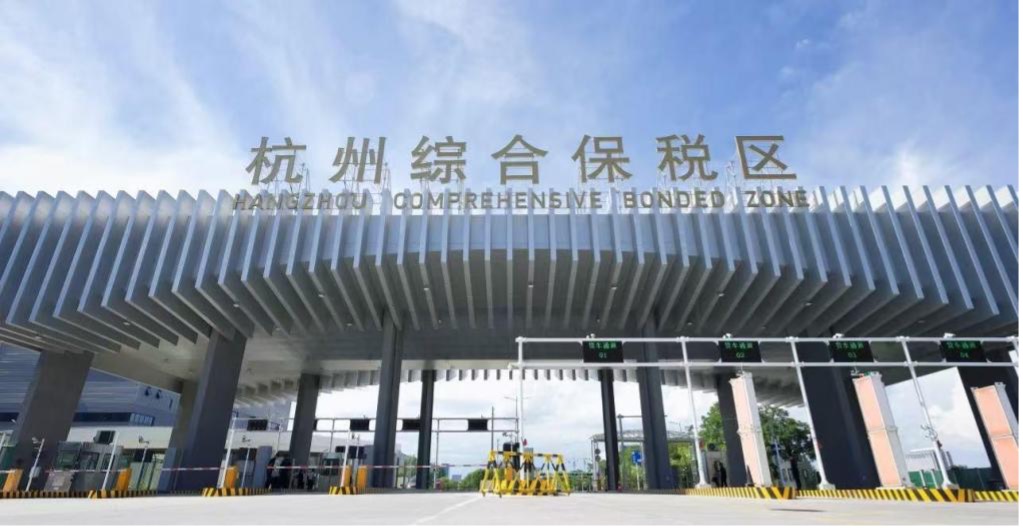
Near the International Center for Boundary Cooperation “Khorgos,” the Hangzhou Comprehensive Bonded Zone and the Chinese-Kazakh “Smart Port” formed a cooperation model of “port + Hangzhou,” ensuring data exchange, route interconnectivity, and industrial complementarity.
Cooperation between Hangzhou and Kazakhstan is gradually expanding from trade and economic ties to all areas of the digital economy and joint personnel training, forming a multidimensional model: “trade as the foundation, digitalization as the wings, education as the bridge, and talent as the cornerstone.” Looking ahead, the sides will continue to promote the deep integration of advantages and jointly create a new hub of the Digital Silk Road.