

A new exhibition in Astana brings together centuries-old maps, rare historical evidence, and traditional crafts, turning Kazakhstan's long history of statehood into a living public experience, DKNews.kz reports.
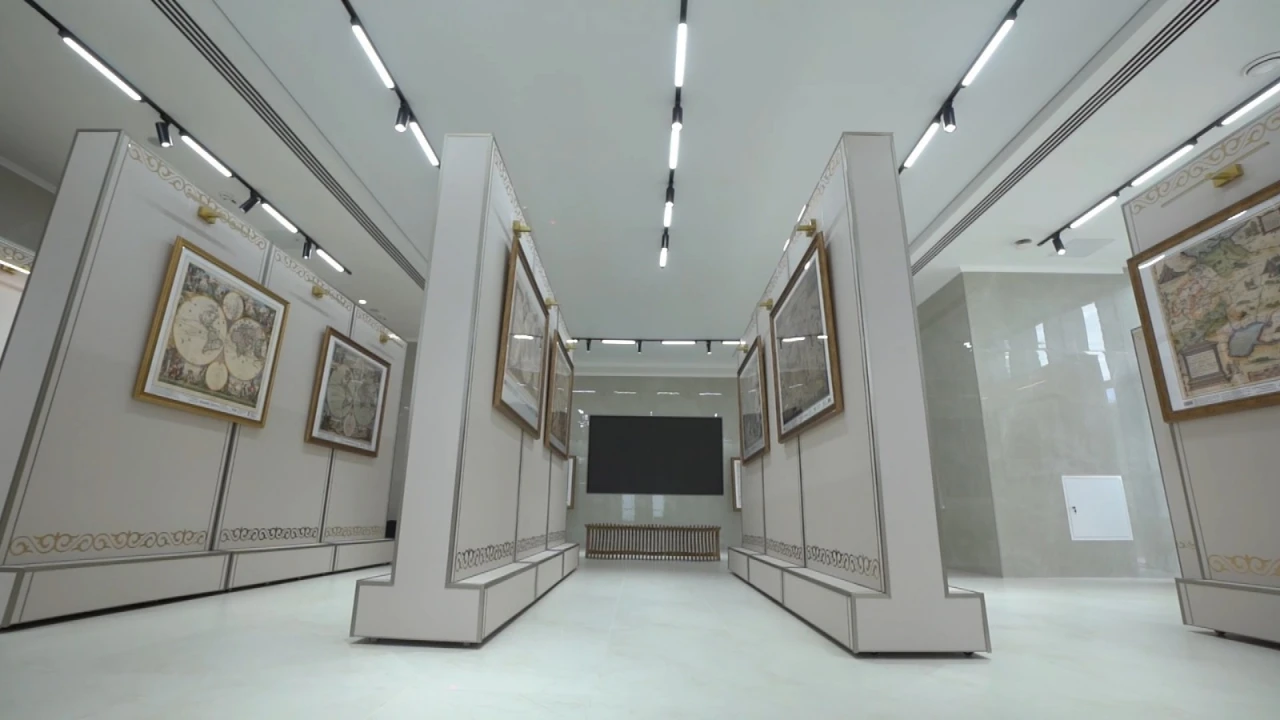
On July 1, Kazakhstan marked more than the first day of its new Constitution. In Astana, the Presidential Center opened the Gallery of Historical Maps of Kazakhstan — a permanent exhibition designed to show how the country's statehood was recorded by foreign travelers, scholars, and cartographers centuries before the modern era.
The launch is part of a broader initiative following President Kassym-Jomart Tokayev's call to deepen research into Kazakhstan's centuries-old statehood and preserve the nation's historical and cultural heritage.
The timing is symbolic. The new Constitution, which entered into force on July 1, formally recognizes the continuity of the thousand-year history of the Great Steppe, making historical memory one of the country's constitutional foundations.
More than an exhibition
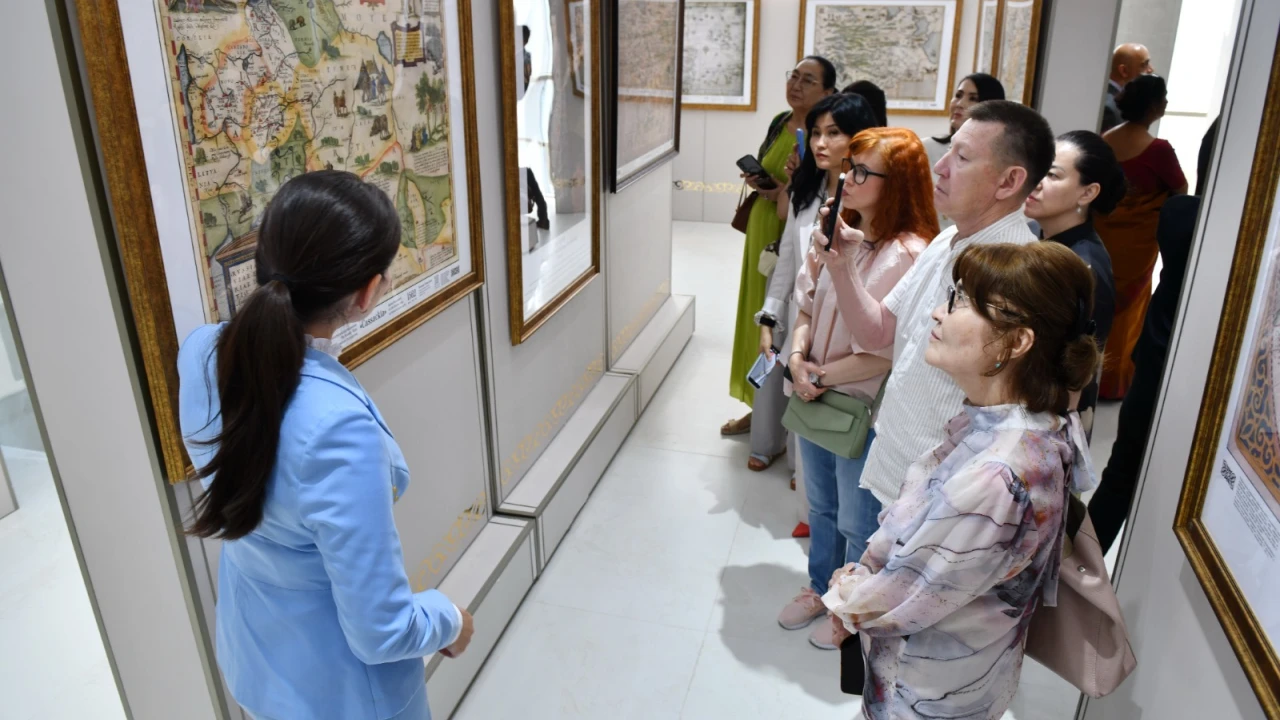
Rather than presenting history as a collection of artifacts, the new gallery seeks to answer a question that has long attracted historians both inside and outside Kazakhstan: how did the world see the Kazakh state over the centuries?
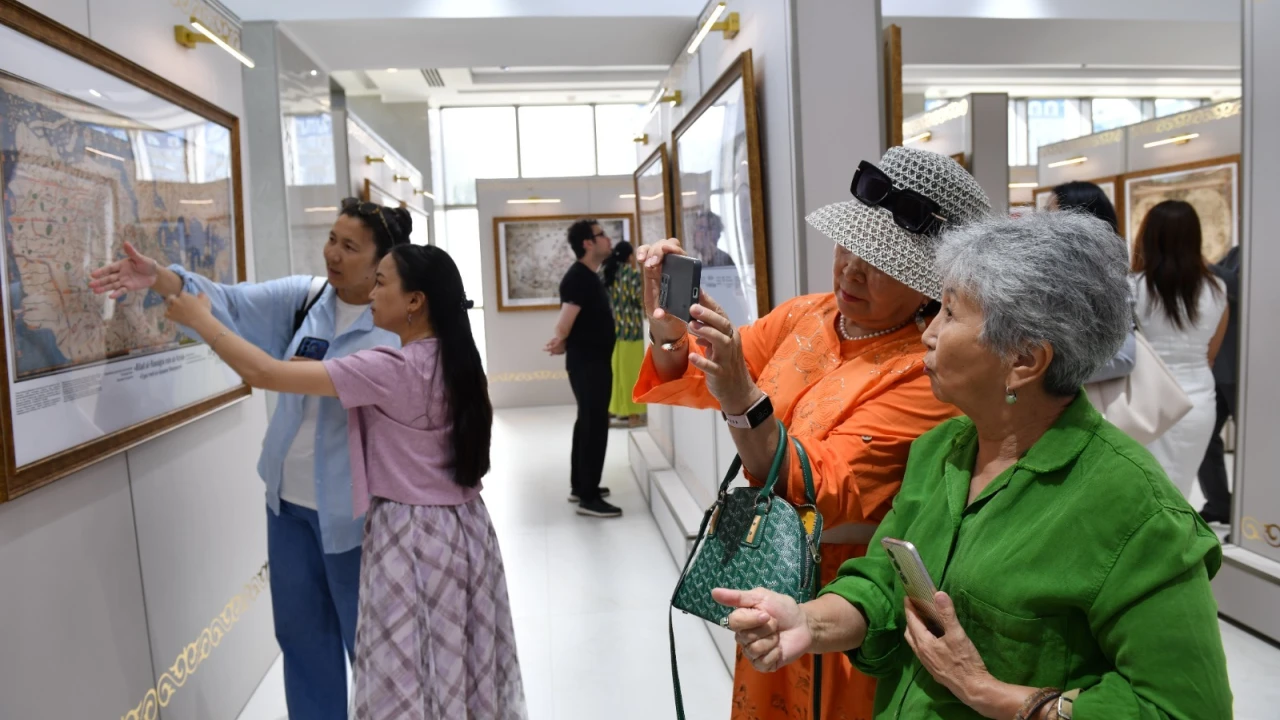
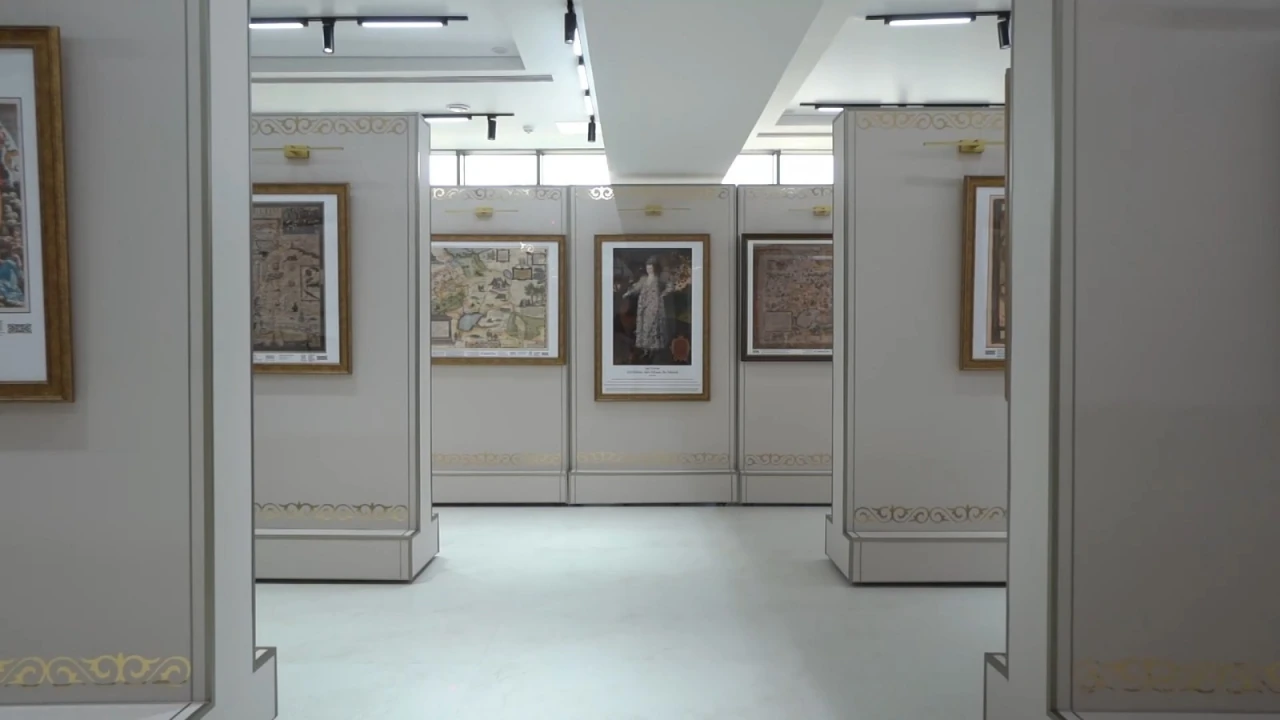
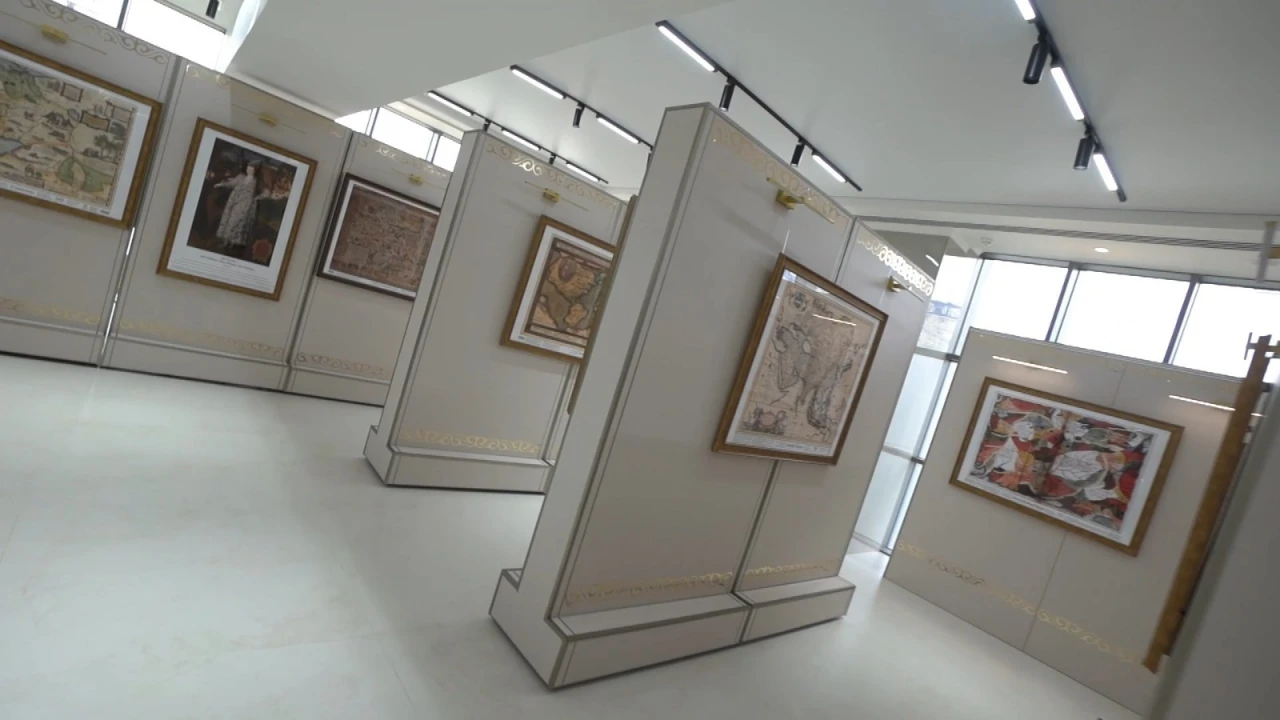
The exhibition features historical maps created by Arab, European and Russian travelers and researchers between the 11th and 19th centuries. Together, they illustrate how Kazakhstan's territory and statehood appeared in historical sources across different eras.
According to organizers, the gallery is intended to become a permanent academic and educational platform where historical documents are preserved, digitized and made accessible to researchers, students and visitors alike.
A constitutional milestone
Speaking at the opening ceremony, Bakytzhan Temirbolat, Director of the Presidential Center of the Republic of Kazakhstan, said the project carries significance well beyond a museum exhibition.
"Today, we are witnessing an event whose significance extends far beyond the opening of a new exhibition or the presentation of another cultural project. The official presentation of the Gallery of Historical Maps of Kazakhstan, together with the souvenir and traditional crafts zones, carries profound national and public importance, as it takes place at the historic moment when the new Constitution of the Republic of Kazakhstan enters into force."
He emphasized that the gallery represents one of the first practical initiatives reflecting the constitutional principle recognizing the continuity of Kazakhstan's thousand-year statehood.
Temirbolat also recalled President Tokayev's repeated calls for a thoughtful approach to national history.
"It is no coincidence that the President has consistently emphasized the need for a thoughtful and responsible approach to our national history, noting that reflection on the great eras of the past should not become a subject of abstract debate or attempts to mechanically recreate former models, but rather serve as a source of deep understanding, inspiration, and creative energy for the country's modern development."
He added that history gains its greatest value when it helps society strengthen its identity while preparing for future challenges.
Research that became a national project
The gallery is based on years of research by Mukhit-Ardager Sydyknazarov, Director of the Institute of Contemporary Studies at L.N. Gumilyov Eurasian National University.
His book, Continuous Statehood of Kazakhstan in the Flow of History: The Kazakh State on European and American Maps of the 16th–19th Centuries, was previously presented to President Tokayev, who praised the research and supported making its findings accessible to a wider audience.
According to Sydyknazarov, placing the exhibition inside the Presidential Center gives the project special significance.
"The opening of the Gallery of Historical Maps at the Presidential Center of the Republic of Kazakhstan carries deep symbolic significance. The Presidential Center is not only a key institution preserving the memory of Kazakhstan's modern statehood. It is also a place where the history of the state, constitutional development, political culture, and national values are presented within a unified framework."
He said the gallery is expected to become a platform for education, scholarship and international dialogue.
"This Gallery will serve as visual and documentary evidence that Kazakhstan possesses deep historical roots, enduring territorial continuity, and a rich tradition of statehood. A strong state knows its roots, recognizes its responsibility in the present, and looks confidently to the future."
History meets living tradition
The opening ceremony was not limited to historical documents.
Visitors also explored new souvenir and traditional crafts zones showcasing contemporary masters of Kazakh decorative and applied arts. Among those presenting their work were renowned jeweler Berik Alibay and military historian, ethnographer and expert in historical weapons Kaliolla Akhmetzhan.
By combining historical maps with living craftsmanship, organizers sought to highlight the connection between Kazakhstan's historical legacy and its cultural traditions that continue today.
A bridge between the past and the future
Officials say the project goes beyond preserving historical artifacts. The gallery is intended to systematize, digitize and protect historical evidence while making it accessible for future generations.
With diplomats, scholars, government officials and representatives of cultural and educational institutions attending the opening, the event underscored Kazakhstan's broader effort to place historical research at the center of national identity.
As the country begins a new constitutional chapter, the Gallery of Historical Maps offers visitors something more than a journey into the past—it presents history as evidence, memory and a foundation for Kazakhstan's future.