

Kazakhstan is looking to technology to secure its water future.
Artificial intelligence, satellite monitoring and automated metering could reduce water losses. International investment should help accelerate the modernization of the country’s water infrastructure, DKNews.kz reports.
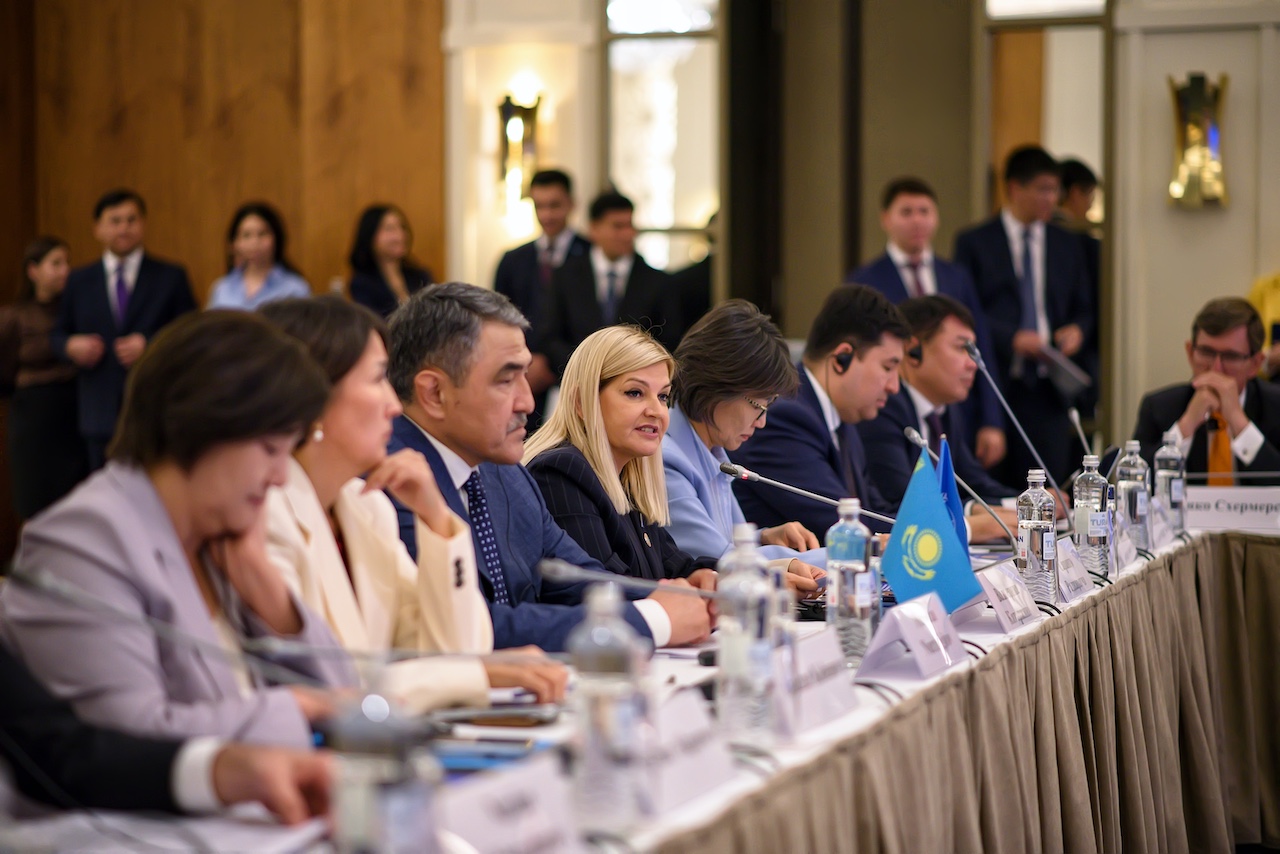
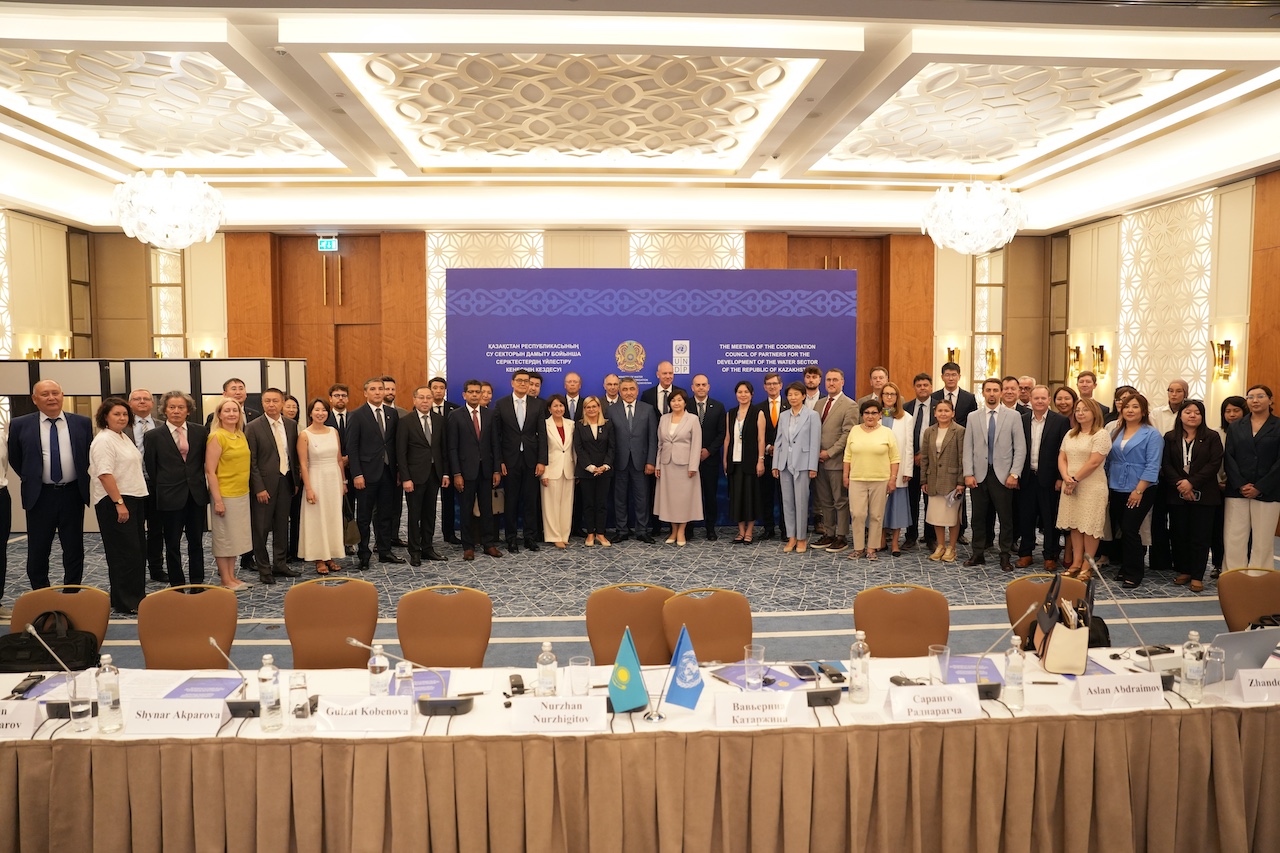
The third meeting of the Development Partners Coordination Council for Kazakhstan’s Water Sector took place in Astana on 4 August. The Ministry of Water Resources and Irrigation and UNDP brought together financial institutions, international organizations, diplomats, researchers and private companies.
 UNDP
UNDP
Water conservation dominated the agenda. As climate change intensifies and water scarcity grows, Kazakhstan is changing its approach: new canals and reservoirs cannot solve the problem without accurate metering and tighter control over consumption.
AI and Satellites Could Transform Water Management
Participants discussed the digital transformation of the water sector, including artificial intelligence, satellite monitoring and automated water accounting systems.
 UNDP
UNDP
These technologies can detect water losses, monitor the condition of canals, forecast demand and improve water allocation across regions and agricultural producers.
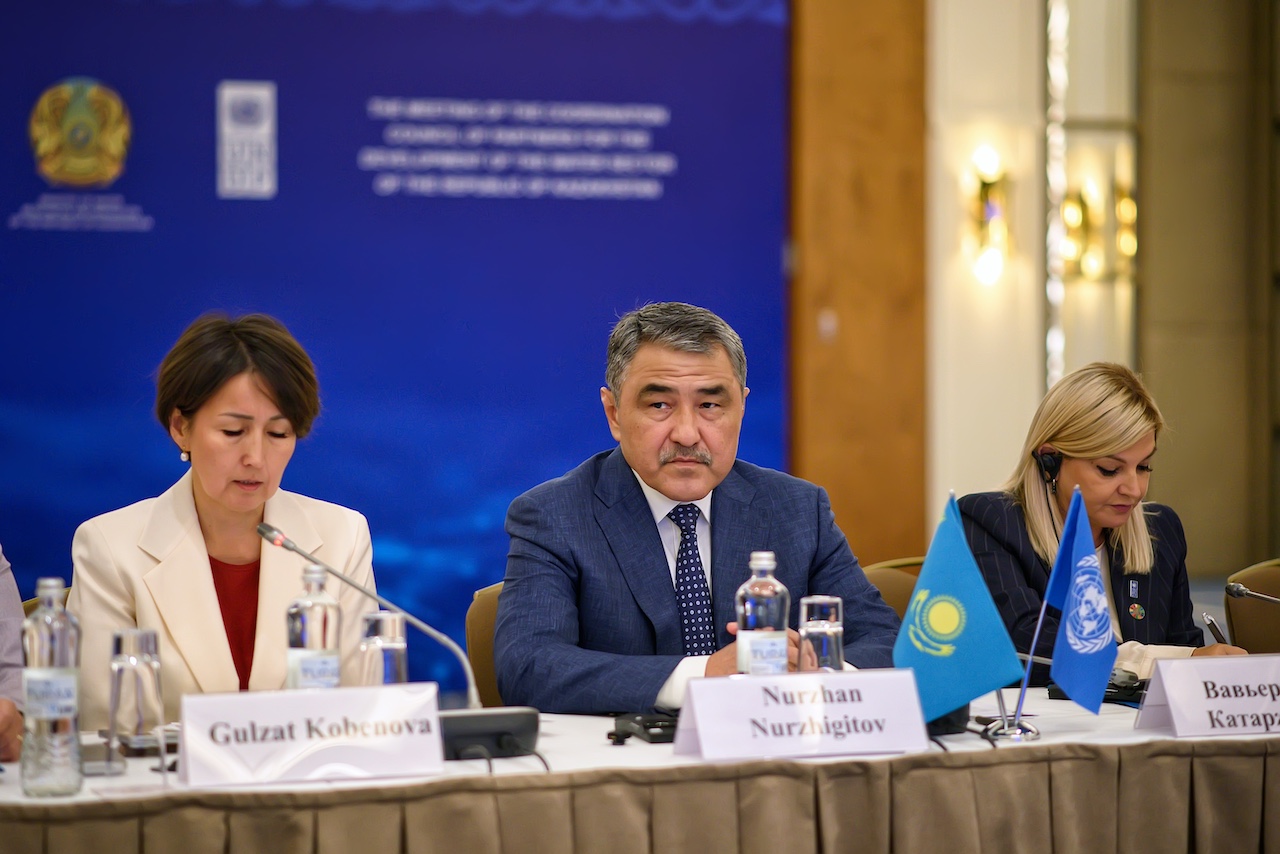
“The future of water security depends not on how much water we have, but on how effectively we manage it. Today, water conservation, digitalization and modern technologies are among the top priorities for the development of Kazakhstan's water sector. However, achieving these goals requires the combined efforts of government, academia, business and international partners. The Coordination Council is the platform through which we are building this collaborative model,” said Nurzhan Nurzhigitov, Minister of Water Resources and Irrigation of the Republic of Kazakhstan.
 UNDP
UNDP
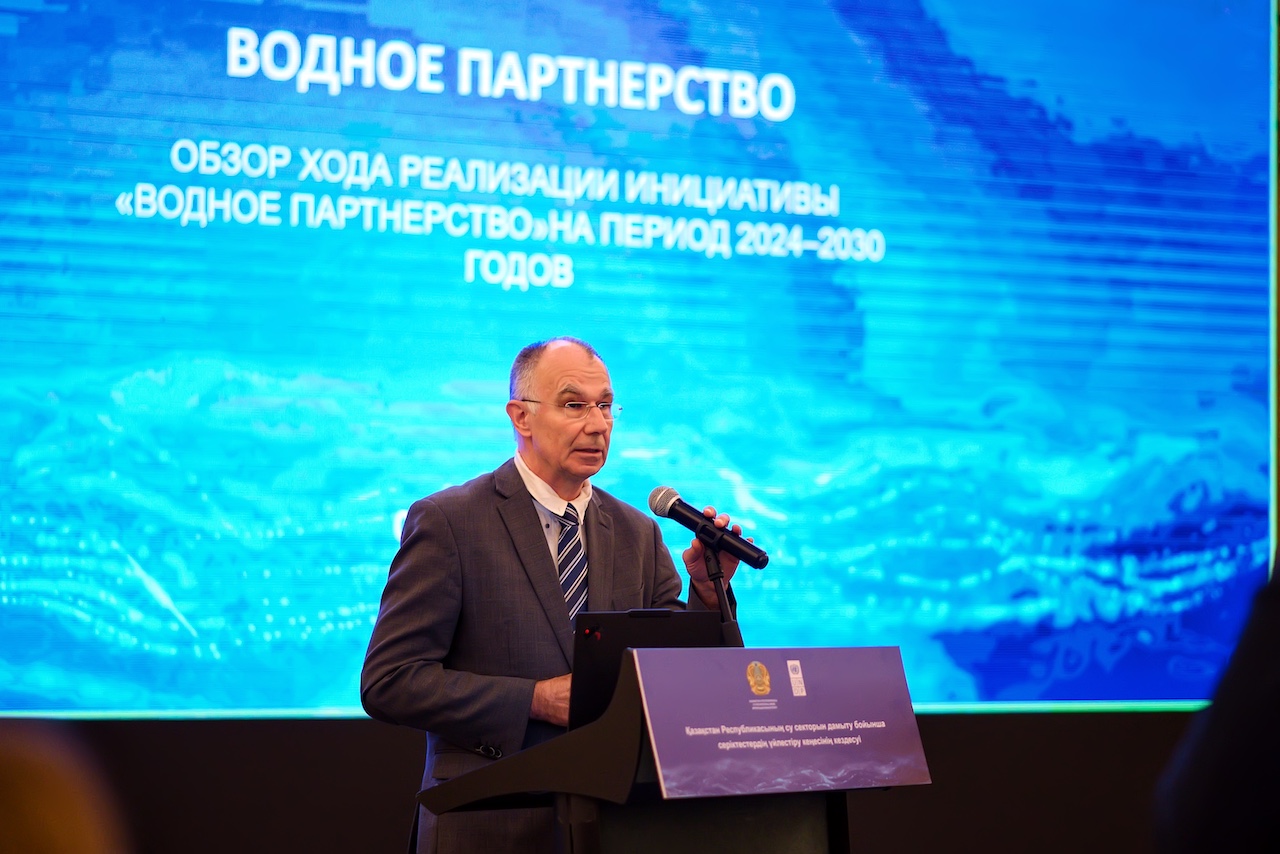
The Council also reviewed progress under the Water Partnership Initiative 2024–2030. The initiative aims to connect government projects with international financing, technical expertise and modern technologies.
More Than 20 Agreements Signed
Since its establishment, the Coordination Council has facilitated more than 20 cooperation agreements and memoranda between the Ministry and international partners.
These partnerships have already attracted technical assistance and supported investment projects. The next challenge is to turn separate initiatives into an integrated water management system.
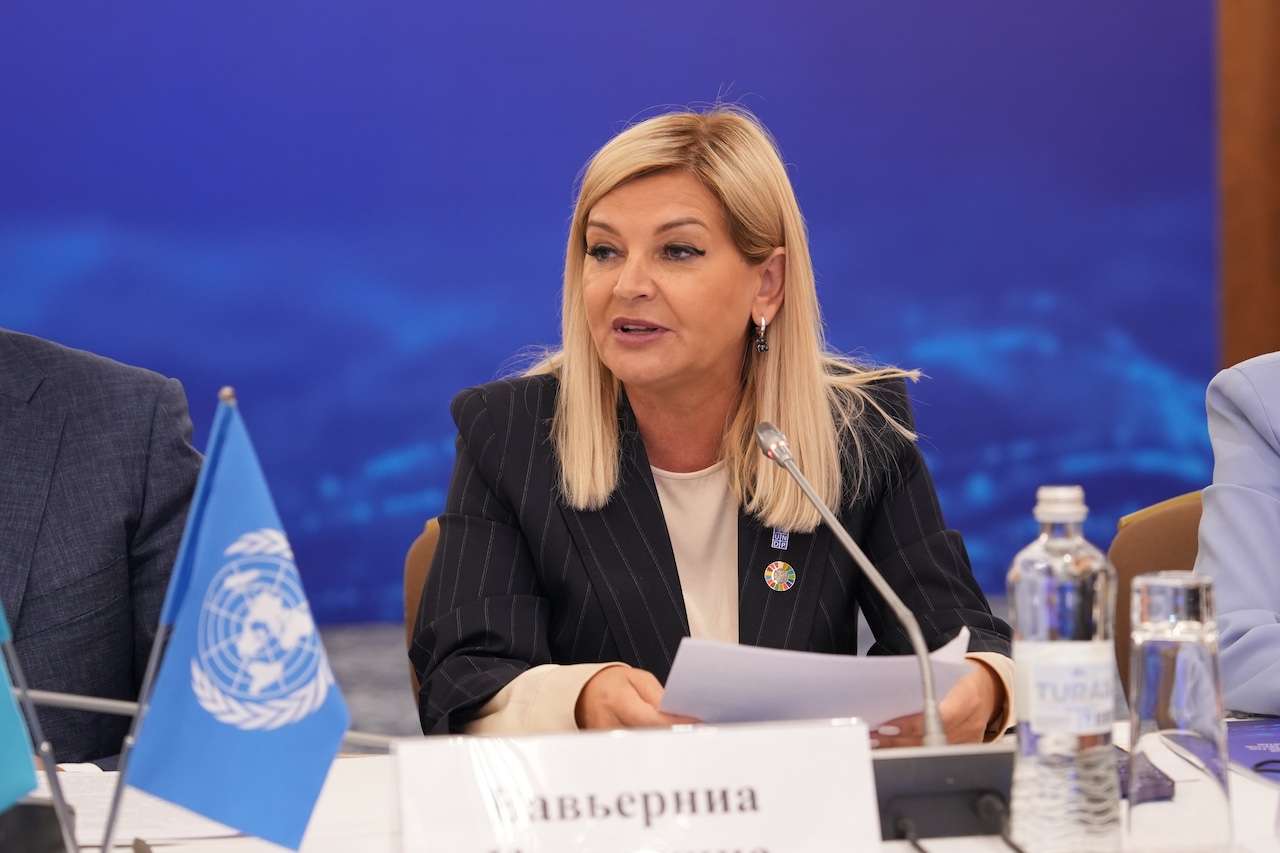
“Over the past two years, the Coordination Council has evolved from a dialogue platform into an effective mechanism for bringing together government institutions, international partners and financial institutions. The true value of this cooperation is measured not by the number of meetings held, but by the joint decisions that are already being translated into investment projects and policy improvements. UNDP is proud to be part of this process and will continue supporting Kazakhstan in advancing water conservation and strengthening the country's long-term water security,” said Katarzyna Wawiernia, UNDP Resident Representative in Kazakhstan.
 UNDP
UNDP
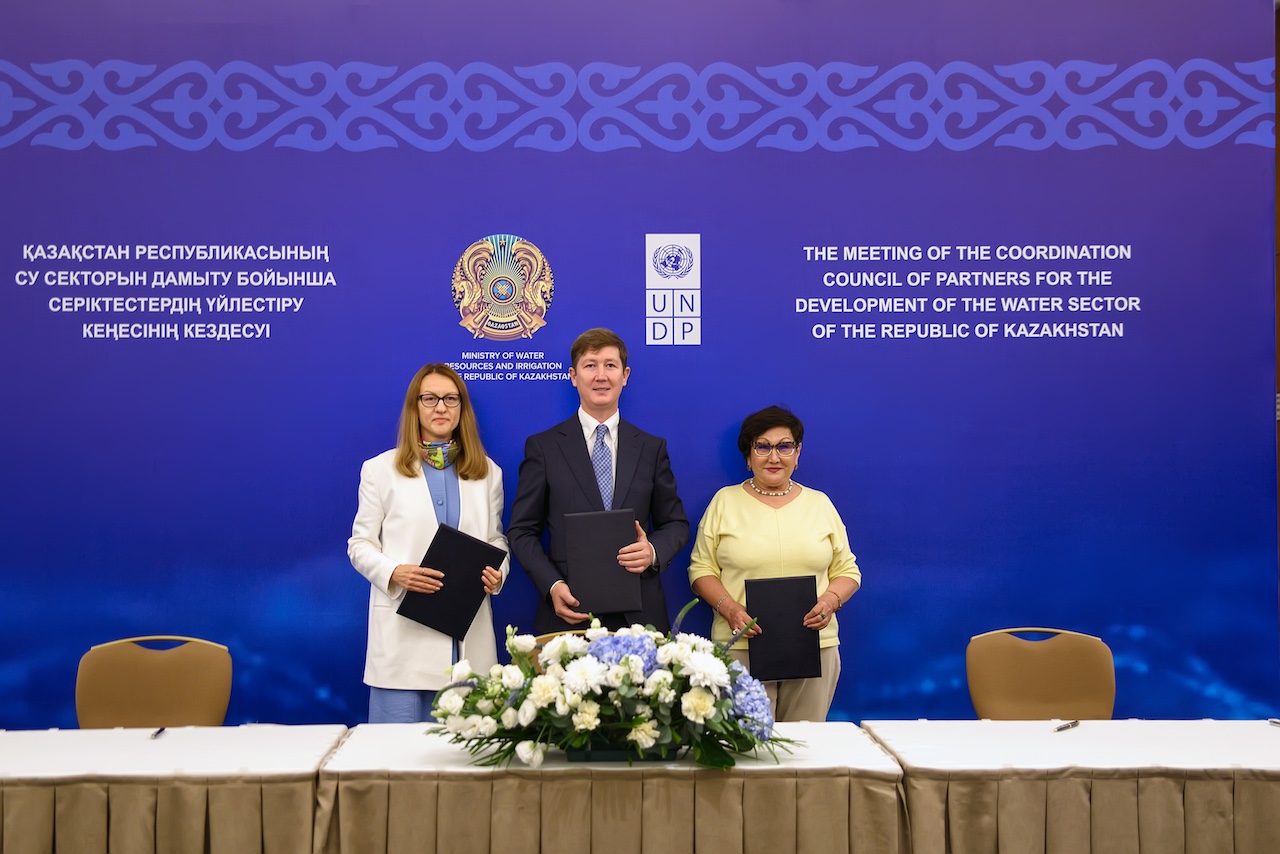
The meeting also included a signing ceremony for new partnership agreements. Companies and research organizations presented innovative water conservation solutions.
Demand for Water Specialists Is Rising
Kazakhstan’s water sector needs more than new equipment. It also requires engineers, hydrologists, digital specialists and researchers.
The Ministry of Science and Higher Education is increasing the state-funded allocation for specialist training.
“To meet the needs of the water sector, the annual state educational grant allocation for specialist training is being increased. Over the past few years, it has nearly tripled,” emphasized Gulzat Kobenova, Vice Minister of Science and Higher Education of the Republic of Kazakhstan.
Education became one of the Coordination Council’s central topics for the first time. Previous meetings had focused mainly on financing, infrastructure and the legislative framework.
 UNDP
UNDP
Water Conservation Starts at School
Kazakhstan plans to build responsible water-use habits from an early age.
 UNDP
UNDP
More than 4,400 environmental clubs operate across the country’s educational institutions, engaging over 125,000 schoolchildren. Students also participate in the Zhasyl Mektep project and other environmental initiatives.
“Building an environmental culture and fostering responsible attitudes toward natural resources begins at school. Today, this work is being carried out through the unified educational programme Adal Azamat. More than 4,400 environmental clubs are operating across educational institutions, engaging over 125,000 schoolchildren, while initiatives such as Zhasyl Mektep and other environmental projects are being implemented. Our goal is to cultivate environmental awareness, responsible water use practices, and respect for natural resources among children, so that these values become an integral part of their daily lives.”
The government and its international partners are expected to identify new areas of cooperation in water conservation, digital transformation and investment mobilization.
 UNDP
UNDP
For Kazakhstan, the cost of inaction rises with every dry season. Water is no longer only a natural resource—it has become a key factor in food security, regional stability and economic growth.