
What if the next breakthrough that powers electric cars, drones, or even satellites isn't coming from Silicon Valley or China, but from Kazakhstan?
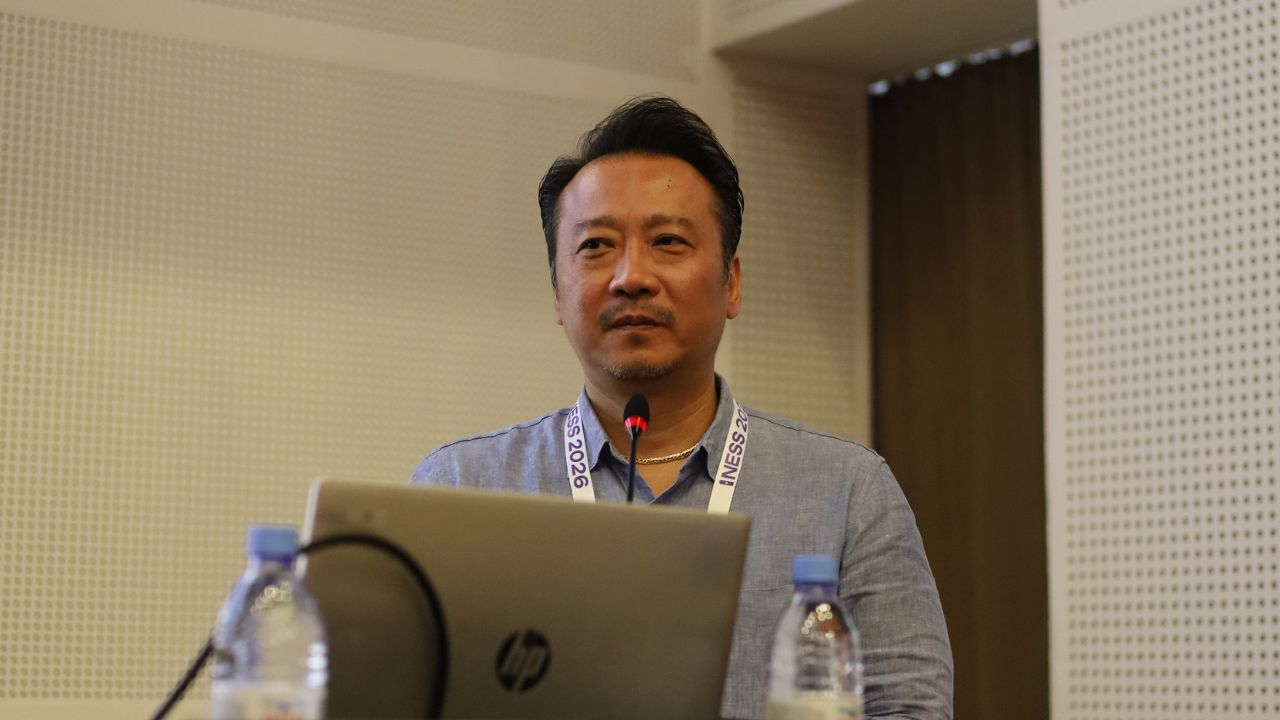
That question is at the heart of INESS-2026, one of Central Asia's largest international conferences on advanced materials and energy storage, currently taking place at Nazarbayev University in Astana, DKNews.kz reports.
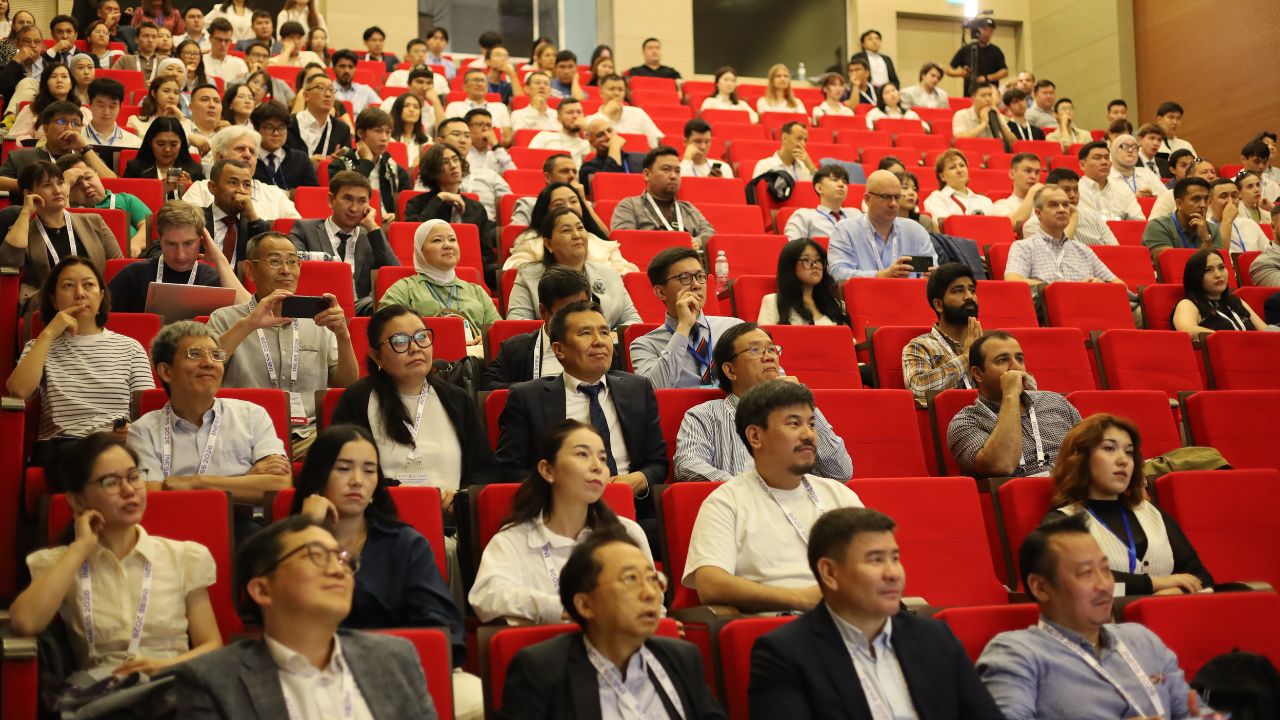
From August 5 to 7, more than 200 scientists, engineers, technology developers and industry leaders from over 10 countries have gathered to discuss the technologies that could define the next decade of global energy. The conference features more than 100 research projects, ranging from next-generation batteries and artificial intelligence-driven materials discovery to energy solutions for electric vehicles, drones and space missions.
The global race for better batteries
The world's transition to electric mobility, renewable energy and autonomous technologies has sparked an intense race to develop batteries that charge faster, last longer and operate more safely.
Researchers at INESS-2026 are presenting new approaches designed to tackle exactly those challenges. The focus is not only on improving today's lithium-ion batteries but also on developing entirely new chemistries capable of meeting tomorrow's energy demands.
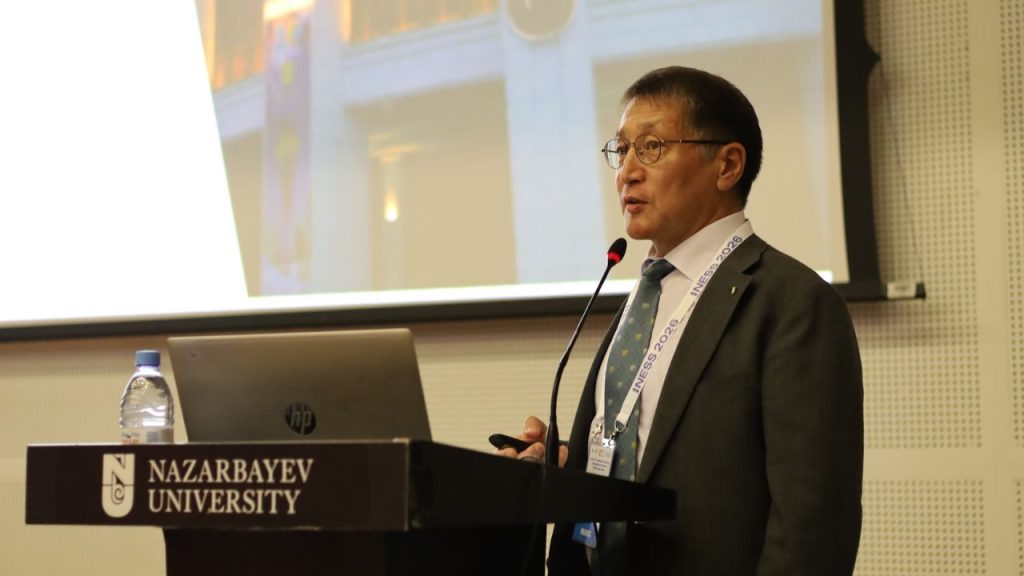
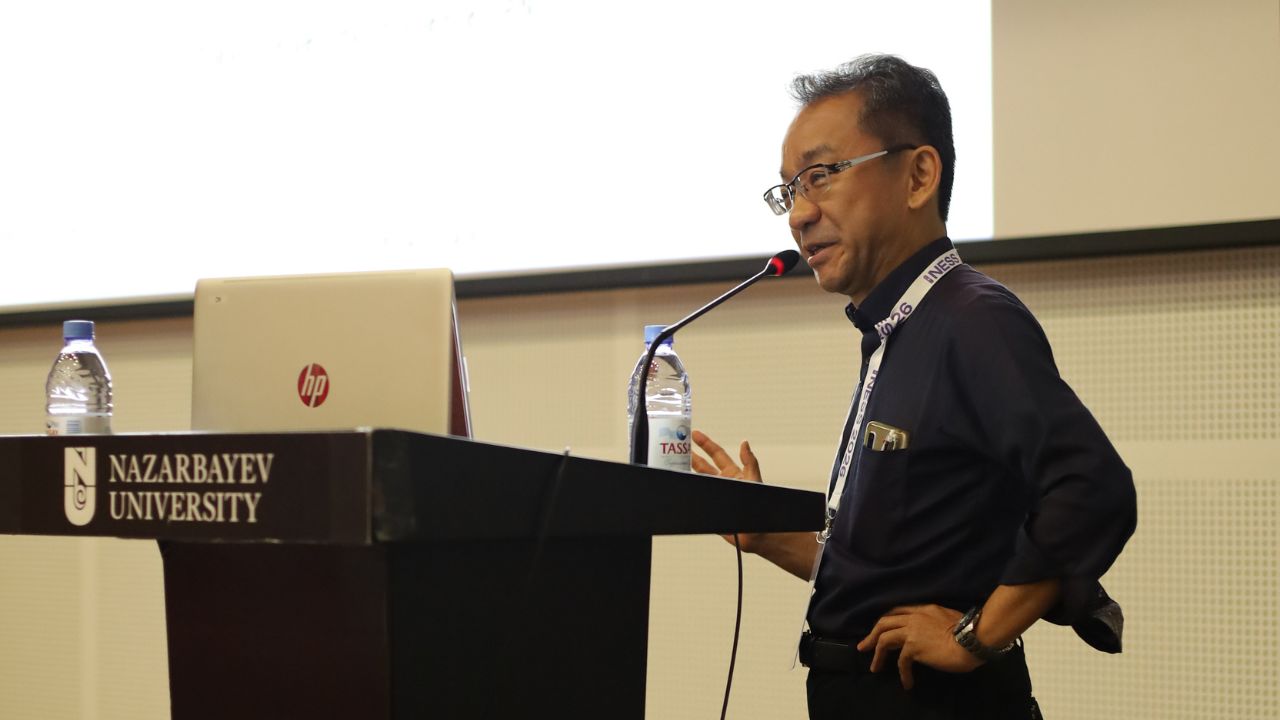
One of the conference's keynote speakers, Professor Shinichi Komaba of the Tokyo University of Science, believes the industry is entering a completely new era.
"Twenty years ago, nearly all research was focused on lithium-ion batteries. Today, researchers are actively developing new battery chemistries because society's energy needs will be very different in the coming decades. Fundamental research in energy storage is therefore more important than ever. Sodium-ion batteries are among the most promising emerging technologies, and many countries, including Kazakhstan, are investing in their development"
Alongside Professor Komaba, the event has brought together some of the most influential figures in battery science, including Professor Jeff Dahn, one of the pioneers of lithium-ion battery research, and Professor Rachid Yazami, the inventor of the graphite anode used in lithium-ion batteries.
AI is changing materials science
Artificial intelligence has become one of the conference's hottest topics.
Instead of relying solely on years of laboratory experiments, researchers are increasingly using AI to predict the properties of new materials, dramatically accelerating the search for safer, lighter and more efficient battery technologies.
The conference also includes a dedicated session focused on turning scientific discoveries into commercial products — an increasingly important challenge as countries compete to build high-tech industries around clean energy.
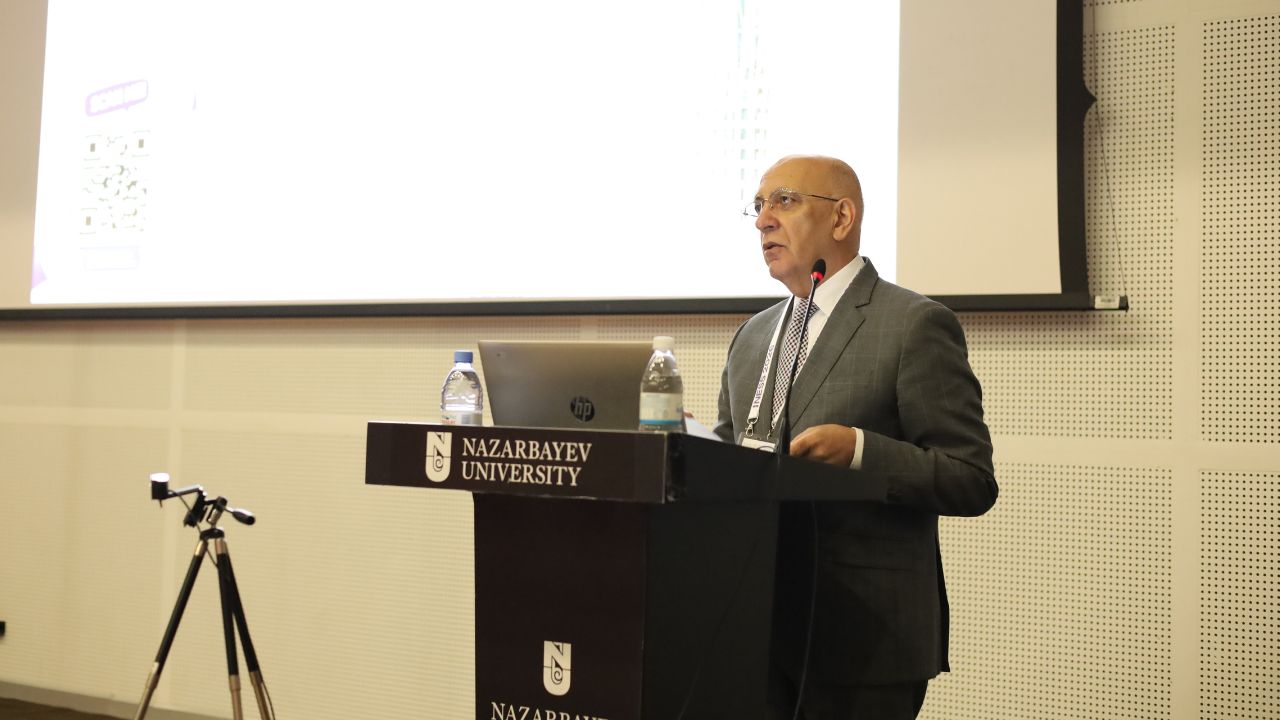
Opening the forum, Nazarbayev University President Professor Waqar Ahmad emphasized the broader significance of international scientific cooperation.
"At Nazarbayev University, we are committed to advancing world-class research, fostering innovation and building both significant and sustainable international partnerships. This particular conference demonstrates this commitment by fostering interdisciplinary collaboration, facilitating knowledge exchange and advancing solutions to some of the most significant scientific and technological challenges of our time"
From the laboratory to real vehicles
One of the conference's biggest stories comes from Nazarbayev University itself.
The university has built two pilot lithium-ion battery production lines, allowing researchers to complete the full manufacturing cycle—from designing battery materials and producing electrodes to assembling battery cells, creating battery modules and testing finished products.
According to Professor Zhumabay Bakenov, Director General of the Institute of New Materials and Energy Technologies (INMET), this work has already moved beyond the research stage.
"Using this infrastructure, we have developed our own lithium-ion battery manufacturing technology and produced the first prototype batteries. Importantly, our research has already moved beyond the laboratory. One of our battery packs has been successfully integrated into an electric vehicle, where it was tested as the vehicle's standard 12-volt battery powering the onboard electronics"
Researchers are now developing specialized battery systems for high-altitude unmanned aerial vehicles, designed to operate in extremely low temperatures while maintaining high energy density and reliability.
The next frontier is space.
NU scientists have also begun creating battery technologies for CubeSat satellites and other small spacecraft, an area expected to grow rapidly as access to space becomes more affordable.
Kazakhstan's growing role in energy innovation
Since its launch in 2013, INESS has evolved into one of Central Asia's leading scientific platforms for advanced materials and energy technologies.
More than just an academic conference, it has become a meeting point where scientists, universities and industry work together on technologies with real commercial potential.
As governments and companies invest billions into cleaner energy, electrified transport and next-generation storage systems, the ideas presented this week in Astana could help shape technologies that power everything from future electric cars to drones—and even satellites orbiting Earth.