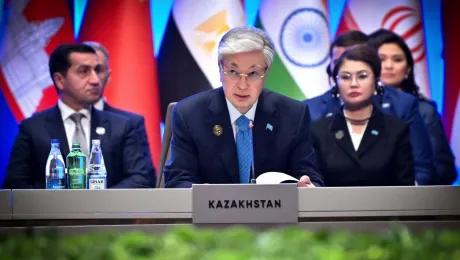

Seoul is ready to deepen heritage cooperation with Astana.
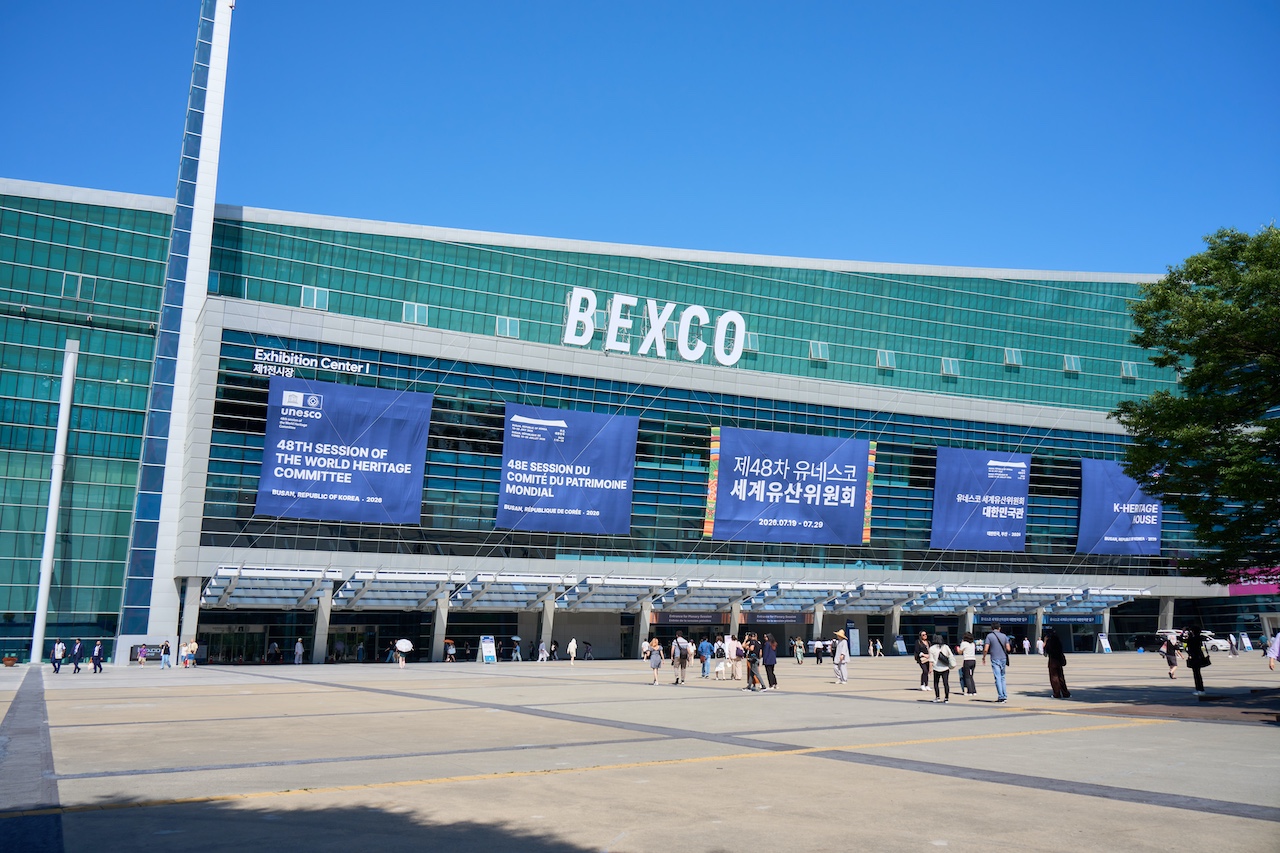
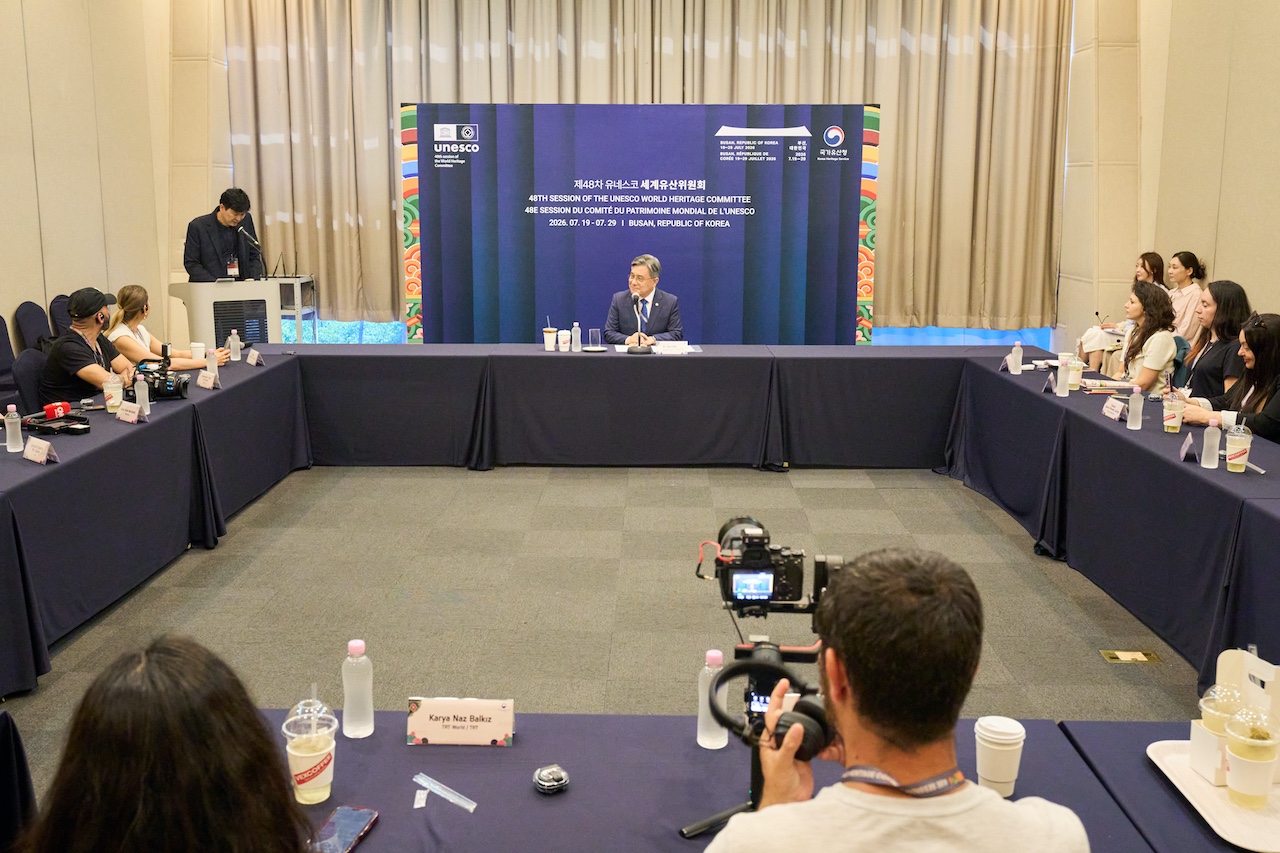
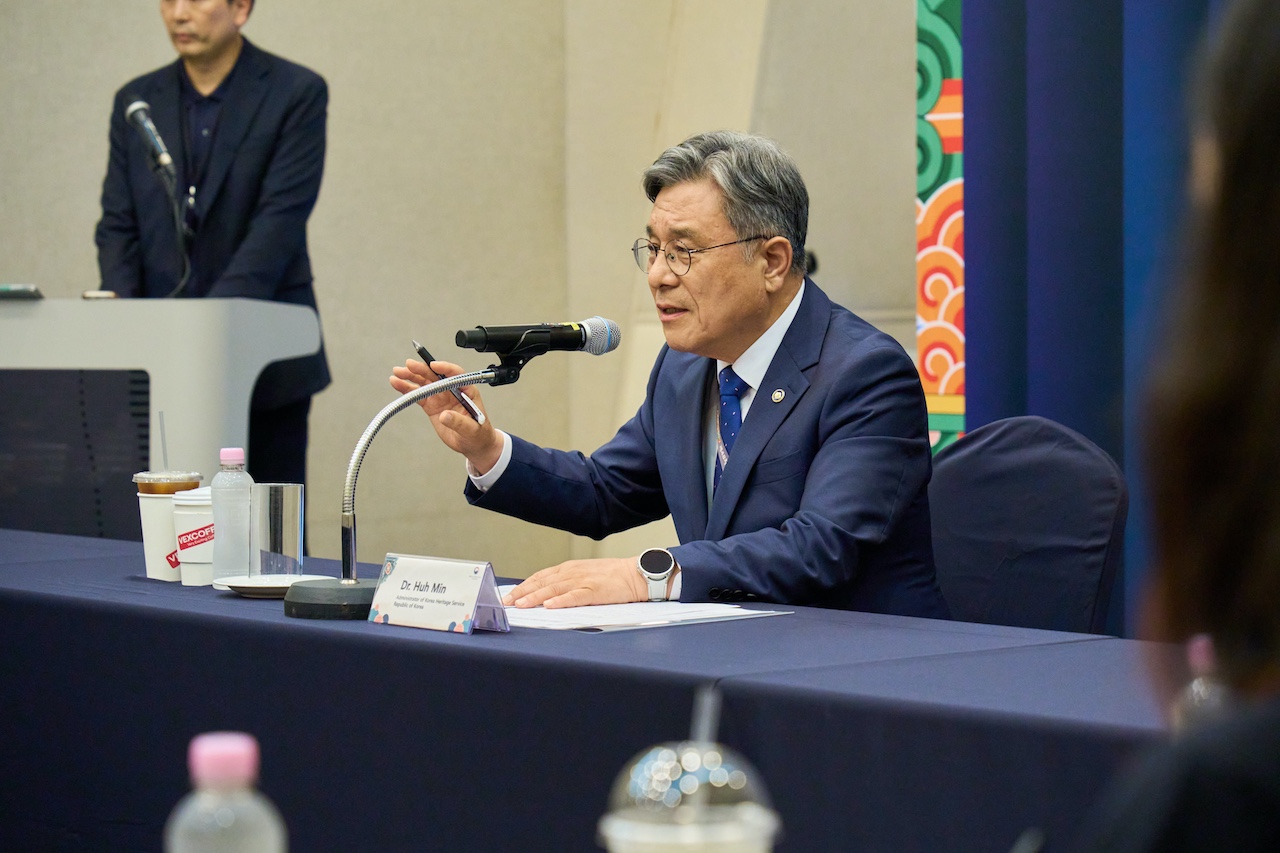
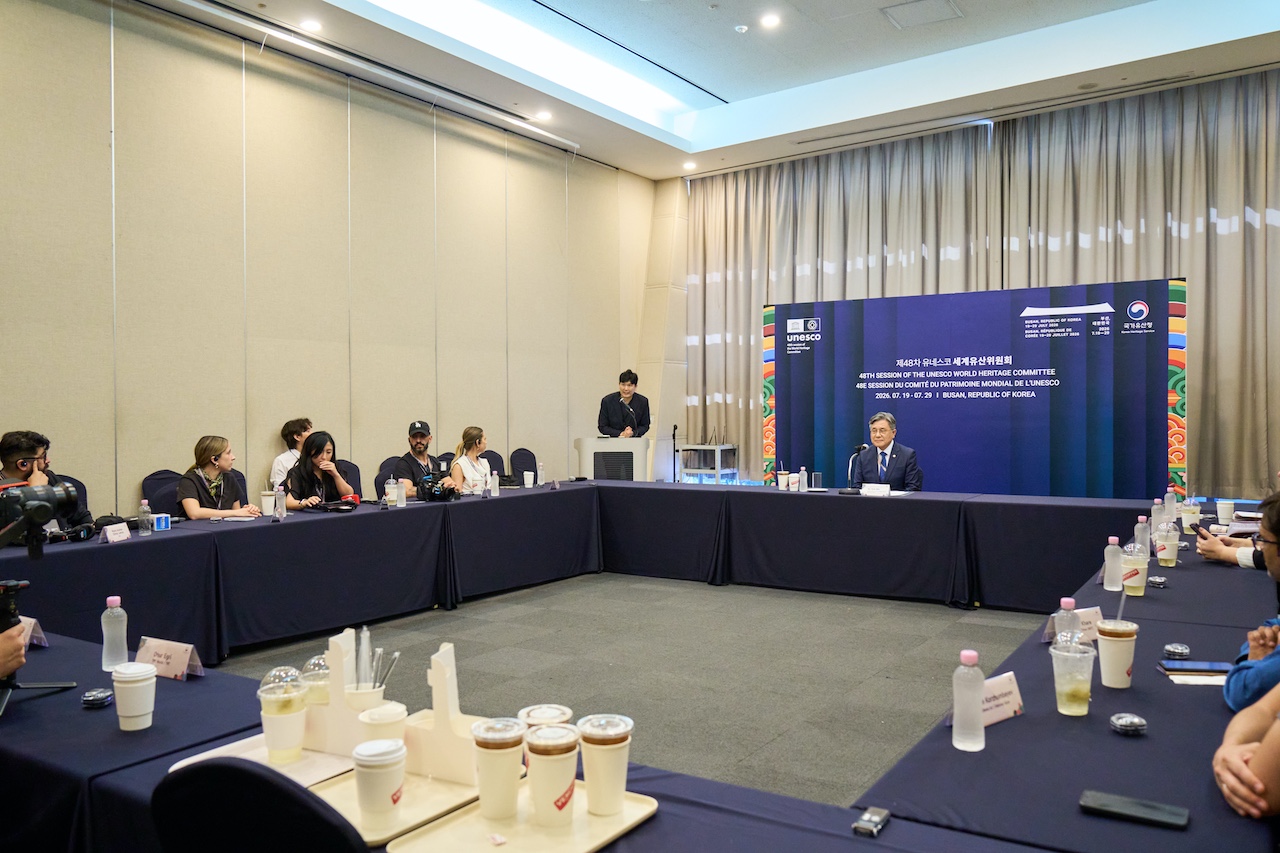
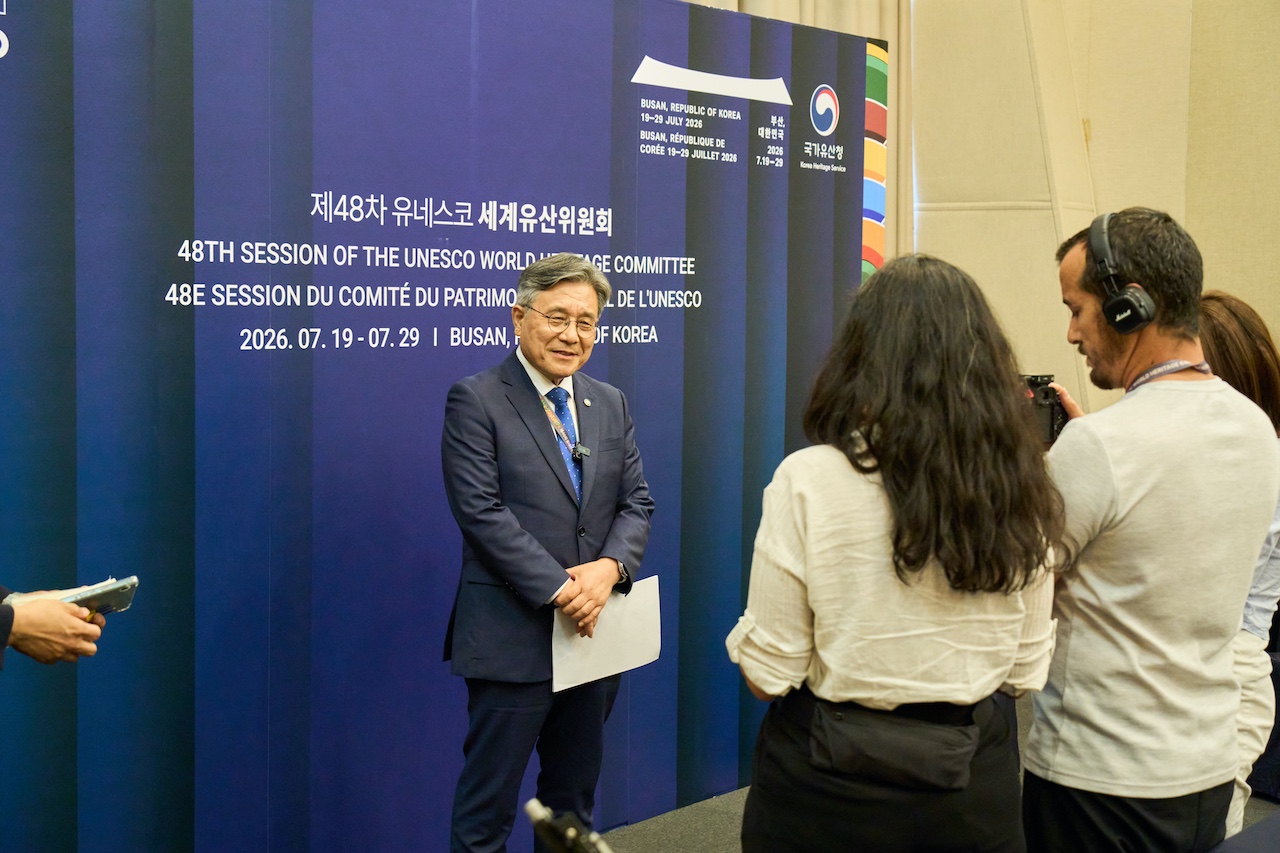
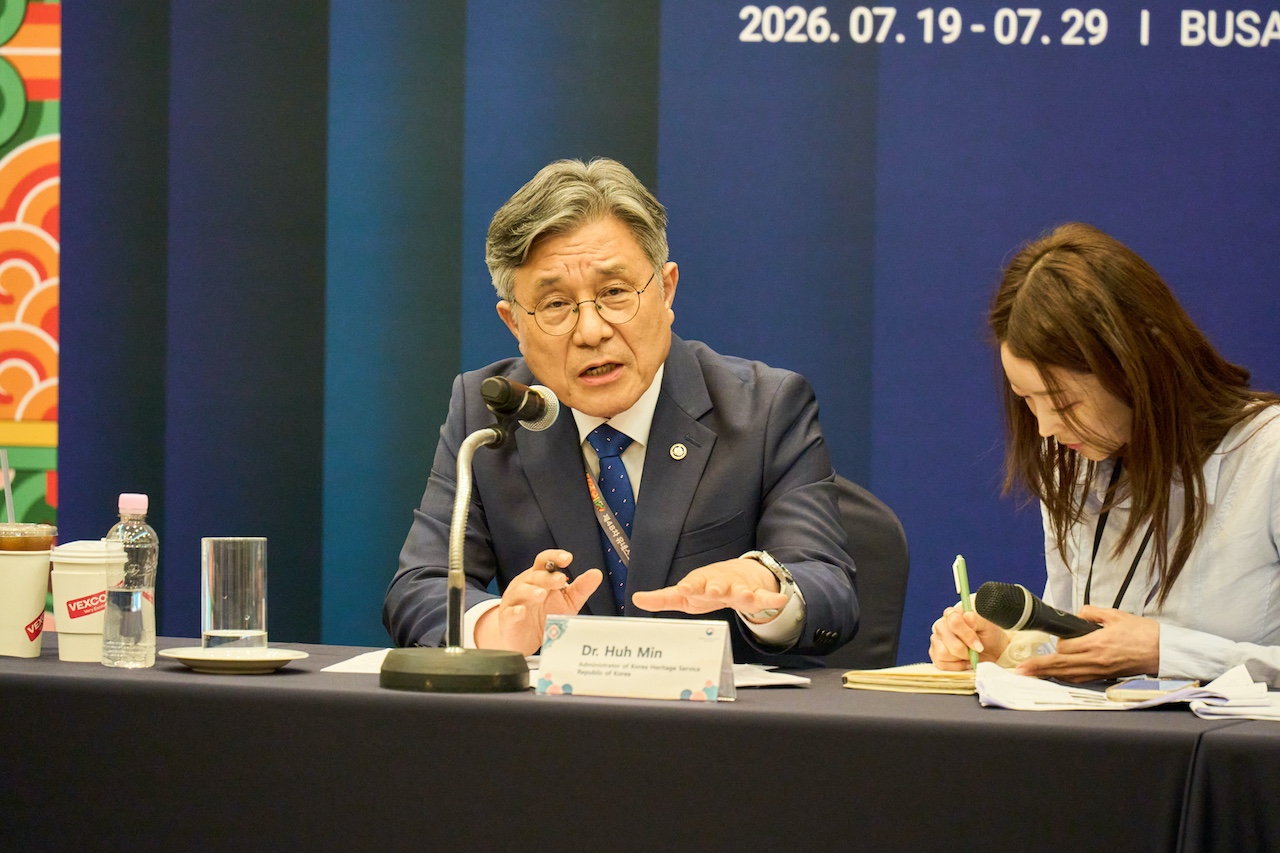
Huh Min, Administrator of the Korea Heritage Service, made the statement during a meeting with international journalists in South Korea. The interview took place during the 48th session of the World Heritage Committee in Busan, DKNews.kz reports.
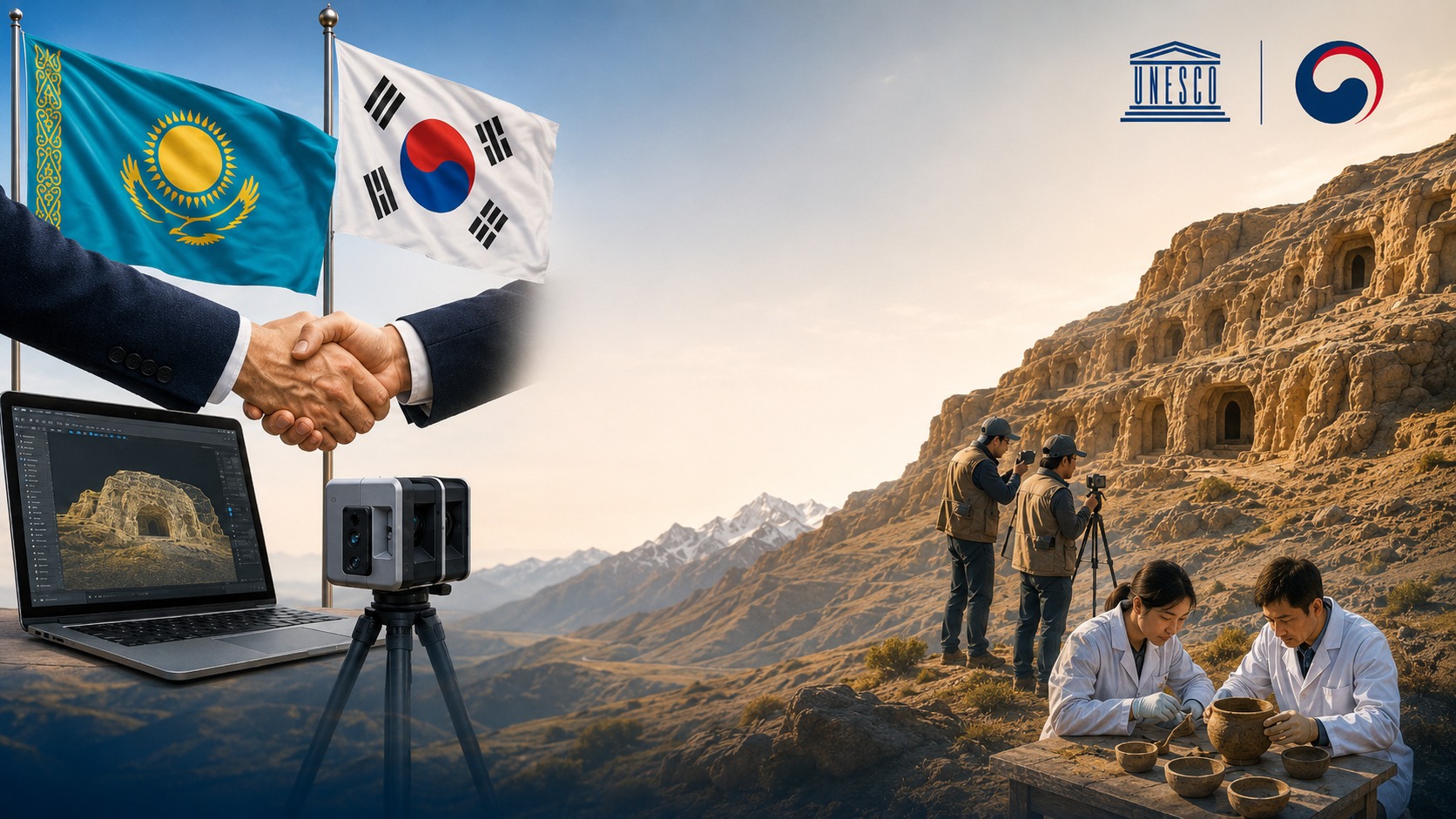
Kazakhstan is looking beyond ceremonial visits. It needs restoration expertise, professional training, digital tools and support in managing sites after UNESCO inscription.
Huh Min confirmed that such cooperation is possible.
From diplomacy to real projects
One question concerned Kazakhstan’s potential participation in Korea’s Official Development Assistance programmes. ODA allows governments to support specific development projects abroad.
“The Korean government is willing to cooperate with the government of Kazakhstan in terms of World Heritage. We are now discussing ten ODA projects and a further agenda.”
Huh Min did not say whether all ten initiatives involve Kazakhstan. His answer signals an opening for negotiations, not a ready-made funding package.
That distinction matters.
Kazakhstan will need more than a general request for heritage assistance. A credible application requires a specific site, budget, responsible agency, local team and measurable outcome.
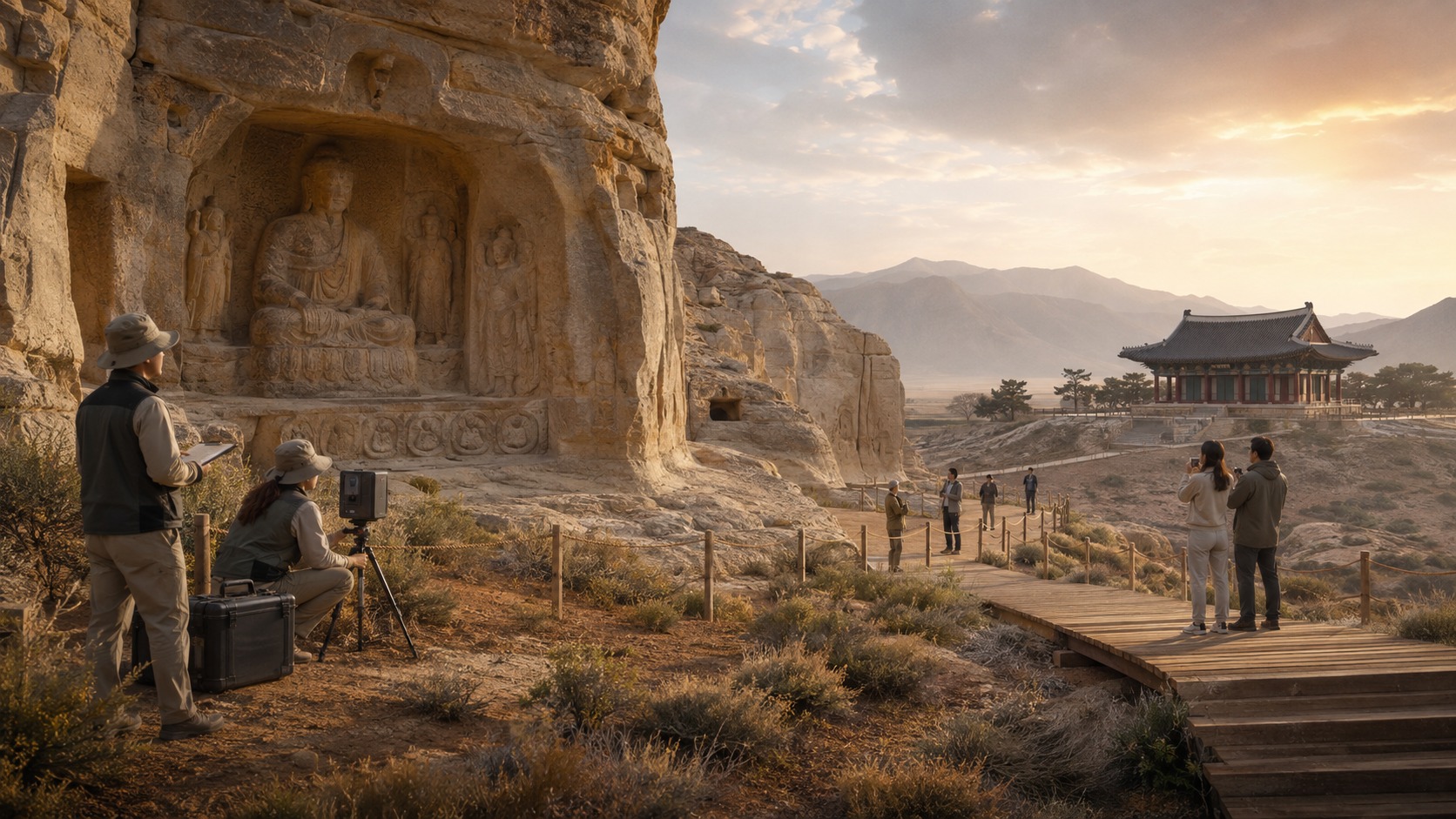
Potential pilot projects could include digital documentation of Mangystau’s sacred sites, professional training for restorers or joint monitoring of the Western Tien-Shan.
Mangystau compared with a Korean grotto
A separate part of the interview focused on Mangystau’s rock-cut mosques and sacred sites. At the time of the conversation, Kazakhstan’s nomination was still on UNESCO’s international agenda.
Huh Min compared Mangystau with Seokguram Grotto, which forms a single Korean World Heritage property with Bulguksa Temple.
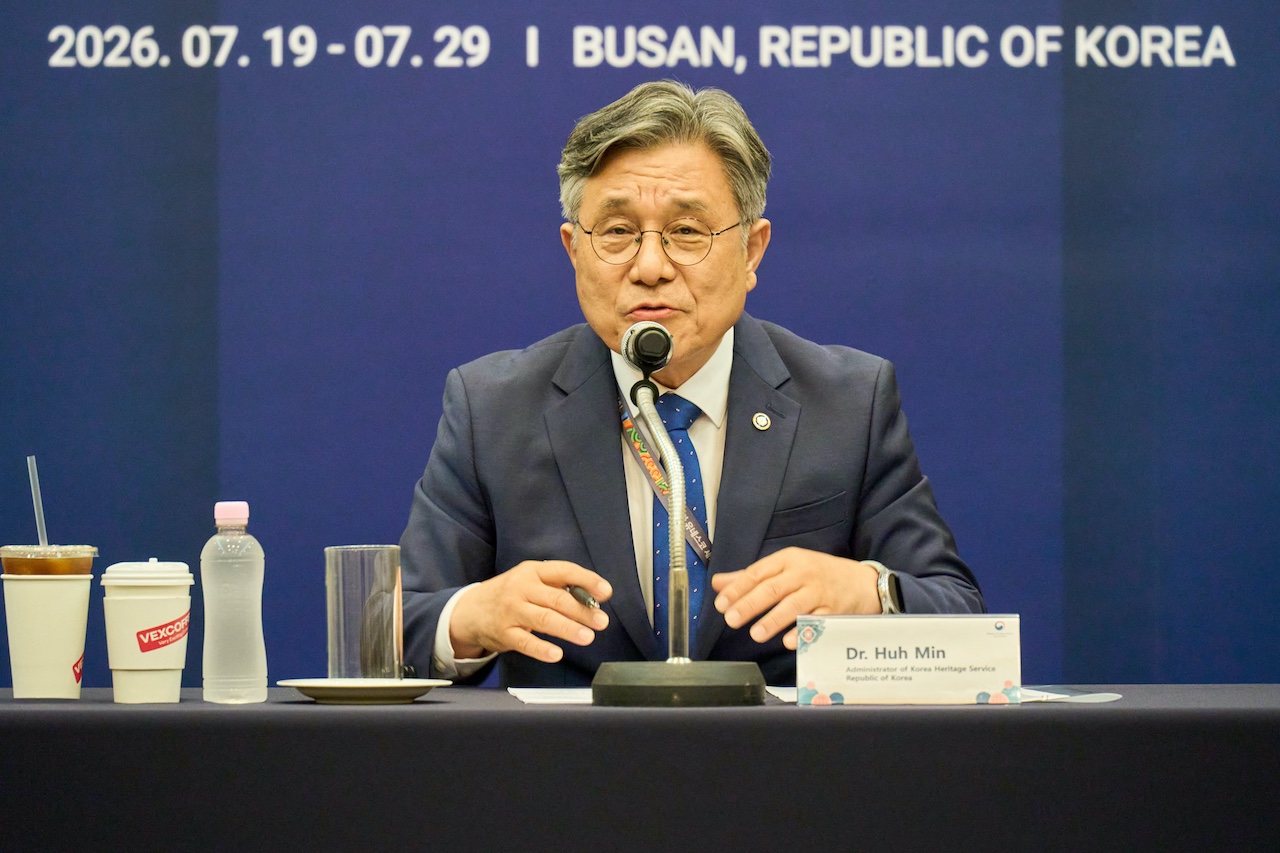
“Mangystau, I think, is very similar to the Seokguram case. The important thing we need to focus on is the surrounding area, to see whether there are any other constructions that can affect the heritage. We also have to look at the height of buildings and whether they can have a negative impact on the heritage.”
Korea’s approach extends beyond the monument itself. The state monitors roads, hotels, building heights, tourism infrastructure and any changes to the historic landscape.
“We enacted the Special World Heritage Act so that we can carry out impact assessments. Through this Act, we consider many factors, including the height of buildings and whether construction can affect the heritage.”
For Mangystau, this experience could prove as valuable as restoration technology.
More visitors will bring revenue to the region. They will also place greater pressure on roads, underground structures, water sources and the surrounding landscape.
Mistakes made during the first years after UNESCO inscription can take decades to repair.
Conservation must come before tourism
Huh Min stated the central principle of Korea’s heritage model in direct terms.
“The most important thing is conservation. Development should be nature-friendly and should harmonise with the surrounding areas. For places that contain religious sites and other heritage assets, conservation should remain the highest priority.”
This does not mean banning tourism.
It means setting limits that cannot be crossed for new car parks, hotels or record visitor numbers. The tourism economy must adapt to the site, not the other way around.
“Harmony is the key priority. Without harmony, it could pose a risk to natural heritage.”
This issue is particularly sensitive for Beket Ata, Shopan Ata and other sacred sites. They are not museum displays but living places of pilgrimage.
Religious communities, custodians and residents of nearby settlements must take part in their management. If officials and tour operators make every decision, UNESCO status could quickly come into conflict with living tradition.
Western Tien-Shan could become the first platform
Kazakhstan can also work with Korea on transboundary heritage. The Western Tien-Shan, jointly managed by Kazakhstan, Kyrgyzstan and Uzbekistan, remains the strongest candidate.
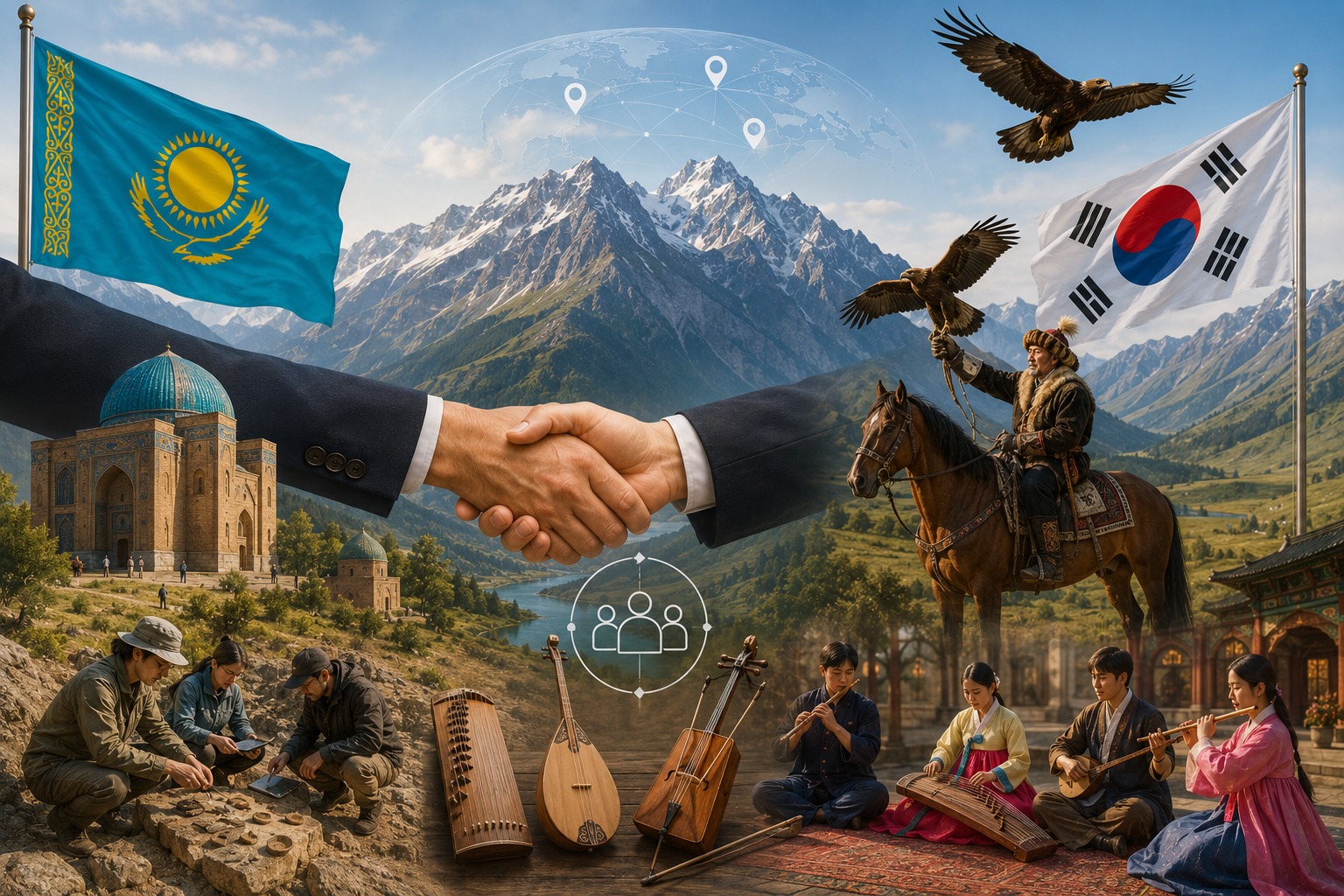
Huh Min did not announce a dedicated support programme for the property. He did, however, identify the areas where Korea is prepared to cooperate: joint research, professional exchanges and work on heritage shared by several countries.
The Korea Heritage Service chief cited falconry as an example. Several countries jointly promote the tradition as a multinational element of intangible cultural heritage.
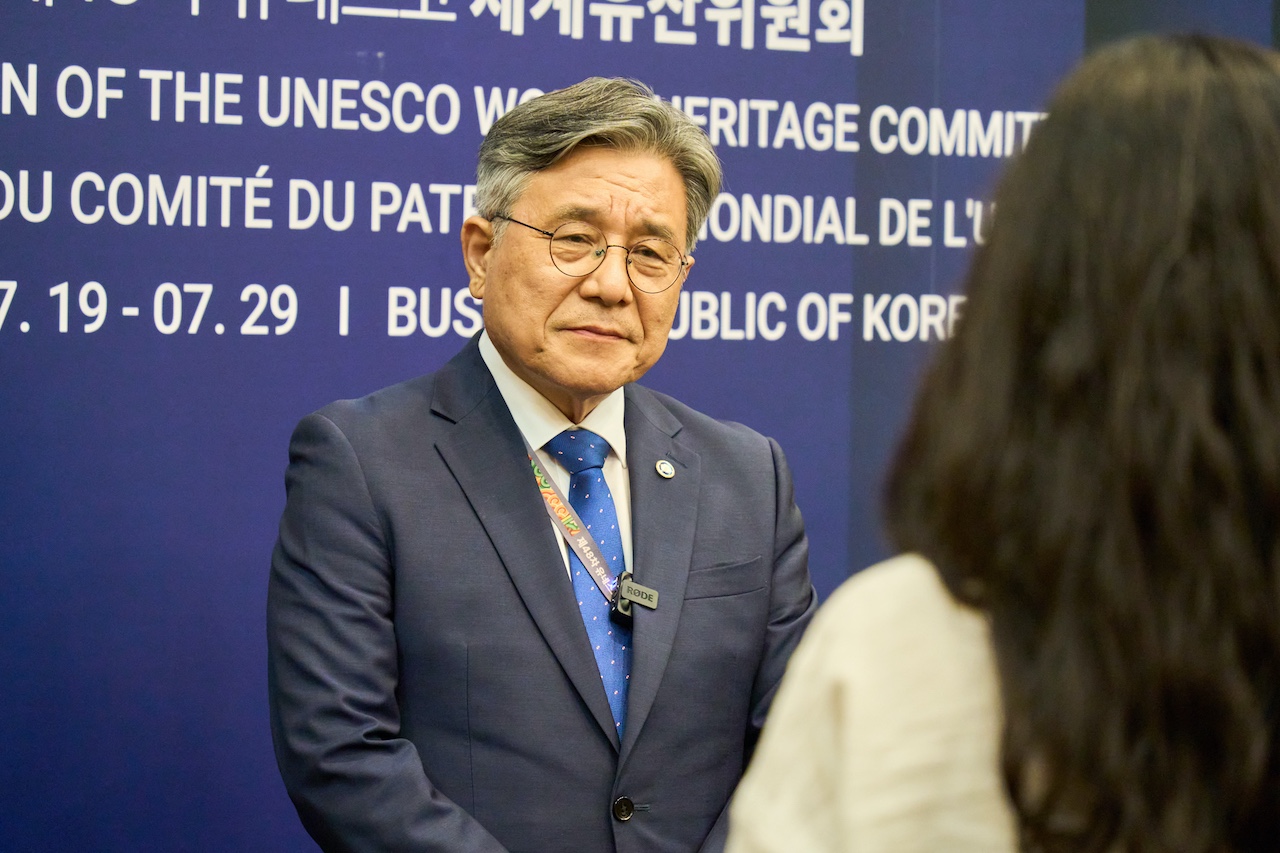
“Heritage can transcend national borders and serve as a bridge connecting different cultures. I believe we can continue to expand this kind of cooperation through joint research and exchanges.”
Huh Min also pointed to traditional musical instruments and performing arts. These areas already provide a foundation for joint programmes between Korea and Central Asian countries.
What the talks do not yet include
The interview recording contains no specific promise to provide Kazakhstan with 3D-scanning equipment, artificial intelligence systems or a ready-made digital platform.
No potential funding amount was announced either.

Astana must now formulate a precise request. The most realistic option would be a single pilot site combining digital documentation, training for a Kazakh team and a long-term monitoring system.
Mangystau’s sacred sites, Tamgaly, Turkistan or part of the Western Tien-Shan could fill that role.
Seoul has sent a clear signal: Korea is ready to discuss cooperation. Kazakhstan must make the next move.