

Almaty discovered another side of Qixi. One of China’s best-known traditional festivals is about much more than romance: it brings together an ancient legend, poetry, music, calligraphy, handicrafts and customs that remain part of Chinese culture today, DKNews.kz reports.
A cultural and educational event dedicated to Qixi Festival was held on August 19 at Alatau Creative Hub. It brought together Almaty residents studying Chinese, as well as people interested in China’s culture and history.
Qixi Is About More Than a Love Story
Chen Xianyun, Consul for Political Affairs at the Consulate General of the People’s Republic of China in Almaty, welcomed the guests.
She said Qixi is widely known internationally as the “Eastern Valentine’s Day” and remains a popular celebration in modern China. Yet its traditions extend well beyond romance.
According to the diplomat, the festival is also associated with the skills of female artisans, diligence in study and the preparation of traditional sweets.
“Events like this help strengthen cultural exchanges between Kazakhstan and China and contribute to the development of friendly relations between the peoples of our two countries,” Chen Xianyun said.
That broader interpretation shaped the Almaty event: visitors were invited not only to watch the program, but also to take part in traditional cultural activities themselves.
From the Cowherd and Weaver Girl to Chinese Poetry
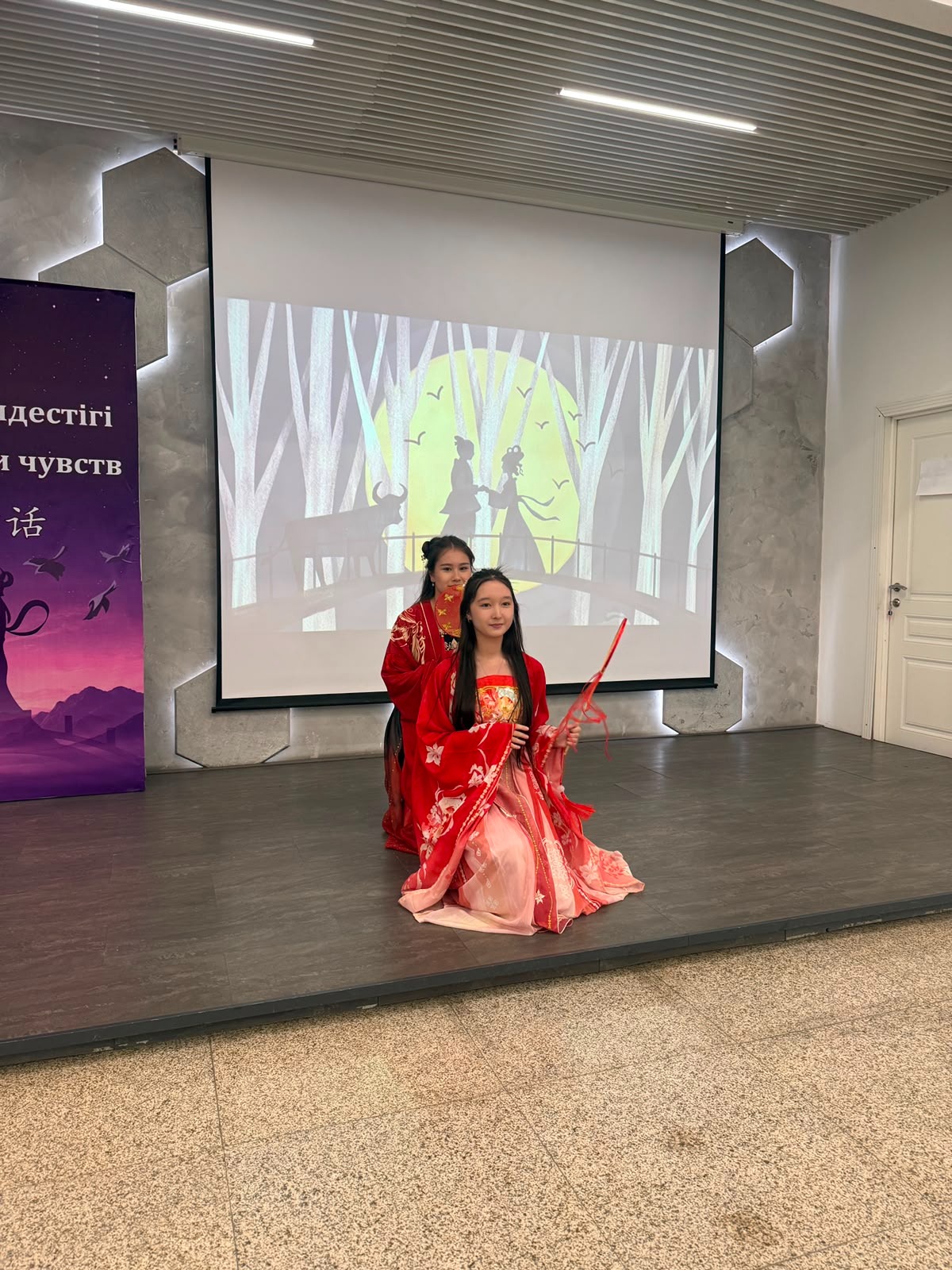
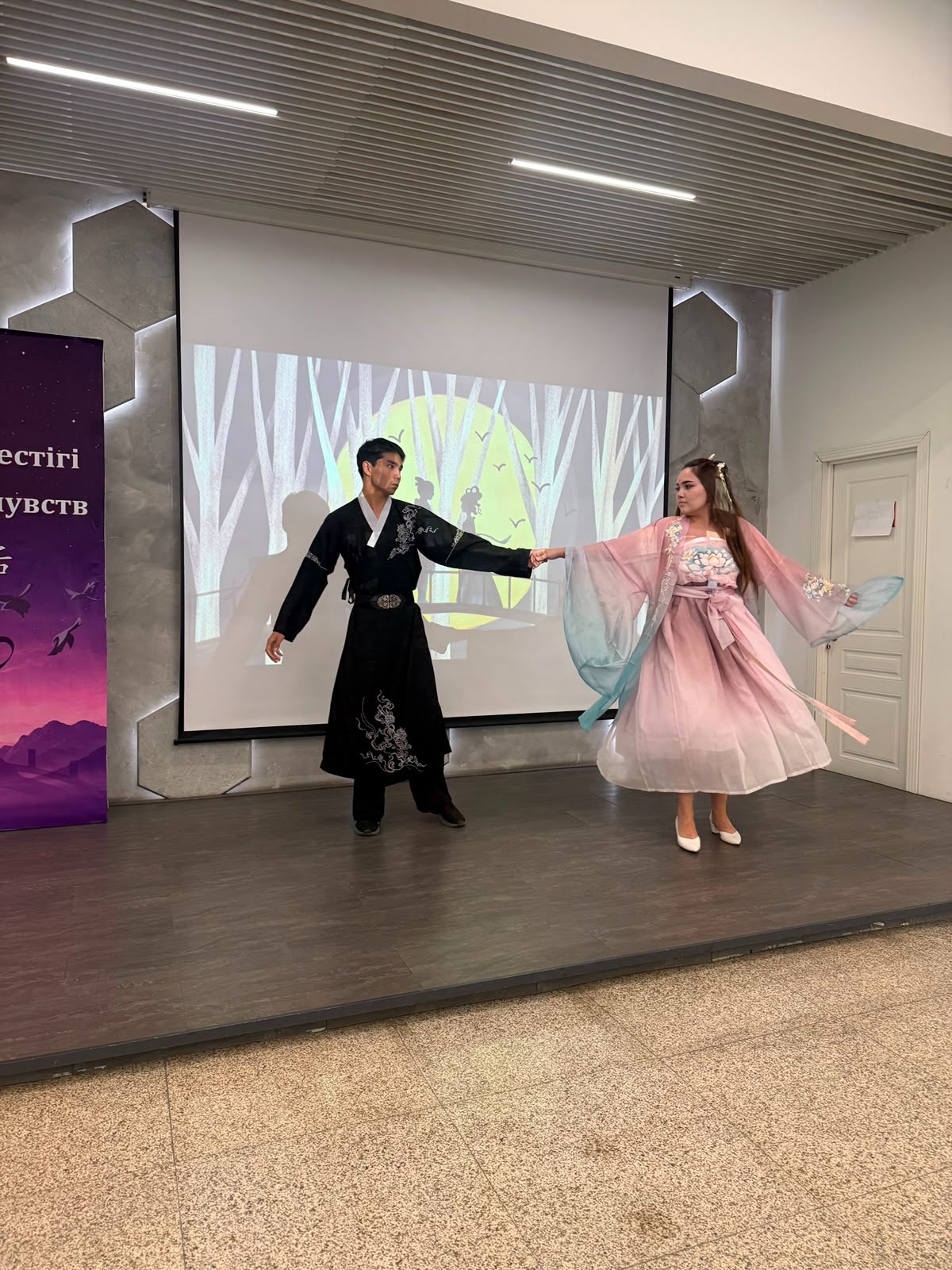
At the heart of Qixi is the ancient legend of the Cowherd and the Weaver Girl. Guests were introduced to the story at the beginning of the cultural program.
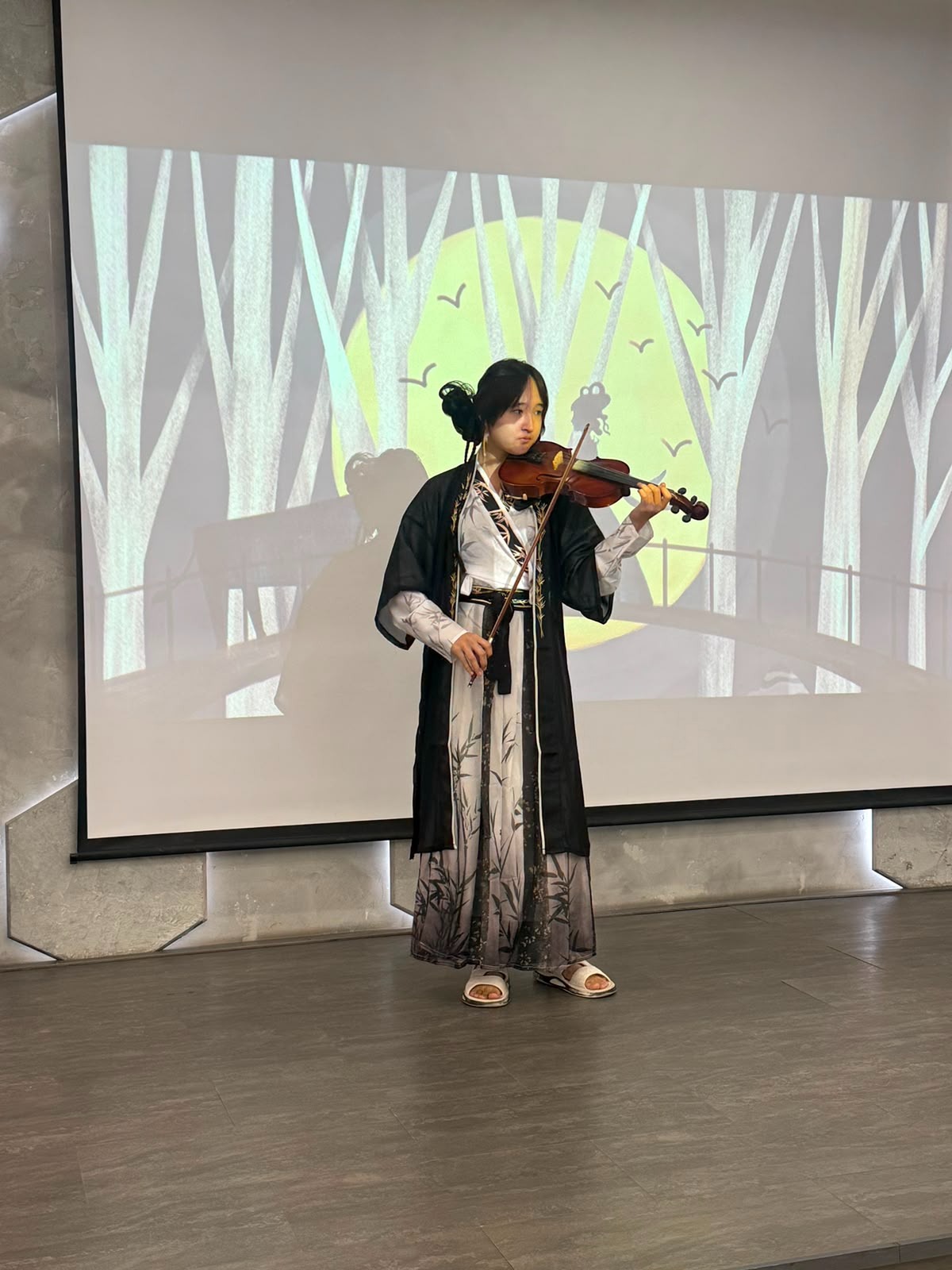
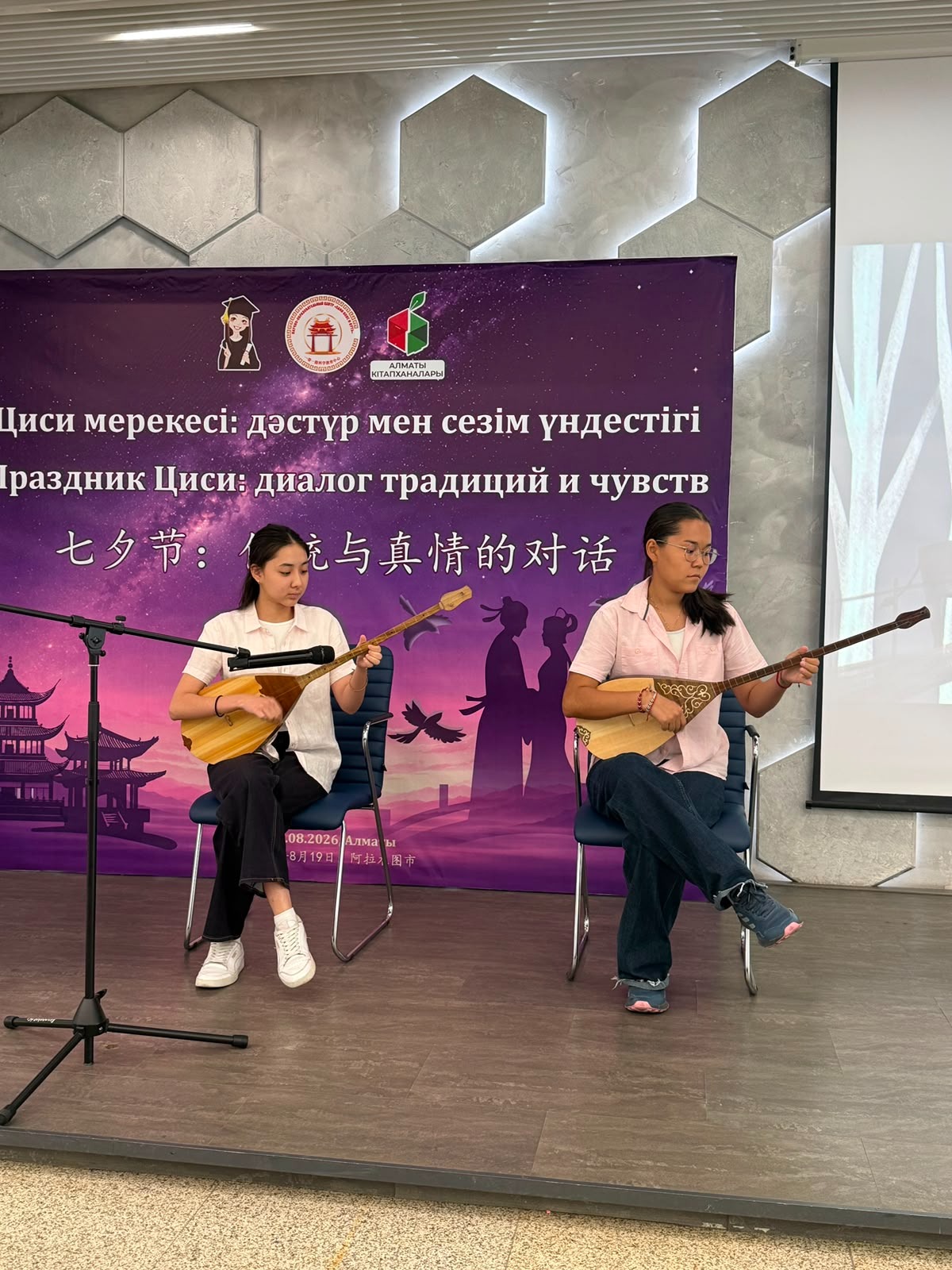
The tradition then moved onto the stage. Students recited Chinese poetry, performed Kazakh and Chinese musical pieces, and presented song and dance performances.
Tatyana Kaukenova, Director of the Laoshi Center, described Qixi as an opportunity to experience Chinese culture in a living, contemporary form.
“It is a wonderful opportunity to experience the living culture of China: to hear an ancient legend and see how tradition continues through poetry, music, dance, calligraphy, tea culture and handicrafts,” Kaukenova said.
For people studying Chinese, such a format adds context to the language itself. Words and expressions learned in class become connected with real cultural references — from poetry and music to clothing and everyday customs.
Hanfu, Calligraphy and Tea Turned Visitors into Participants
The program went beyond stage performances.
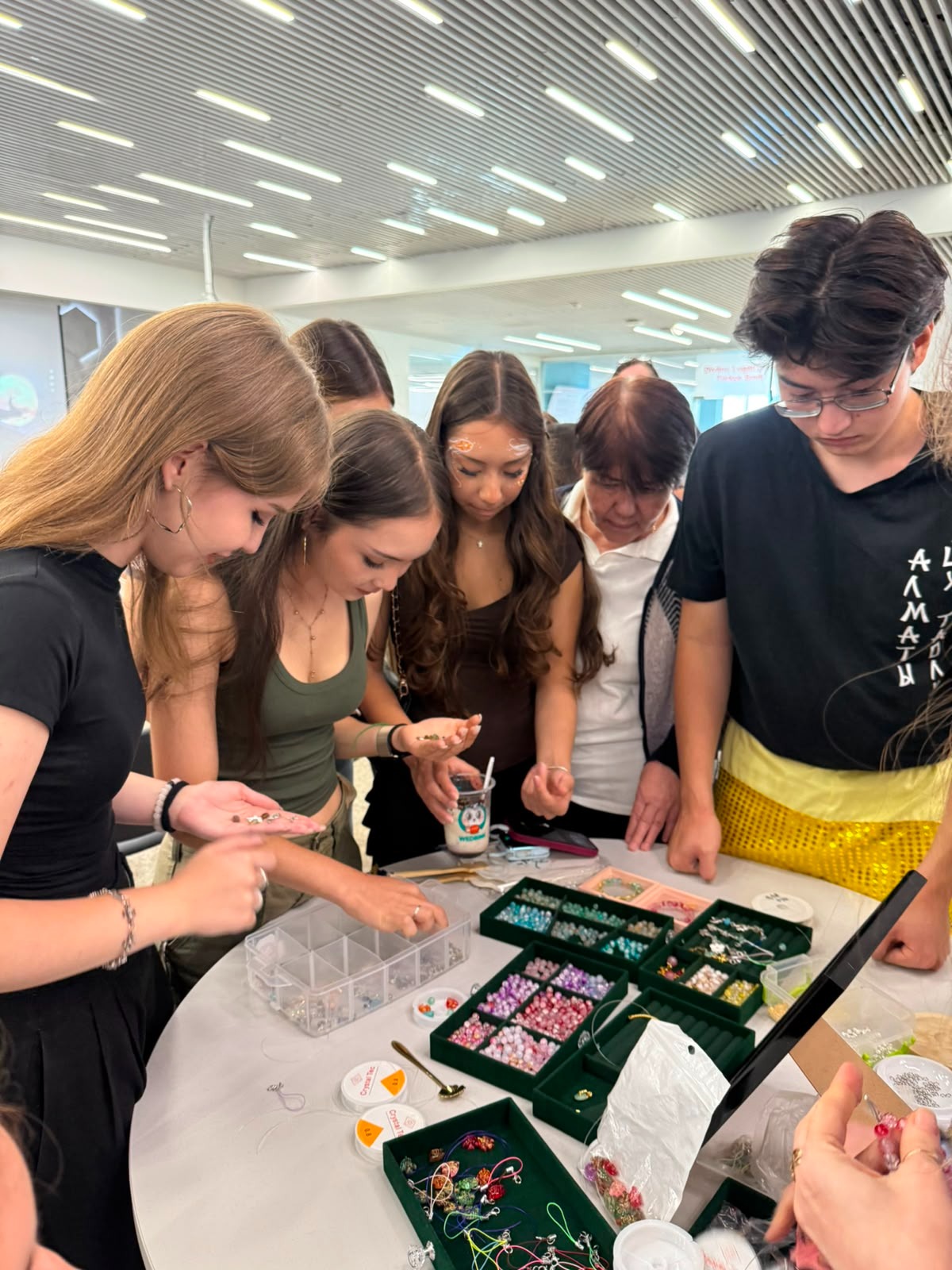
Several interactive zones were set up for guests, including a Chinese tea ceremony, calligraphy, fan painting and jewelry-making workshops.
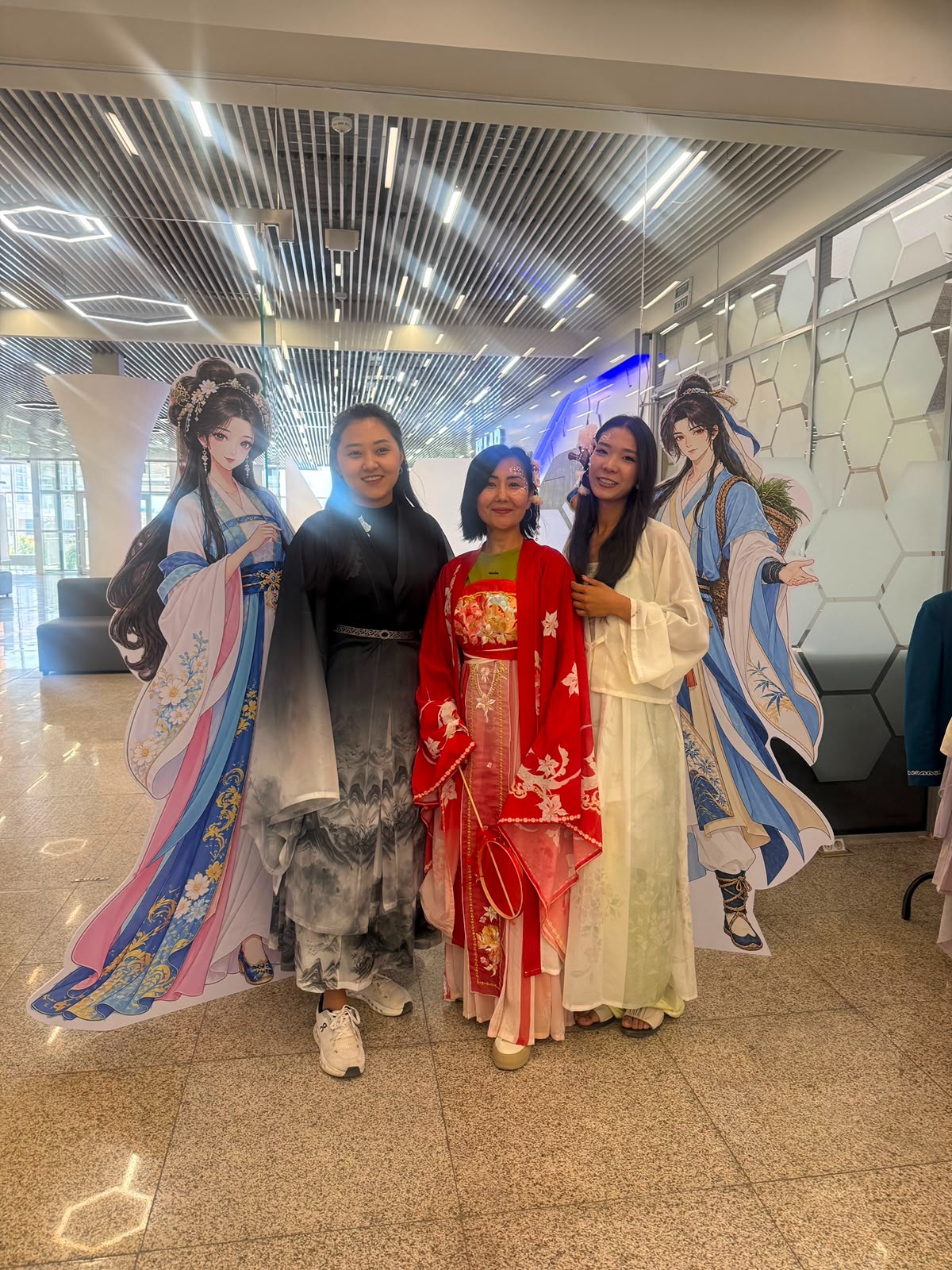
A photo area featuring hanfu, traditional Chinese clothing, proved especially popular. Participants could try on traditional outfits and accessories.
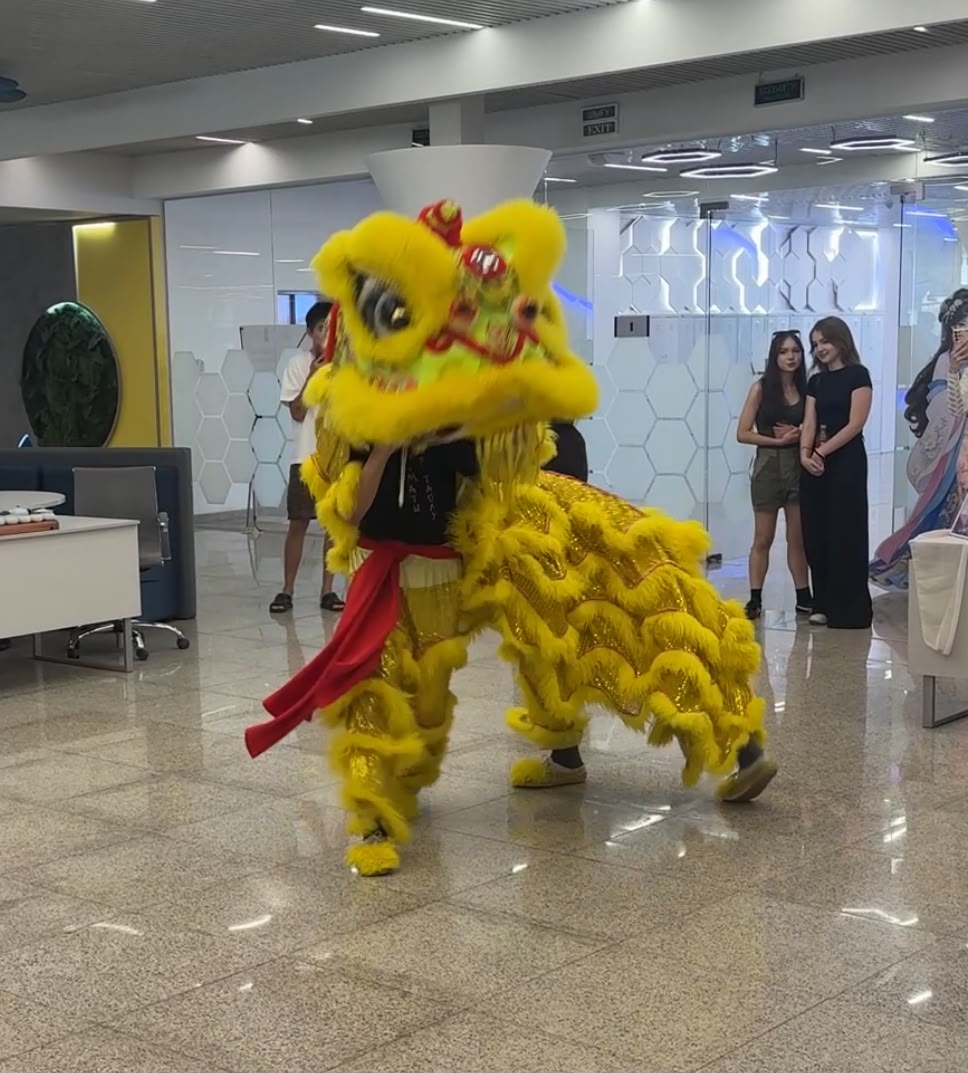
This shifted the event from a lecture-style introduction to a hands-on experience: visitors did not simply hear about the traditions, but could see, touch and take part in them.
Chinese Language Presented Through Culture, Not Just Textbooks
The educational component was one of the central elements of the event.
Through legends, poetry, crafts, music and direct participation, organizers presented Chinese culture as an interconnected tradition rather than a collection of isolated historical facts.
For those studying Chinese, that creates a deeper cultural context for the language. Characters and phrases take on a different meaning when they are connected with real festivals, stories, music and customs.
Saule Babamuratova, Head of the Alatau Creative Hub Library, linked this format directly to cultural ties between Kazakhstan and China.
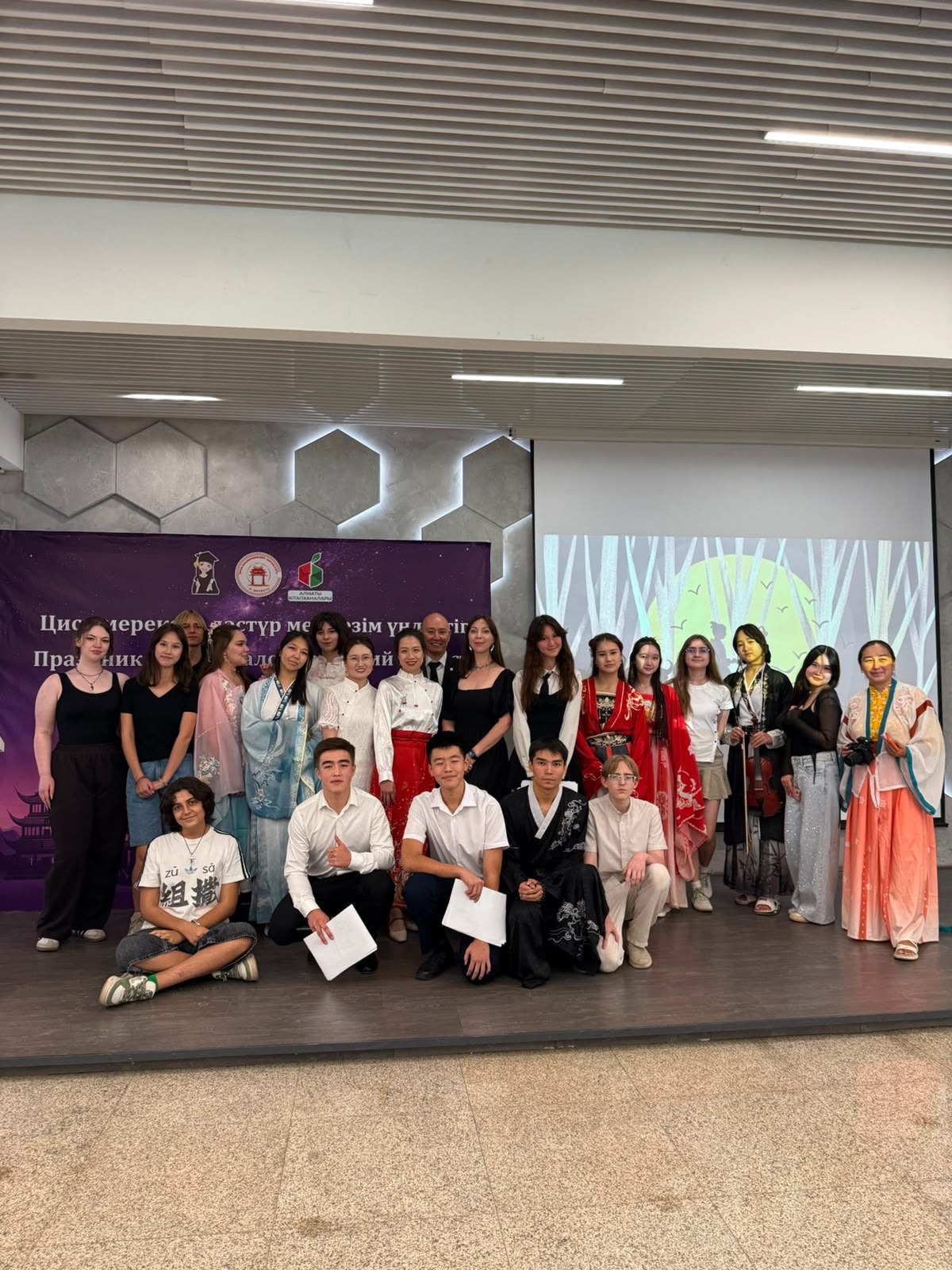
“This event is becoming an important cultural bridge that brings the traditions and cultures of our peoples closer together, promotes mutual understanding and strengthens friendly ties,” Babamuratova said.
Almaty Is Discovering China Through Living Traditions
This type of cultural exchange is becoming increasingly familiar in Almaty. Chinese culture has been presented in the city through language, music, traditional clothing, tea ceremonies, calligraphy and handicrafts.
DKNews.kz previously reported on how International Chinese Language Day was celebrated in Almaty through hanfu, poetry and traditional cultural practices.
Qixi added another dimension to that cultural dialogue. Outside China, the festival is often viewed mainly as a counterpart to Valentine’s Day, but its traditions are much broader. In Almaty, that difference was shown through simple, tangible elements: poetry, tea, fans, calligraphy, hanfu and the ancient story of the Cowherd and the Weaver Girl.