
German business is looking for new projects.
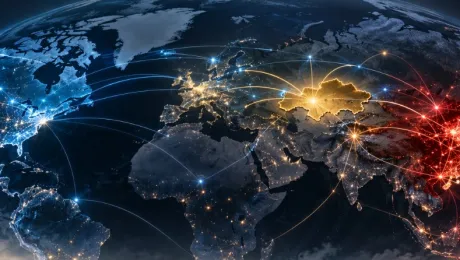
More than 1,100 companies with German capital already operate in Kazakhstan, while the next stage of cooperation is expected to focus on concrete investments, production localisation and technology transfer, DKNews.kz reports.
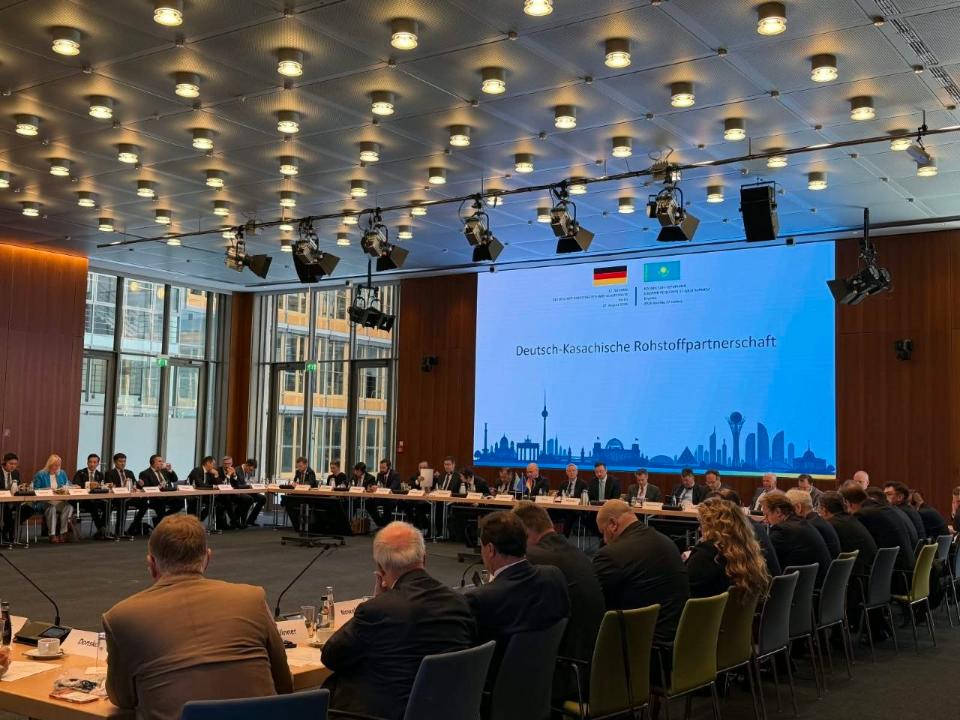
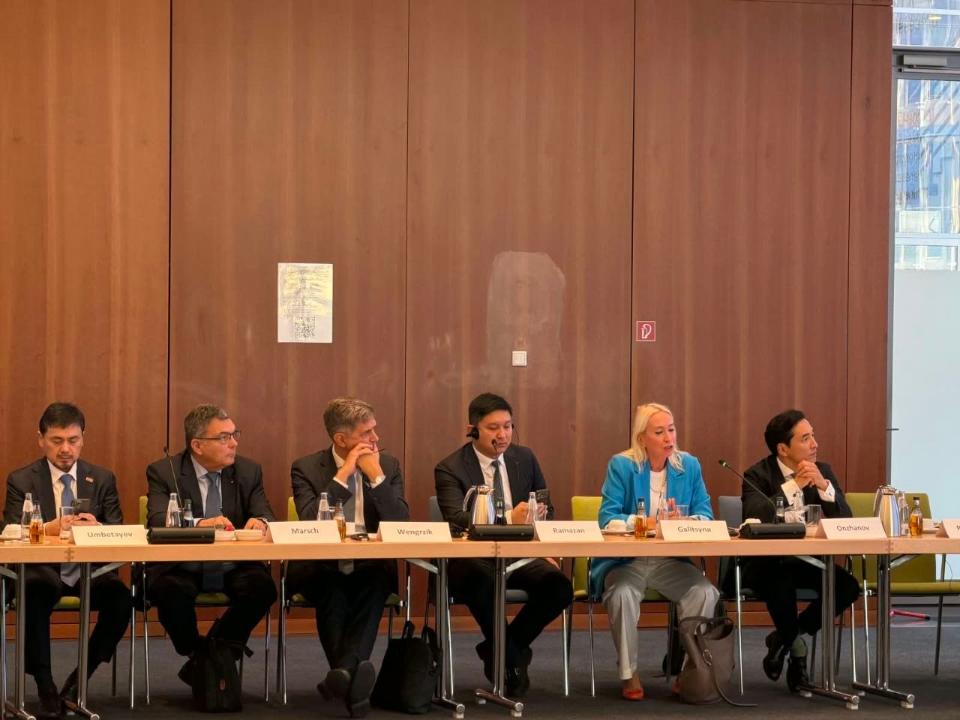
The 17th meeting of the Kazakhstan-German Business Council for Strategic Cooperation was held in Berlin on August 27, bringing together government officials, national companies, industrial groups and financial institutions from both countries.
German participants included Siemens Energy, CLAAS KGaA, WILO, KNAUF, HMS Bergbau, Koch Solutions, Aurubis AG, Deutsche Bahn, KfW Bankengruppe and Deutsche Bank.
Kazakhstan Wants to Move From Business Contacts to Production
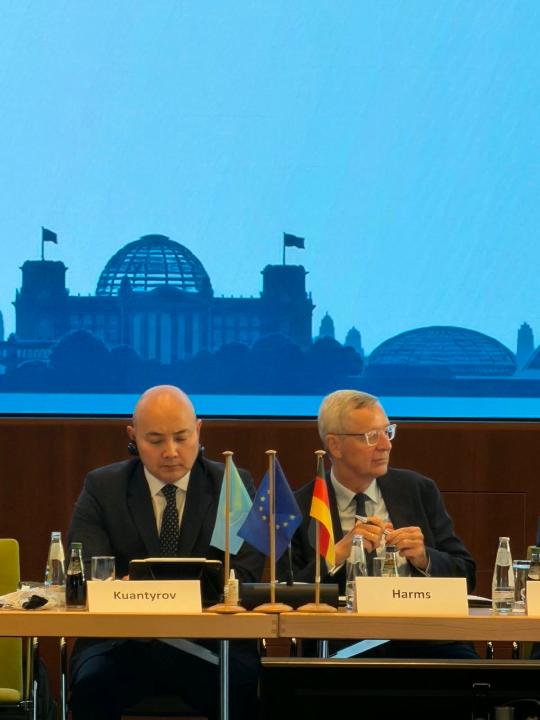
Deputy Foreign Minister of Kazakhstan Alibek Kuantyrov outlined the central message of the Berlin talks: established business contacts should now translate into concrete long-term projects.
The agenda went beyond attracting capital. Production localisation, technology transfer and deeper industrial cooperation were among the main issues discussed.
Potential areas include:
- industry;
- energy;
- mechanical engineering;
- transport infrastructure;
- green technologies;
- processing of raw materials and critical materials.
For Kazakhstan, localisation could have a broader economic impact than simply increasing imports of German equipment. Bringing production processes into the country can help develop local industrial capacity and integrate Kazakh companies into more sophisticated supply chains.
This approach has already featured prominently in bilateral talks. Earlier discussions between Kazakhstan and Germany focused on expanding industrial cooperation and gradually localising German production in the country.
More Than 1,100 German-Backed Companies Operate in Kazakhstan
German companies are not entering an unfamiliar market.
Michael Harms, Co-Chair of the Business Council and Executive Director of the German Eastern Business Association, said Kazakhstan is taking an increasingly important place in German business strategy in Central Asia.
More than 1,100 companies with German capital participation currently operate in Kazakhstan.
According to Harms, German businesses are interested in expanding their presence across industry, energy, transport and logistics, mechanical engineering, raw material processing, critical materials and modern technologies.
The number of companies already operating in the country gives the two sides a substantial base from which to move towards larger industrial and investment projects.
Financing Could Determine Which Projects Move Forward
One of the most practical parts of the Berlin meeting focused on money.
German businesses were presented with financial instruments available through Baiterek National Holding to support investment projects in Kazakhstan.
Discussions covered government support measures, financing mechanisms and opportunities to attract long-term funding for projects involving German investors.
This component will be critical if the two countries want to move from proposals to factories and infrastructure projects. Technology and investor interest alone are not enough: large industrial ventures require predictable long-term financing and a workable investment structure.
The Middle Corridor Is Becoming Part of the Investment Agenda
Transport and logistics were another major focus.
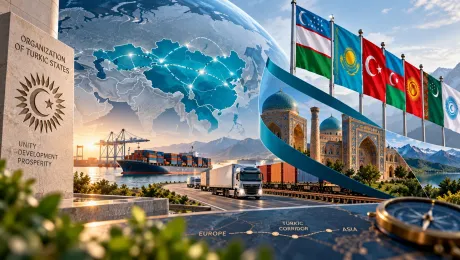
The parties discussed cooperation around the Trans-Caspian International Transport Route, or TITR, better known as the Middle Corridor.
For Kazakhstan, the route is closely connected to its industrial ambitions. If German companies establish or expand production and raw-material processing in Kazakhstan, access to European markets becomes an important part of the investment equation.
That puts manufacturing, logistics and investment into the same economic chain.
The more efficiently Kazakhstan can move locally produced and processed goods towards Europe, the more attractive the country can become as a production base between Asian and European markets.
Alatau City Was Presented to German Investors
The investment potential of Alatau City was also presented during the Berlin meeting.
The project was introduced alongside opportunities in industry, energy, transport and technology.
However, the material does not indicate that German companies have made specific investment commitments to Alatau City or signed agreements on individual projects.
At this stage, Alatau City should therefore be viewed as an investment opportunity presented to German business rather than a confirmed German investment project.
Siemens Energy, Deutsche Bahn and Banks Joined the Same Dialogue
The range of companies represented in Berlin provides another indication of the type of cooperation Kazakhstan is seeking.
Industrial and technology companies were joined by Deutsche Bahn from the transport sector and major financial institutions such as KfW Bankengruppe and Deutsche Bank.
This creates room to discuss more than individual equipment supplies.
A potential industrial project may require technology, a production site, logistics infrastructure and long-term financing. Bringing companies from all these sectors into one business dialogue could make it easier to build projects around the entire investment cycle.
Talks Continued at Government and Business Level
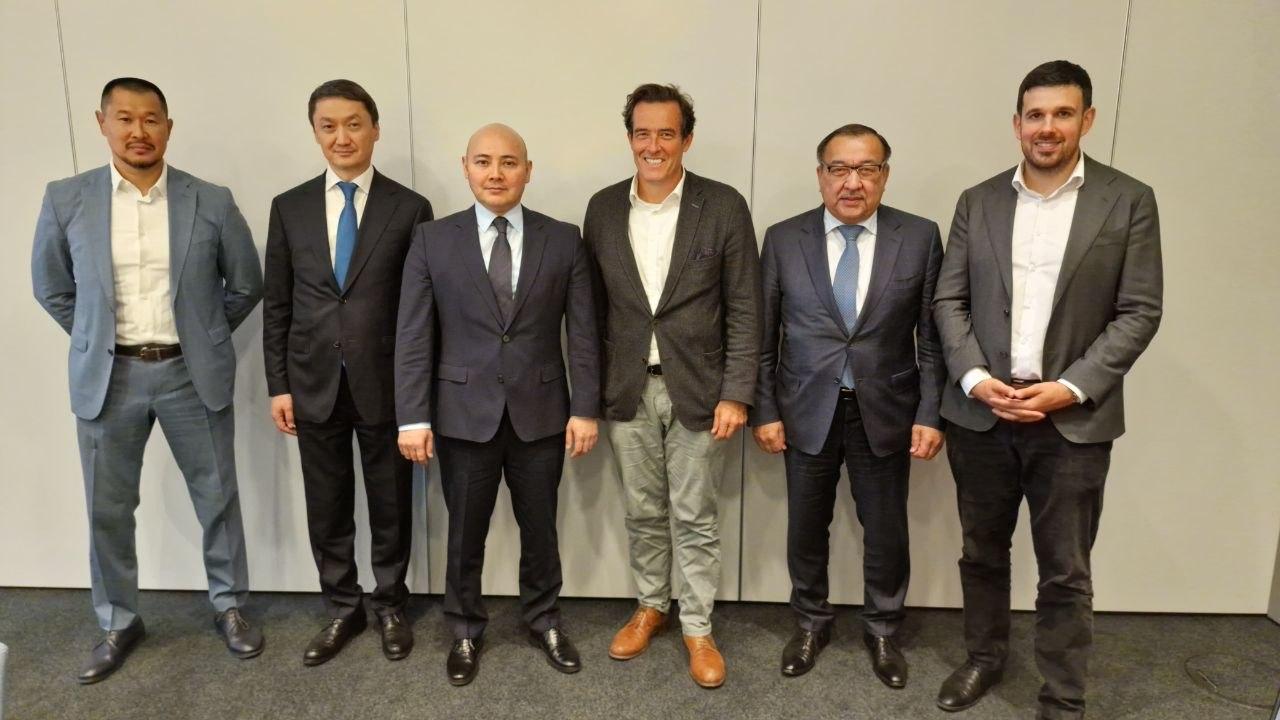
During the visit, Alibek Kuantyrov also held bilateral meetings with representatives of the German government and major business associations.
He met German State Minister for Europe Günter Krichbaum and Benjamin von Engelhardt, the Federal Chancellery's representative for international economic policy.
Talks were also held with Volker Treier, Member of the Executive Board of the Association of German Chambers of Industry and Commerce; Wolfgang Niedermark, Member of the Executive Board of the Federation of German Industries; and Michael Harms of the German Eastern Business Association.
The discussions covered institutional support for joint initiatives, intergovernmental cooperation mechanisms and further steps in bilateral economic relations.
The key measure of success after the Berlin talks will now be how many of these initiatives acquire concrete parameters — an investment amount, production site, financing structure and implementation timetable.
Earlier, we reported on Germany's plans to expand investment and localise new production in Kazakhstan. At that stage, the two countries were already working on 23 joint investment projects, showing that the current Berlin negotiations are building on an existing industrial pipeline.