

AI is moving beyond the demo stage. At DELF 2026 in Hong Kong, the technology is being applied to film, animation, fashion, robotics and smart living — while an ecosystem of partnerships, talent and computing infrastructure is being built around it, DKNews.kz reports.
The Digital Entertainment Leadership Forum 2026 opened at Cyberport on August 28. The three-day event is being held under the theme The Dreamatic Circus and runs through August 30, featuring more than 35 technology exhibits and interactive projects. More details are available through Cyberport’s official event materials.
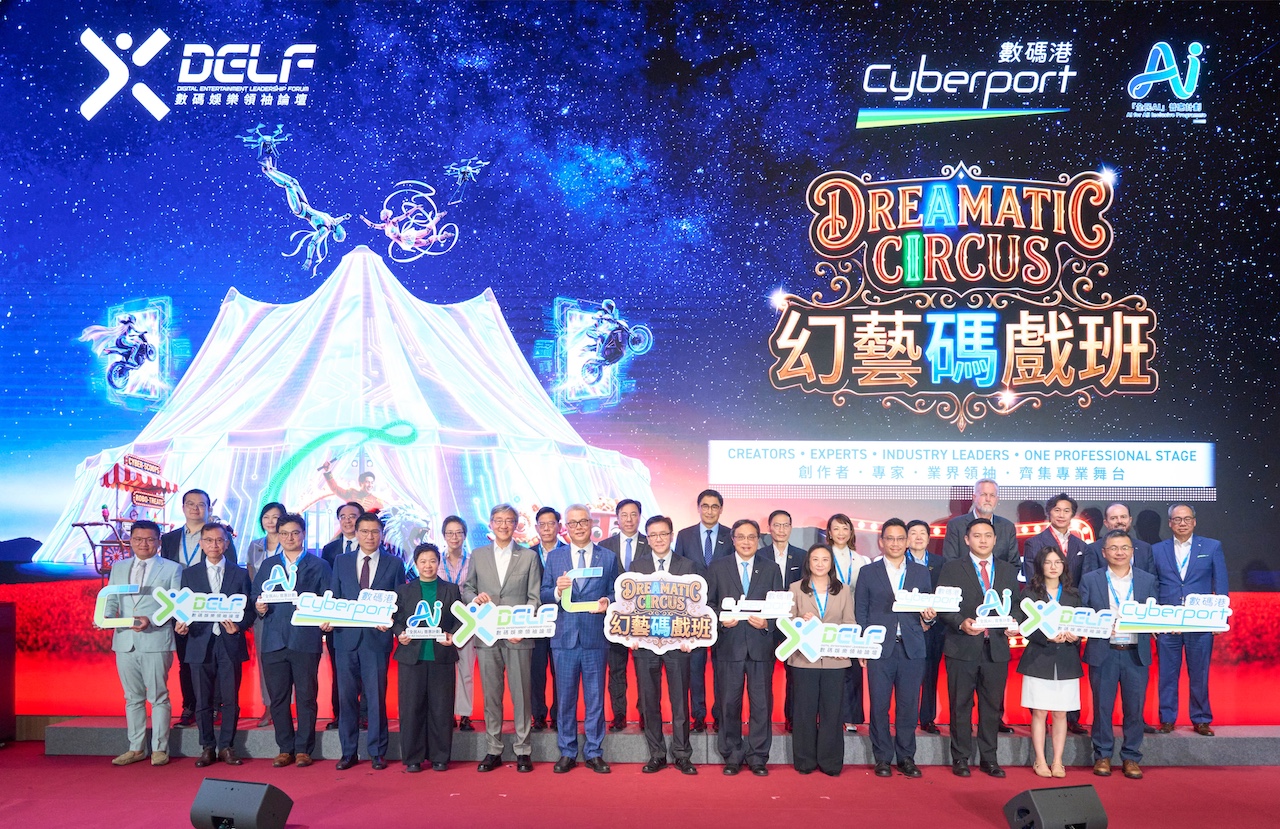
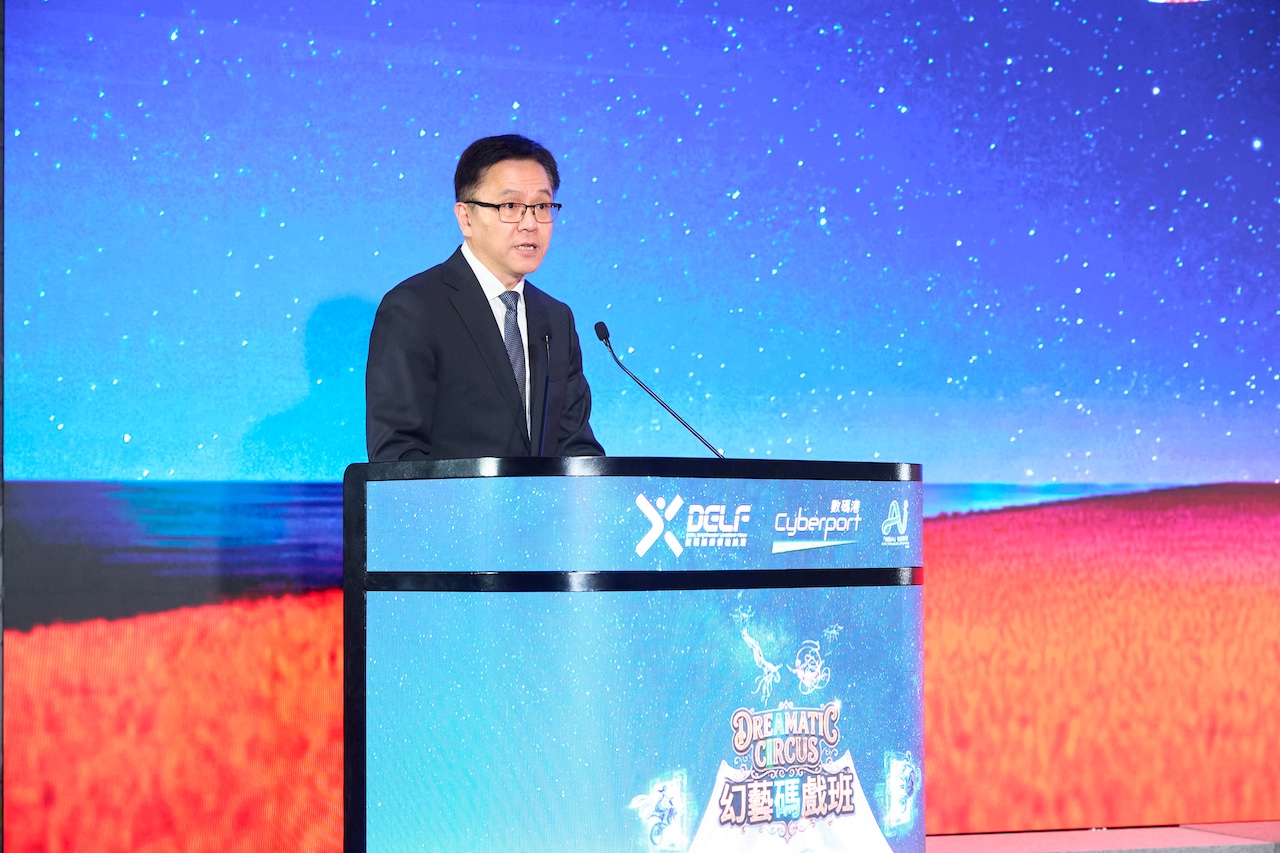
The opening ceremony was officiated by Professor Sun Dong, Secretary for Innovation, Technology and Industry, and Simon Chan, Chairman of Cyberport. Cyberport published details in its official press materials, while the Hong Kong government separately released Sun Dong’s remarks at the opening of DELF 2026.
More than 35 technologies show where AI is already being used
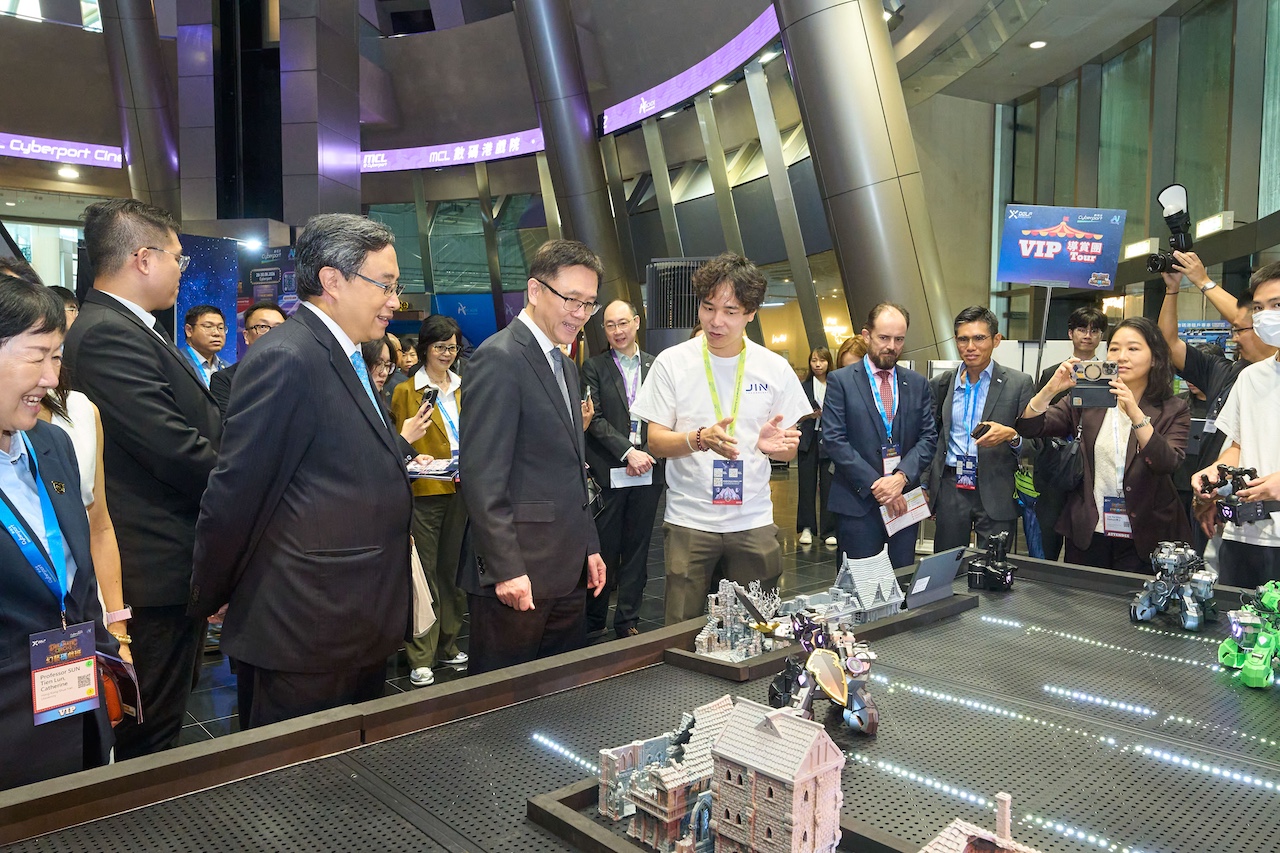
Organizers divided DELF 2026 into four major areas: Digital Entertainment, Culture and Arts, Smart Living and Business, and Robotics and Drones.
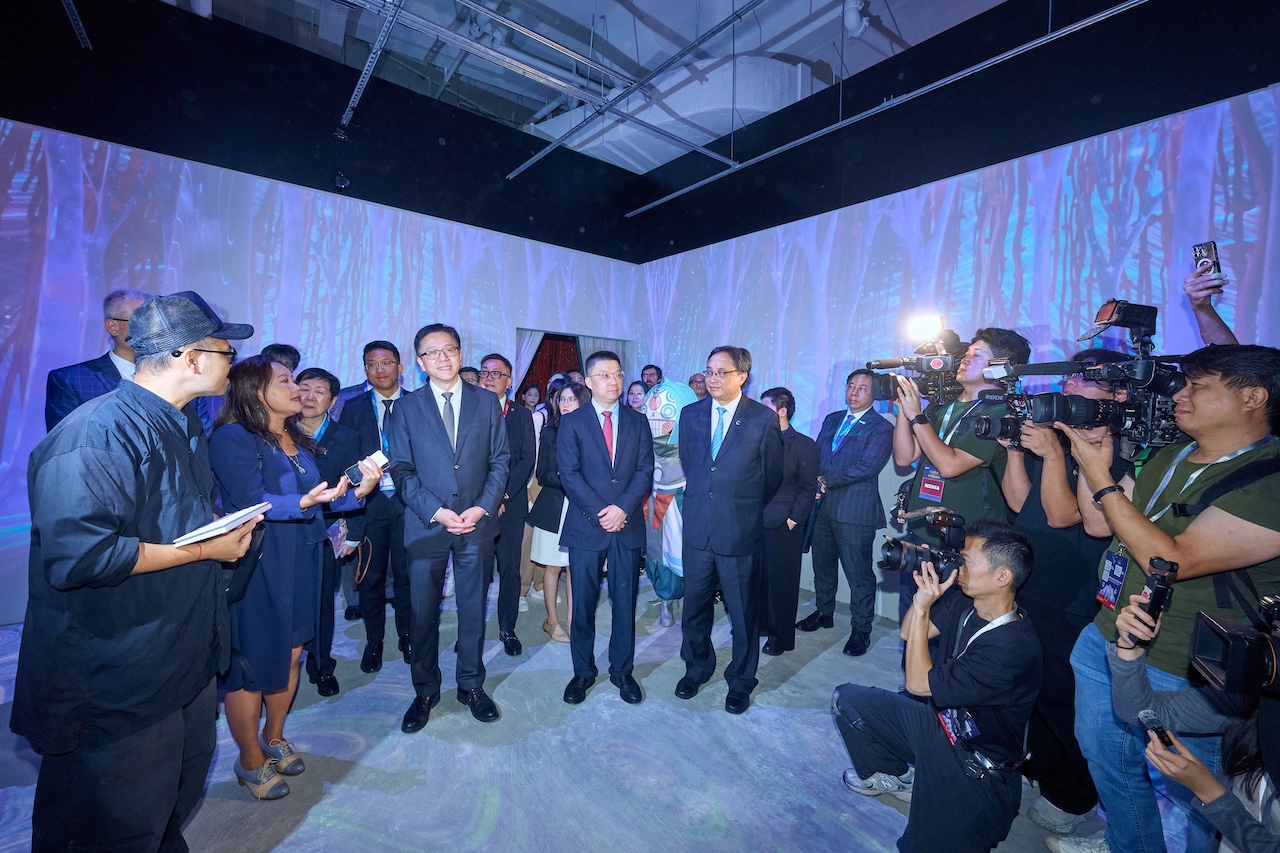
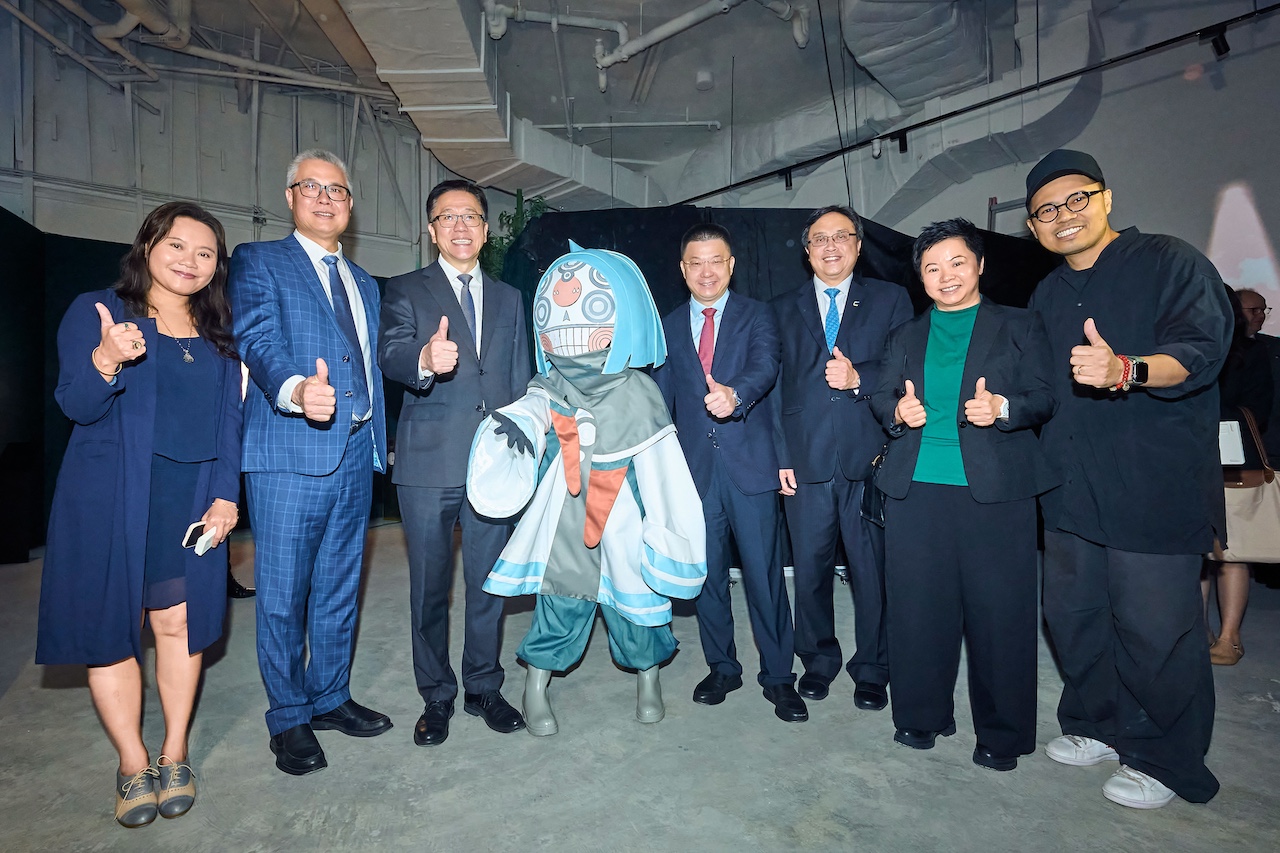
Visitors can explore an immersive exhibition based on the Hong Kong animation IP Another World, AI-powered and 3D-enabled fashion solutions, combat robots, drones and other interactive technologies. In total, the forum brings together more than 35 demonstrations and experiences.
More than 60 industry leaders, creators, academics, experts and investors from Hong Kong, Mainland China and overseas are taking part.
The discussion agenda shows where the market is heading: away from broad conversations about generative AI and toward its practical use in content production, film, gaming, animation, intellectual property and new forms of audience engagement.
Alibaba Cloud and two universities signed agreements on day one
One of the strongest business signals from DELF 2026 came not from the exhibition floor.
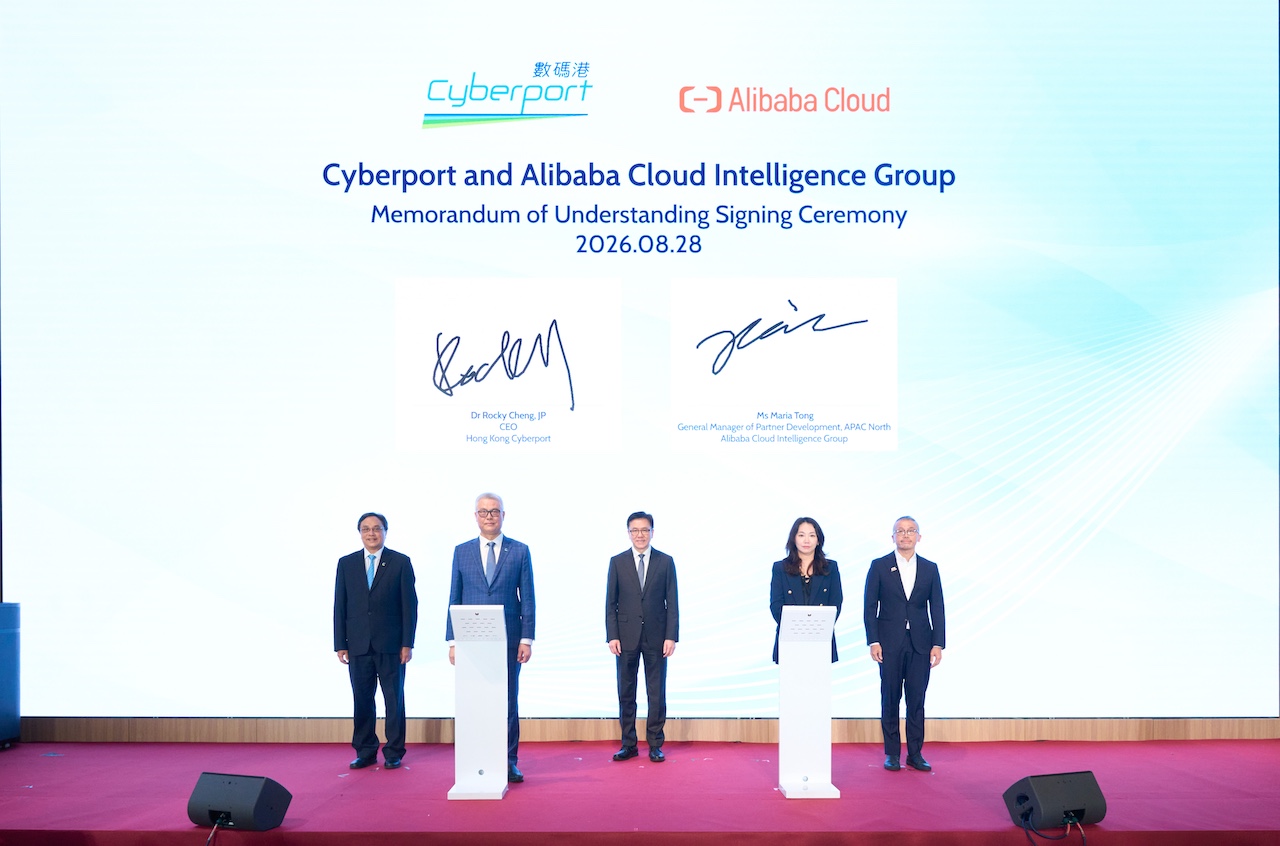
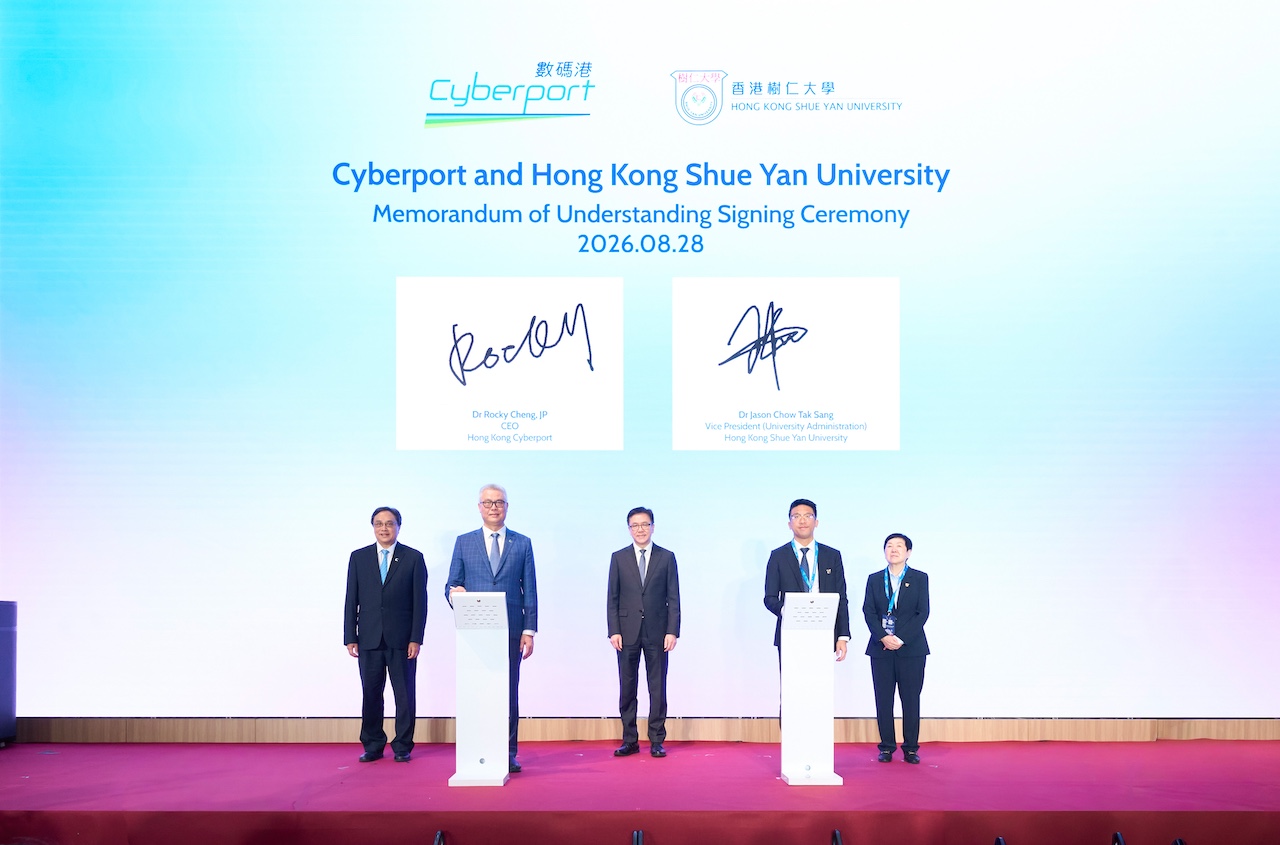
On the first day, Cyberport signed three memoranda of understanding — with Alibaba Cloud, The Hong Kong Academy for Performing Arts and Hong Kong Shue Yan University.
The partnerships cover AI innovation, art-tech development, entrepreneurship, skills training and talent cultivation.
For the market, the combination is revealing: a technology company, a performing arts institution and a university are being connected within the same ecosystem.
The goal is no longer limited to producing impressive AI-generated content. The industry needs a full chain stretching from computing power and technology development to specialist training, intellectual property creation and commercial products.
Behind “The Dreamatic Circus” lies serious computing infrastructure
The name The Dreamatic Circus sounds playful, but the strategy behind it is far more capital-intensive.
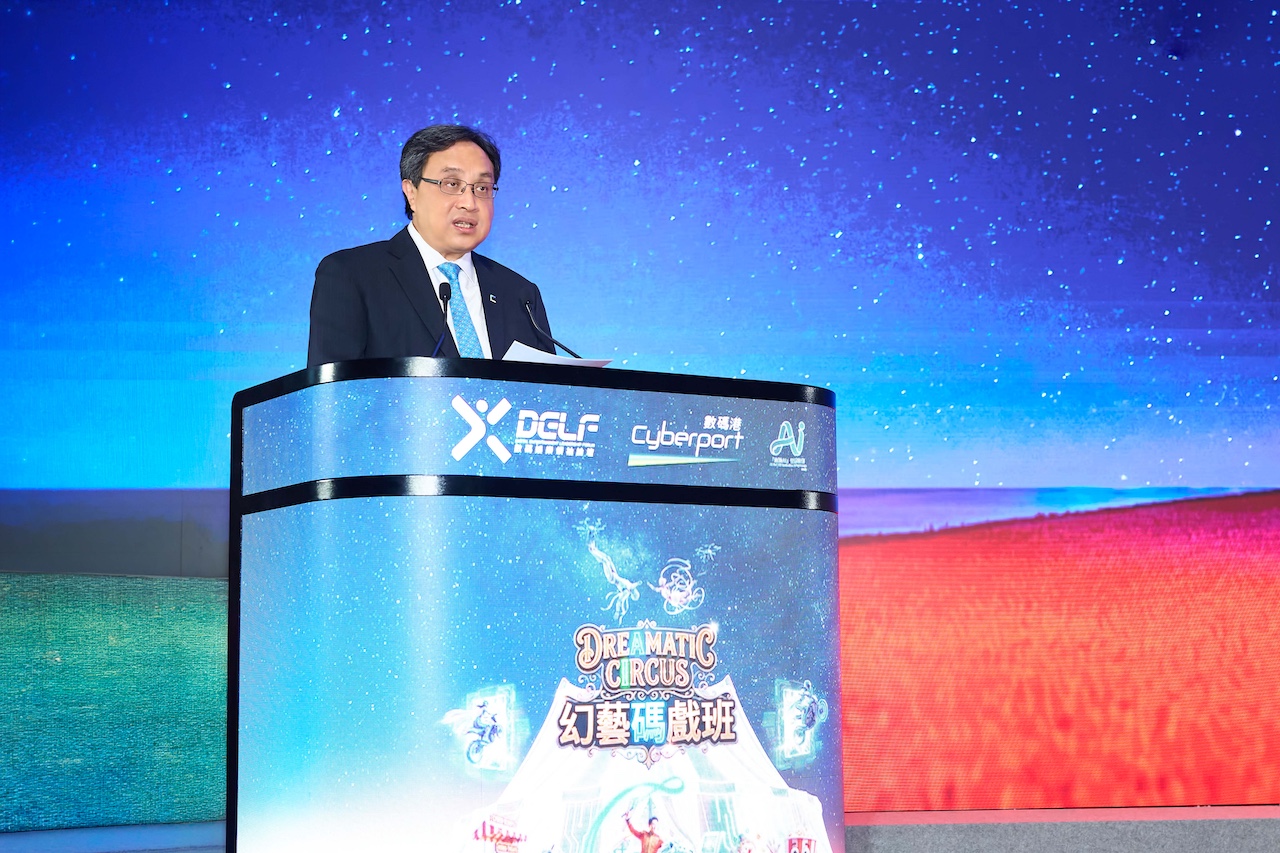
At the opening of DELF 2026, Sun Dong said the computing capacity of Cyberport’s AI Supercomputing Centre had reached 3,000 petaFLOPS. The Hong Kong government expects the Sandy Ridge data centre cluster under development to increase total computing capacity to 180,000 petaFLOPS by 2032 or earlier. Details were outlined in the Hong Kong government’s official statement.
That helps explain why film, gaming, virtual worlds, fashion technology and agentic AI appear at the same forum.
Video generation, 3D graphics, virtual production and sophisticated AI models require more than ideas and software. They need large-scale computing resources, without which producing this type of content at commercial scale becomes too costly or too slow.
DELF presents AI as a collaborator, not a replacement for people
There is a notable qualification in the forum’s official concept.
DELF 2026 presents agentic AI and other emerging technologies as tools designed to work alongside people rather than replace human creativity. That approach is reflected in the official DELF 2026 programme and Hong Kong government materials.
For creative industries, however, the practical question remains significant. If AI takes over parts of editing, image generation, design, voice production or concept development, the value of human specialists increasingly shifts toward ideas, production management and intellectual property.
That is also why IP development features prominently on the DELF agenda — characters, stories and other assets that can be expanded into films, games, merchandise and digital products.
Drones, eVTOL and esports continue through August 30
The forum extends beyond conference halls.
Over the remaining two days, organizers have scheduled eVTOL flight demonstrations, esports experiences, AI creative learning programmes, and showcases of AI-assisted animation and film projects.
Visitors can also take part in a Play to Earn campaign, completing missions across the four themed zones and collecting rewards, including limited Another World merchandise. The full programme is available on the official DELF 2026 website.
Why Kazakhstan matters: Cyberport already has a link with Astana Hub
For Kazakhstan, DELF 2026 is more than an Asian technology showcase.
On June 1, 2026, Cyberport and Astana Hub signed a memorandum of understanding during a Hong Kong delegation’s visit to Kazakhstan led by Hong Kong Chief Executive John Lee. Cyberport detailed the agreement in an official statement on the Kazakhstan and Uzbekistan visit.
The agreement covers technology transfer, cooperation between innovation ecosystems and support for technology companies seeking to enter overseas markets. Cyberport identified artificial intelligence, fintech, smart city technologies and Web3 among the areas of potential cooperation.
Simon Chan, who opened DELF 2026 in Hong Kong, also visited Astana Hub and its supercomputing centre during the June trip.
Cyberport sees its partnership with Kazakhstan as part of a broader effort to expand Hong Kong’s innovation ecosystem into Central Asia.
Against the backdrop of DELF, that connection becomes more tangible for Kazakh startups. Cyberport is now demonstrating the industries where it expects AI to generate commercial value, while the Astana Hub agreement already provides a formal channel between the two technology ecosystems.
From AI fashion to film, the focus is shifting to commercial products
DELF 2026 runs for three days, but the broader direction was already clear on its opening day.
Hong Kong is simultaneously showcasing more than 35 technology solutions, bringing together over 60 industry participants, linking technology companies with universities and the creative sector, and expanding the computing infrastructure required to support an AI-driven economy.
Combat robots, virtual characters and AI fashion may be the most visible attractions. The larger bet is on turning technology into products, intellectual property and companies capable of expanding into international markets.
A few months ago, we also wrote about Kazakhstan proposing joint projects with Hong Kong worth up to $100 billion. The technology dimension of that relationship now looks more concrete: Cyberport has an agreement with Astana Hub, while DELF 2026 is showing the industries where that connection could potentially translate into practical projects.