
Kazakhstan’s archive AI drew UN attention. In Geneva, interest in the digital solutions developed by the Presidential Archive of Kazakhstan moved beyond a presentation of technology to discussions of joint initiatives that the two sides intend to pursue in 2026, DKNews.kz reports.
The meeting was reported by the Presidential Archive of the Republic of Kazakhstan. Its delegation met in Geneva with Charlotte Lindberg Warakaulle, Director of the UN Library & Archives Geneva. The agenda included long-term preservation of electronic records, artificial intelligence, digital data management and the development of modern archival infrastructure.
Electronic records must remain accessible for decades
For archives, digitisation is only the beginning. Once a document becomes digital, institutions must still ensure that it can be preserved, found and accessed years or even decades later.
The Geneva talks therefore also covered the acquisition of archival collections, document preservation and broader digital access to archival information.
Kazakhstan’s delegation included Kairat Alimgazinov, Deputy Director of the Presidential Archive; Askar Kudaibergenov, Leading Expert at the Centre for Educational Projects and International Cooperation; and Nazarbek Mashbek, Third Secretary of Kazakhstan’s Permanent Mission to the UN Office and other international organisations in Geneva.
UN officials showed interest in Kazakhstan’s AI experience
One of the most significant details of the meeting was the interest shown by the UN Library & Archives in Kazakhstan’s practical experience in developing and deploying artificial intelligence solutions.
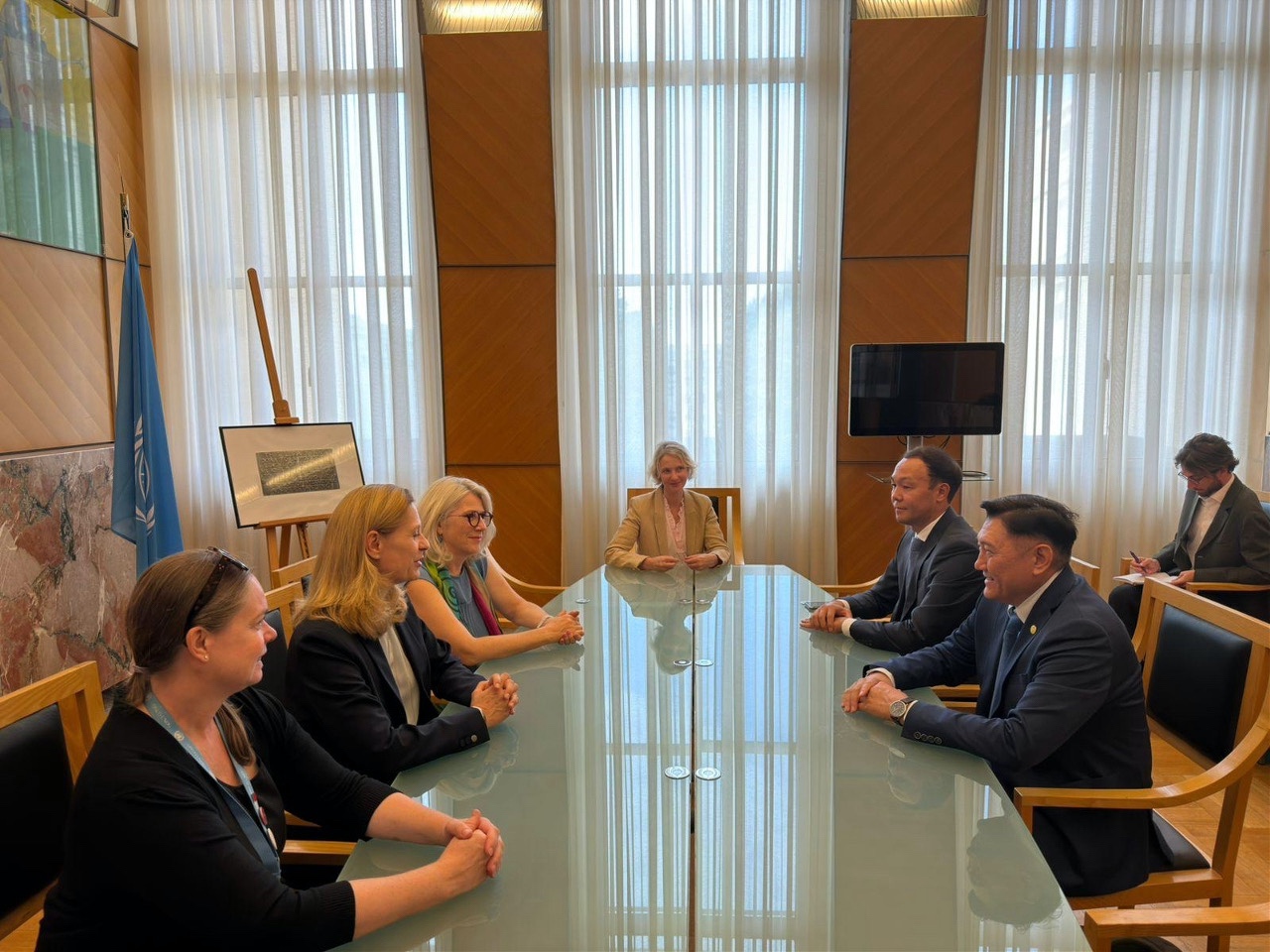
Representatives of the Presidential Archive presented the institution’s main areas of work and its new initiatives. Their counterparts also highlighted the innovative nature of technologies previously demonstrated in Astana during the third Digital Archive EXPO Congress of Archivists.
“We were impressed by the scale and level of work of the Presidential Archive of the Republic of Kazakhstan, particularly by the results presented during the international Congress of Archivists held in Astana this year. We are very interested in the experience of our Kazakh colleagues, particularly the Presidential Archive, in digital transformation, the introduction of artificial intelligence and the development of archival infrastructure,” said Charlotte Lindberg Warakaulle, Director of the UN Library & Archives Geneva.
The official UN Geneva website lists Warakaulle among the leadership of the United Nations Library & Archives Geneva.
Astana had already presented four AI-powered solutions
The interest expressed in Geneva follows technologies that Kazakhstan had already showcased in Astana.
At the Digital Archive EXPO III Congress of Archivists in June 2026, the Presidential Archive presented several digital tools designed for modern archival work.
They included GEOTOPOGRAPHY, an intelligent archive storage management system; the AI Archival Recognition System for recognising archival documents; the Virtual Guide platform; and QuralAI Assistant, an AI-powered assistant for archive experts.
The practical value of such technologies goes beyond automating individual tasks. Archives increasingly have to manage paper collections and digital records at the same time, search through large volumes of information and ensure that electronic materials remain usable over the long term.
That is why artificial intelligence in Geneva was discussed alongside digital preservation, data management and archival infrastructure rather than as a standalone technology.
Joint initiatives could begin in 2026
Another outcome of the Geneva talks was an intention to move professional cooperation to a more practical level.
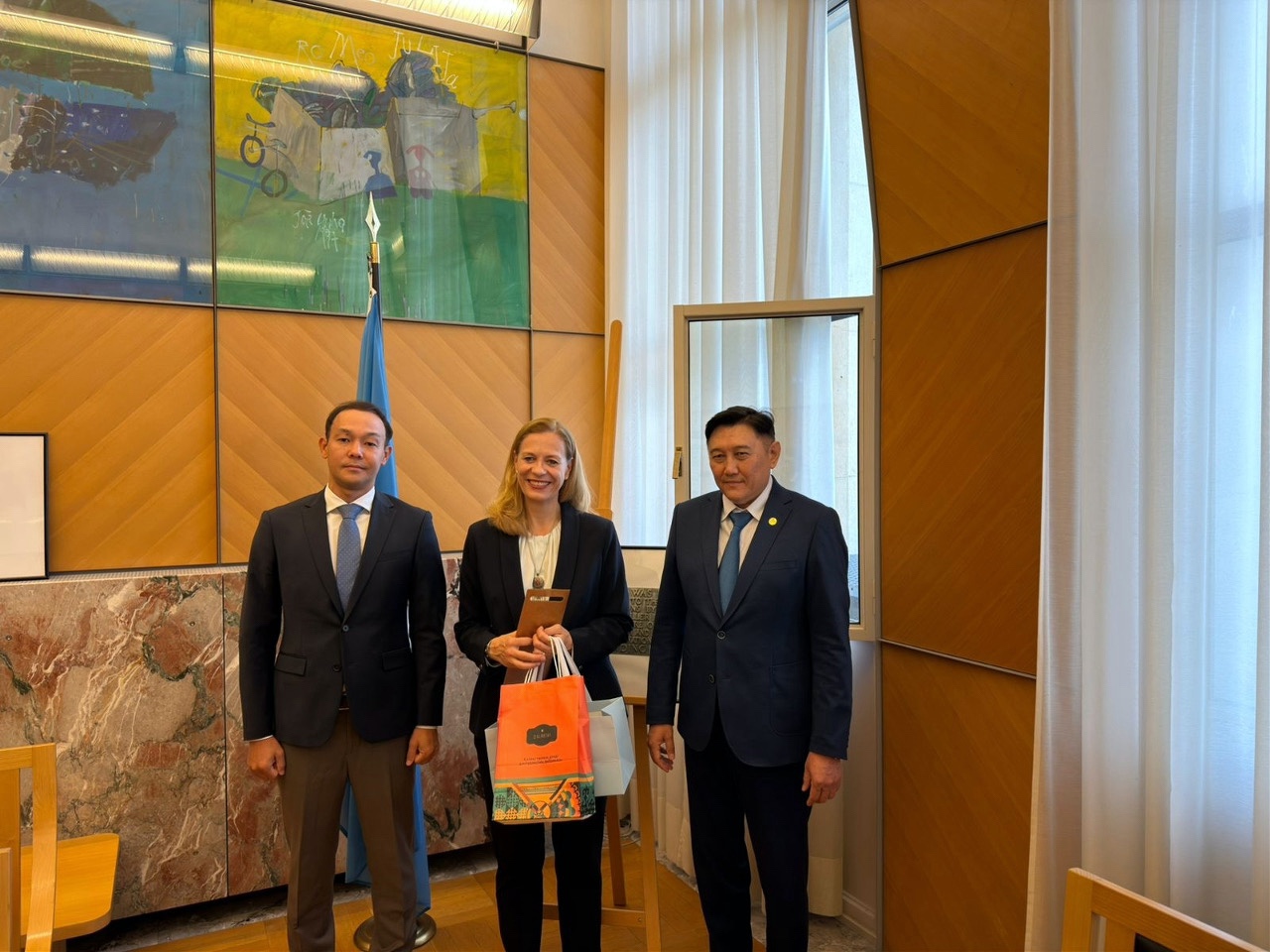
Charlotte Lindberg Warakaulle proposed holding a number of joint activities between the UN Library & Archives and the Presidential Archive of Kazakhstan during 2026. Both sides confirmed their readiness to identify specific areas for further cooperation.
No detailed list of projects has been announced so far. The areas explicitly discussed at the meeting include digitisation, artificial intelligence, long-term preservation of electronic records and the development of modern archival infrastructure.
“For us, it is particularly important that the professional dialogue with the UN Library & Archives is moving to a practical level. We see significant potential for exchanging experience, ranging from digitisation and the use of artificial intelligence to the long-term preservation of electronic documents and the development of archival infrastructure,” said Kairat Alimgazinov, Deputy Director of the Presidential Archive of the Republic of Kazakhstan.
Warakaulle was already familiar with Kazakhstan’s work in this field. She attended the third Digital Archive EXPO Congress of Archivists held in Astana in June 2026.
Earlier, we reported on how the Presidential Archive is using artificial intelligence to transform the storage and processing of documents in Kazakhstan. The technologies demonstrated in Astana have now become a separate subject of professional discussion in Geneva. The exact format of future joint initiatives with the UN Library & Archives has yet to be disclosed.