

Kazakhstan wants to become Hanwha’s regional technology platform. President Kassym-Jomart Tokayev invited the South Korean conglomerate to develop joint projects in artificial intelligence and digital infrastructure, with Kazakhstan serving as a base for expansion into Central Asian markets, DKNews.kz reports.
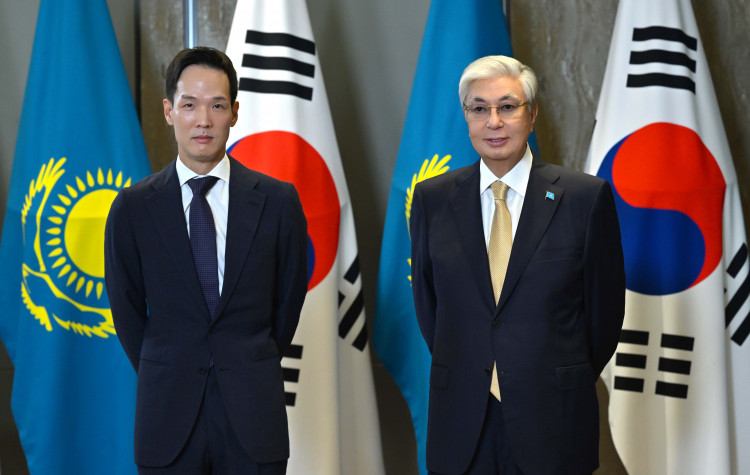
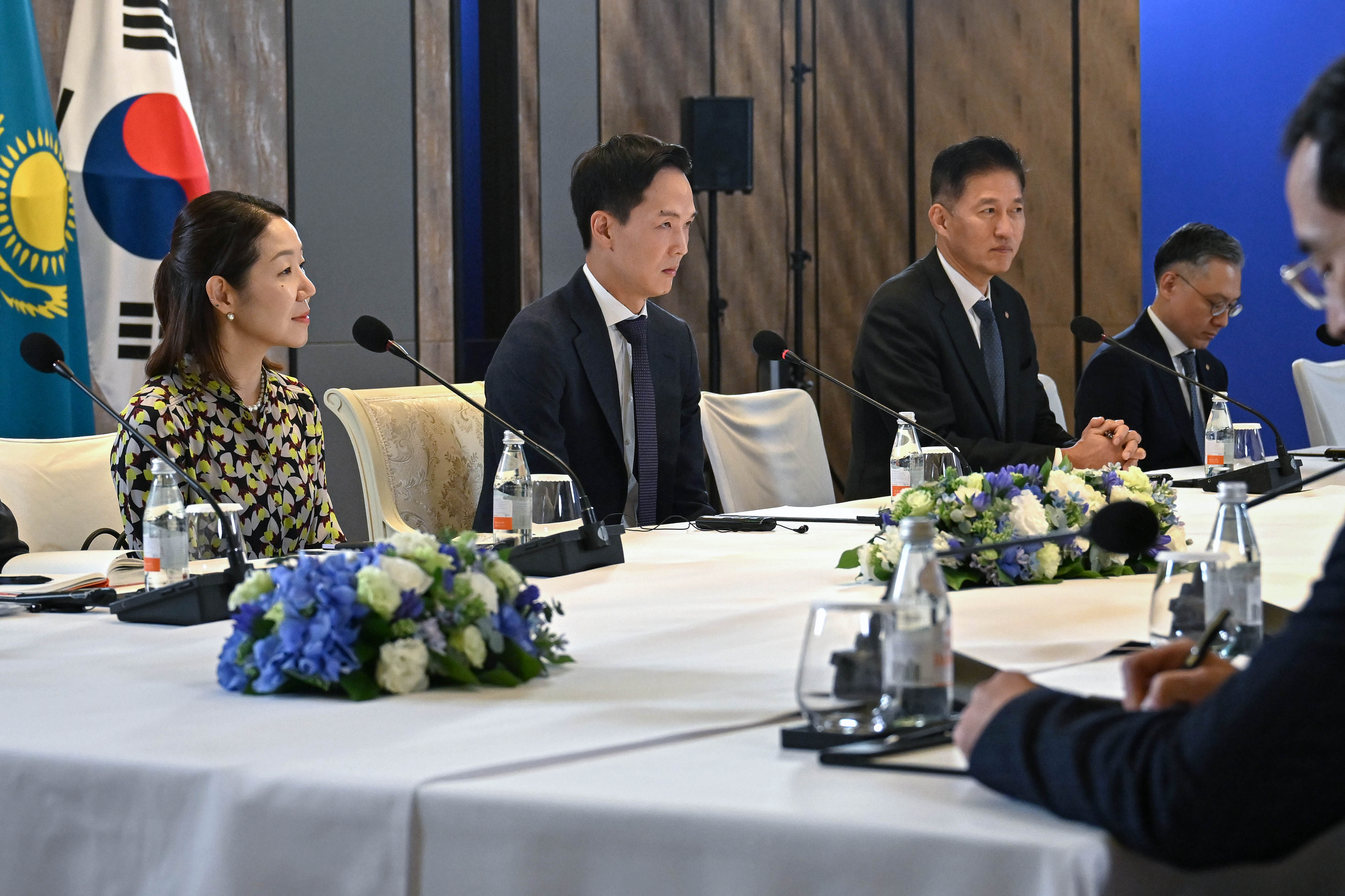
Tokayev met Hanwha Group Vice Chairman Kim Dong-won in Seoul on September 15. The talks focused on investment and technological cooperation between Kazakhstan and South Korea.
Kazakhstan Offers Hanwha a Gateway to Central Asia
Tokayev described South Korea as a strategic partner and Hanwha Group as one of the country’s leading business groups with a significant international presence in strategically important industries.
The key proposal, however, went beyond individual projects in Kazakhstan. Tokayev invited Hanwha to use the country as a technological platform for entering the wider Central Asian market.
That approach gives the talks a regional dimension. Kazakhstan is seeking to combine its geographic position with its digital transformation agenda to attract Korean companies interested not only in the domestic market but also in opportunities across Central Asia.
Korean businesses have already shown interest in Kazakhstan’s digitalization, artificial intelligence, industry, energy and transport infrastructure. Ahead of Tokayev’s visit, representatives of the two countries discussed these sectors as potential areas for new investment projects.
AI and Digital Infrastructure Move to the Center of Cooperation
Tokayev outlined Kazakhstan’s efforts to build a national artificial intelligence ecosystem and expand digital infrastructure.
Hanwha was invited to participate in joint projects in these areas, although specific investments, project costs or implementation timelines were not announced following the meeting.
The proposal fits into a broader technological partnership developing between Astana and Seoul. Kazakhstan and South Korea have already expanded cooperation in AI education and talent development, including joint initiatives involving universities and technology institutions.
Kazakhstan’s digital priorities have also been presented in South Korea as an area where the two economies have complementary interests, particularly in artificial intelligence, smart cities, innovation and advanced technologies.
Hanwha’s Kazakhstan Connection Dates Back to 1997
Kim Dong-won pointed to a detail that gives the latest negotiations a longer historical context: according to him, Hanwha was among the first Korean corporations to establish cooperation with Kazakhstan back in 1997.
Nearly three decades later, the focus is shifting toward digital transformation.
Kim said he was enthusiastic about the opportunity to contribute to Kazakhstan’s digital transformation and pursue various projects in partnership with the country.
For Kazakhstan, the practical question is now whether this interest will translate into specific investment commitments. The meeting produced a clear invitation from Tokayev, but the information released after the talks did not identify individual Hanwha projects, investment amounts or deadlines.
Korean Business Is Expanding Its Kazakhstan Agenda
Hanwha’s potential involvement comes as Kazakhstan seeks to deepen economic ties with South Korea across several technology-intensive sectors.
Korean companies already operate major projects in Kazakhstan, including automotive manufacturing and infrastructure. Cooperation has increasingly expanded into digitalization, artificial intelligence and smart infrastructure.
The regional proposition may be particularly important. Kazakhstan is positioning itself as both a transport link between Asia and Europe and a potential technology base for companies seeking access to Central Asia. Korean policymakers and businesses, meanwhile, have been examining deeper engagement with the region and emphasizing innovation, supply-chain resilience and technological development.
Tokayev ended the meeting by reaffirming Kazakhstan’s readiness to deepen its partnership with Hanwha and expressing confidence that the agreements reached would develop into concrete, mutually beneficial projects.
The next measurable step will therefore be whether the Seoul talks produce named projects, investment volumes and implementation schedules.
We previously reported on how Kazakhstan and South Korea are building a joint platform to train the next generation of AI specialists, another area where the two countries are moving their technological partnership toward practical cooperation.