
Kazakhstan is pushing Hyundai beyond assembly. A new Hyundai Tucson will be produced in the country as Astana seeks deeper localization, more locally made components and a stronger automotive export base, DKNews.kz reports.
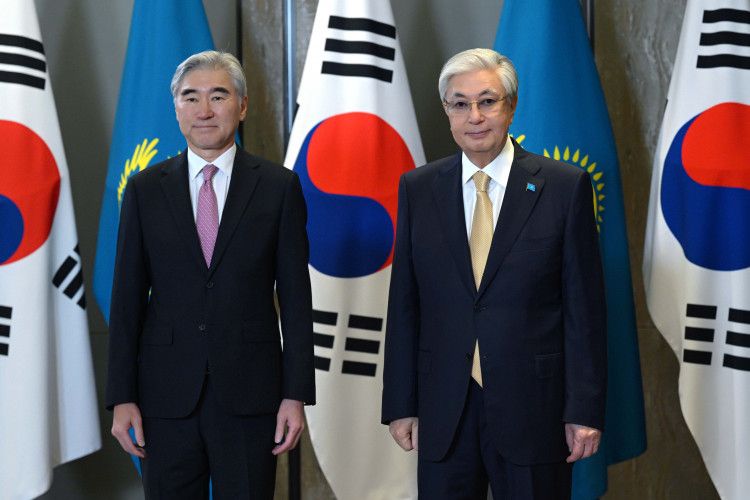
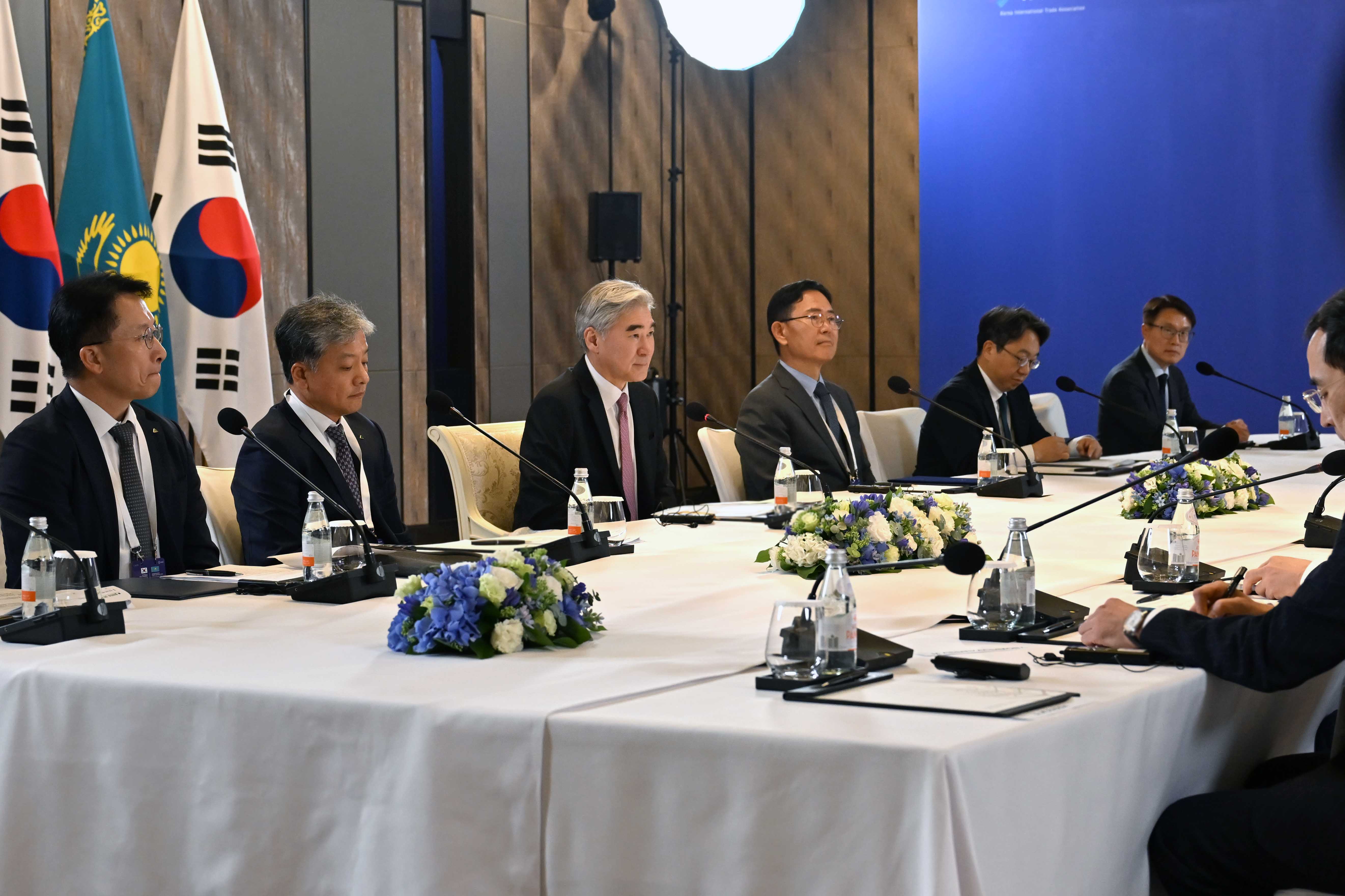
President Kassym-Jomart Tokayev discussed the plans with Sung Kim, President and Head of the Strategic Planning Division at Hyundai Motor Group, in Seoul on September 15. Representatives of Hyundai Engineering and Kia also joined the meeting.
New Hyundai Tucson to Be Produced in Kazakhstan
The talks produced a concrete manufacturing agreement.
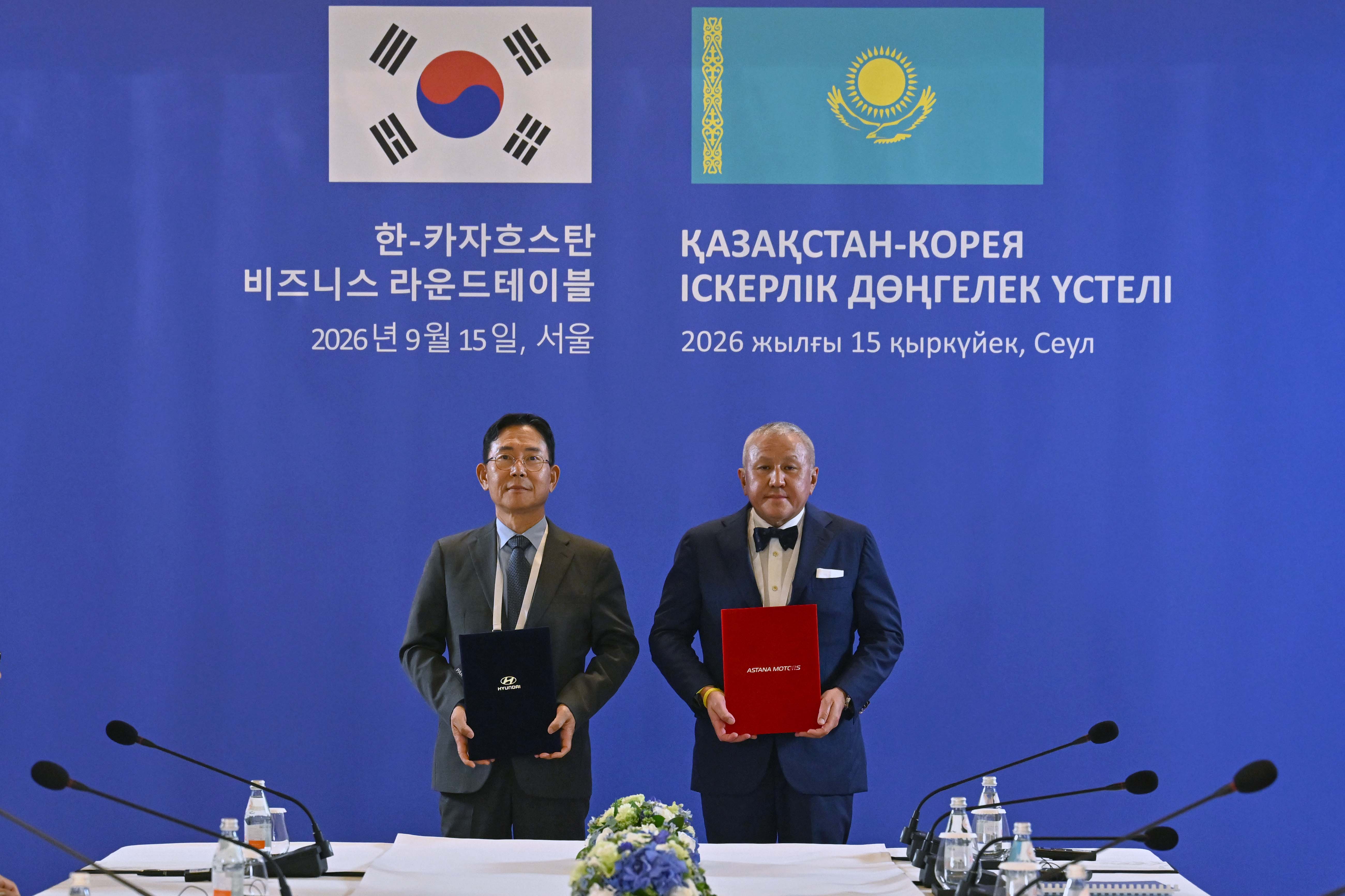
Hyundai Motor Company and Astana Motors exchanged an agreement on the production of a new Hyundai Tucson model in Kazakhstan.
Tokayev highlighted Hyundai Motor Group’s contribution to Kazakhstan’s automotive industry but made clear that the next priority is deeper localization.
The President called for expanded production of automotive components, greater export potential and a gradual shift toward full-cycle manufacturing.
That shift is already visible across the industry. Kazakhstan has been moving from large-unit assembly toward small-unit production, while new component manufacturers are emerging alongside vehicle plants.
Kazakhstan Wants to Become a Regional Vehicle Export Hub
Tokayev set a broader objective during the meeting: Kazakhstan should become a major regional center for vehicle production and exports.
The existing Hyundai plant in Almaty and Kia plant in Kostanay are expected to play a central role in that strategy.
Sung Kim said Kazakhstan is not merely a sales market for Hyundai Motor Group, but an important regional hub for its operations across the CIS. He also confirmed the group’s intention to expand its presence and deepen production localization in the country.
The distinction matters. Producing more components domestically increases the amount of value created inside Kazakhstan and makes the automotive sector less dependent on imported kits.
Kazakhstan’s industrial policy has increasingly focused on this transition. The government’s longer-term goal is to develop a full automotive cluster rather than limit the industry to vehicle assembly.
Electric Vehicles Could Become the Next Manufacturing Segment
Electric mobility emerged as another potential area of cooperation.
Tokayev proposed expanding the partnership into the production of electric vehicles and components, as well as charging infrastructure.
No specific EV model, investment amount or production schedule was announced following the meeting. For now, electric mobility remains a prospective area rather than a confirmed Hyundai manufacturing project in Kazakhstan.
Still, its inclusion in the talks broadens the industrial agenda. If the partnership advances, localization would have to extend beyond conventional vehicles to components and infrastructure required for electric transport.
Hyundai Engineering Enters Kazakhstan’s Gas Processing Plans
The Seoul meeting was not limited to automobiles.
Hyundai Engineering expressed readiness to expand cooperation in the oil and gas sector, industry and infrastructure.
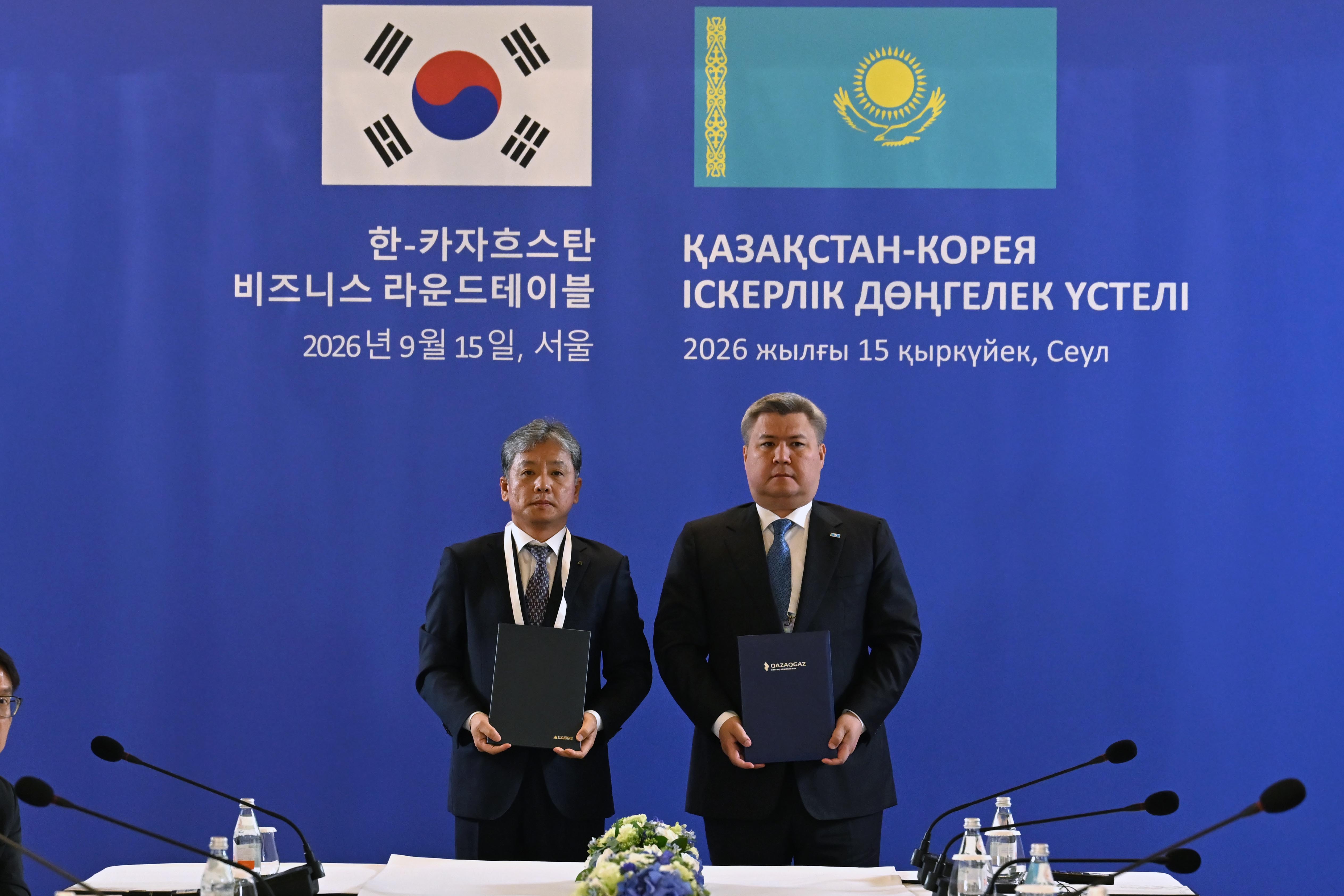
Following the talks, QazaqGaz and Hyundai Engineering exchanged an agreement on the construction of a gas processing plant in Western Kazakhstan.
The project comes as Kazakhstan is increasing pressure on the gas sector to expand processing capacity. Tokayev has previously called for faster development of new gas fields and tighter control over the timely launch of major gas processing projects.
The announcement did not specify the location, capacity, investment value or construction timeline of the plant covered by the new QazaqGaz-Hyundai Engineering agreement.
That makes the agreement itself the key development for now, while the project’s scale will become clearer once its technical and financial parameters are disclosed.
Two Agreements Expand Hyundai’s Role Beyond Car Sales
The outcome of the meeting points to two separate tracks for Hyundai Motor Group in Kazakhstan.
The first is automotive manufacturing: deeper localization, a new Tucson model, component production and potentially electric vehicles.
The second is industrial infrastructure, with Hyundai Engineering entering discussions around gas processing and other projects.
This makes localization the central test of the partnership. Kazakhstan already has vehicle manufacturing capacity; the next step is to increase the share of production performed domestically and build a supplier base capable of supporting exports.
We previously wrote about Kazakhstan’s shift from vehicle assembly toward deeper domestic production, including the development of component manufacturing and new automotive plants.