

Kazakh manufacturers could enter a major European supply chain. President Kassym-Jomart Tokayev has proposed integrating domestic producers into Deutsche Bahn’s procurement system, provided they meet the German railway group’s certification requirements, DKNews.kz reports.
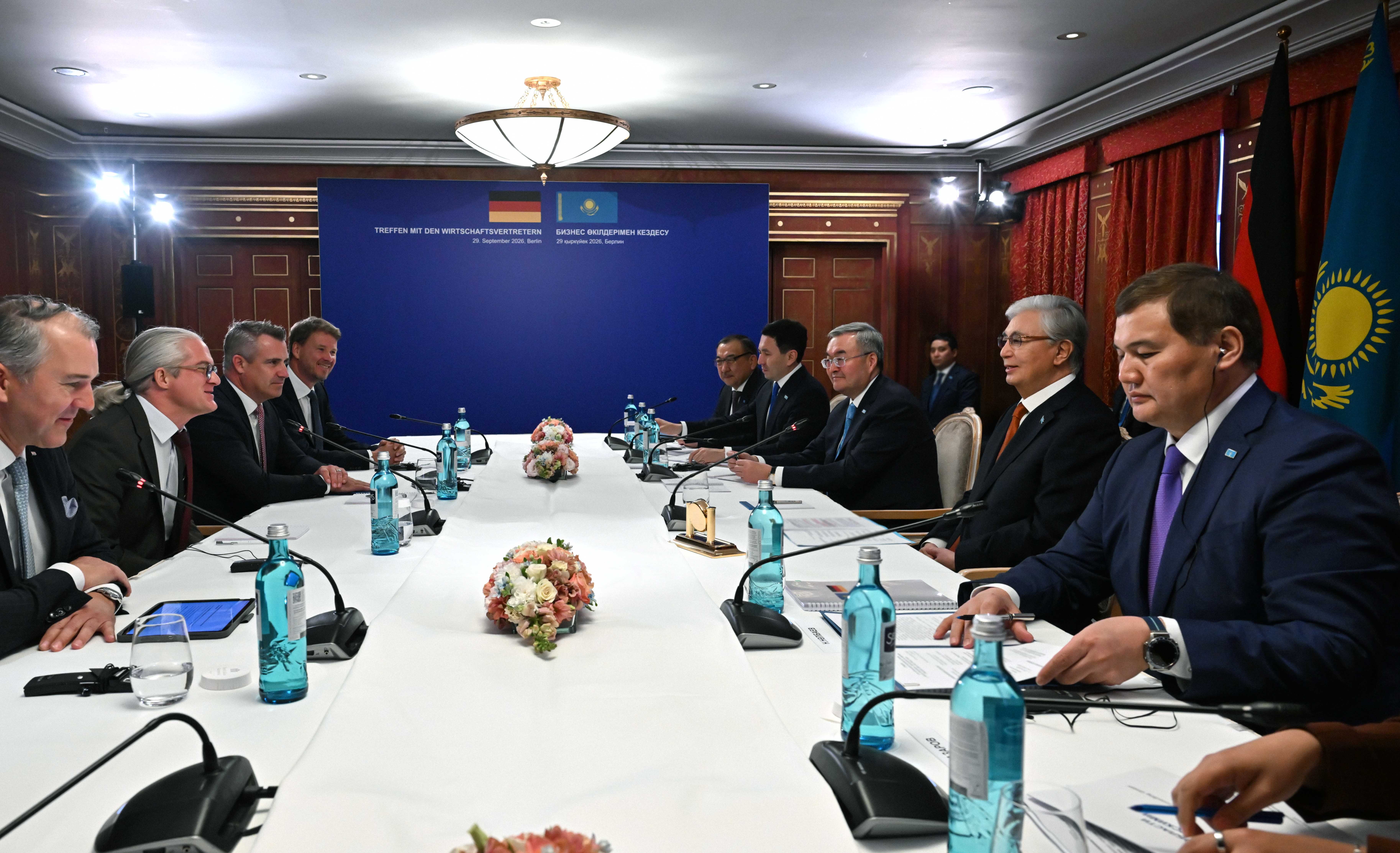
Tokayev raised the issue during a meeting with executives of Deutsche Bahn in Berlin on September 29. The talks were part of his official visit to Germany and focused on expanding cooperation beyond railway modernization into logistics and industrial ties.
Kazakh manufacturers could become Deutsche Bahn suppliers
One of the most significant economic points of the meeting concerned procurement.
Tokayev stressed the importance of integrating Kazakh manufacturers into Deutsche Bahn’s supply chain, including by helping them obtain the required certification.
The statement did not specify which Kazakh companies or products could qualify, nor did it announce contracts or procurement volumes. The proposal nevertheless opens another potential dimension to the partnership: Kazakhstan would not only use German railway expertise but could also seek a place for domestically manufactured products in Deutsche Bahn’s supplier network.
Certification will be critical. Suppliers to European railway companies have to meet relevant technical, safety and quality requirements, meaning access to procurement depends on whether Kazakh manufacturers can comply with the standards applicable to particular products.
Deutsche Bahn is already working with Kazakhstan Temir Zholy
The relationship is not starting from scratch.
Tokayev praised Deutsche Bahn’s contribution to the modernization of Kazakhstan’s railway sector and specifically highlighted cooperation between DB Engineering & Consulting and Kazakhstan Temir Zholy, or KTZ, in passenger transportation.
DB Engineering & Consulting has been involved in Kazakhstan’s railway transformation, bringing international expertise to areas ranging from passenger services to management and operational processes.
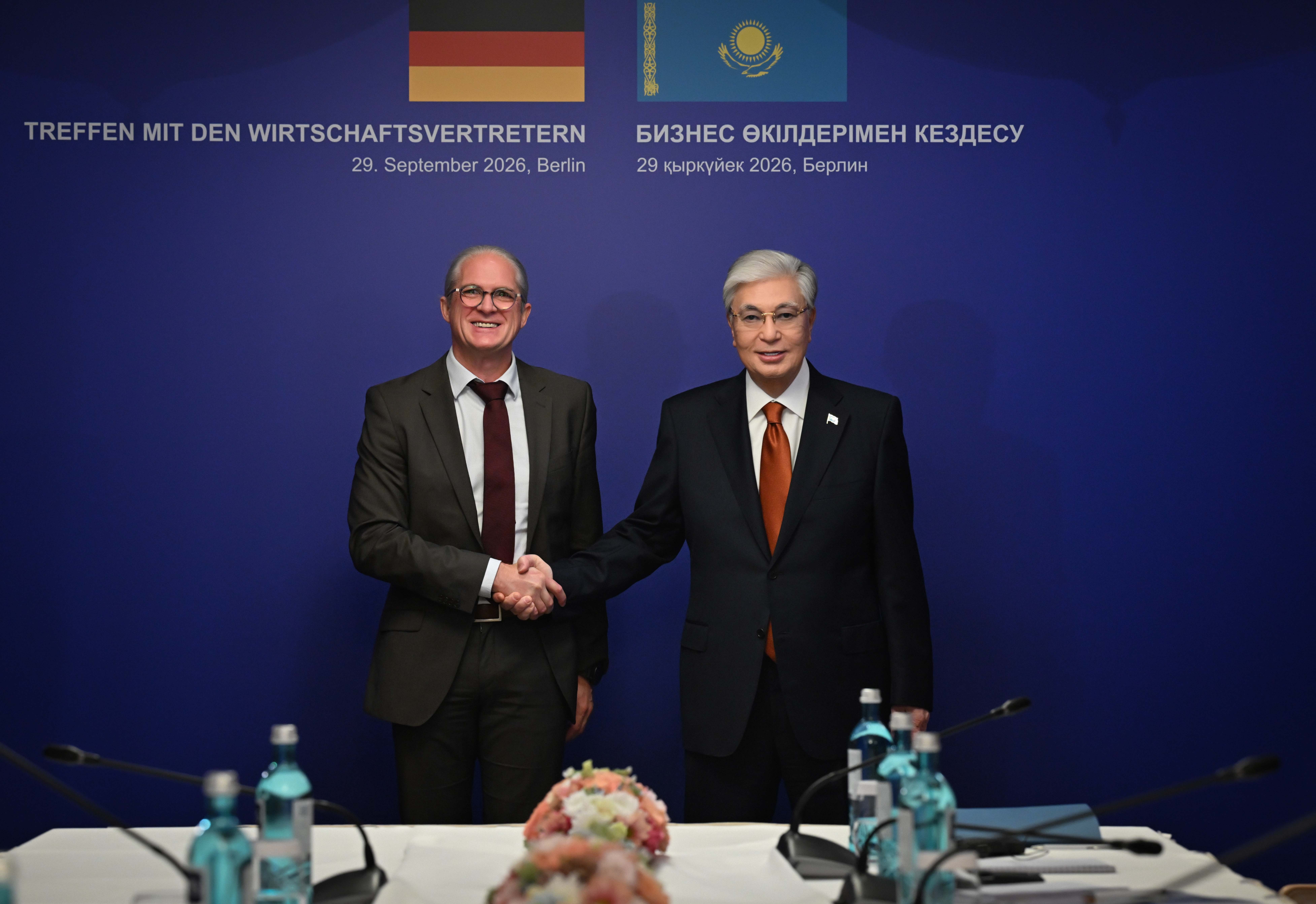
For Kazakhstan, the cooperation comes as the railway system faces growing demand from both domestic passenger traffic and expanding Eurasian freight flows.
The Berlin talks indicate that the partnership could now develop along two tracks: continuing modernization of railway operations while building stronger commercial links between Kazakh industry and the German group.
DB Cargo Eurasia focuses on the Middle Corridor
Freight transportation formed another major part of the talks.
Andreas Lubs, Head of DB Cargo Eurasia GmbH, attended the meeting. Kazakhstan and DB Cargo Eurasia are cooperating on containerized freight transportation, with particular attention currently being given to the Trans-Caspian International Transport Route.
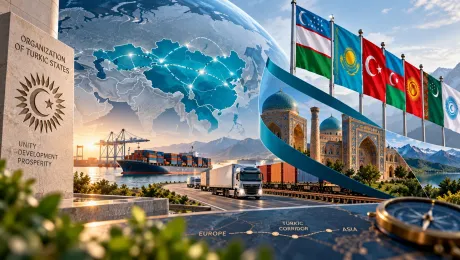
The route, widely known as the Middle Corridor, connects China and Central Asia with Europe through Kazakhstan, the Caspian Sea, Azerbaijan and Georgia.
For Kazakhstan, its development is increasingly tied to the broader goal of turning the country from a transit territory into a logistics hub with terminals, ports, rail infrastructure and associated services.
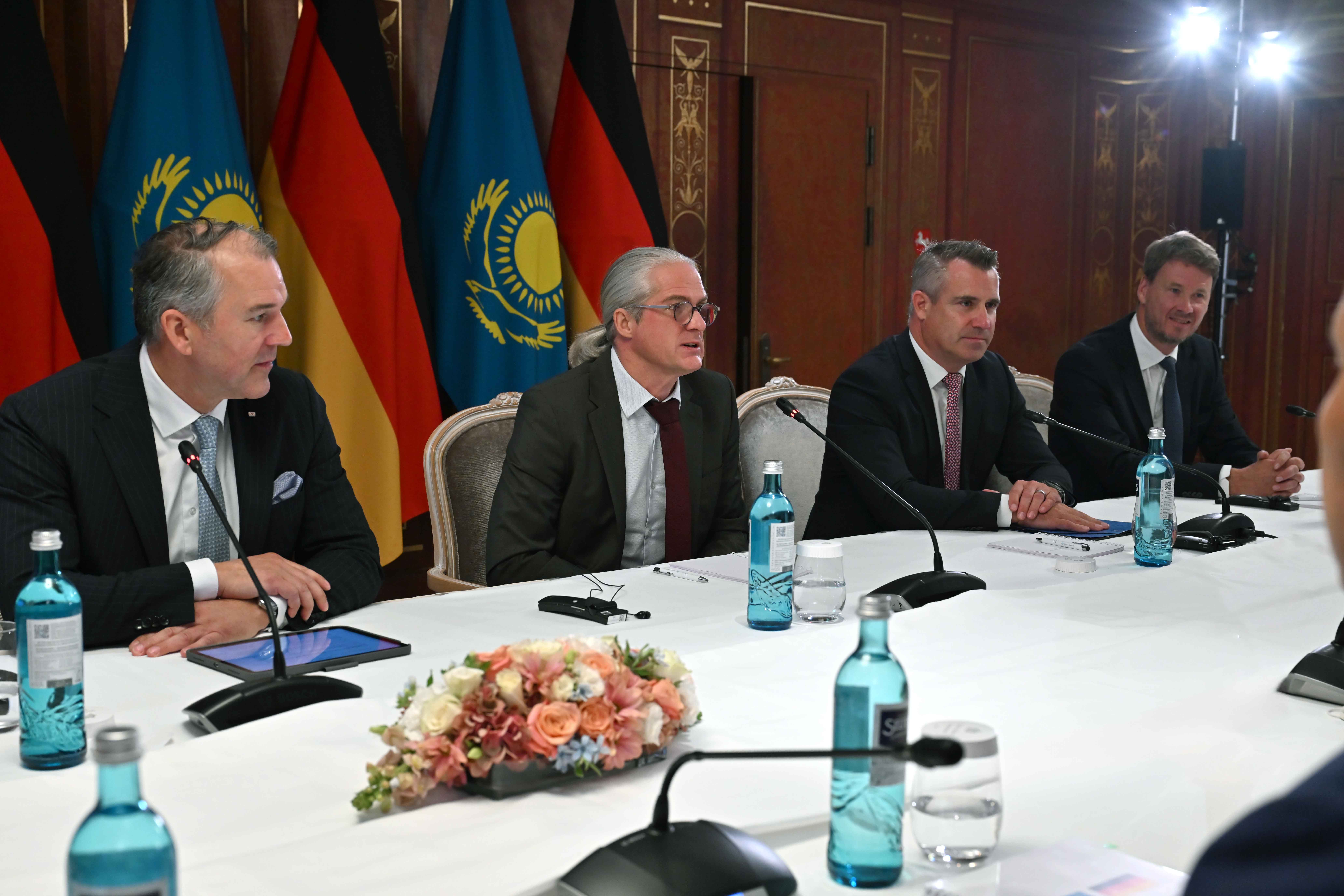
That makes cooperation with European logistics companies particularly relevant at the western end of the Eurasian supply chain.
Kazakhstan wants to move beyond transit
The Deutsche Bahn meeting also fits into the wider transport agenda of Tokayev’s visit to Germany.
During separate talks in Berlin, the President discussed the development of the Trans-Caspian route with Rhenus Group and welcomed the German logistics company’s participation in a multimodal hub project at the Port of Aktau.
Together, the discussions point to a broader objective: Kazakhstan wants international transport companies not only to move cargo through the country but also to participate in infrastructure, logistics services and industrial cooperation.
For Deutsche Bahn, the new element is the proposed involvement of Kazakh manufacturers in its supply chain.
If companies successfully pass the necessary certification and secure procurement contracts, the economic effect would extend beyond freight volumes. It could connect Kazakhstan’s manufacturing sector directly with one of Europe’s largest railway groups.
Three areas now shape the partnership
The Berlin meeting highlighted three areas where cooperation is developing:
- modernization of passenger rail services with DB Engineering & Consulting;
- container freight and the Trans-Caspian International Transport Route with DB Cargo Eurasia;
- potential integration of Kazakh manufacturers into Deutsche Bahn’s supply chain.
No new commercial contracts were announced following the meeting, so the supplier initiative remains a proposed direction rather than a completed deal.
Jan Grothe, Chief Procurement Officer of Deutsche Bahn AG, welcomed the positive assessment of the group’s work in Kazakhstan and confirmed Deutsche Bahn’s readiness to deepen cooperation. The two sides also reaffirmed their interest in strengthening long-term ties across the transport and logistics sector.
We previously reported on Kazakhstan’s efforts to expand the Trans-Caspian route and strengthen its role in China–Europe container traffic. The Berlin talks add another potential layer to that strategy: alongside carrying Eurasian freight, Kazakhstan is seeking opportunities for its manufacturers to become part of European railway supply chains.