

Kazakhstan wants to process more copper at home.
German metals company Aurubis AG and national company Tau-Ken Samruk are exploring cooperation on processing copper scrap and man-made mineral formations in Kazakhstan, with a joint action plan potentially becoming the next step, DKNews.kz reports.
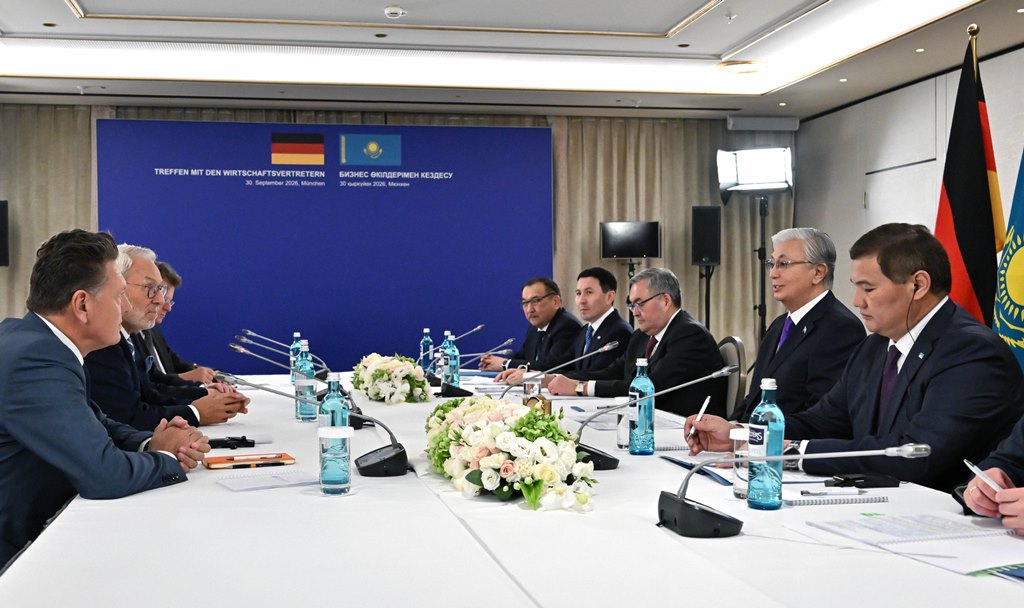
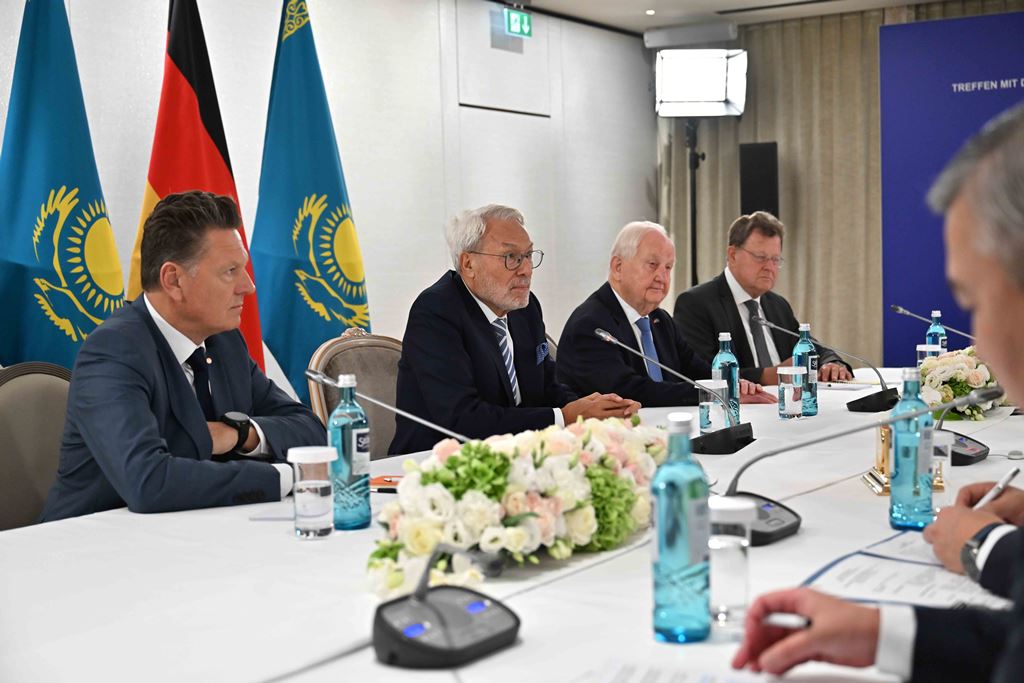
The prospects were discussed in Munich on September 30 during a meeting between President Kassym-Jomart Tokayev and Fritz Vahrenholt, Chairman of the Supervisory Board of Aurubis AG. The talks focused on potential investment projects in Kazakhstan’s mining and metallurgical sector.
Kazakhstan wants to move beyond raw-material exports
The central theme of the meeting was a shift in Kazakhstan’s industrial model.
Tokayev said one of the country’s priorities is to move from a raw-materials-based economy toward deeper metal processing, advanced technologies and the production of higher value-added goods.
Germany is viewed as both an economic and technological partner in that transition.
For Kazakhstan, the practical goal is to retain more stages of the metals value chain at home rather than exporting resources before further processing takes place elsewhere.
Aurubis cooperation could cover four areas
Several potential areas of cooperation were identified during the talks:
- comprehensive processing of complex copper-containing raw materials;
- extraction of associated metals;
- recycling;
- localization of downstream processing in Kazakhstan.
All four point toward extracting more value from resources already mined, processed or accumulated in the country.
No investment amounts, production capacities or project timelines were announced. The discussions therefore remain at the stage of identifying potential projects rather than confirming new facilities.
Tau-Ken Samruk and Aurubis focus on copper scrap
The most specific part of the talks concerned possible cooperation between Aurubis and Tau-Ken Samruk.
The companies are considering processing copper scrap and man-made mineral formations in Kazakhstan.
This would expand the focus beyond newly mined ore. Copper recycling can return metal to the production cycle, while processing man-made mineral formations can potentially recover valuable components from materials generated by previous industrial activity.
For Kazakhstan, both areas fit the broader objective of building a more complete domestic metals processing chain.
A joint action plan could be the next step
The two sides also considered developing a joint action plan for promising projects.
That does not yet represent a final investment decision or confirmation that a new processing facility will be built. An action plan, however, could establish specific projects, preparation stages and the roles of the companies involved.
The Aurubis talks reflect a broader industrial objective Kazakhstan has been presenting to German business: use the country’s mineral resources as a foundation for processing, recycling and higher-value manufacturing rather than relying predominantly on raw-material exports.
The meeting also followed a wider investment agenda discussed during Tokayev’s visit to Germany. We previously reported how Tokayev pledged particular attention to protecting German investments in Kazakhstan, as the two countries work with a portfolio of 40 industrial projects worth approximately $54 billion. Cooperation with Aurubis could give that broader investment agenda a specific focus on copper processing and recycling.