

Kazakhstan made its mark beyond the boards.
At the 46th World Chess Olympiad in Samarkand, the country was represented not only by its national teams, but also by 18 arbiters appointed to the main FIDE officiating team, DKNews.kz reports.
Their names appear on the official FIDE list of arbiters. The scale of that representation reflects how quickly Kazakhstan’s chess officiating system has developed in recent years.
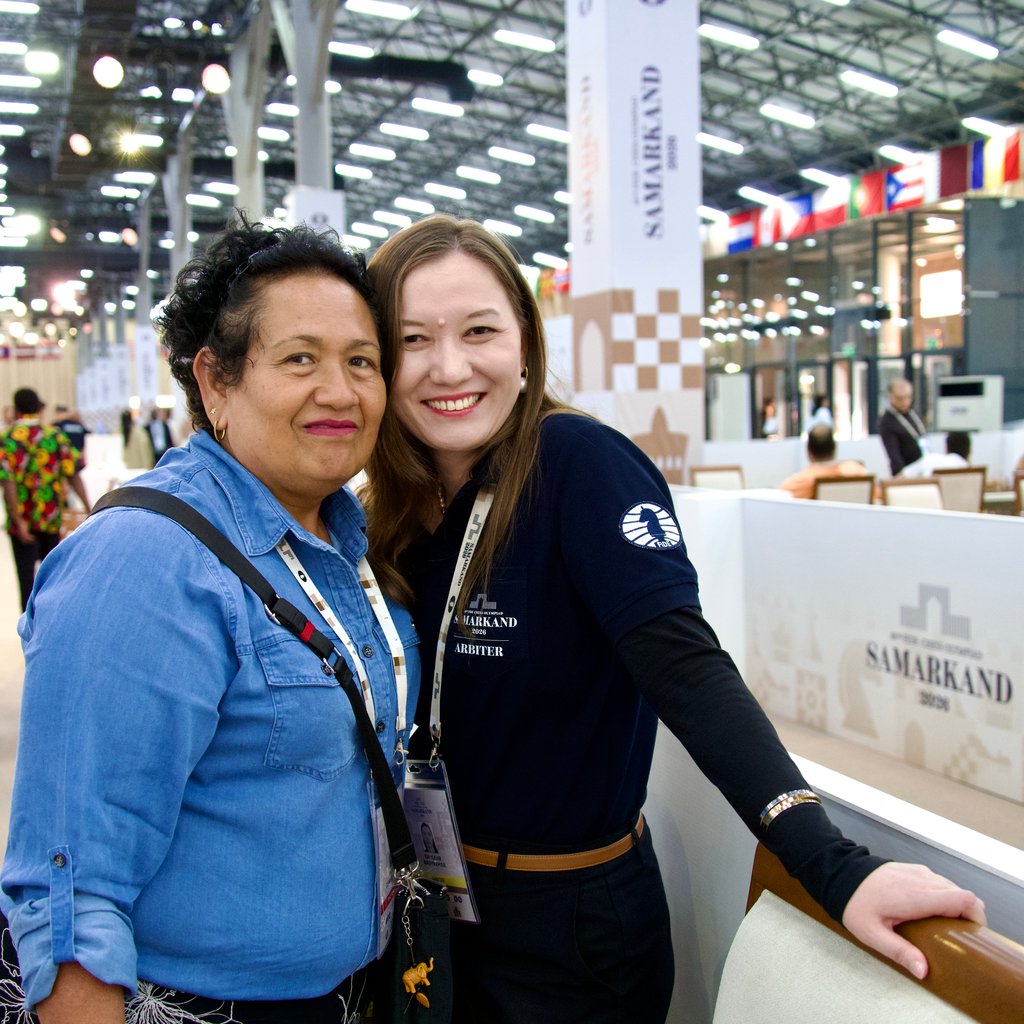
18 Kazakhstani arbiters received FIDE appointments
At an Olympiad, an arbiter’s role goes far beyond checking clocks and scoresheets.
With hundreds of teams and thousands of games, officials are responsible for enforcing the Laws of Chess, monitoring playing conditions, resolving disputes and supporting Fair Play procedures.
FIDE’s list of match arbiters for the 46th Olympiad includes Kausar Bauyrzhan, Oleg Rinas, Arman Gabdushev, Flyura Khasanova, Saule Ilyassova, Tatiana Verko, Timur Kassymov, Bauyrzhan Khamzin, Ekaterina Meteleno, Evgeniy Meteleno, Valeriy Min, Vasiliy Shimelkov, Akzhan Shopanov, Anton Skurygin, Abdikhadir Yakhiyayev, Ulyana Zakharova, Asylkhan Karayev and Kazbek Tukubayev.
Kazakhstan was also represented at the 3rd FIDE Chess Olympiad for People with Disabilities in Samarkand, where Maria Kovanova served as a match arbiter.
The Samarkand Olympiad was held from September 15 to 28, 2026. Earlier in the year, FIDE launched an international selection process for licensed International Arbiters and FIDE Arbiters. According to FIDE’s call for applications, experience, geographical representation and other professional criteria were taken into account.
Kazakhstan trained nearly 200 arbiters in three years
The current level of representation did not emerge in a single season.
Between 2024 and 2026, international arbiters Kausar Bauyrzhan, Oleg Rinas and Ivan Mezentsev conducted 10 seminars designed to help participants meet the requirements for Kazakhstan’s National Arbiter qualification. A total of 189 people took part.
The training goes well beyond the basic rules of chess.
Participants study FIDE regulations, rating procedures, title and classification requirements, electronic chess clocks, tournament software and English-language chess terminology.
They are also trained in Fair Play procedures and the technical tools used to prevent and detect cheating.
That expertise matters domestically as well. More than 3,000 chess tournaments are held in Kazakhstan each year, creating steady demand for qualified officials across regional, national and international events.
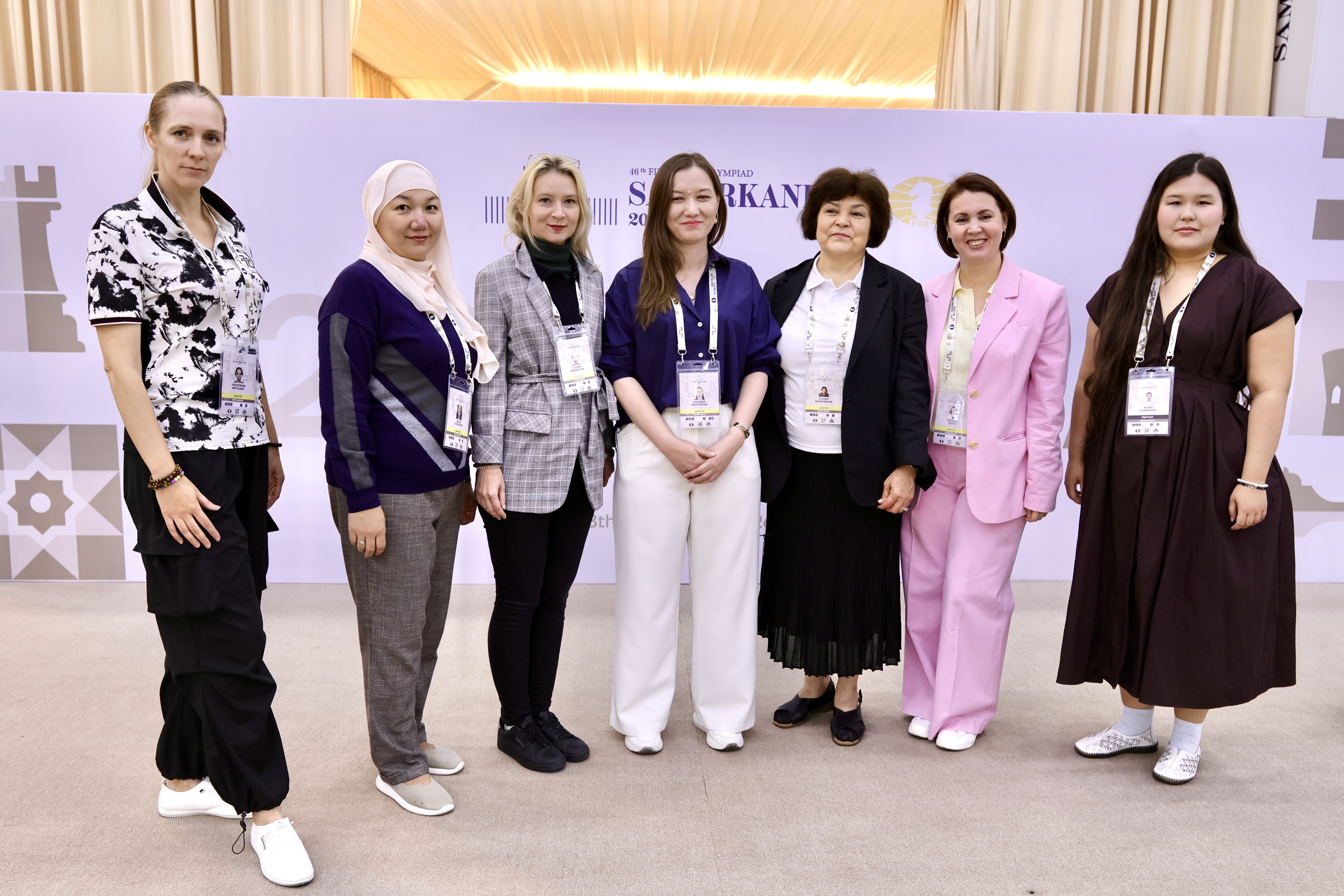
Senior FIDE specialists helped train Kazakhstani officials
Kazakhstan’s arbiter-development program has also involved experienced international specialists.
Those who conducted seminars in the country included former FIDE Rules Commission Chairman Ashot Vardapetyan, Abdulrahim Mahdi, Mikhail Kryukov and Khusan Turdialiev.
FIDE Fair Play Commission Chairman Andy Howie and commission member Vincent Geeraets also took part in training activities.
The results are visible in international titles.
From 2023 to 2026, 13 Kazakhstani specialists received the International Arbiter title, while another 34 became FIDE Arbiters.
Those titles expand the range of events an official is eligible to work at and can eventually lead to appointments at major FIDE competitions.
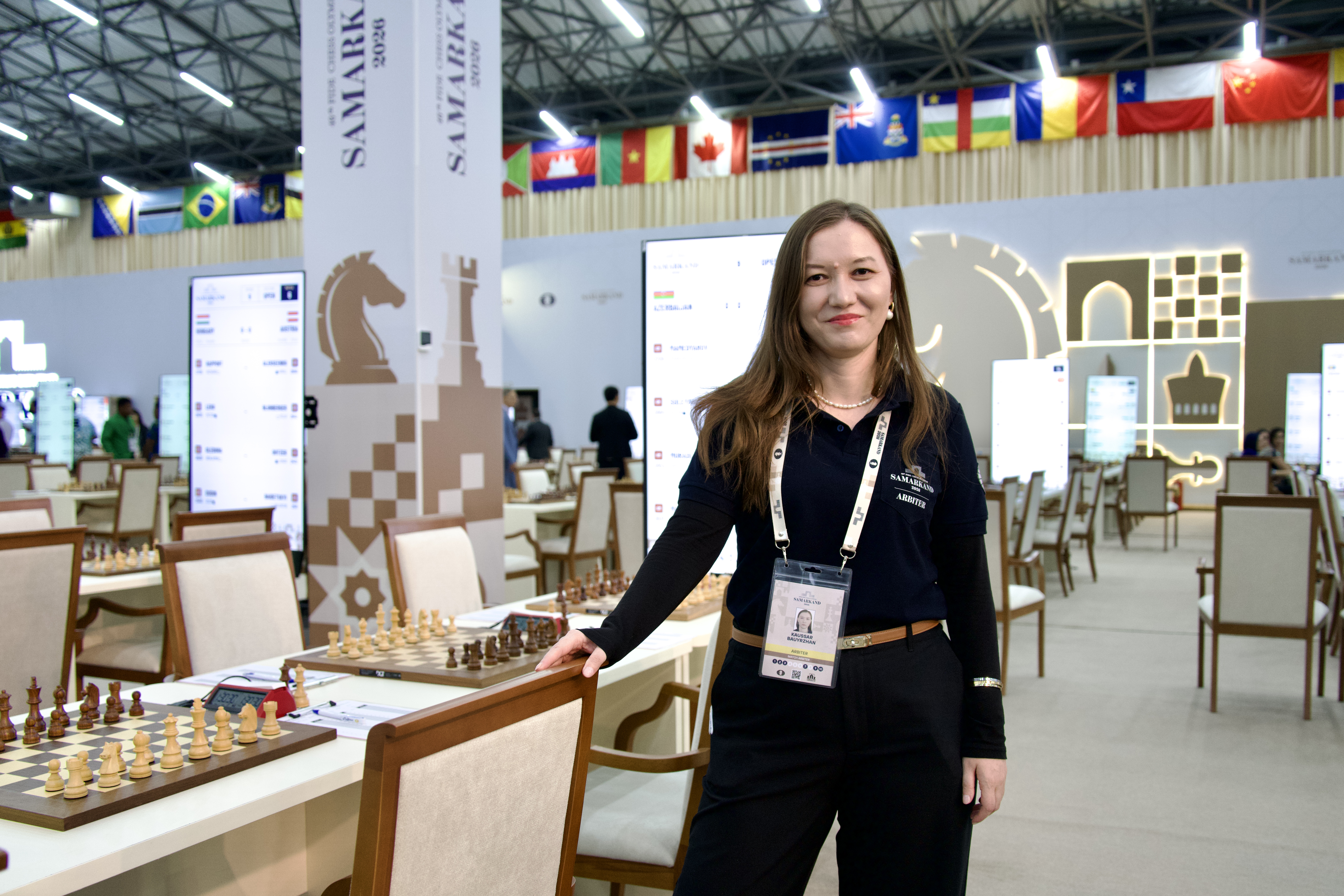
Kausar Bauyrzhan reached IA-B level
One of the most prominent figures in Kazakhstan’s officiating community is Kausar Bauyrzhan.
She became an International Arbiter in 2020, serves on the FIDE Fair Play Commission and holds the IA-B category, the second-highest level in the international arbiter classification system.
Alexander Babenko and Oleg Rinas have also been approved for IA-B status.
Four more Kazakhstani arbiters hold IA-C status: Arman Gabdushev, Pavel Kotsur, Serikbay Temirbayev and Flyura Khasanova.
That group gives Kazakhstan a pool of officials with the credentials to work well beyond domestic championships.
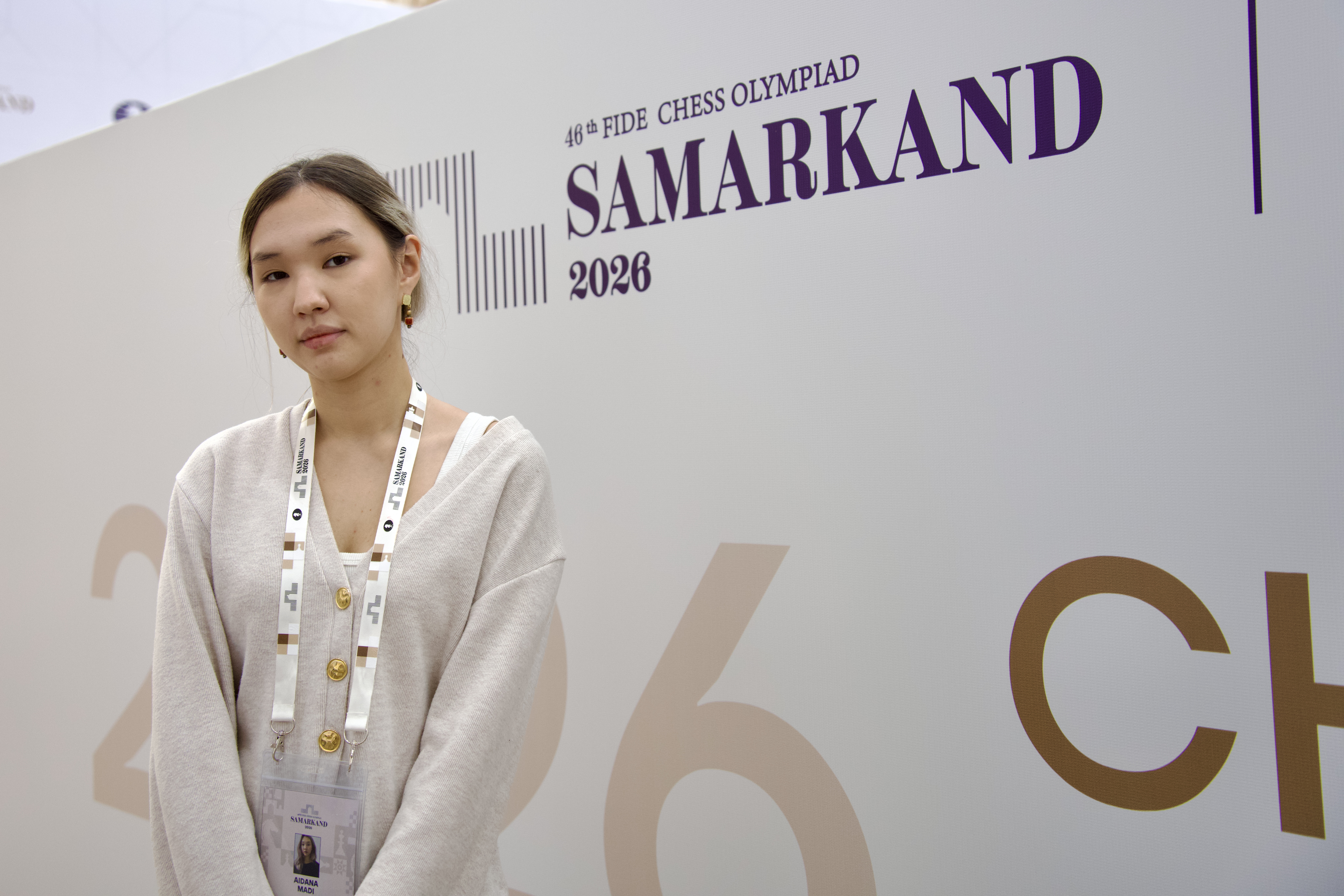
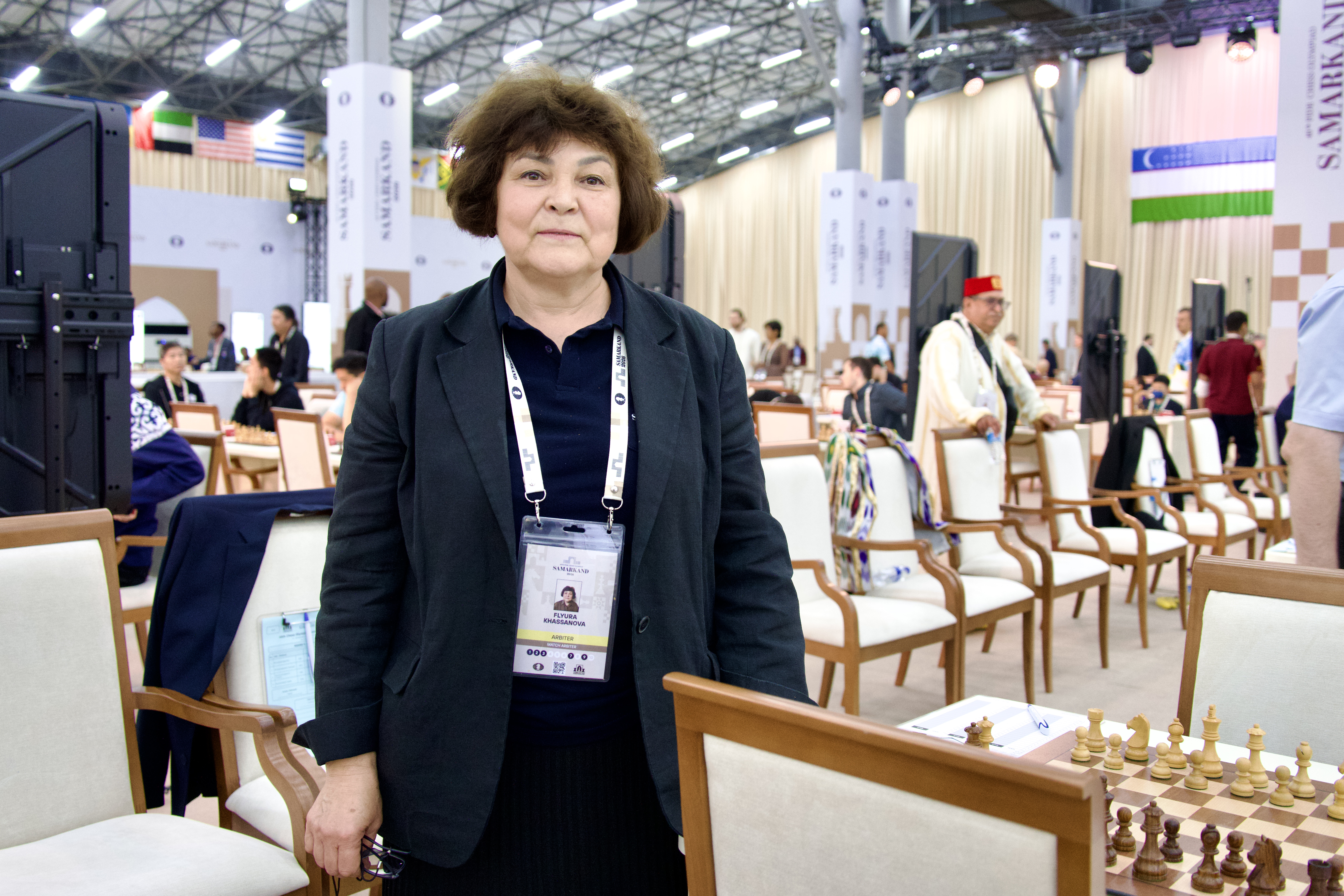
Flyura Khasanova returned to the Olympiad as an arbiter
Flyura Khasanova’s career stands out even within this group.
In 1983, she won the World Junior Girls Championship in Mexico.
She later represented Kazakhstan as a player at five Chess Olympiads — in 1992, 1994, 1996, 2000 and 2004.
In 2001, she became a FIDE International Arbiter.
Decades later, Khasanova returned to the Olympiad in a different role. In Samarkand, she worked as a match arbiter at the 46th World Chess Olympiad.
She also remains active in youth chess.
Since 2000, the international children’s tournament Maralsai has been held in the Almaty Region. In 2026, the event was staged for the 20th time and served as the sixth leg of the Kazakhstan Children’s Cup.
That year, the tournament was named after Flyura Khasanova, who also served as its chief arbiter.
Nearly 200 young players competed in the event.
Officiating is becoming a separate chess career path
For years, Kazakhstan’s international chess profile was associated mainly with players.
The growth of its arbiter corps points to a second professional route: from National Arbiter to FIDE Arbiter, then International Arbiter and, eventually, assignments at world championships and Olympiads.
The 46th World Chess Olympiad in Samarkand offered a clear measure of that progress: 18 Kazakhstani specialists were included in the official arbiters’ team for the main event.
Among them was a former world junior champion who once represented Kazakhstan as a player and, more than two decades later, returned to the Olympiad as an official.