

he pilot is scaling fast.
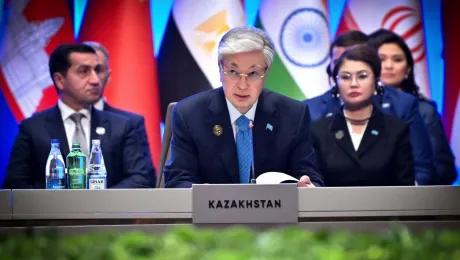
Kazakhstan plans to expand an artificial intelligence project from 10 small rural schools to 500 by April 2027, turning a limited experiment into a major test of whether AI can improve access to education outside large cities, DKNews.kz reports.
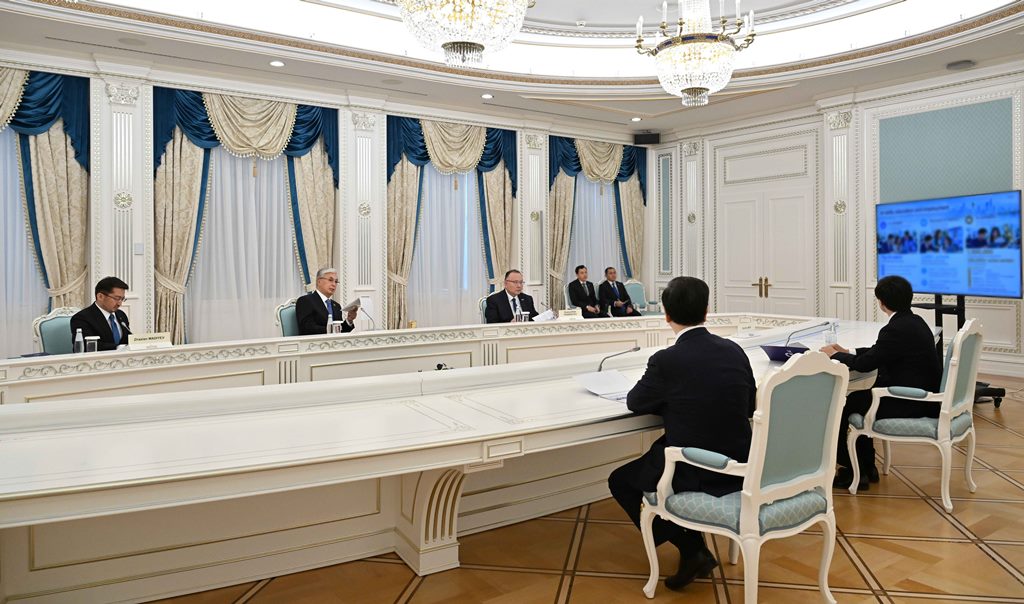
President Kassym-Jomart Tokayev discussed the initiative on October 2 during a meeting with Kai-Fu Lee, CEO of Sinovation Ventures and 01.ai. According to the official account of the meeting published by Akorda, Tokayev highlighted Lee’s expert contribution to shaping Kazakhstan’s approach to artificial intelligence and digital transformation.
The pilot will grow from 10 to 500 schools
The strongest number in the project is its planned pace of expansion. The first stage began in September 2026 and covers 10 small rural schools.
Kai-Fu Lee told the President that the next step is scheduled for January 2027, when the program is expected to reach 60 schools. By April 2027, the project is planned to cover 500 schools.
That would take the initiative from 10 to 500 participating schools in roughly seven months.
Tokayev stressed that increasing the number of schools should not become an end in itself. The President called for consistent scaling of the project and tangible results in improving the quality of education.
AI access should not depend on where a child lives
The geographic focus is significant. The first stage specifically targets small rural schools rather than beginning with major urban education centers.
During the meeting, it was emphasized that opportunities associated with artificial intelligence should be equally accessible in cities and rural areas.
The Government launched the project using Kai-Fu Lee’s recommendations and leading international experience. An earlier report on the launch of AI in Kazakhstan’s rural schools detailed how the first stage of the initiative was being prepared for small schools.
For Kazakhstan, the practical test is whether the technology can give rural students access to educational opportunities that are difficult to provide locally. The April target will substantially increase the scale on which that approach can be assessed.
Tokayev wants results, not just more connected schools
The President’s emphasis on education quality changes the benchmark for the project.
Reaching 500 schools would demonstrate the ability to scale the technology. But Tokayev also expects the expansion to produce tangible educational results.
That distinction becomes more important as the pilot grows. A system operating in 10 schools can be closely supervised; expanding it to 60 and then 500 schools creates a different challenge in terms of consistency and educational outcomes.
Kazakhstan has already been moving toward wider use of artificial intelligence in education. We previously examined how AI could be integrated into the country’s school system and what role teachers would retain as digital tools become more common in classrooms.
Rural schools become a testing ground for Kazakhstan’s AI strategy
The current project is particularly notable because small rural schools are being used as the starting point.
The scale could eventually become considerably larger than the 500 schools discussed at the meeting. A previously published analysis of Kazakhstan’s rural AI education model examined plans involving approximately 2,600 small rural schools.
The October 2 meeting, however, set out a much nearer sequence of milestones: 10 schools from September 2026, 60 schools in January 2027 and 500 schools by April 2027.
This phased approach creates clear points at which the project’s expansion and educational results can be assessed before moving to a much larger network.
AI could also support entrepreneurship outside major cities
Education was not the only application discussed.
Tokayev highlighted the potential of artificial intelligence as a tool for promoting entrepreneurship. Combined with the principle of equal access, this suggests that AI-related opportunities are expected to extend beyond Astana and Almaty to smaller communities.
The President was also presented with several other initiatives in artificial intelligence and digital transformation. The official statement did not disclose their parameters.
For the education project, however, the timetable is already concrete: 10 schools are participating in the first stage, 60 are planned for January and 500 for April 2027.
A few days ago, we also looked in detail at how AI could change education in 2,600 small rural schools across Kazakhstan, including the model being developed for remote teaching and the role of teachers working directly with students.