
Children’s services should survive budget cuts. That is one proposal under discussion at a global summit in Samarkand, Uzbekistan, where governments and international organisations are examining how spending on children translates into healthcare, education and protection, DKNews.kz reports.
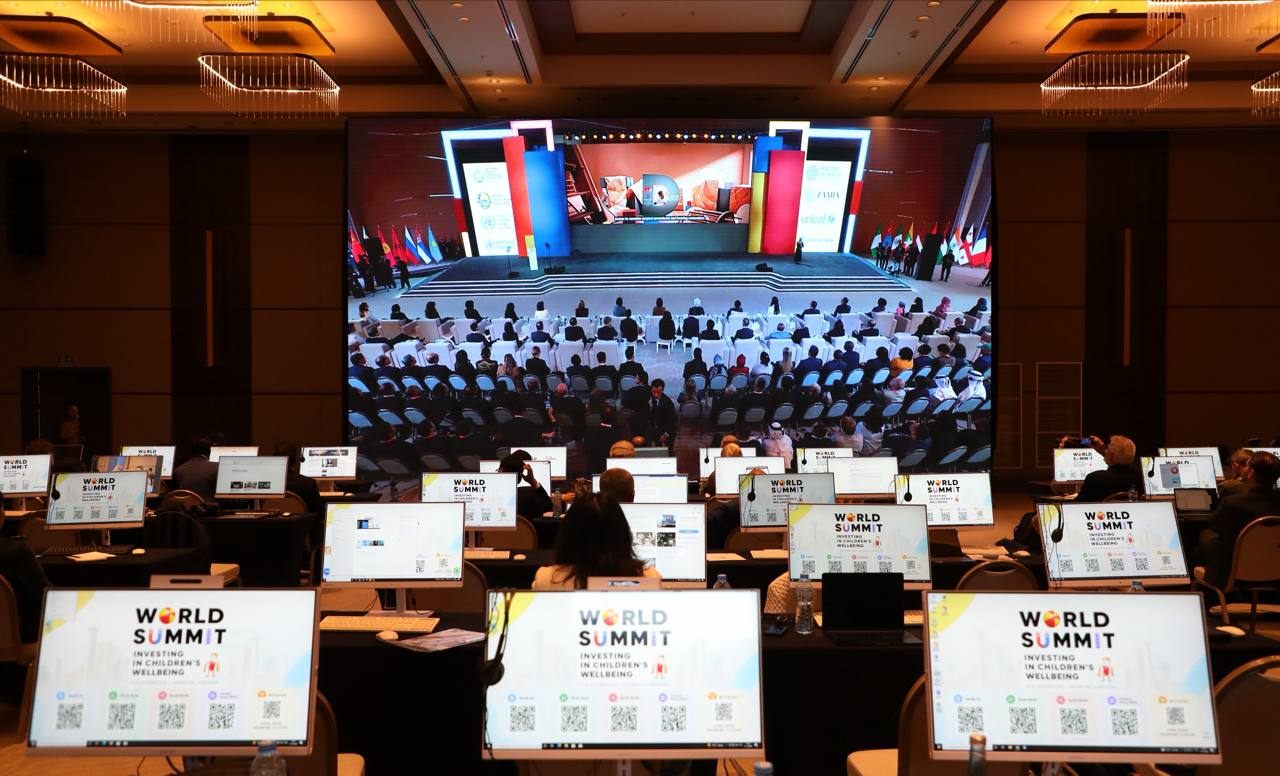
The World Summit on Investing in Children’s Wellbeing takes place on October 21–22. Organisers expect more than 600 participants from over 100 countries. Its draft declaration calls for essential services for children to be safeguarded during periods of fiscal constraint.
 investinchildren.uz
Samarkand, World Summit, investment in children, Uzbekistan, social protection, childhood cancer, inclusive education
For families, the implications are immediate. Will a child’s treatment continue? Will rehabilitation remain available? Will a pupil with a disability receive the support needed to attend school?
The draft seeks to connect government commitments with funding, deadlines and reporting. It is scheduled for adoption on October 22.
Childhood Cancer and Social Protection Share the Stage
The summit opened alongside the Second International Congress on Childhood Cancer.
According to Dunyo, the news agency of Uzbekistan’s Foreign Ministry, participants in the opening ceremony included Uzbekistan’s First Lady Ziroat Mirziyoyeva, UN Special Representative on Violence against Children Najat Maalla M’jid, and Shakhnoza Mirziyoyeva, First Deputy Director of Uzbekistan’s National Agency for Social Protection. UN Deputy Secretary-General Amina Mohammed joined by video.
Bringing the two events together allows discussions to follow a child’s needs beyond the hospital. Prolonged treatment affects schooling, friendships and parents’ ability to work.
Access to diagnostics and medicines therefore sits alongside family support, education and rehabilitation on the agenda.
Uzbekistan convened the summit in cooperation with the UN Special Representative on Violence against Children, UNICEF, the World Health Organization and the World Bank.
The World Bank Makes the Case for Starting Early
One focus is support long before a child enters school. Nutrition, maternal health, a safe environment and early learning help shape the conditions in which children begin their education.
In an address ahead of the summit, World Bank Regional Director for Central Asia Naji Benhassine emphasised the lasting importance of investment in early childhood.
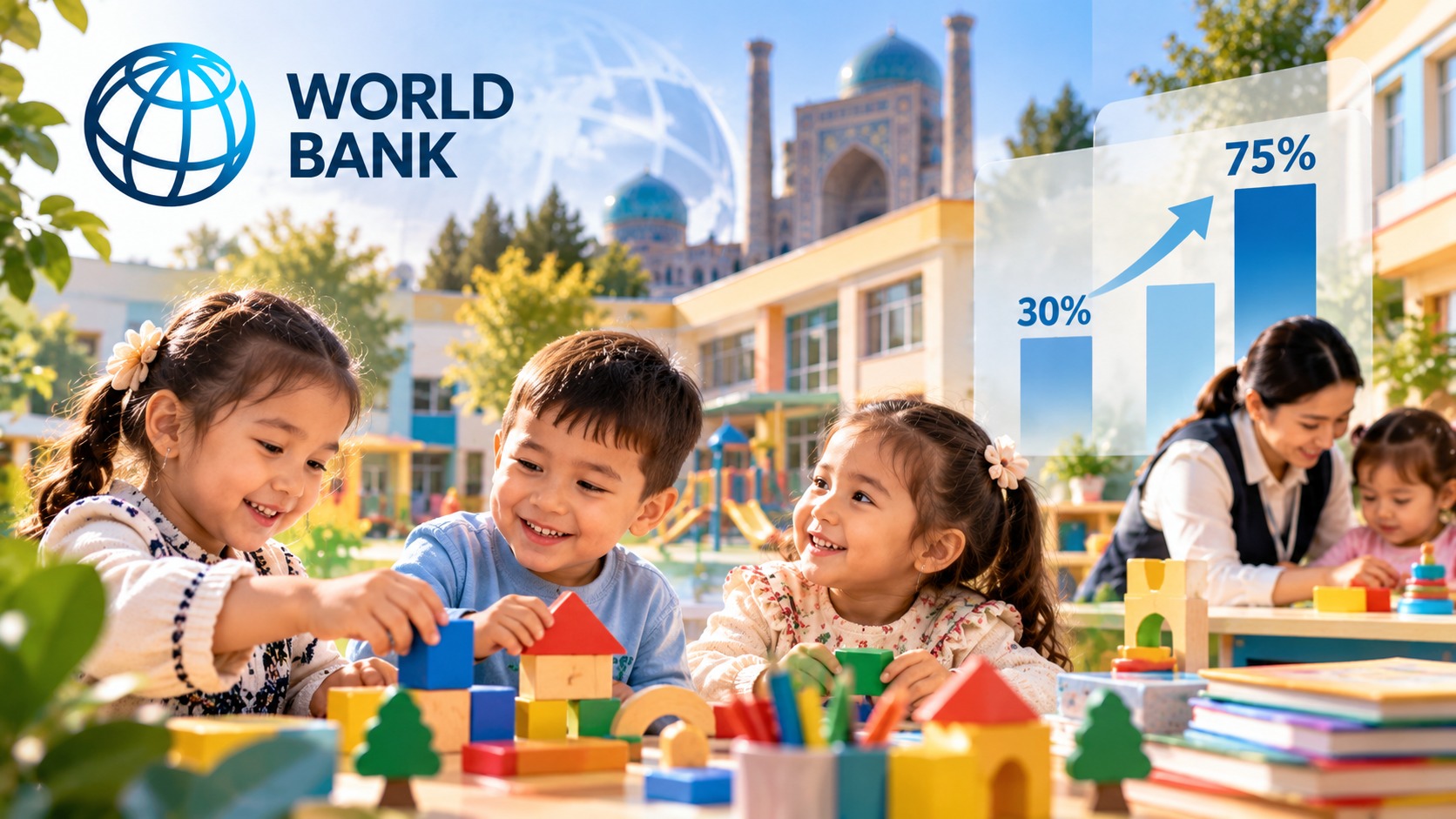
“There is no better investment than investing in children, especially in their earliest years,” Benhassine said.
He highlighted an increase in preschool education coverage in Uzbekistan from 30% to 75%. Wider access gives more children opportunities to develop language, social and independent living skills before starting school.
Imkon Brings Preschool and Rehabilitation Together
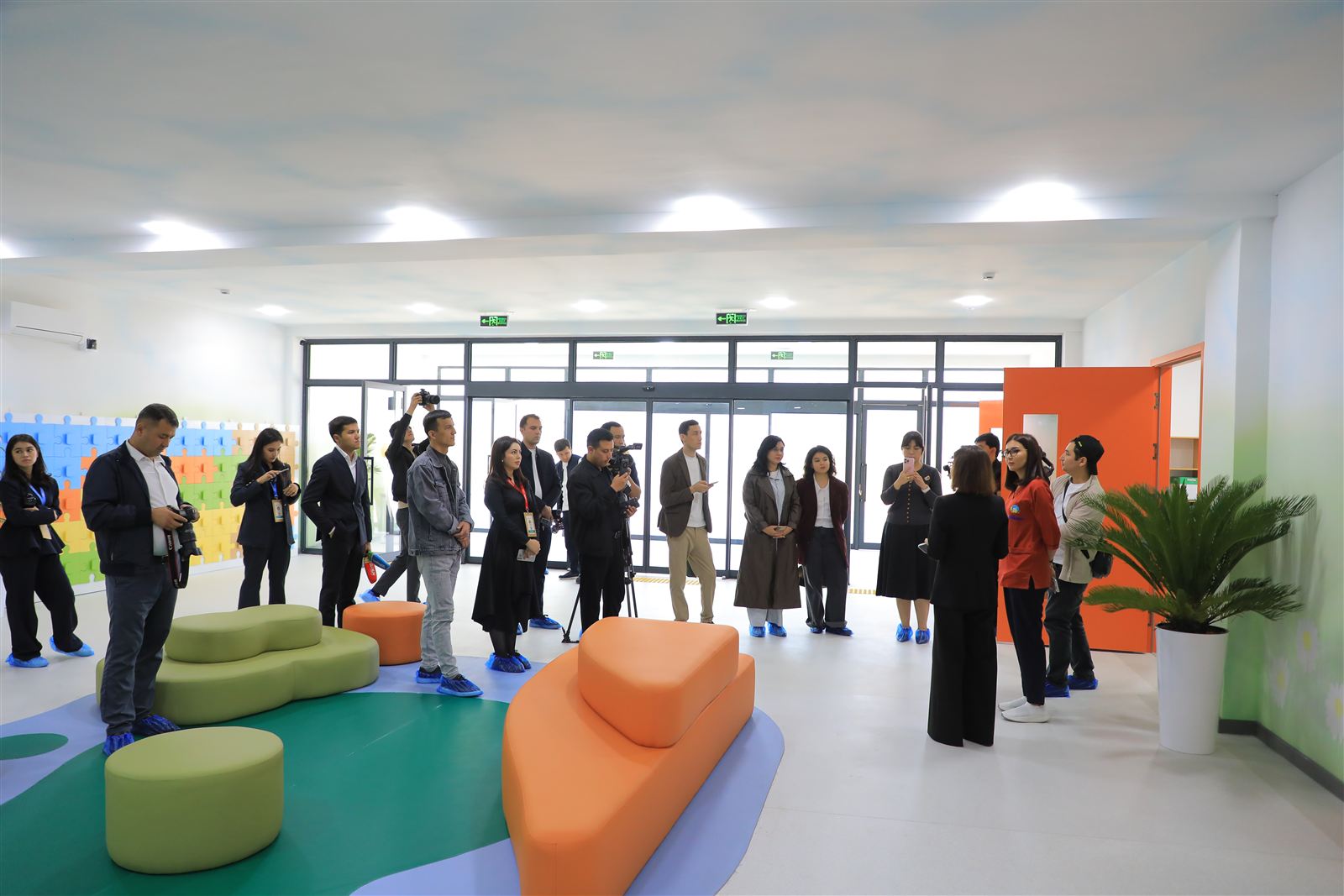
The summit’s discussions are accompanied by visits to institutions already delivering support. Ahead of the opening, international experts and journalists visited Samarkand’s Imkon centre.
 investinchildren.uz
Opened in October 2026, the centre has 150 places across ten groups. It can also provide outpatient rehabilitation to up to 100 children aged three to 18 each month.
Preschool education is combined with medical, psychological and educational support. Specialists help children develop movement, speech, communication and self-care skills.
For families, the value lies in coordination. Education and rehabilitation take place within one institution, allowing specialists to align their work around each child’s needs.
Social Workers Seek Out Families Who Have Not Asked for Help
Another example is Uzbekistan’s network of Inson social services centres and social workers in mahallas—neighbourhood communities that also function as citizens’ self-government institutions.
Their work includes identifying people who need support, assessing their circumstances and arranging appropriate services.
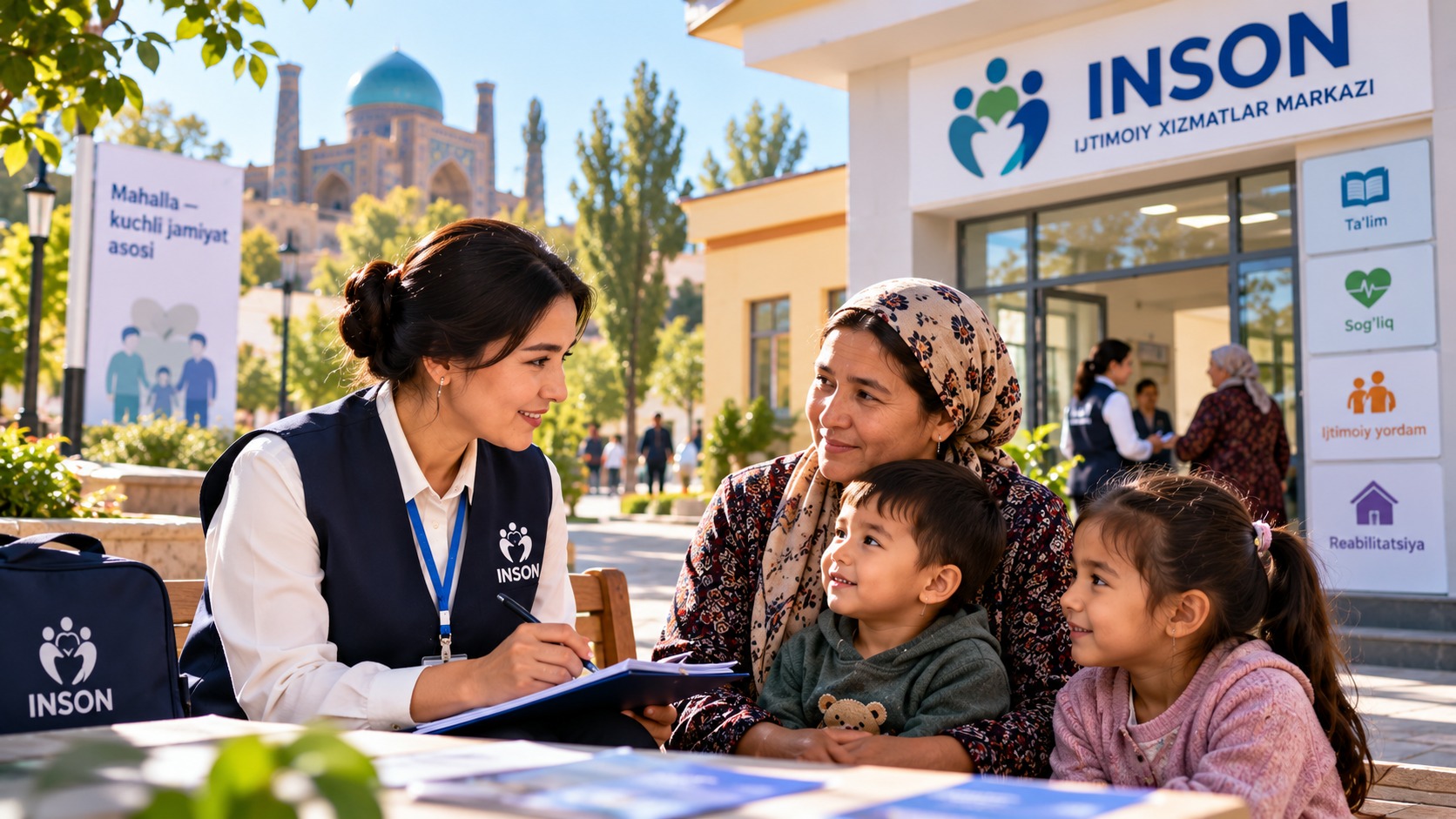
According to figures published by the organisers, Uzbekistan has 208 Inson centres and 9,000 social workers in mahallas. Over three years, more than 600,000 people and families in need were newly identified.
Active outreach allows assistance to begin before parents navigate the system themselves. That can matter particularly when a child’s illness coincides with lost income and the need for constant care.
Organisers report that 80% of issues are resolved at mahalla level. The number of types of social services and assistance increased from 23 in 2023 to 140 in 2026.
Governments Are Asked to Set Deadlines and Report Results
The draft Samarkand Declaration proposes national targets with deadlines, clearly assigned institutional responsibilities, and regular reporting on access, service quality and outcomes.
That would make it possible to assess how many children received support and what changed in their lives. The size of a budget alone cannot answer those questions.
We previously examined the barriers facing children with special educational needs in neighbouring Kazakhstan. These include insufficient teacher preparation and a shortage of specialist resources in schools—obstacles families can encounter even when a child’s right to education is formally guaranteed.